1. Introduction
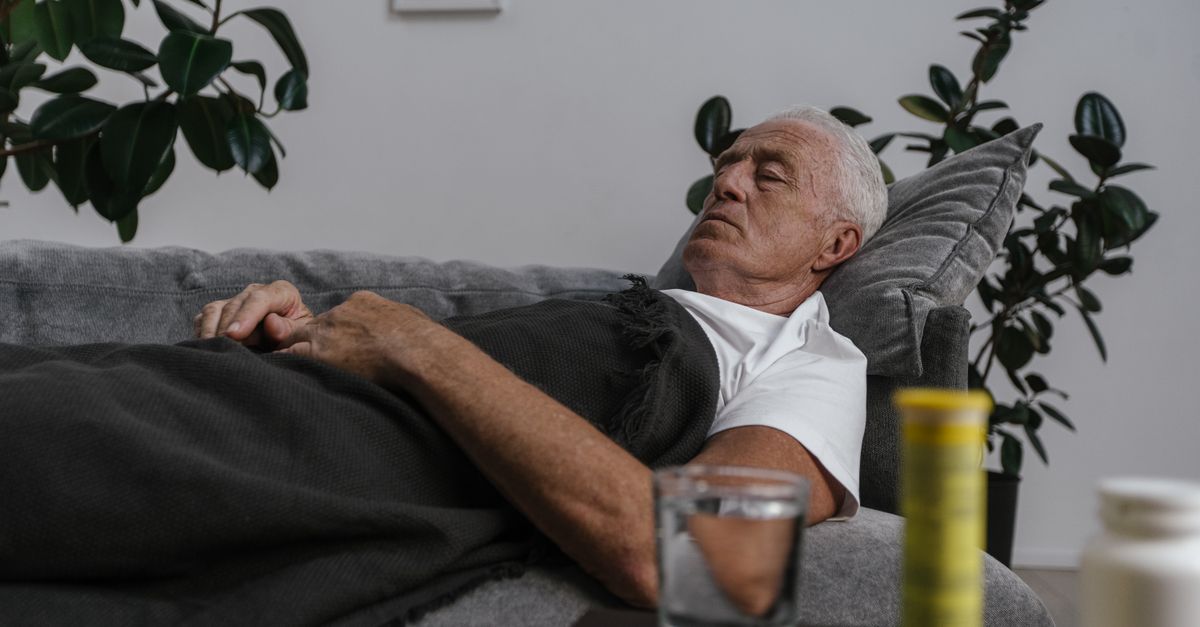
Waking up drenched in sweat, clinically referred to as sleep hyperhidrosis or night sweats, is a strong indicator of a potential hormonal imbalance. The endocrine system heavily dictates the body internal thermostat, and fluctuations in primary hormones such as estrogen, testosterone, or thyroid hormones can easily disrupt thermoregulation during the sleep cycle. However, severe nocturnal sweating is a complex, non-specific symptom that warrants a meticulous medical investigation to rule out various systemic etiologies. Assuming it is solely a hormonal issue without clinical verification can delay the diagnosis of other significant conditions.
A true night sweat goes beyond feeling mildly warm due to heavy blankets or a hot room. It involves sudden, intense diaphoresis that completely saturates sleepwear and bedding, forcing the individual to wake up and change their clothes. This level of sudden heat dumping implies that the central nervous system has received an erroneous signal indicating the core body temperature is dangerously high, triggering a massive cooling response.
When patients experience recurrent, drenching sweats, it often leads to severe sleep fragmentation and daytime fatigue. Addressing the symptom requires a methodical approach. By evaluating concurrent clinical signs, physicians can differentiate between an endocrine shift, a chronic infection, medication side effects, or deeper systemic illnesses, guiding the patient toward restorative treatment.
2. The Physiology of Nocturnal Sweating
Human body temperature is not static; it follows a precise circadian rhythm governed by the hypothalamus. As the body prepares for sleep, the core temperature naturally drops, signaling to the brain that it is time to rest. Throughout the night, the hypothalamus maintains the body within a narrow thermoneutral zone, making minor adjustments to blood flow and gland activity to keep the temperature stable.
Sweating is the primary physiological mechanism for rapid heat dissipation. When the core temperature exceeds the upper threshold of the thermoneutral zone, the sympathetic nervous system stimulates the eccrine sweat glands distributed across the skin. The evaporation of this moisture draws thermal energy away from the body, lowering the core temperature back to baseline.
In cases of sleep hyperhidrosis, this regulatory system malfunctions. The hypothalamus may misread a normal temperature as a severe fever, or the thermoneutral zone itself may narrow dramatically due to chemical imbalances. Consequently, a massive, inappropriate autonomic cooling cascade is deployed while the patient is asleep, resulting in drenching sweats and subsequent chills.
3. Endocrine System and Temperature Control
The endocrine system, a network of hormone-producing glands, is intricately tied to autonomic nervous system function. Hormones act as chemical messengers that modulate everything from metabolic rate to vascular tone. Any disruption in this delicate hormonal balance can directly impact how the hypothalamus perceives and manages thermal data.
Hormonal imbalances are one of the most frequent causes of disrupted thermoregulation. When specific hormone levels spike or plummet, they alter the concentration of central neurotransmitters like serotonin and norepinephrine. These neurotransmitters are essential for communicating temperature stability in the brain.
Conditions affecting the pituitary gland, adrenal glands, or reproductive organs can all manifest as nocturnal hyperhidrosis. Identifying an endocrine cause relies on correlating the sweating episodes with other signs of hormonal dysfunction, such as weight fluctuations, mood changes, altered libido, or generalized weakness.
4. Menopause and Perimenopause Connections
The most common hormonal cause for night sweats in women is the transition through perimenopause and into menopause. As ovarian reserve declines, the production of estrogen and progesterone becomes erratic. Estrogen, in particular, has a stabilizing effect on the hypothalamus. When estrogen levels drop significantly, the hypothalamic thermoregulatory center becomes hypersensitive.
This hypersensitivity causes the brain to interpret minor environmental or internal temperature changes as extreme heat. The resulting vasomotor response is a nocturnal hot flash. While daytime hot flashes are common, nocturnal episodes are frequently more severe and disruptive, leading to drenched sheets and insomnia.
Hormone replacement therapy remains the most effective intervention for severe menopausal vasomotor symptoms. By restoring baseline estrogen levels, the thermoregulatory center is stabilized, drastically reducing the frequency and intensity of nocturnal sweating episodes and restoring normal sleep architecture.
5. Hyperthyroidism and Night Sweats
The thyroid gland controls the basal metabolic rate. Hyperthyroidism occurs when the gland secretes an excessive amount of thyroxine, sending the body into a hypermetabolic state. This rapid metabolism generates an excessive amount of internal heat.
To cope with this continuous thermal load, the body remains in a persistent state of heat dissipation. Patients with hyperthyroidism exhibit severe heat intolerance and may experience profuse sweating both during the day and at night. The cardiovascular system is heavily burdened, leading to a rapid resting heart rate, palpitations, and heightened anxiety.
Diagnosing this condition requires a blood test to measure thyroid-stimulating hormone and free thyroxine levels. Suppressing the overactive gland through antithyroid medications, radioactive iodine therapy, or surgical removal normalizes the metabolic rate, eliminating the excessive heat production and subsequent sweating.
6. Hypoglycemia During Sleep
Nocturnal hypoglycemia, a significant drop in blood glucose levels during the night, is a potent trigger for drenching sweats. Glucose is the primary fuel for the brain. When levels fall too low, it constitutes a neurological emergency. The body responds by releasing counter-regulatory hormones, primarily adrenaline and cortisol, to stimulate glucose production in the liver.
This surge of adrenaline activates the sympathetic nervous system’s fight-or-flight response. The physiological effects include a pounding heart, tremors, and intense, cold sweating. Patients often wake up drenched, feeling anxious, hungry, or disoriented.
Diabetic patients taking insulin or certain oral hypoglycemic agents are at the highest risk for nocturnal hypoglycemia. Adjusting medication dosages, altering the timing of injections, or consuming a complex carbohydrate snack before bed are essential strategies to stabilize overnight blood glucose and prevent these dangerous autonomic reactions.
7. The Impact of Cortisol and Stress
Cortisol is the primary stress hormone, regulated by the hypothalamic-pituitary-adrenal axis. Chronic psychological stress, trauma, or severe anxiety disorders keep this axis continually activated. High levels of circulating cortisol and adrenaline increase vascular tone and heart rate, elevating core body temperature slightly.
During sleep, the brain attempts to process emotional stress, which can manifest as vivid dreams or nightmares. This psychological arousal triggers sudden sympathetic nervous system spikes, mimicking a panic response. The result is an abrupt release of sweat as the body prepares for a physical exertion that never occurs.
Additionally, rare endocrine tumors such as pheochromocytomas, which secrete massive amounts of adrenaline, present with episodic, severe night sweats, headaches, and life-threatening hypertension. Differentiating between psychological stress and organic adrenal pathology is crucial for appropriate intervention.
8. Infections as a Primary Cause
Historically, drenching night sweats have been a hallmark clinical sign of severe, chronic infections. When the immune system detects a pathogen, it releases pyrogens—biochemical substances that signal the hypothalamus to raise the body temperature, creating a fever to inhibit bacterial or viral replication.
As the fever breaks, typically overnight, the body must rapidly shed the excess heat. This results in profound sweating. Tuberculosis is notoriously associated with severe nocturnal hyperhidrosis, accompanied by a persistent cough and weight loss. Other infectious culprits include endocarditis (infection of the heart valves), osteomyelitis (bone infection), and occult abscesses.
Even common infections, such as influenza or severe acute respiratory illnesses, can cause temporary night sweats as the immune system battles the pathogen. If sweating persists long after respiratory or gastrointestinal symptoms have resolved, deeper infectious evaluations are necessary.
9. Medication Side Effects
A thorough pharmacological review is mandatory when investigating night sweats. Many classes of prescription and over-the-counter drugs manipulate neurotransmitter pathways or alter vascular dilation, resulting in drug-induced hyperhidrosis.
Antidepressants, particularly selective serotonin reuptake inhibitors and serotonin-norepinephrine reuptake inhibitors, are frequently implicated. By increasing the concentration of these neurotransmitters in the central nervous system, they inadvertently stimulate the autonomic pathways controlling sweat glands. Between eight and twenty-two percent of patients on these medications report abnormal sweating.
Other pharmacological triggers include fever-reducing medications like acetaminophen or ibuprofen (which cause sweating as a fever breaks), certain blood pressure medications, and hormone-blocking therapies used in cancer treatments. Adjusting the dosage or switching to an alternative drug class often resolves the side effect.
10. Sleep Apnea and Respiratory Strain
Obstructive sleep apnea is a pervasive sleep disorder characterized by repeated collapse of the upper airway during sleep. This structural obstruction temporarily halts breathing, leading to intermittent hypoxia (low blood oxygen levels). The brain detects the lack of oxygen and triggers an intense sympathetic nervous system response to jolt the body awake and restore airway patency.
Each apnoeic event is accompanied by a surge of adrenaline, causing a spike in heart rate, blood pressure, and intense sweating. Patients with severe sleep apnea often wake up gasping for air, with their chest and neck completely drenched in sweat.
Because the patient may not remember waking up, the bed partner is often the one to report the loud snoring and breathing pauses. Diagnosis is confirmed via an overnight polysomnogram. Continuous positive airway pressure therapy keeps the airway open, halting the hypoxic stress and completely resolving the secondary sweating.
11. Diagnostic Categories of Night Sweats
Categorizing the underlying mechanisms assists in developing an accurate differential diagnosis. The table below structures the primary etiologies.
| Category | Specific Condition | Identifying Clinical Features |
|---|---|---|
| Endocrine / Hormonal | Menopause, Hyperthyroidism | Irregular menses, heat intolerance, weight loss, palpitations |
| Infectious | Tuberculosis, Endocarditis | Chronic cough, persistent fever, fatigue, joint pain |
| Neurological / Respiratory | Obstructive Sleep Apnea | Loud snoring, daytime sleepiness, morning headaches, high BMI |
| Pharmacological | Antidepressant usage | Onset aligns with starting a new psychiatric medication regimen |
12. Neoplastic Causes of Night Sweats
While less common, malignancies must be considered in the differential diagnosis of chronic night sweats, especially when accompanied by the classic “B symptoms”. B symptoms include drenching night sweats, unexplained weight loss (losing more than ten percent of body weight over six months), and persistent fevers.
Lymphomas, both Hodgkin and non-Hodgkin, are the cancers most frequently associated with this presentation. The precise mechanism is not fully understood, but it is believed that the malignant immune cells secrete large amounts of inflammatory cytokines, which disrupt the hypothalamic temperature set-point.
Leukemias and certain solid tumors can also present similarly. A patient presenting with these systemic symptoms requires immediate, comprehensive oncological screening, including extensive blood panels, lymph node biopsies, and advanced radiological imaging to ensure early detection and treatment.
13. When to Request Medical Assessment
Experiencing an occasional night sweat due to a heavy blanket or a passing mild infection is normal. However, medical assessment is strictly necessary if the sweating is persistent, occurring multiple nights a week, and is severe enough to require changing bedding or clothing.
Red flag symptoms demand urgent medical evaluation. These include sweating accompanied by unintentional weight loss, a localized lump or swollen lymph node, chronic diarrhea, coughing up blood, or persistent bone pain. These are not signs of a simple hormonal imbalance and indicate a potentially severe systemic illness.
Patients should maintain a sleep and symptom diary, noting the temperature of the room, the timing of the sweats, diet, alcohol consumption, and any concurrent physical symptoms. This documentation provides a critical timeline that physicians utilize to streamline diagnostic testing and secure an accurate diagnosis.
14. Frequently Asked Questions (FAQ)
1. How can I tell if my night sweats are from menopause or something else?
If night sweats are accompanied by irregular periods, vaginal dryness, and daytime hot flashes in a woman of perimenopausal age, hormones are the likely cause. If accompanied by weight loss, fever, or swollen lymph nodes, other medical causes must be investigated.
2. Can drinking alcohol before bed cause night sweats?
Yes. Alcohol affects the central nervous system, causes blood vessels in the skin to dilate, and disrupts sleep architecture, all of which can trigger a strong sweating response as the body metabolizes the substance.
3. What kind of doctor should I see for persistent night sweats?
Start with a primary care physician or general internist. They can conduct initial bloodwork and physical exams, and subsequently refer you to an endocrinologist, infectious disease specialist, or pulmonologist based on the findings.
4. Are night sweats common in men?
Yes. Men can experience night sweats due to dropping testosterone levels (andropause), sleep apnea, hyperthyroidism, medication side effects, or systemic infections.
5. Does a cold room prevent hormonal night sweats?
A cool sleeping environment can mitigate the severity and improve overall comfort, but it will not completely prevent sweating if the root cause is a profound internal hormonal or autonomic dysregulation.
Bibliography
Disclaimer: The content is for informational purposes only and does not replace medical advice. Always consult your doctor for personalized treatment.