1. Introduction
To stop severe night sweats that drench the bed sheets, one must identify and address the specific underlying metabolic, hormonal, or environmental trigger driving the nocturnal hyperhidrosis. Clinical management often involves adjusting bedroom ambient temperatures, eliminating heavy insulating bedding, and abstaining from late-evening alcohol or spicy foods that provoke vasodilation. If environmental adjustments fail, formal medical evaluation is mandatory to rule out systemic infections, severe endocrine imbalances, or specific medication side effects, allowing the physician to prescribe targeted pharmacological therapies to regulate the autonomic nervous system.
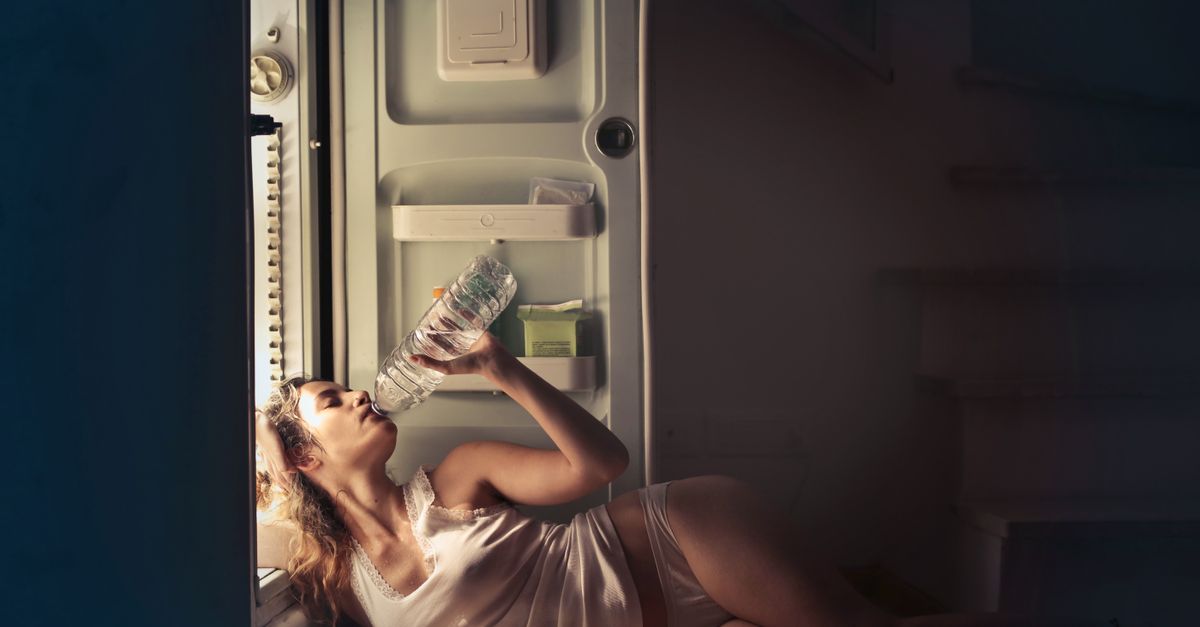
Night sweats are clinically distinct from simply feeling warm in bed. Nocturnal hyperhidrosis describes episodes of profound, episodic perspiration that are severe enough to soak through sleepwear and saturate the underlying mattress. This level of sudden fluid loss severely disrupts sleep architecture, forcing the patient to awaken freezing cold, shivering, and requiring a complete change of bedding in the middle of the night.
Because sweating is the body’s primary mechanism for thermal regulation, excessive nocturnal sweating indicates that the internal thermostat located in the brain has been inappropriately triggered. Pinpointing the exact reason the brain perceives the body to be overheating—whether due to fluctuating estrogen levels, a smoldering bacterial infection, or a hyperactive thyroid—is the critical step toward permanently resolving the exhausting sleep disruption.
2. Thermoregulation During Sleep
The human body undergoes distinct physiological changes during the transition from wakefulness to sleep. The core body temperature naturally drops by a few fractions of a degree in the evening, a critical signal that initiates the onset of sleep. The hypothalamus, a small region deep within the brain, acts as the central thermostat, meticulously monitoring and adjusting this core temperature.
To achieve this necessary cooling, the hypothalamus directs the peripheral blood vessels in the skin to dilate. This vasodilation allows internal body heat to radiate outward into the surrounding environment. Under normal conditions, this subtle heat transfer is entirely sufficient to maintain thermal equilibrium throughout the night.
However, if a physiological disturbance tricks the hypothalamus into believing the core temperature is rising dangerously high, it triggers an emergency cooling protocol. It commands the millions of eccrine sweat glands across the body to rapidly secrete water. As this sweat evaporates from the skin, it forcefully extracts heat, resulting in the massive fluid loss characteristic of severe night sweats.
3. Hormonal Fluctuations and Menopause
The most ubiquitous cause of severe night sweats in women is the hormonal turbulence associated with perimenopause and menopause. Estrogen plays a profound, direct role in stabilizing the hypothalamus and regulating the body’s thermal set point.
As ovarian function declines and estrogen levels fluctuate wildly or plummet, the hypothalamus becomes exquisitely hypersensitive to even minor, normal variations in ambient temperature. It interprets a slight increase in body heat as a massive thermal threat. The resulting vasomotor symptom is the classic hot flash, which, when occurring during sleep, manifests as a drenching night sweat.
These menopausal sweats are typically preceded by a sudden, intense feeling of heat rushing over the chest, neck, and face. Managing this specific hormonal trigger often requires systemic hormone replacement therapy or the use of non-hormonal neuromodulating medications, such as specific selective serotonin reuptake inhibitors, to calm the hyperactive hypothalamic response.
4. Endocrine Disorders and Hyperthyroidism
The endocrine system dictates the body’s overall basal metabolic rate. When a patient develops hyperthyroidism, the thyroid gland overproduces thyroxine and triiodothyronine. These potent hormones act as the biochemical accelerator pedal for the entire body, drastically increasing cellular metabolism.
This hyper-metabolic state generates a massive amount of internal body heat as a byproduct of increased cellular energy production. To prevent dangerous overheating, the hypothalamus keeps the cooling mechanisms continuously engaged. Patients with an overactive thyroid frequently experience severe heat intolerance during the day and profound, drenching sweats at night.
Accompanying symptoms of hyperthyroidism provide crucial diagnostic clues. The patient may also experience a rapid, pounding heart rate, unexplained weight loss despite an increased appetite, and noticeable tremors in the hands. Normalizing thyroid hormone levels through targeted antithyroid medications or radioactive iodine therapy definitively resolves the associated night sweats.
5. Infections and Nocturnal Sweating
A classic, historically significant cause of drenching night sweats is a systemic, chronic infection. When the immune system detects a pathogen, it releases pyrogens, chemical messengers that travel to the hypothalamus and intentionally raise the body’s thermal set point, creating a fever to help destroy the invading bacteria or virus.
As the fever breaks, often during the night, the body must rapidly shed the excess heat to return to baseline. It achieves this through massive, profound diaphoresis. Tuberculosis is the hallmark infectious disease associated with drenching night sweats, primarily affecting the lungs and causing a persistent, bloody cough.
Other smoldering infections, such as infective endocarditis (an infection of the heart valves), osteomyelitis (a deep bone infection), or human immunodeficiency virus, can present with insidious night sweats as the primary symptom. A thorough infectious disease workup, including blood cultures and chest imaging, is mandatory when systemic symptoms accompany the sweating.
6. Medication-Induced Sweating
A vast array of common prescription medications list severe night sweats as a primary side effect. The mechanism usually involves the drug’s direct interference with the autonomic nervous system or neurotransmitter levels in the brain.
Antidepressants, particularly selective serotonin reuptake inhibitors and tricyclics, are notorious for causing drug-induced diaphoresis. By altering serotonin and norepinephrine levels, these medications inadvertently destabilize the thermoregulatory centers in the hypothalamus.
Other common culprits include antipyretics like acetaminophen, which cause sweating as they break a fever, hypoglycemic agents used in diabetes management, and certain blood pressure medications. If night sweats begin shortly after initiating a new medication, the physician must evaluate the dosage and consider switching to an alternative pharmacological class.
7. Obstructive Sleep Apnea
Obstructive sleep apnea is a serious sleep disorder characterized by repeated episodes of complete or partial airway collapse during sleep. When the airway obstructs, the patient physically stops breathing, leading to a rapid drop in blood oxygen levels and a spike in carbon dioxide.
This hypoxic state represents a severe physiological emergency. The brain detects the lack of oxygen and triggers a massive surge of adrenaline to force the patient to wake up and gasp for air. This repeated, violent sympathetic nervous system discharge causes the heart to race, blood pressure to spike, and triggers intense, full-body sweating.
Patients with sleep apnea often wake up drenched in sweat, completely exhausted, with a dry mouth and a headache. Treating the underlying airway obstruction using continuous positive airway pressure therapy eliminates the nocturnal adrenaline surges, subsequently curing the severe night sweats. For other issues disrupting restorative sleep, reading about hypothyroidism chronic exhaustion provides insight into metabolic fatigue.
8. Idiopathic Hyperhidrosis
In a subset of patients, extensive medical evaluation fails to identify any underlying disease, hormonal imbalance, or medication triggering the night sweats. This condition is diagnosed as idiopathic hyperhidrosis, meaning chronic, excessive sweating without a discernible medical cause.
Patients with idiopathic hyperhidrosis possess an inherently overactive sympathetic nervous system. The nerve signals instructing the sweat glands to produce fluid are constantly firing at an abnormally high rate, regardless of the ambient temperature or emotional state.
While this condition frequently causes distressing sweating of the palms and underarms during the day, it can also manifest as severe, drenching sweats at night. Management focuses purely on symptomatic control, utilizing clinical-grade antiperspirants, systemic anticholinergic medications to block the nerve signals, or advanced treatments like botulinum toxin injections.
9. Structured Data: Etiologies of Night Sweats
The following table outlines the distinct clinical categories that trigger nocturnal hyperhidrosis to assist in targeted differential diagnosis.
| Clinical Etiology | Primary Mechanism | Distinguishing Features |
|---|---|---|
| Menopause | Estrogen fluctuation destabilizes hypothalamus | Preceded by hot flashes, irregular menstrual cycles |
| Hyperthyroidism | Hyper-metabolic state generating excess heat | Rapid heart rate, weight loss, daytime heat intolerance |
| Chronic Infection | Fever breaking and immune response | Accompanied by chills, persistent cough, or weight loss |
| Medication Side Effect | Altered neurotransmitter levels | Onset correlates with a new prescription (e.g., antidepressants) |
| Obstructive Sleep Apnea | Adrenaline surge due to hypoxia | Loud snoring, gasping for air, severe morning fatigue |
10. Oncological Considerations and Lymphoma
While most causes of night sweats are benign or easily treatable, profound, drenching night sweats serve as a critical warning sign for specific hematological malignancies, most notably Hodgkin lymphoma and non-Hodgkin lymphoma.
In lymphoma, the cancerous lymphocytes produce and release massive quantities of inflammatory cytokines into the bloodstream. These circulating chemicals continuously stimulate the hypothalamus, driving relentless cycles of low-grade fevers and severe, soaking sweats that require multiple changes of pajamas per night.
Oncological night sweats are classically grouped with other “B symptoms,” which include unexplained, significant weight loss and persistent fevers. A physician will aggressively palpate the neck, armpits, and groin to check for painless, swollen lymph nodes, which are the hallmark physical finding of lymphoma requiring urgent biopsy.
11. Environmental Adjustments and Bedding
Before pursuing extensive medical testing, patients must ensure their sleeping environment is not the primary culprit. A bedroom temperature that is too high guarantees nocturnal sweating. Sleep specialists recommend maintaining the bedroom ambient temperature between sixty and sixty-seven degrees Fahrenheit to support the body’s natural cooling process.
The choice of bedding is equally critical. Memory foam mattresses are notorious for trapping radiant body heat and reflecting it directly back onto the patient. Utilizing a cooling mattress pad or a specialized water-circulating bed cooling system can actively pull heat away from the body during the night.
Patients must discard heavy, synthetic blankets and flannel pajamas. Synthetic fabrics do not breathe; they trap moisture against the skin, raising the local temperature. Switching to lightweight, breathable cotton or specialized moisture-wicking bamboo fabrics allows the sweat to evaporate efficiently, cooling the body without drenching the bed.
12. Behavioral Modifications and Diet
Late-evening habits significantly influence nocturnal thermoregulation. Consuming alcohol close to bedtime is a massive trigger for night sweats. Alcohol is a potent vasodilator; it rapidly expands the blood vessels in the skin, making the body feel flushed and hot, forcing the hypothalamus to engage the sweating mechanism to cool down.
Spicy foods containing capsaicin actively stimulate the thermal receptors in the body, tricking the brain into perceiving an increase in core temperature and triggering a sweat response. Large, heavy meals eaten right before bed force the digestive system to work overtime, increasing metabolic heat production.
Establishing a calm, cooling evening routine is vital. Taking a cool shower before bed lowers the skin temperature, and keeping a glass of ice water on the nightstand provides immediate internal cooling if the patient wakes up feeling flushed.
13. Diagnostic Workup and Blood Testing
When environmental modifications fail to provide relief, a systematic medical evaluation is necessary. The physician will order a comprehensive blood panel to investigate the primary metabolic and infectious suspects.
A complete blood count with a differential helps identify occult bacterial or viral infections. A thyroid-stimulating hormone test is mandatory to rule out a hyperactive thyroid gland. For women in the appropriate age range, checking follicle-stimulating hormone and estradiol levels confirms the transition into menopause.
If the patient presents with risk factors for sleep apnea, a formal overnight polysomnography, or sleep study, is ordered to monitor airway patency and blood oxygen levels throughout the night.
14. Pharmacological Treatments for Refractory Sweats
When a specific underlying cause cannot be eradicated, or while awaiting the effects of primary therapy, medications can be utilized to directly suppress the sweating mechanism. Anticholinergic drugs, such as glycopyrrolate, block the chemical messenger acetylcholine, which is responsible for transmitting the “sweat” command from the nerves to the sweat glands.
These medications are highly effective at stopping severe sweating but must be monitored closely for systemic side effects, including severe dry mouth, blurred vision, and urinary retention.
For women suffering from menopausal vasomotor symptoms who cannot take systemic hormone replacement therapy, medications like gabapentin or low-dose paroxetine have proven clinically highly effective at stabilizing the hypothalamus and drastically reducing the frequency and severity of the nocturnal episodes.
15. When to Seek Urgent Medical Attention
While often a harmless nuisance, night sweats can herald serious underlying disease. A patient must seek immediate medical evaluation if the drenching sweats occur alongside a persistent, unexplained fever, severe shaking chills, or a cough that produces bloody sputum, as these point toward a dangerous systemic infection like tuberculosis.
Urgent oncological evaluation is required if the severe sweating is accompanied by the sudden discovery of hard, painless lumps under the skin, or rapid, unintended weight loss exceeding ten percent of total body weight.
Furthermore, if the night sweats are accompanied by severe chest pain, a racing, irregular heartbeat, or profound shortness of breath, the patient should proceed to an emergency department to rule out a severe cardiovascular event or acute hyperthyroid crisis.
16. Frequently Asked Questions (FAQ)
1. Can anxiety and stress cause severe night sweats?
Yes. Chronic anxiety keeps your sympathetic nervous system in a state of high alert. During sleep, your brain may process stressful thoughts or nightmares, triggering a sudden spike in adrenaline that causes a rapid heart rate and a drenching, cold sweat.
2. Does drinking a lot of water before bed prevent night sweats?
Drinking cold water can temporarily lower your core temperature, but overhydrating right before bed will primarily disrupt your sleep by forcing you to wake up to urinate. It will not stop the underlying mechanism triggering the excessive sweating.
3. Will a fan in the bedroom stop the sweating?
A fan helps evaporate sweat from your skin more efficiently, which provides a strong cooling effect and can prevent you from waking up completely soaked. However, if a hormone imbalance or infection is the root cause, a fan only treats the symptom, not the source.
4. Can low blood sugar cause me to wake up covered in sweat?
Yes, nocturnal hypoglycemia is a common cause of night sweats, particularly in diabetic patients taking insulin. When blood sugar drops too low during sleep, the body releases adrenaline to force the liver to dump glucose into the blood, causing a massive sweat response in the process.
5. Why do I feel freezing cold after a night sweat?
Sweating is designed to rapidly pull heat away from your body through evaporation. Once the sweat begins evaporating, your core temperature drops significantly. You wake up freezing because your body successfully cooled you down, but your pajamas are now wet, amplifying the cold sensation.
Bibliography
Disclaimer: The content is for informational purposes only and does not replace medical advice. Always consult your doctor for personalized treatment.