1. Introduction
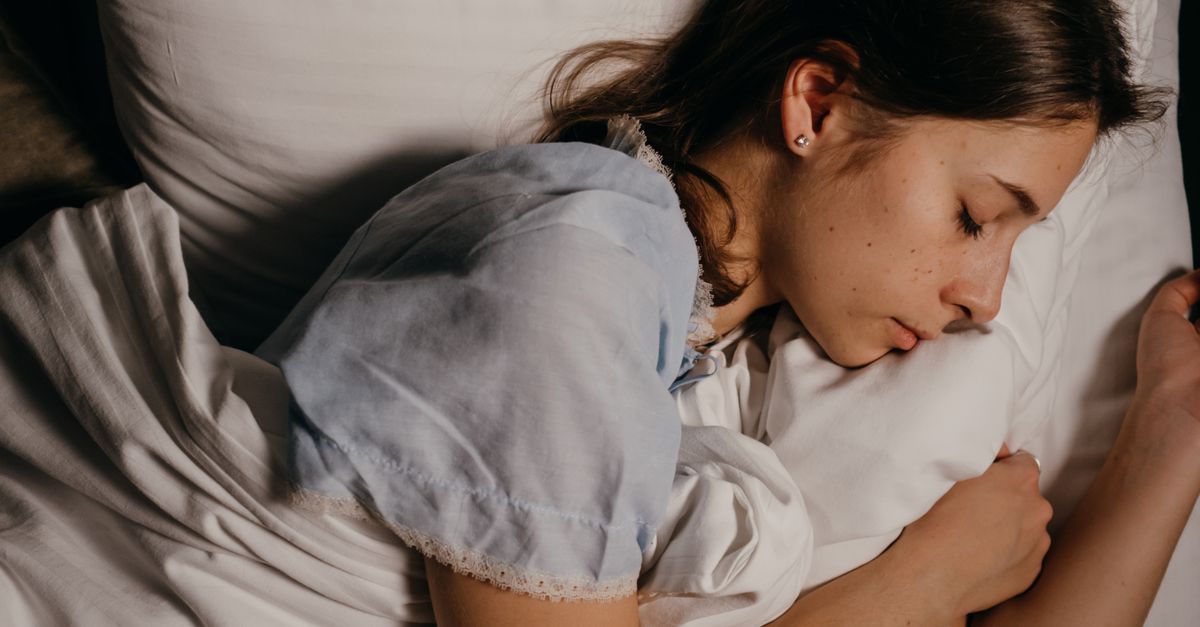
Waking up completely drenched in cold sweat in the middle of the night is a profound physiological event clinically known as nocturnal diaphoresis. This symptom indicates a sudden, intense activation of the sympathetic nervous system during sleep. The body perceives an internal physiological threat—such as a sharp drop in blood sugar, a significant hormonal fluctuation, or an undetected infection—and triggers a massive release of adrenaline. This adrenaline surge commands the eccrine glands to produce a vast volume of sweat, independent of the actual ambient room temperature.
Because this sweating is driven by an internal chemical alarm rather than environmental heat, the body is not actually attempting to cool down from an overheated state. Consequently, as the sweat evaporates in the cool air of the bedroom, the individual wakes up shivering, covered in freezing moisture. This distinction is critical; true cold sweats are a neurological and metabolic reflex, entirely separate from simply wearing too many blankets.
Understanding the root cause of nocturnal diaphoresis requires a systematic clinical evaluation of the body’s major regulatory systems. By investigating glycemic control, endocrine stability, and potential chronic inflammatory states, one can identify the specific physiological trigger causing the autonomic nervous system to misfire so severely during the sleep cycle.
2. Thermoregulation During Sleep
Human thermoregulation operates on a strict circadian rhythm. As the body prepares for sleep in the evening, the core temperature naturally drops by one to two degrees Fahrenheit. This subtle cooling is essential for initiating and maintaining the deep, restorative stages of non-REM sleep. The hypothalamus, the brain’s central thermostat, orchestrates this drop by slightly dilating peripheral blood vessels to release heat.
During normal sleep, the thermoregulatory set-point remains tightly controlled. If the bedroom environment becomes too warm, the body will initiate a slow, mild sweating response to maintain the lower core temperature. This type of environmental sweating leaves a person feeling warm and clammy, but rarely shivering and cold.
Nocturnal diaphoresis bypasses this normal thermoregulatory circuit completely. It is an aberrant autonomic response that forces the sweat glands to fire at maximum capacity regardless of the core temperature. The result is a rapid dumping of fluid onto the skin surface, causing an immediate, severe drop in body temperature due to rapid evaporative cooling.
3. Defining Nocturnal Diaphoresis
Clinically, true night sweats, or nocturnal diaphoresis, must be distinguished from simple overheating. Nocturnal diaphoresis is defined by the severity and the context of the sweating. The sweat production is copious, often requiring the individual to change their pajamas or the bedsheets in the middle of the night.
The key characteristic is the accompanying sensation of intense cold or chills upon waking. Because the sympathetic nervous system triggers vasoconstriction (narrowing of the surface blood vessels) simultaneously with the sweating, the skin feels distinctly cold and clammy to the touch.
This severe presentation is a red flag indicating systemic distress. It is the body’s equivalent of pulling a fire alarm while asleep. The brain detects a critical biochemical deviation and utilizes the most powerful autonomic response available—the fight-or-flight mechanism—to force the individual into a state of acute wakefulness.
4. The Autonomic Nervous System at Night
The autonomic nervous system consists of the sympathetic (fight-or-flight) and parasympathetic (rest-and-digest) divisions. Sleep is normally dominated by parasympathetic tone, allowing the heart rate to slow, blood pressure to drop, and muscles to relax.
When a physiological crisis occurs during sleep, the sympathetic nervous system abruptly hijacks control. It releases a surge of catecholamines, specifically epinephrine and norepinephrine, directly into the bloodstream. These powerful neurotransmitters act instantly on multiple organ systems.
They bind to the receptors on the eccrine sweat glands, commanding them to release a massive volume of fluid. Simultaneously, they accelerate the heart rate and restrict peripheral blood flow. The individual wakes up in a state of high physiological panic, drenched in sweat, with a racing heart, desperately trying to understand the source of the sudden biological terror.
5. Hypoglycemia and Nocturnal Sweating
One of the most dangerous and immediate causes of waking up drenched in cold sweat is nocturnal hypoglycemia, a severe drop in blood glucose levels during sleep. This is exceptionally common in individuals managing diabetes with insulin or insulin-stimulating medications, though it can occur in non-diabetics following heavy alcohol consumption or extreme fasting.
The brain relies exclusively on a steady supply of glucose to survive. If blood sugar drops below a critical threshold during the night, the brain perceives an imminent threat of starvation and coma. In a desperate bid to survive, it triggers a massive release of counter-regulatory hormones, primarily adrenaline and cortisol.
The adrenaline surge serves to force the liver to dump stored glucose into the blood. The byproduct of this life-saving adrenaline surge is a profound, drenching cold sweat, tachycardia, and severe trembling. Waking up in this state requires the immediate consumption of fast-acting carbohydrates to stabilize the central nervous system.
6. Hormonal Fluctuations and Estrogen Shifts
Endocrine instability is a leading cause of severe night sweats, most notably during the perimenopausal and menopausal transitions in women. Estrogen plays a vital role in modulating the hypothalamus and its thermoregulatory set-point.
When estrogen levels fluctuate rapidly or decline steeply, the hypothalamus becomes hypersensitive. It misinterprets normal core body temperatures as being dangerously high. In response to this false signal, the brain triggers an intense vasomotor flush, rapidly dilating blood vessels and initiating a massive sweat response to dump non-existent heat.
While often called hot flashes during the day, these events manifest as drenching night sweats during sleep. The intense sweating rapidly cools the body, leaving the individual waking up freezing cold under soaked sheets. This hormonal etiology is highly specific and often requires targeted endocrine therapy for resolution.
7. Hyperthyroidism and Metabolic Rate
The thyroid gland dictates the baseline metabolic rate of the entire body. Hyperthyroidism, a condition where the thyroid gland overproduces the hormones thyroxine (T4) and triiodothyronine (T3), throws the metabolic engine into overdrive. The body continuously runs at an unnaturally high physiological speed.
This chronic hypermetabolic state generates excess internal heat and keeps the sympathetic nervous system in a state of constant, low-level agitation. During sleep, this agitation frequently breaks through the parasympathetic barrier, resulting in episodes of intense, unprovoked sweating.
Patients with undiagnosed hyperthyroidism often present with a constellation of symptoms alongside the nocturnal cold sweats, including unexplained weight loss, a rapid resting heart rate, severe anxiety, and a fine tremor in the hands.
8. Infectious Causes of Night Sweats
Chronic or occult infections are classical medical culprits for drenching night sweats. When the immune system battles a pathogen, it releases pyrogens—chemicals that raise the body’s internal thermostat, producing a fever to create a hostile environment for the bacteria or virus.
Fevers frequently spike during the evening and night hours due to the natural circadian rhythm of immune cells. As the fever breaks or fluctuates in the middle of the night, the body utilizes copious sweating to rapidly bring the core temperature back down to baseline.
Historically, tuberculosis is the infection most famous for causing profound, drenching night sweats. However, modern clinical evaluations also heavily consider endocarditis (an infection of the heart valves), osteomyelitis (bone infection), and occult abscesses as primary infectious drivers of this severe symptom.
9. Medication-Induced Diaphoresis
A frequently overlooked cause of severe cold sweats is pharmacology. Many common prescription medications possess the potential to alter the autonomic nervous system or disrupt the hypothalamic temperature set-point.
Antidepressants, particularly selective serotonin reuptake inhibitors (SSRIs) and serotonin-norepinephrine reuptake inhibitors (SNRIs), are notorious for causing drug-induced diaphoresis. These medications alter the levels of neurotransmitters that are intricately involved in regulating both mood and sweat gland activity.
Other significant pharmacological triggers include antipyretics (fever reducers like acetaminophen) taken before bed, which can cause a rapid temperature drop and subsequent sweat response, and certain antihypertensive medications that alter peripheral vascular tone.
10. Sleep Apnea and Hypoxia
Obstructive sleep apnea is a pervasive sleep disorder characterized by the repeated collapse of the upper airway, temporarily cutting off oxygen supply to the lungs. These apneic events cause blood oxygen levels to plummet, a state known as nocturnal hypoxia.
The brain detects this sudden lack of oxygen as a critical suffocation event. It immediately triggers a massive sympathetic panic response, flooding the body with adrenaline to force the individual to wake up and gasp for air.
This recurrent adrenaline surge happens dozens or hundreds of times a night. While the individual may not fully wake up to remember the gasping, the immense physiological stress results in a racing heart, elevated blood pressure, and drenching cold sweats by morning.
11. Malignancy and Systemic Illness
In rare but clinically significant instances, drenching night sweats serve as an early warning sign for occult malignancy. Lymphoma, particularly Hodgkin’s lymphoma, is the cancer most strongly associated with severe nocturnal diaphoresis.
Malignant cells, and the immune system’s active response to them, release a complex array of inflammatory cytokines, including tumor necrosis factor and various interleukins. These chemicals act directly on the hypothalamus, causing erratic, severe temperature spikes and subsequent sweating episodes.
When night sweats are driven by malignancy, they are typically persistent and accompanied by other systemic “B symptoms,” including unexplained, significant weight loss, chronic low-grade fevers, and profound, unrelenting fatigue.
12. Anxiety and Night Terrors
Psychological stress and clinical anxiety disorders exert a powerful influence on the autonomic nervous system. Severe daytime stress keeps circulating cortisol and adrenaline levels abnormally high. During the sleep cycle, the brain processes emotional trauma, which can manifest as vivid nightmares or night terrors.
A night terror is a sleep disruption occurring during deep, non-REM sleep. The individual experiences an episode of intense, raw panic, often accompanied by a rapid heart rate, hyperventilation, and profuse, drenching sweating.
Unlike standard nightmares, the person experiencing a night terror may wake up completely drenched in cold sweat, with their heart pounding out of their chest, yet have absolutely no memory of a specific dream or threatening scenario that caused the physical reaction.
13. Recognizing Clinical Red Flags
Because nocturnal cold sweats can range from benign hormonal shifts to life-threatening emergencies, identifying associated red flags is mandatory. If the sweating is accompanied by a sudden, severe headache, chest pain, or difficulty breathing, emergency medical services must be contacted immediately, as this indicates a severe cardiovascular event.
If the individual has diabetes, waking up drenched and confused requires an immediate blood glucose check. A glucose reading below 70 mg/dL confirms dangerous hypoglycemia requiring urgent intervention.
For chronic night sweats occurring over several weeks, the presence of swollen lymph nodes, an unexplained cough, localized bone pain, or unintended weight loss necessitates a comprehensive medical workup to rule out chronic infections or hematologic malignancies.
14. Diagnostic Evaluation of Night Sweats
A clinical investigation of nocturnal diaphoresis is methodical and broad. The clinician will conduct a detailed history, specifically noting the frequency of the sweats, medication changes, and the exact physical environment of the bedroom to rule out simple overheating.
| Diagnostic Modality | Clinical Purpose |
|---|---|
| Fasting Blood Glucose / HbA1c | Evaluates for severe nocturnal hypoglycemia or diabetes. |
| Thyroid Panel (TSH, Free T4) | Rules out hyperthyroidism as a metabolic driver. |
| Complete Blood Count (CBC) | Identifies elevated white blood cells indicative of infection. |
| Polysomnography (Sleep Study) | Detects hidden apneic events and hypoxic adrenaline surges. |
Additional diagnostics may include chest radiographs to screen for tuberculosis or lymphoma, and infectious disease panels for persistent, undiagnosed fevers.
15. Environmental Interventions
While a medical workup is proceeding, implementing environmental controls can help mitigate the severity of the cold sweats. The bedroom temperature should be kept cool, ideally between 60 and 65 degrees Fahrenheit.
Transitioning to moisture-wicking sleepwear and bedding, such as materials made from bamboo or advanced synthetics, prevents the sweat from accumulating and chilling the skin. These fabrics pull the moisture away from the body, allowing it to evaporate slowly without triggering the intense, freezing reflex upon waking.
Patients must strictly avoid consuming alcohol, spicy foods, or caffeine within hours of sleeping. These substances are known physiological triggers that mildly dilate blood vessels and alter the hypothalamic temperature set-point, lowering the threshold for a nocturnal sweat episode.
16. Targeted Medical Management
Medical treatment for cold sweats is entirely dependent on the identified underlying pathology. If hypoglycemia is the culprit, adjusting the timing or dosage of insulin and incorporating a complex carbohydrate snack before bed stabilizes the blood sugar throughout the night.
For hormonally driven diaphoresis, hormone replacement therapy or specific non-hormonal medications, such as low-dose paroxetine or gabapentin, can stabilize the hypothalamic response and effectively eliminate the vasomotor flushing.
If sleep apnea is diagnosed via a sleep study, the implementation of a Continuous Positive Airway Pressure (CPAP) machine physically keeps the airway open. By preventing the hypoxic episodes, the CPAP halts the nocturnal adrenaline surges, frequently curing the drenching night sweats immediately.
17. Frequently Asked Questions FAQ
1. Can a nightmare make me wake up completely drenched in sweat?
Yes. A severe nightmare or a night terror triggers a massive fight-or-flight response in your brain, exactly as if you were facing a physical threat in waking life. Your body dumps adrenaline into your bloodstream, causing your heart to race and your sweat glands to empty completely.
2. Is it normal to have cold sweats after drinking heavily?
Alcohol disrupts your sleep architecture and is metabolized into aldehydes, which are toxic. As your body processes the alcohol, it can cause significant blood sugar drops and rapid vasodilation, resulting in severe, drenching cold sweats during the second half of the night.
3. When should I be worried about night sweats?
You should see a doctor if the night sweats occur regularly for more than two weeks, or if they are accompanied by unexplained weight loss, a lingering cough, persistent low-grade fevers, or swollen lymph nodes. These are red flags for systemic illness.
4. Why do I feel freezing cold after the sweating stops?
The sympathetic nervous system causes you to sweat profusely to respond to an internal alarm. Because your room is cool and you are not actually overheated, the massive volume of water evaporating off your skin drops your core temperature rapidly, leaving you shivering and freezing cold.
18. Bibliography
Disclaimer: The content is for informational purposes only and does not replace medical advice. Always consult your doctor for personalized treatment.