Why Do My Fingertips Go Blue When I Open the Freezer Door?

Why Do My Fingertips Go Blue When I Open the Freezer Door?

1. Introduction Fingertips turning blue upon brief exposure to cold air is a classic sign of an exaggerated vascular response known as peripheral vasoconstriction. In individuals with heightened sensitivity, such as those with Raynaud phenomenon, the small arteries supplying blood to the skin spasm and temporarily restrict blood flow. This sudden lack of oxygenated blood … Read more

Why Does My Lower Jaw Ache When I Drink a Cold Slushie?

Why Does My Lower Jaw Ache When I Drink a Cold Slushie?

1. Introduction The sudden jaw ache experienced when consuming a cold slushie is typically a form of referred pain mediated by the trigeminal nerve. The rapid cooling of the palate or teeth stimulates nerve endings that send intense distress signals to the central nervous system. The brain often misinterprets the exact anatomical location of this … Read more

Why Do My Neck Muscles Feel Tight When I Stare at a Phone Screen?

Why Do My Neck Muscles Feel Tight When I Stare at a Phone Screen?

1. Introduction Looking down at a phone screen significantly increases the gravitational pull on the cervical spine, forcing the neck muscles to work intensely to support the weight of the head. This prolonged, unnatural posture leads to muscle fatigue, microscopic tissue tears, and reduced blood flow in the surrounding structures. Over time, this biomechanical stress … Read more

Why Do I Feel a Weird Sensation Like Water Dripping on My Skin?

Why Do I Feel a Weird Sensation Like Water Dripping on My Skin?

1. Introduction The sensation of water dripping on the skin without any actual moisture present is a specific type of altered nerve function known as paresthesia. This sensory illusion occurs when peripheral sensory nerves misfire and send incorrect electrical signals to the brain regarding temperature or tactile input. The brain misinterprets these faulty signals as … Read more

Why Do My Palms Turn Bright Red After Taking a Warm Bath?

Why Do My Palms Turn Bright Red After Taking a Warm Bath?

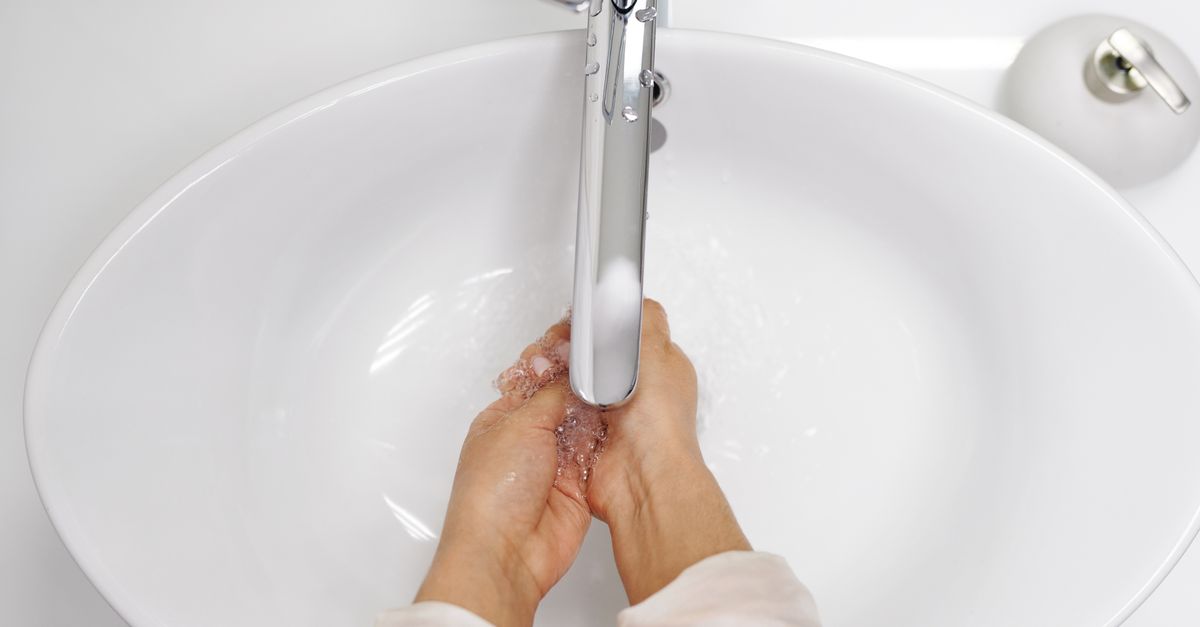
1. Introduction Palmar redness after exposure to warm water is typically a normal physiological response called vasodilation. The warm temperature causes the blood vessels near the surface of the skin to expand in order to increase blood flow and dissipate excess heat. This harmless reaction can sometimes be more pronounced in individuals with sensitive skin … Read more

Radiotherapy Course Change Due to Organ at Risk: Treatment Adaptation

Radiotherapy Course Change Due to Organ at Risk: Treatment Adaptation

1. Introduction A radiotherapy course change due to a change in an “Organ at Risk” (OAR) is a sophisticated clinical intervention that highlights the dynamic precision of modern radiation oncology. An Organ at Risk is any healthy, critical biological structure located precariously close to the targeted malignant tumor. Examples include the spinal cord, the optic … Read more

Radiotherapy Course Change Due to Acute Toxicity: Clinical Management

Radiotherapy Course Change Due to Acute Toxicity: Clinical Management

1. Introduction A radiotherapy course change due to acute radiotherapy toxicity represents a critical juncture in the management of an oncology patient. Radiotherapy is a highly potent treatment modality that utilizes ionizing radiation to eradicate malignant cells by destroying their DNA. While modern delivery systems are exceptionally precise, radiation inevitably affects the healthy, rapidly dividing … Read more

Radiolucency of a Tooth on Plain X-Ray: Causes, Diagnostics, and Management

Radiolucency of a Tooth on Plain X-Ray: Causes, Diagnostics, and Management

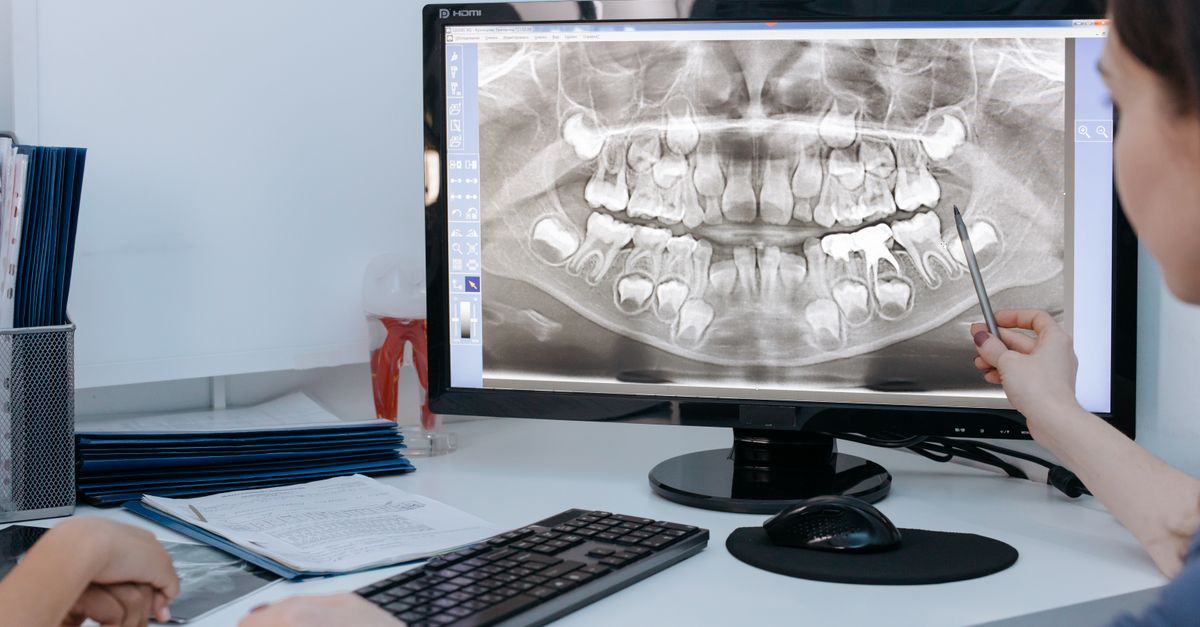
1. Introduction In dental and maxillofacial radiography, the term radiolucency refers to areas on an X-ray film that appear dark or black, indicating that X-ray photons have passed through the tissue with minimal resistance. When a radiolucency is associated with a tooth or its surrounding bony architecture, it serves as a critical diagnostic marker for … Read more

Abnormal Radiology Results: Clinical Interpretation and Next Steps

Abnormal Radiology Results: Clinical Interpretation and Next Steps

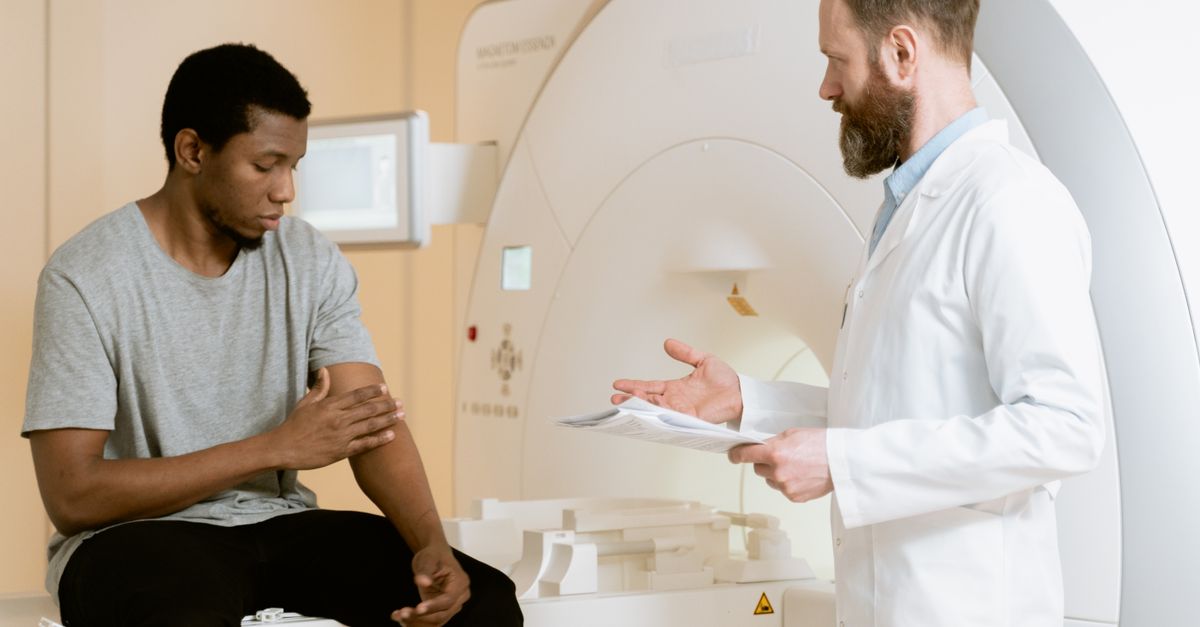
1. Introduction An abnormal radiology result indicates that a medical imaging study—whether an X-ray, ultrasound, computed tomography scan, or magnetic resonance imaging—has detected a structural or physiological deviation from standard human anatomy. While the word “abnormal” frequently triggers immediate anxiety, in clinical practice, it represents a vast spectrum of findings. An abnormality can range from … Read more