Radiographic Lesion Margin Characteristics: Diagnostic Evaluation and Significance

Radiographic Lesion Margin Characteristics: Diagnostic Evaluation and Significance
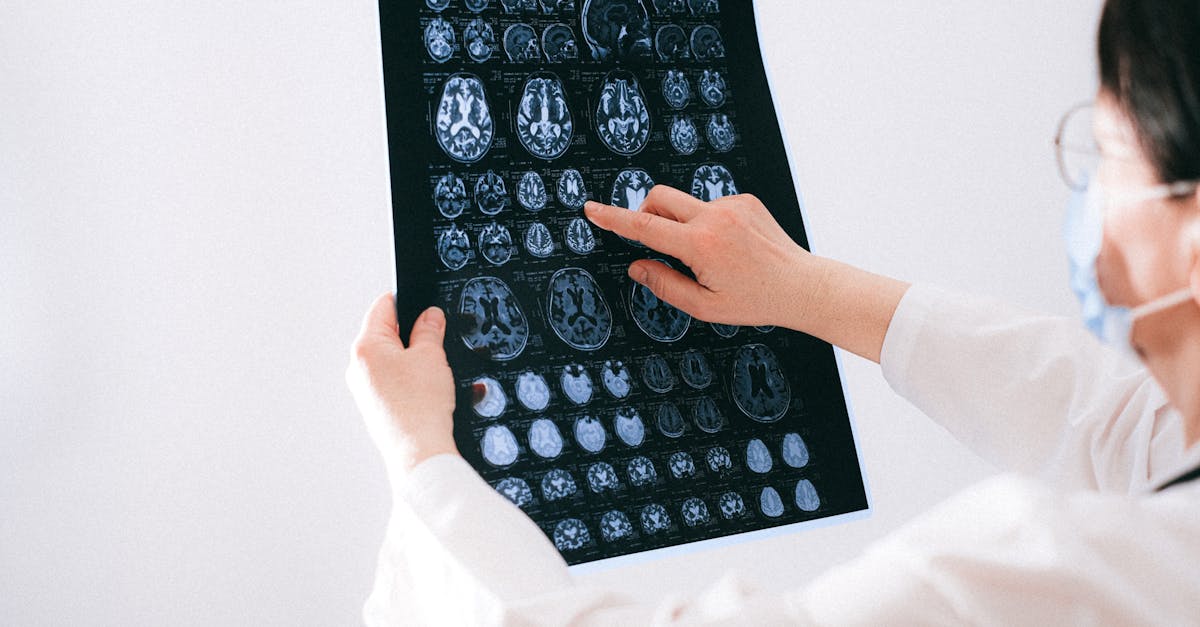
1. Introduction Radiographic lesion margin characteristics refer to the specific visual borders and transitional zones between a detected abnormality and the surrounding healthy tissue on medical imaging. When a radiologist evaluates a lesion, analyzing its margin is the most crucial step in determining whether the process is benign, aggressive, or malignant. A slow-growing, benign lesion … Read more


Individual Calcification on Medical Imaging: Clinical Evaluation and Significance

Individual Calcification on Medical Imaging: Clinical Evaluation and Significance

1. Introduction The discovery of an individual calcification on a medical imaging report frequently initiates a cascade of patient anxiety and clinical investigation. In the highly detailed realm of modern radiology, standard X-rays, computed tomography scans, and mammograms routinely capture microscopic anatomical details, including isolated, solitary deposits of calcium within soft tissues. Unlike clustered or … Read more

Radiographic Vascular Calcification: Mechanisms, Detection, and Cardiovascular Risk

Radiographic Vascular Calcification: Mechanisms, Detection, and Cardiovascular Risk

1. Introduction Vascular calcification is a frequent and clinically profound finding on radiographic imaging, characterized by the abnormal deposition of calcium-phosphate complexes within the walls of the body’s blood vessels. Historically dismissed as an inevitable, passive consequence of advanced age, modern vascular biology has radically redefined this process. Vascular calcification is now recognized as a … Read more

Calcified Suture Material: Radiological Findings and Clinical Significance

Calcified Suture Material: Radiological Findings and Clinical Significance

1. Introduction The identification of calcified suture material during routine medical imaging is a frequent and entirely benign incidental finding. Following any surgical procedure, the materials used to approximate and secure tissues remain within the body until they are absorbed or permanently encapsulated. Over time, these foreign materials can undergo a specific biological process known … Read more

Calcified Skin of the Breast: Causes, Imaging, and Clinical Management

Calcified Skin of the Breast: Causes, Imaging, and Clinical Management

1. Introduction Calcified skin of the breast refers to the presence of distinct calcium deposits situated exclusively within the dermal and epidermal layers of the breast envelope. When a patient undergoes a routine mammogram, these superficial calcifications frequently appear on the radiographic image. Because mammography compresses a three-dimensional organ into a flat, two-dimensional picture, calcifications … Read more

Amorphous Calcification in Breast Imaging: Diagnostic Significance

Amorphous Calcification in Breast Imaging: Diagnostic Significance

1. Introduction Amorphous calcification refers to tiny, indistinct calcium deposits identified within breast tissue during radiological screening. Unlike distinctly shaped mineral deposits, these calcifications lack a clearly defined morphological structure. They appear hazy, faint, and lack sharp borders, resembling powdered sugar or small clouds scattered across the mammogram. Due to their indistinct nature, the exact … Read more

Why Does My Vision Get Blurry for a Few Seconds When I Blow My Nose Hard?

Why Does My Vision Get Blurry for a Few Seconds When I Blow My Nose Hard?

1. Introduction Your vision gets blurry for a few seconds when you blow your nose hard due to a physiological response known as the Valsalva maneuver, which causes a sudden, transient spike in intraocular and intracranial pressure. The forceful exhalation against a closed nasal passage restricts venous blood returning from the head to the heart, … Read more

Why Do I Get a Sharp Pain in My Right Hip Joint When Getting Out of Bed?

Why Do I Get a Sharp Pain in My Right Hip Joint When Getting Out of Bed?

1. Introduction Getting a sharp pain in your right hip joint when getting out of bed is typically caused by the overnight stagnation of synovial fluid within a joint affected by early osteoarthritis or localized inflammation like trochanteric bursitis. While sleeping, the lack of movement prevents the natural lubrication of the articular cartilage, causing the … Read more

Why Does My Stomach Start Gurgling Loudly When I Get Nervous?

Why Does My Stomach Start Gurgling Loudly When I Get Nervous?

1. Introduction Your stomach starts gurgling loudly when you get nervous because the brain-gut axis instantly alters gastrointestinal motility in response to psychological stress. The release of stress hormones like adrenaline and cortisol triggers the enteric nervous system, accelerating peristalsis and forcing fluid and gas through the intestines at a rapid, chaotic pace. This accelerated … Read more

Why Do My Calf Muscles Feel Tight and Tender to the Touch After Sleeping?

Why Do My Calf Muscles Feel Tight and Tender to the Touch After Sleeping?

1. Introduction Your calf muscles feel tight and tender to the touch after sleeping due to the natural resting posture of the foot during the night, which keeps the gastrocnemius and soleus muscles in a prolonged shortened position. This sustained contraction, combined with overnight dehydration or localized lactic acid accumulation, causes the fascial connective tissue … Read more