Peripheral Corneal Epithelial Staining Patterns: Diagnostic Ophthalmology and Anterior Segment Pathologies
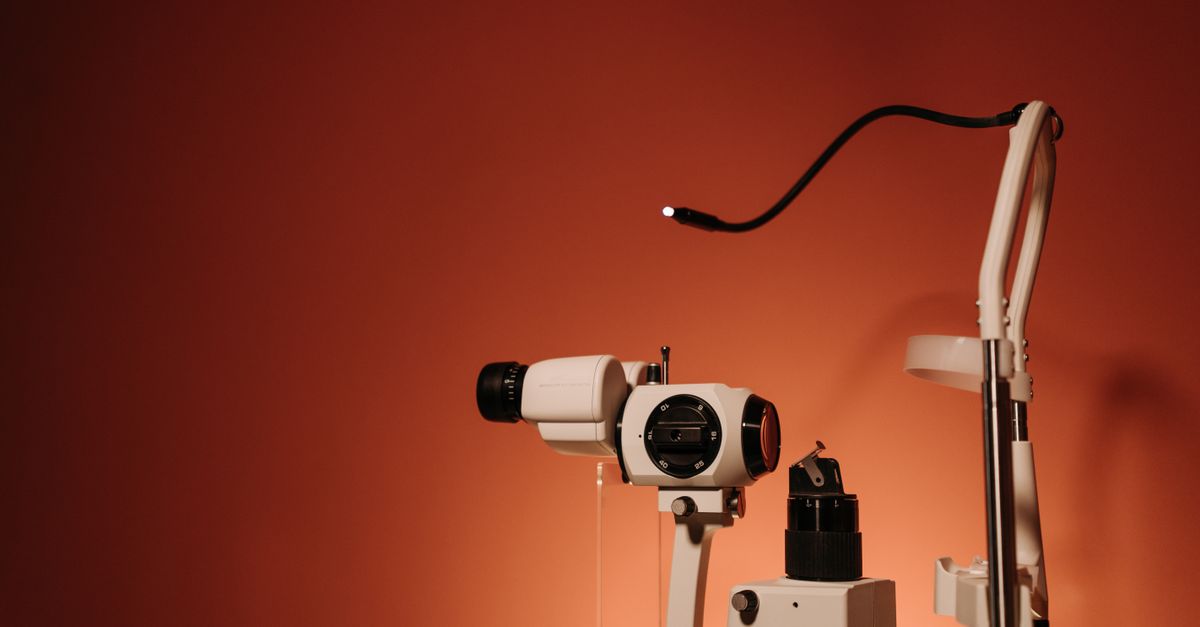
Peripheral Corneal Epithelial Staining Patterns: Diagnostic Ophthalmology and Anterior Segment Pathologies

1. Introduction A peripheral corneal epithelial staining pattern is a critical diagnostic finding in clinical ophthalmology, utilized to assess the structural integrity of the ocular surface. The cornea, the transparent, avascular dome serving as the eye’s primary refractive element, is protected by a continuous layer of stratified squamous epithelium. When this delicate epithelial barrier is … Read more


Periodic Limb Movement Disorder in Sleep: Pathophysiology and Neurological Management

Periodic Limb Movement Disorder in Sleep: Pathophysiology and Neurological Management

1. Introduction Periodic Limb Movements of Sleep (PLMS) constitutes a distinct neurological sleep phenomenon characterized by repetitive, highly stereotyped, and rhythmic movements of the lower extremities during the sleep cycle. When these involuntary movements occur with sufficient frequency to cause severe sleep fragmentation and profound daytime fatigue, the clinical diagnosis of Periodic Limb Movement Disorder … Read more

Period Pain (Dysmenorrhea): Pathophysiology, Diagnosis, and Clinical Management

Period Pain (Dysmenorrhea): Pathophysiology, Diagnosis, and Clinical Management

1. Introduction Period pain, clinically termed dysmenorrhea, is the most common gynecological complaint among individuals of reproductive age. It is characterized by cramping, spasmodic pain in the lower abdomen that occurs immediately before or during menstruation. For a significant portion of the population, period pain is mild and manageable. However, for many others, it manifests … Read more

Perineural Invasion Finding: Pathological Significance and Oncological Management

Perineural Invasion Finding: Pathological Significance and Oncological Management

1. Introduction A perineural invasion finding on an oncological pathology report designates a critical biological shift in the behavior of a malignant tumor. It indicates that cancer cells have actively penetrated the connective tissue sheaths surrounding a peripheral nerve. Rather than simply expanding into adjacent soft tissue, the tumor has utilized the local nervous system … Read more

Can taking antidepressants cause severe night sweats and vivid dreams?

Can taking antidepressants cause severe night sweats and vivid dreams?

1. Introduction Yes, taking certain classes of antidepressants can frequently cause both severe night sweats and intensely vivid dreams. These medications, particularly Selective Serotonin Reuptake Inhibitors (SSRIs) and Serotonin-Norepinephrine Reuptake Inhibitors (SNRIs), are designed to fundamentally alter the neurochemistry of the brain to alleviate depressive symptoms. However, the neurotransmitters they manipulate—specifically serotonin and norepinephrine—serve multiple … Read more

Can a severe tooth infection spread to the brain?

Can a severe tooth infection spread to the brain?

1. Introduction Yes, a severe, untreated tooth infection can definitively spread to the brain, presenting a rapidly progressing and life-threatening medical emergency. The human oral cavity, particularly the roots of the upper teeth, sits in dangerously close anatomical proximity to the sinus cavities, the base of the skull, and a complex network of major facial … Read more

Can drinking green tea on an empty stomach cause extreme nausea?

Can drinking green tea on an empty stomach cause extreme nausea?

1. Introduction Yes, drinking green tea on an empty stomach can cause extreme nausea and significant gastrointestinal distress. Green tea contains high concentrations of tannins, which are naturally occurring astringent compounds belonging to a broader class of polyphenols. When introduced directly to an empty stomach, these tannins rapidly stimulate the overproduction of gastric acid and … Read more

Can an underactive thyroid cause extreme sensitivity to cold?

Can an underactive thyroid cause extreme sensitivity to cold?

1. Introduction Yes, an underactive thyroid, clinically known as hypothyroidism, is a primary cause of extreme sensitivity to cold temperatures. The thyroid gland acts as the body’s master internal thermostat by regulating the basal metabolic rate. When it fails to produce adequate amounts of thyroid hormones, the rate at which every cell in the body … Read more

Can wearing headphones all day cause an outer ear infection?

Can wearing headphones all day cause an outer ear infection?

1. Introduction Yes, wearing headphones all day can significantly increase the risk of developing an outer ear infection, medically known as otitis externa. Prolonged use creates a dark, warm, and moist environment within the ear canal, which serves as the ideal breeding ground for bacterial and fungal overgrowth. The constant physical presence of the device … Read more