Normal Childhood Development: Milestones, Growth, and Pediatric Assessment

Normal Childhood Development: Milestones, Growth, and Pediatric Assessment
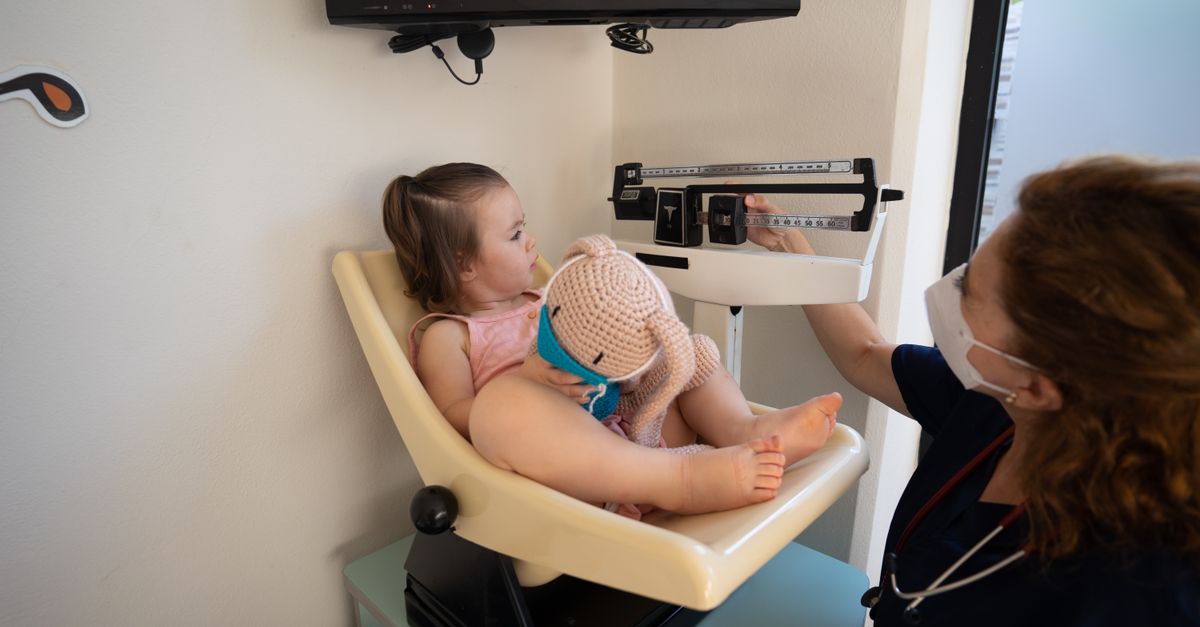
1. Introduction Normal childhood development encompasses the predictable sequence of physical, cognitive, linguistic, and social-emotional milestones a child reaches from infancy through adolescence. While every child matures at a unique physiological pace, establishing baseline developmental trajectories helps pediatricians identify early signs of neurological or physical delays. Development is not merely linear growth; it is the … Read more

Normal Cardiovascular Function: The Vascular Network and Systemic Circulation

Normal Cardiovascular Function: The Vascular Network and Systemic Circulation

1. Introduction Normal cardiovascular function is the continuous, efficient circulation of blood through the heart and a vast network of blood vessels, delivering essential oxygen while removing metabolic waste. It relies on the dynamic elasticity of arteries, healthy endothelial linings, and precise autonomic regulation to maintain stable blood pressure across all organ systems. While the … Read more

Normal Cardiac Output: Physiology, Measurement, and Hemodynamic Balance

Normal Cardiac Output: Physiology, Measurement, and Hemodynamic Balance

1. Introduction Normal cardiac output is the total volume of blood the heart pumps through the systemic circulation in one minute, typically ranging from four to eight liters per minute in a healthy resting adult. This measurement is one of the most critical indicators of cardiovascular health, representing how well the heart meets the metabolic … Read more

Normal Cardiac Function: Anatomy, Mechanics, and Clinical Assessment

Normal Cardiac Function: Anatomy, Mechanics, and Clinical Assessment

1. Introduction Normal cardiac function refers to the ability of the heart to efficiently pump oxygenated blood to the body and deoxygenated blood to the lungs without excessive strain. It requires a perfectly synchronized electrical and mechanical cycle to maintain optimal circulation both at rest and during physical exertion. The heart acts as a dual-pump … Read more

Can a hiatal hernia cause intense heart palpitations?

Can a hiatal hernia cause intense heart palpitations?

1. Introduction A hiatal hernia can indeed cause intense heart palpitations through direct mechanical compression of the heart and profound irritation of the vagus nerve. When the upper portion of the stomach protrudes abnormally through the diaphragm into the chest cavity, it occupies space directly adjacent to the pericardium and the posterior wall of the … Read more

What does a burning sensation down the center of the chest indicate?

What does a burning sensation down the center of the chest indicate?

1. Introduction A burning sensation down the center of the chest primarily indicates gastroesophageal reflux disease, a condition where stomach acid forcefully flows backward into the esophagus, chemically irritating its delicate mucosal lining. However, because the esophagus and the heart share converging neural sensory pathways, this identical burning symptom can also indicate myocardial ischemia, a … Read more

How to stop a sharp catching pain in the chest when breathing deeply?

How to stop a sharp catching pain in the chest when breathing deeply?

1. Introduction To stop a sharp catching pain in the chest when breathing deeply, one must first identify whether the cause is a benign musculoskeletal issue like precordial catch syndrome or an inflammatory condition of the lung lining known as pleurisy. Immediate relief for localized musculoskeletal pain often involves taking shallow breaths followed by a … Read more

What causes the rib muscles to spasm uncontrollably?

What causes the rib muscles to spasm uncontrollably?

1. Introduction Uncontrollable spasms in the rib muscles, formally known as intercostal muscle spasms, are typically caused by acute mechanical strain, dehydration, electrolyte imbalances, or underlying neurological irritation such as intercostal neuralgia. When these small muscles situated between the ribs are overstretched by sudden twisting or prolonged coughing, they reflexively lock down in a painful … Read more

Can sleeping on your stomach cause severe lower back pain in the morning?

Can sleeping on your stomach cause severe lower back pain in the morning?

1. Introduction Sleeping on the stomach can absolutely cause severe lower back pain in the morning by forcing the lumbar spine into an unnatural, exaggerated arch known as hyperlordosis. This sleep position places prolonged compressive stress on the posterior spinal structures, specifically the facet joints and intervertebral discs, while continuously straining the surrounding paraspinal muscles. … Read more

Normal Capillary Filling: Clinical Assessment and Vascular Health

Normal Capillary Filling: Clinical Assessment and Vascular Health

1. Introduction Normal capillary filling time is a rapid, fundamental clinical sign used to evaluate the efficiency of the peripheral microcirculation. It measures the time required for color to return to an external capillary bed, usually a fingernail bed, after pressure has been applied to intentionally cause blanching (whitening) of the tissue. This simple, non-invasive … Read more