How to relieve the extreme itchiness of a healing surgical scar?

How to relieve the extreme itchiness of a healing surgical scar?
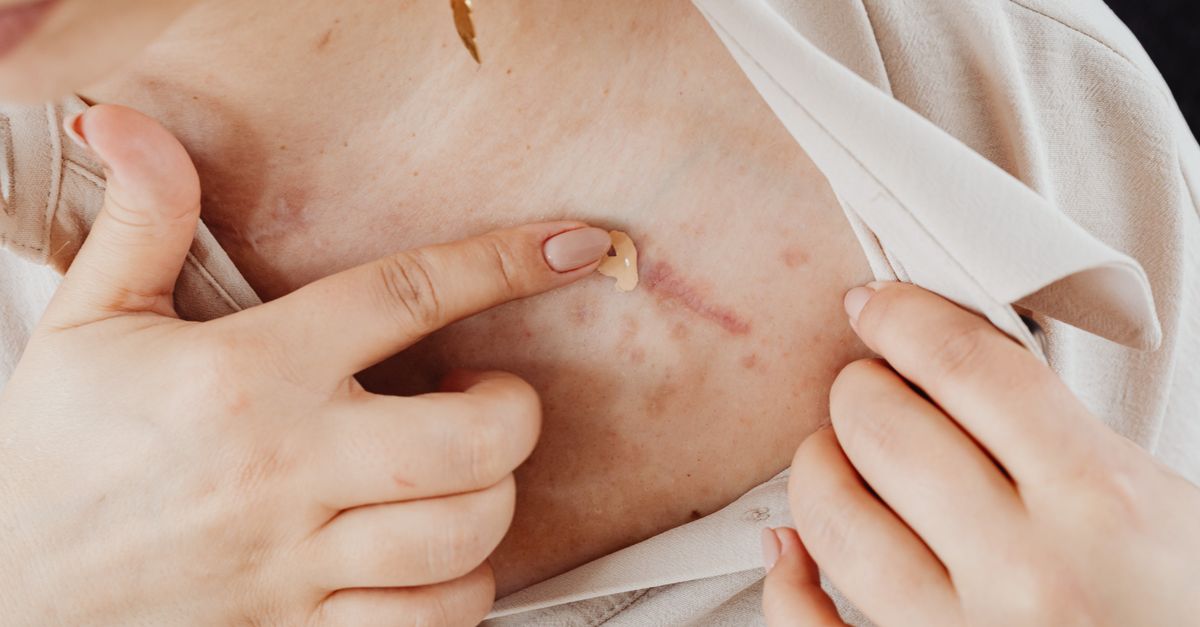
1. Introduction To relieve the intense itchiness of a healing surgical scar, one must restore the compromised moisture barrier of the newly formed epidermis and suppress the localized release of inflammatory histamines. Utilizing medical grade silicone gel sheets flattens the collagen matrix and seals in profound hydration, effectively silencing the hyperactive nerve endings within the … Read more

What causes massive bruises to appear without any trauma?

What causes massive bruises to appear without any trauma?

1. Introduction Large bruises appearing without any preceding trauma point toward an underlying coagulopathy, a significant platelet disorder, or pronounced vascular fragility. A bruise, medically termed an ecchymosis, occurs when small blood vessels rupture and leak red blood cells into the subcutaneous tissue. Under normal conditions, minor capillary leaks are instantly sealed by the body’s … Read more

Can iron deficiency cause severe restless leg syndrome?

Can iron deficiency cause severe restless leg syndrome?

1. Introduction Iron deficiency can indeed cause severe restless leg syndrome, as iron serves as an absolute, non negotiable cofactor in the brain’s production of dopamine. When central nervous system iron stores become depleted, the complex dopamine signaling pathways within the basal ganglia begin to malfunction. This neurological miscommunication directly triggers the irresistible, agonizing urge … Read more

What does a continuous tingling in the feet and toes mean?

What does a continuous tingling in the feet and toes mean?

1. Introduction A continuous tingling in the feet and toes typically indicates peripheral neuropathy, a condition where the delicate nerve endings in the extremities suffer structural or metabolic damage. The most common driver of this sensory dysfunction is chronic hyperglycemia stemming from diabetes mellitus, though vitamin deficiencies and localized nerve compression also frequently play a … Read more

Nervous System Disorders: Causes, Symptoms, and Diagnosis

Nervous System Disorders: Causes, Symptoms, and Diagnosis

1. Introduction to Nervous System Disorders Nervous system disorders encompass a vast and complex array of medical conditions that disrupt the delicate anatomy and physiological function of the brain, spinal cord, and peripheral nerves. The nervous system is the ultimate command and communication network of the human body. When pathological processes interfere with its structural … Read more

Normal Nervous System: Anatomy, Function, and Clinical Evaluation

Normal Nervous System: Anatomy, Function, and Clinical Evaluation

1. Introduction to the Nervous System The human nervous system is the most complex, highly organized, and vital regulatory system within the human body. Serving as the biological command center, it is responsible for detecting environmental changes, processing sensory information, and executing precise motor responses. A normal, healthy nervous system functions with seamless efficiency, allowing … Read more

Neonatal Seizures: Causes, Symptoms, and Treatment

Neonatal Seizures: Causes, Symptoms, and Treatment

1. Introduction to Neonatal Seizures Neonatal seizures represent the most frequent neurological emergency in the first four weeks of life. They occur when an abnormal, excessive, and highly synchronized discharge of electrical activity disrupts the developing cerebral cortex. Unlike seizures in older children or adults, which often present with dramatic, whole-body convulsions, neonatal seizures are … Read more

G6PD Deficiency and Neonatal Jaundice: Causes, Symptoms, and Treatment

G6PD Deficiency and Neonatal Jaundice: Causes, Symptoms, and Treatment

1. Introduction to G6PD Deficiency in Newborns Neonatal jaundice is a common clinical presentation, typically resolving as the infant’s liver matures. However, when jaundice appears abruptly, escalates rapidly, or reaches dangerous levels, clinicians must investigate underlying pathological causes. One of the most significant and globally prevalent causes of severe neonatal hyperbilirubinemia is Glucose-6-Phosphate Dehydrogenase (G6PD) … Read more

Breast Milk Jaundice: Causes, Symptoms, and Treatment

Breast Milk Jaundice: Causes, Symptoms, and Treatment

1. Introduction to Breast Milk Jaundice Breast milk jaundice is a common, generally benign condition characterized by the prolonged yellowing of a newborn’s skin and sclera (the whites of the eyes). It specifically occurs in healthy, thriving, full-term infants who are exclusively breastfed. The yellow discoloration is the physical manifestation of hyperbilirubinemia, an excess of … Read more

How to Stop Foot Cramps That Curl the Toes Downward?

How to Stop Foot Cramps That Curl the Toes Downward?

1. Introduction To stop foot cramps that curl the toes downward, one must immediately perform an active upward stretch of the toes and ankle, while concurrently addressing systemic dehydration and muscular fatigue. A toe-curling cramp is a severe, involuntary spasm of the intrinsic foot muscles and the deep flexor muscles of the calf. When these … Read more