1. Introduction
To stop foot cramps that curl the toes downward, one must immediately perform an active upward stretch of the toes and ankle, while concurrently addressing systemic dehydration and muscular fatigue. A toe-curling cramp is a severe, involuntary spasm of the intrinsic foot muscles and the deep flexor muscles of the calf. When these muscles become biochemically depleted or neurologically hyperactive, they lock into a state of continuous, unyielding contraction, forcefully dragging the toes toward the sole of the foot.
These spasms are intensely painful because the muscle fibers are contracting with maximum force without the normal physiological release mechanism. The foot contains dozens of small, highly complex muscles operating within tight fascial compartments. Due to their location at the farthest point of the circulatory system, they are uniquely vulnerable to sudden drops in electrolyte concentration, blood flow restriction, and localized oxygen deprivation.
Silencing an acute cramp relies on instantly breaking the neurological feedback loop via mechanical stretching. However, preventing these terrifying, painful episodes from returning requires a comprehensive medical approach. Identifying whether the underlying trigger is profound dehydration, ill-fitting footwear, mechanical exhaustion, or a peripheral nerve compression dictates the specific long-term therapy required to restore neuromuscular stability to the foot.
2. The Anatomy of Toe Flexors
Understanding why the toes curl downward requires a brief look at the anatomy of the foot and lower leg. The forceful curling action is driven by two primary muscle groups. The extrinsic flexors, specifically the flexor digitorum longus and the flexor hallucis longus, originate deep within the back of the calf, run behind the inner ankle bone, and anchor to the tips of the toes.
The intrinsic flexors, such as the flexor digitorum brevis, are situated entirely within the sole of the foot. These muscles act together to grip the ground, propel the body forward during walking, and maintain the arch of the foot against gravity.
Because these muscles are highly active during every step and must constantly perform fine motor adjustments for balance, they undergo immense metabolic demand. When a cramp occurs, it is typically these specific flexor muscles that lock up, overpowering the weaker extensor muscles on the top of the foot and forcefully burying the toes into a curled, claw-like position.
3. Physiology of a Muscle Cramp
A muscle cramp, medically known as a muscle spasm, is a sudden, involuntary, and sustained contraction of skeletal muscle fibers. Under normal circumstances, muscle contraction is a highly controlled biochemical event initiated by an electrical signal from a motor nerve.
The electrical signal causes calcium to flood the muscle cells, initiating the contraction. To relax, the muscle cell requires adenosine triphosphate, the cellular energy currency, to actively pump the calcium back out and uncouple the muscle fibers.
If the muscle is profoundly fatigued or deprived of adequate oxygen and nutrients, the cell runs out of the energy required to complete the relaxation phase. The fibers remain chemically locked together. Simultaneously, the localized pain receptors detect the buildup of acidic metabolic waste and send distress signals to the spine, which paradoxically causes the spinal cord to send more contraction signals, locking the toe flexors in a vicious, painful loop.
4. Dehydration and Electrolyte Imbalances
Systemic dehydration and electrolyte depletion are the most frequent triggers for sudden toe-curling cramps, especially during the summer months or following intense physical exertion. Electrolytes, most notably sodium, potassium, magnesium, and calcium, conduct the electrical impulses that control muscle function.
When an individual sweats profusely, they lose substantial amounts of fluid and sodium. As the fluid volume in the blood drops, the concentration of these critical electrolytes in the fluid surrounding the muscle cells becomes highly unstable. The nerve endings in the foot become hyper-excitable, lowering the threshold required to trigger a contraction.
A deficiency in magnesium is particularly notorious for causing nocturnal foot and calf cramps. Magnesium plays a direct role in blocking calcium entry into muscle cells, naturally promoting relaxation. When magnesium levels plummet, the muscle cells are overwhelmed by calcium, resulting in tetanic, toe-curling spasms that jolt patients awake from deep sleep.
5. Neuromuscular Fatigue from Overuse
Mechanical exhaustion is a primary driver of foot cramps. The intrinsic muscles of the foot are relatively small, yet they must support the entire weight of the body. Activities that place unaccustomed demand on these muscles rapidly deplete their cellular energy reserves.
Starting a new running program, walking long distances on soft sand, or switching from supportive shoes to unsupportive sandals forces the tiny muscles in the sole of the foot to work exponentially harder to stabilize the arch.
As these muscles exhaust their glycogen stores, they lose the ability to smoothly contract and relax. The localized buildup of lactic acid alters the tissue pH, highly irritating the motor nerves. This neuromuscular fatigue virtually guarantees that the overworked flexor muscles will lock into a severe spasm as soon as the activity stops and the foot comes to rest.
6. Restless Legs and Nocturnal Cramps
Toe-curling cramps that occur predominantly at night must be carefully differentiated from restless legs syndrome. Nocturnal cramps are acute, intensely painful physical spasms that visibly distort the foot. They are often triggered by the foot resting in a plantarflexed, pointed-down position under heavy blankets, which places the flexor muscles in their most shortened, cramp-prone state.
Restless legs syndrome, conversely, is a neurological disorder characterized by an overwhelming, uncomfortable urge to move the legs, often described as a creeping or crawling sensation deep within the tissues. It rarely involves sudden, rigid muscle locking or sharp pain.
Managing nocturnal foot cramps requires keeping the blankets loose around the feet and performing specific calf and foot stretches immediately before getting into bed to manually lengthen the flexor tendons and calm the hyperactive motor neurons.
7. Footwear Deficits and Biomechanical Strain
Ill-fitting footwear is a chronic mechanical stressor that frequently precipitates severe foot cramping. Shoes with a narrow, restrictive toe box physically squeeze the toes together, inhibiting the normal, widespread function of the intrinsic foot muscles.
High heels are particularly detrimental. Wearing heels forces the foot into extreme plantarflexion, continuously shortening the calf muscles and the toe flexors while simultaneously throwing the entire body weight forward onto the delicate metatarsal heads. The foot muscles must maintain a constant, exhausted isometric contraction just to balance the body.
When the high heels are finally removed, the exhausted, chronically shortened muscles often spasm violently in response to the sudden change in mechanical tension. Transitioning to footwear with a wide toe box, adequate arch support, and a zero-drop heel allows the foot musculature to function naturally without entering ischemic fatigue.
8. Peripheral Neuropathy and Nerve Compression
If the toe cramps are frequent and accompanied by burning pain, numbness, or a tingling sensation resembling pins and needles, the underlying cause is likely neurological rather than muscular. Peripheral neuropathy, most commonly resulting from diabetes mellitus, damages the fragile nerves in the extremities.
Damaged nerves misfire chaotically, sending sudden, unprovoked contraction signals to the foot muscles. Because the nerve itself is failing, stretching or hydrating will not provide lasting relief from these specific spasms.
Localized nerve entrapment, such as tarsal tunnel syndrome on the inside of the ankle, can also cause the toes to curl. When the posterior tibial nerve is compressed beneath the ankle bone, it directly irritates the motor branches supplying the toe flexors. For further insight into nerve entrapment sensations, reviewing ulnar nerve tingling provides relevant neurological context on how compressed nerves behave.
9. Structured Data: Common Triggers of Toe Cramping
The following table outlines the distinct clinical factors that trigger toe-curling cramps to assist in targeted prevention strategies.
| Trigger Mechanism | Primary Underlying Cause | Distinguishing Features |
|---|---|---|
| Electrolyte Depletion | Low magnesium, potassium, or sodium | Sudden spasms after heavy sweating or systemic illness |
| Muscular Fatigue | Overuse or unsupportive footwear | Cramps following a long day of standing or new exercise |
| Nocturnal Posture | Sleeping with toes pointed downward | Awakening with severe, rigid curling under heavy blankets |
| Peripheral Neuropathy | Diabetic nerve damage | Spasms accompanied by burning, numbness, or tingling |
10. Immediate Stretching and Relief Techniques
When a sudden toe-curling cramp strikes, the immediate clinical objective is to physically overpower the spasm and break the neurological feedback loop. The patient must instantly force the muscle to lengthen.
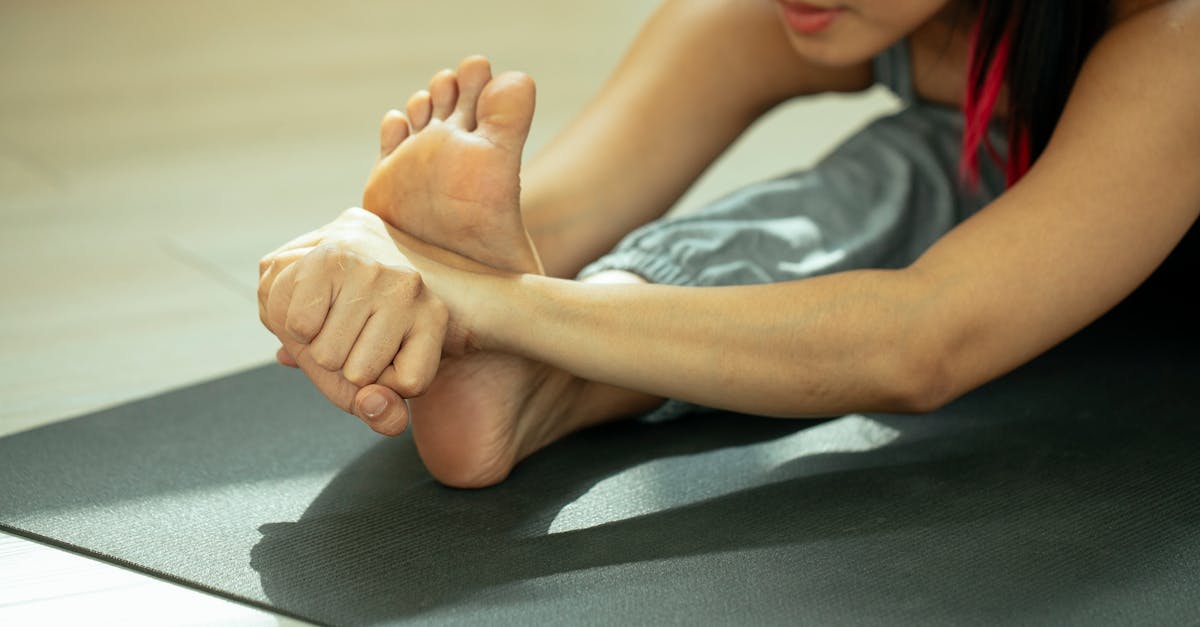
Grasp the toes firmly with the hand and forcefully pull them upward, bending them back toward the shin in a motion called dorsiflexion. Hold this aggressive stretch continuously. Do not release the stretch until the rigid tension in the sole of the foot completely dissolves.
If the calf is also cramping, standing up and placing the entire body weight on the flat foot forces the Achilles tendon and calf muscles to stretch maximally. Standing breaks the spasm much faster than attempting to massage the locked muscle while lying down.
11. Hydration and Nutritional Corrections
Preventing recurrent spasms relies heavily on maintaining strict internal biochemical balance. Daily, consistent hydration is paramount. Drinking adequate water ensures a sufficient blood volume to carry oxygen to the distant foot muscles and flush out irritating metabolic waste products.
For athletes or those working in hot environments, replacing lost electrolytes is more critical than simply drinking plain water. Consuming an oral rehydration solution containing sodium and potassium directly stabilizes the hyper-excitable muscle membranes.
If nighttime cramps are a frequent occurrence, a physician may recommend a magnesium supplement before bed. Magnesium acts as a potent, natural muscle relaxant at the cellular level. Dietary inclusion of potassium-rich foods, such as bananas, avocados, and sweet potatoes, ensures the nervous system has the minerals necessary to transmit clean, orderly electrical signals.
12. Deep Tissue Massage and Myofascial Release
Chronic foot cramps are often the result of sticky, restrictive fascia and tight muscle knots within the sole of the foot. Myofascial release techniques physically break apart these adhesions, restoring normal elasticity and blood flow to the tissue.
A highly effective daily intervention involves rolling the arch of the barefoot over a dense lacrosse ball or a frozen water bottle for five minutes. The patient should apply deep, sustained downward pressure, seeking out the tender knots within the plantar fascia and the flexor digitorum brevis.
This localized, deep tissue massage forces fresh arterial blood into the ischemic tissue, relaxes the tense muscle fibers, and stretches the tight fascial wrapping, drastically reducing the likelihood of a spasm occurring later that night.
13. Pharmacological Considerations
For patients suffering from severe, intractable nocturnal cramps that destroy sleep quality and fail to respond to stretching and hydration, pharmacological management may be considered. However, medications are used strictly as a last resort due to potential systemic side effects.
Historically, quinine was prescribed for severe leg cramps, but the FDA strictly advises against its use for this purpose due to severe cardiovascular and hematological risks. Currently, physicians may occasionally prescribe a short course of skeletal muscle relaxants, such as cyclobenzaprine, to depress the central nervous system’s motor output and allow the hyperactive muscles to rest.
If the cramping is driven by diabetic peripheral neuropathy, medications specifically designed to stabilize nerve membranes, such as gabapentin or pregabalin, are utilized to quiet the chaotic electrical misfiring causing the spasms.
14. Strengthening Intrinsic Foot Muscles
A weak muscle is far more prone to fatigue and subsequent cramping than a strong muscle. Therefore, strengthening the intrinsic muscles of the foot is a vital preventative strategy.
Towel scrunches are a fundamental rehabilitation exercise. The patient places a small towel flat on the floor, rests their bare foot on it, and uses their toes to actively grip and pull the towel toward their heel. This directly strengthens the precise flexor muscles that are prone to cramping, increasing their endurance capacity.
Practicing toe splaying—attempting to actively spread all five toes as far apart as possible without curling them—improves the neuromuscular control and dexterity of the foot, ensuring the muscles fire in coordinated harmony rather than erratic spasms.
15. When to Consult a Healthcare Professional
While occasional foot cramps are a normal, benign response to fatigue or dehydration, a persistent pattern requires medical evaluation. A patient must seek clinical assessment if the toe-curling cramps occur daily, cause severe lingering muscle pain the following day, or profoundly disrupt sleep patterns.
Immediate medical attention is warranted if the cramping is accompanied by distinct muscle weakness, visible muscle wasting (atrophy) in the foot or calf, or progressive numbness, as these are critical indicators of an advancing neurological disease or spinal cord compression.
Furthermore, if the spasms are accompanied by significant swelling, changes in skin color, or cold feet, a physician must urgently evaluate the patient for peripheral artery disease or a dangerous deep vein thrombosis choking off the blood supply to the extremity.
16. Frequently Asked Questions (FAQ)
1. Should I point my toes to stretch my foot when it cramps?
Absolutely not. Pointing your toes downward (plantarflexion) is exactly what causes the flexor muscles to shorten and cramp. To break the spasm, you must pull your toes forcefully upward toward your shin to stretch the locked muscles.
2. Does drinking pickle juice really stop muscle cramps?
Yes. Clinical studies suggest that the high sodium and vinegar content in pickle juice triggers a neurological reflex in the back of the throat. This reflex sends an inhibitory signal down the spinal cord that can rapidly shut down the misfiring motor neurons causing the cramp, often working faster than the fluid can actually be absorbed into the blood.
3. Why do my toes cramp when I swim?
Swimming requires you to hold your feet in a pointed position to flutter kick, placing the calf and toe flexors in a continuously shortened state while working forcefully against the resistance of the water. This rapid fatigue in a shortened position frequently triggers severe spasms.
4. Will applying a heating pad help a foot cramp?
Applying heat can help soothe a muscle that feels sore and tight after a cramp has resolved by increasing local blood flow. However, during the acute, locking spasm, immediate and forceful physical stretching is the only reliable way to break the contraction.
5. Are toe cramps a sign of poor circulation?
Frequent cramps, especially during exercise that ease with rest, can be a symptom of peripheral artery disease, where narrowed blood vessels fail to deliver enough oxygen to the working muscles. If you also have cold feet or weak pulses, a doctor must evaluate your circulation.
Bibliography
Disclaimer: The content is for informational purposes only and does not replace medical advice. Always consult your doctor for personalized treatment.