Can Caffeine Withdrawal Cause Severe Nausea and Dizziness?

Can Caffeine Withdrawal Cause Severe Nausea and Dizziness?

1. Introduction Abrupt caffeine withdrawal can indeed cause severe nausea and dizziness. This profound physiological reaction occurs because the central nervous system and the cardiovascular system have structurally adapted to the constant presence of caffeine. When the substance is suddenly removed, the body experiences a dramatic rebound effect, characterized by rapid vascular dilation in the … Read more

Multiple Current Sexual Partners: Sexual Health, Infection Risks, and Preventative Care

Multiple Current Sexual Partners: Sexual Health, Infection Risks, and Preventative Care

1. Introduction to Sexual Health Management Having multiple current sexual partners is a common behavioral aspect of human sexuality that requires proactive and structured clinical management. From a public health and medical perspective, sexual health is not defined by the restriction of partners, but by the implementation of rigorous preventative measures and continuous medical surveillance. … Read more

What Does a Feeling of Pressure on the Top of the Head Mean?

What Does a Feeling of Pressure on the Top of the Head Mean?

1. Introduction A feeling of pressure on the top of the head typically indicates a tension-type headache, cervical spine strain, or chronic pericranial muscle spasm. The top of the head, anatomically referred to as the vertex, is covered by a broad sheet of connective tissue that is highly susceptible to mechanical tension. When the muscles … Read more

Multiple Bruising: Causes, Pathophysiology, and Clinical Evaluation

Multiple Bruising: Causes, Pathophysiology, and Clinical Evaluation

1. Introduction to Multiple Bruising The sudden appearance of multiple bruises, clinically termed ecchymoses, without a clear history of significant trauma requires meticulous medical evaluation. A bruise forms when blood leaks from a damaged capillary into the surrounding interstitial tissues. While occasional, isolated bruising is a routine consequence of daily activities, the spontaneous or disproportionate … Read more

How to Stop a Migraine That Is Focused Behind One Eye?

How to Stop a Migraine That Is Focused Behind One Eye?

1. Introduction To stop a migraine that is focused behind one eye, clinical protocols require the prompt administration of abortive medications like triptans, the application of localized cold therapy, and immediate retreat to a dark, quiet environment. This specific presentation of unilateral pain is a hallmark of migraine attacks and is directly linked to the … Read more

Multigravida: Obstetric Physiology, Clinical Considerations, and Prenatal Management

Multigravida: Obstetric Physiology, Clinical Considerations, and Prenatal Management

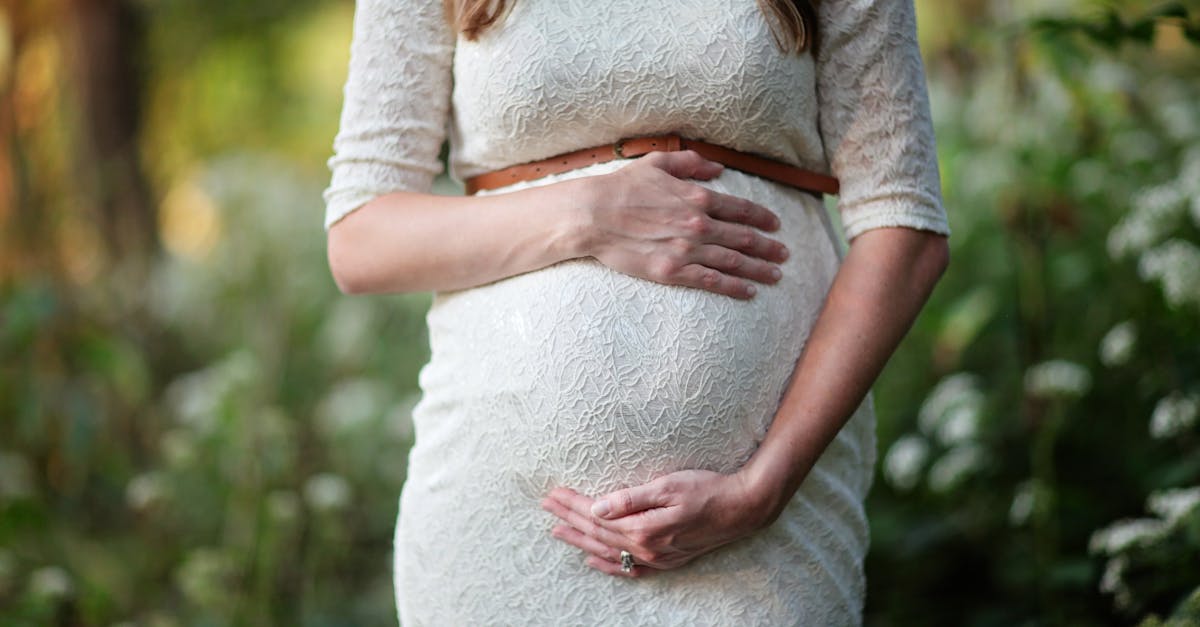
1. Introduction to the Multigravida Patient In clinical obstetrics, the term multigravida refers to a woman who has been pregnant more than once. This designation is independent of the outcome of the previous pregnancies; it includes patients who have experienced prior full-term deliveries, premature births, miscarriages, or terminations. A multigravida patient presents a unique physiological … Read more

The Muesli Belt Diet: Nutritional Mechanisms, Metabolic Benefits, and Clinical Implications

The Muesli Belt Diet: Nutritional Mechanisms, Metabolic Benefits, and Clinical Implications

1. Introduction to the Muesli Belt Dietary Pattern The term muesli belt diet originates as a sociodemographic descriptor for a specific dietary pattern prevalent among health-conscious populations, characterized by a high intake of unrefined whole grains, plant-based proteins, seeds, nuts, and fresh produce. In clinical nutrition, this dietary pattern represents a robust framework for disease … Read more

What Causes Sudden Sharp Shooting Pains in the Temple?

What Causes Sudden Sharp Shooting Pains in the Temple?

1. Introduction Sudden sharp shooting pains in the temple are most frequently caused by localized nerve irritation, such as trigeminal or occipital neuralgia, muscular spasms associated with the temporomandibular joint, or severe vascular inflammation known as temporal arteritis. This anatomical region acts as a crossroads for major cranial nerves, powerful masticatory muscles, and critical superficial … Read more