Incipient Cataract: Early Signs, Progression, and Clinical Management

Incipient Cataract: Early Signs, Progression, and Clinical Management
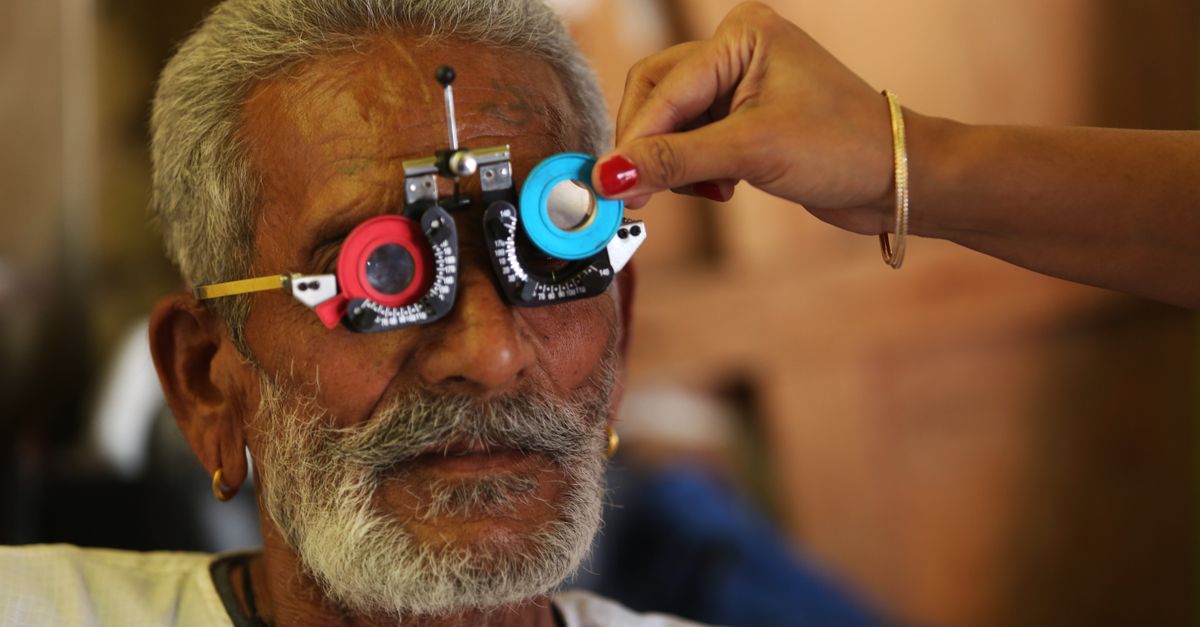
1. Introduction An incipient cataract represents the earliest stage of clouding in the natural crystalline lens of the eye. The bottom line up front is that while an incipient cataract causes minimal to no immediate visual impairment, it signals the beginning of structural protein changes within the lens that will gradually progress over time, requiring … Read more

Impulse Control Disorder: Symptoms, Mechanisms, and Treatment Options

Impulse Control Disorder: Symptoms, Mechanisms, and Treatment Options

1. Introduction An impulse control disorder is a psychiatric condition characterized by a persistent inability to resist the urge, drive, or temptation to perform an act that is harmful to oneself or others. The bottom line up front is that these disorders stem from complex neurobiological and psychological factors, leading to repetitive, destructive behaviors that … Read more

Implanted Defibrillator Electrode Lead Displacement: Causes, Diagnosis, and Management

Implanted Defibrillator Electrode Lead Displacement: Causes, Diagnosis, and Management

1. Introduction An implanted defibrillator electrode lead displacement occurs when the wires connecting the pulse generator to the heart muscle move from their original, optimal position. The bottom line up front is that this displacement can compromise the ability of the device to correctly monitor the heart rhythm and deliver life-saving therapies, requiring prompt clinical … Read more

Why do my glutes spasm and cramp intensely when I walk up a steep incline hill?

Why do my glutes spasm and cramp intensely when I walk up a steep incline hill?

1. Introduction Intense spasms and cramping in the gluteal muscles during incline walking occur because steep gradients drastically amplify the mechanical demand for forceful hip extension. Walking uphill forces the gluteus maximus to perform maximal, sustained contractions to propel the entire body weight upward against gravity. When this immense mechanical load exceeds the muscle’s current … Read more

Why do my hip flexors feel incredibly tight and stiff after sitting at a desk all day?

Why do my hip flexors feel incredibly tight and stiff after sitting at a desk all day?

1. Introduction Prolonged sitting at a desk places the anterior hip structures in a continuous state of extreme flexion. This sustained posture physically shortens the hip flexor muscles, forcing them to adapt to a contracted position over several hours. When an individual finally stands up, these adaptively shortened muscles violently resist elongation, creating an overwhelming … Read more

Why do I get a deep burning pain in my outer hip when walking long distances?

Why do I get a deep burning pain in my outer hip when walking long distances?

1. Introduction A deep, burning pain in the outer hip during prolonged walking is frequently the clinical manifestation of mechanical friction, tendinopathy, or superficial nerve compression. As walking distance increases, the repetitive cyclic loading placed on the lateral pelvic stabilizers can overwhelm the local soft tissues. This cumulative microtrauma triggers an inflammatory cascade or nerve … Read more

Why do my hips click audibly with every single step I take up the stairs?

Why do my hips click audibly with every single step I take up the stairs?

1. Introduction Audible clicking or snapping in the hip during stair climbing is most commonly attributed to a biomechanical phenomenon known clinically as coxa saltans, or snapping hip syndrome. This condition occurs when a tight muscle or tendon slides forcefully over a bony prominence within the pelvic region. As the joint flexes and extends to … Read more

Why do my hip bones feel entirely bruised when I sleep on a very firm mattress?

Why do my hip bones feel entirely bruised when I sleep on a very firm mattress?

1. Introduction The sensation of bruised hip bones when sleeping on a firm mattress occurs due to excessive localized compression on the lateral hip structures. This pressure compresses the superficial bursa and gluteal tendons against the greater trochanter of the femur, leading to compromised blood flow and mechanical irritation. Over the course of the night, … Read more

Shoulder Impingement Syndrome: Causes, Symptoms, and Treatment

Shoulder Impingement Syndrome: Causes, Symptoms, and Treatment

1. Introduction to Shoulder Impingement Syndrome Shoulder impingement syndrome is a highly prevalent musculoskeletal disorder and a leading cause of chronic shoulder pain in adults. The condition is characterized by the painful mechanical compression and subsequent inflammation of the delicate soft tissues located within the narrow anatomical corridor of the shoulder joint, known as the … Read more