
Female Pelvic Inflammatory Disease: Causes, Symptoms, and Medical Interventions

Female Pelvic Inflammatory Disease: Causes, Symptoms, and Medical Interventions

1. Introduction Female pelvic inflammatory disease is a severe, acute infection of the upper female reproductive system, encompassing the uterus, fallopian tubes, and ovaries. This condition is not a primary disease but rather a devastating complication arising when aggressive bacterial pathogens ascend from the lower genital tract, typically the vagina or cervix, into the normally … Read more

Female Infertility of Tubal Origin: Causes, Diagnosis, and Treatment Options

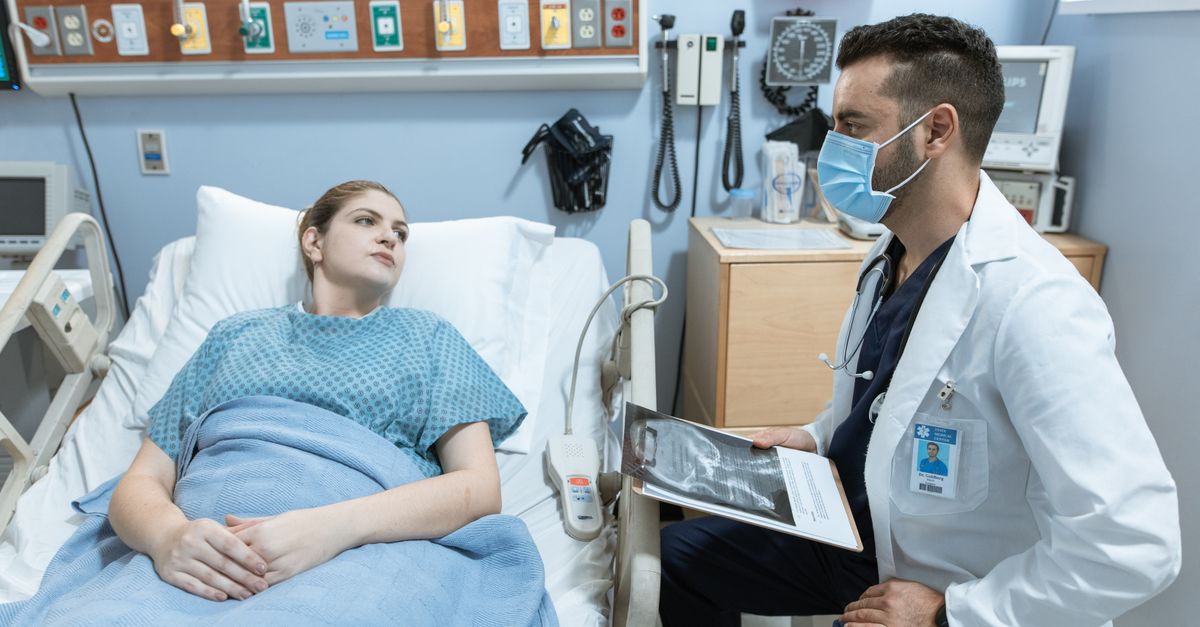
Female Infertility of Tubal Origin: Causes, Diagnosis, and Treatment Options

1. Introduction Female infertility of tubal origin is a structural reproductive disorder where one or both fallopian tubes are blocked or damaged, preventing the sperm from reaching the egg or impeding the fertilized embryo from traveling to the uterus. The leading causes include previous pelvic infections, endometriosis, and surgical trauma, which create scar tissue that … Read more

Female Infertility of Anovulatory Origin: Causes, Diagnosis, and Management

Female Infertility of Anovulatory Origin: Causes, Diagnosis, and Management

1. Introduction Female infertility of anovulatory origin occurs when the ovaries fail to release an egg during the menstrual cycle, preventing fertilization and pregnancy. This condition is primarily driven by hormonal imbalances that disrupt the hypothalamic-pituitary-ovarian axis, most commonly seen in polycystic ovary syndrome or functional hypothalamic dysfunction. When the complex sequence of endocrine signals … Read more

Female Hypogonadism Syndrome: Causes, Symptoms, and Management

Female Hypogonadism Syndrome: Causes, Symptoms, and Management

1. Introduction Female hypogonadism syndrome is a complex endocrine disorder characterized by the inadequate production of sex hormones, primarily estrogen and progesterone, by the ovaries. This condition fundamentally disrupts normal female reproductive function and systemic metabolic health. The ovaries, the primary female gonads, rely on a highly coordinated sequence of hormonal signals from the brain … Read more

Female Genital Infections: Causes, Symptoms, and Treatment

Female Genital Infections: Causes, Symptoms, and Treatment

1. Introduction Female genital infections represent a broad category of clinical conditions characterized by the pathogenic colonization and inflammation of the vulva, vagina, cervix, or upper reproductive tract. These infections are among the most frequent reasons women seek gynecological care. They manifest through a variety of distressing symptoms, including abnormal discharge, intense localized itching, pain … Read more

Cystocele: Causes, Symptoms, and Treatment Options

Cystocele: Causes, Symptoms, and Treatment Options

1. Introduction A cystocele, clinically referred to as an anterior vaginal wall prolapse, occurs when the supportive connective tissues separating the bladder and the vagina weaken, allowing the bladder to bulge into the vaginal canal. The pelvic floor acts as a complex muscular and fascial hammock supporting the pelvic organs. When this structural integrity is … Read more

Felty Syndrome: Causes, Symptoms, and Treatment Options

Felty Syndrome: Causes, Symptoms, and Treatment Options

1. Introduction Felty syndrome is a rare, systemic manifestation of seropositive rheumatoid arthritis characterized by a specific clinical triad: destructive joint inflammation, an abnormally enlarged spleen, and a severely low white blood cell count. This complex disorder typically emerges in patients who have endured severe rheumatoid arthritis for a decade or more. The combination of … Read more

Fecal Impaction: Causes, Symptoms, and Effective Medical Treatments

Fecal Impaction: Causes, Symptoms, and Effective Medical Treatments

1. Introduction Fecal impaction is a severe gastrointestinal condition characterized by the accumulation of a large, hardened mass of stool in the rectum or colon that the patient is unable to pass voluntarily. This condition represents the extreme end of the spectrum of chronic constipation and requires prompt medical intervention to relieve symptoms and prevent … Read more