Why do my teeth hurt terribly from clenching during auditory overload?

Why do my teeth hurt terribly from clenching during auditory overload?
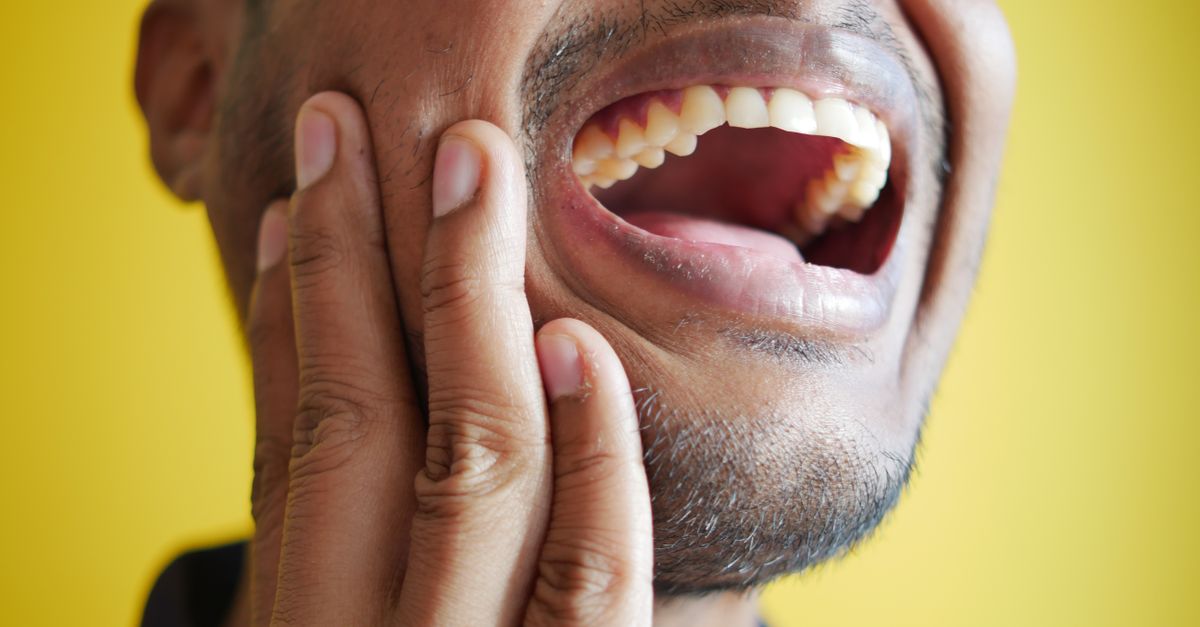
1. Introduction Severe tooth pain resulting from clenching during auditory overload is caused by immense barometric pressure applied directly to the periodontal ligaments, which anchor the teeth to the jawbone. When the nervous system is overwhelmed by intense or chaotic auditory stimuli, it instinctively triggers a defensive physical bracing throughout the body. This reflex commonly … Read more


Why do my hips lock completely up from sitting in odd hyper-mobile positions?

Why do my hips lock completely up from sitting in odd hyper-mobile positions?

1. Introduction Hips locking up after sitting in odd, hyper-mobile positions is caused by a combination of severe muscle spasm, ligament laxity, and transient joint subluxation. When the hip is held at extreme end-ranges of motion, the stabilizing ligaments become overstretched, forcing the surrounding deep musculature to aggressively contract and spasm to prevent the joint … Read more

Why do I get a sharp pain in my temples from specific repetitive noises?

Why do I get a sharp pain in my temples from specific repetitive noises?

1. Introduction Sharp temple pain triggered by specific repetitive noises results from an acute autonomic nervous system stress response that induces involuntary spasms in the temporalis muscle. This intense muscular tension, often associated with sensory processing differences or misophonia, constricts local blood vessels and compresses pericranial nerves, referring sharp, stabbing pain directly to the temples. … Read more

Why does my hands go completely numb from repetitive tapping stims?

Why does my hands go completely numb from repetitive tapping stims?

1. Introduction Numbness in the hands resulting from repetitive tapping behaviors is primarily caused by mechanical compression and micro-trauma to the peripheral nerves, specifically the median and ulnar nerves. Continuous physical impact against hard surfaces creates localized inflammation that compromises the protective myelin sheath surrounding these nerves. Furthermore, this sustained pressure restricts essential blood flow … Read more

Fetal Disorders Caused by Maternal Anesthesia: Risks and Management

Fetal Disorders Caused by Maternal Anesthesia: Risks and Management

1. Introduction A fetal disorder caused by maternal anesthesia transmitted via the placenta occurs when anesthetic agents administered to the mother cross into the fetal circulation, leading to acute physiological compromise or, theoretically, disrupting long-term development. Pregnant women may require anesthesia for a variety of critical reasons, including emergent non-obstetric surgeries like an appendectomy, or … Read more

Fetal Disorders Caused by Maternal Analgesia: Transplacental Transmission Risks

Fetal Disorders Caused by Maternal Analgesia: Transplacental Transmission Risks

1. Introduction A fetal disorder caused by maternal analgesia transmitted via the placenta occurs when pain-relieving medications taken by the pregnant mother cross the placental barrier and disrupt normal fetal physiological development or cause acute neonatal distress. Managing severe maternal pain during pregnancy presents a significant clinical challenge. The physician must carefully balance the absolute … Read more

Diethylstilbestrol (DES) Exposure in Utero: Fetal Disorders and Risks

Diethylstilbestrol (DES) Exposure in Utero: Fetal Disorders and Risks

1. Introduction A fetal disorder caused by diethylstilbestrol transmitted via the placenta represents a profound chapter in the history of obstetrical pharmacology, highlighting the severe, delayed consequences of transplacental endocrine disruption. Diethylstilbestrol, a powerful synthetic, non-steroidal estrogen, was widely prescribed to millions of pregnant women between the late 1930s and the early 1970s under the … Read more

Fetal Damage from Maternal Infectious Disorders: Pathophysiology and Prevention

Fetal Damage from Maternal Infectious Disorders: Pathophysiology and Prevention

1. Introduction Fetal damage from a maternal infectious disorder occurs when pathogenic microorganisms—viruses, bacteria, or parasites—breach the protective barriers of the placenta and infect the developing fetus. This mechanism, known as vertical transmission, can lead to severe structural anomalies, neurological deficits, and restricted fetal growth. The developing fetus is uniquely vulnerable to infectious agents due … Read more

Fetal Conditions Affecting Obstetrical Care: Diagnosis and Maternal Management

Fetal Conditions Affecting Obstetrical Care: Diagnosis and Maternal Management

1. Introduction A fetal condition affecting obstetrical care occurs when a structural, genetic, or physiological abnormality in the developing fetus requires significant modifications to the standard medical management of the pregnant mother. These conditions necessitate a transition from routine prenatal care to specialized, high-risk obstetrical surveillance to safeguard both maternal and fetal health. Early diagnostic … Read more

Why does my jaw pop loudly from chewing non-food sensory items?

Why does my jaw pop loudly from chewing non-food sensory items?

1. Introduction A loud popping sound in the jaw from chewing non-food sensory items occurs due to the displacement of the articular disc within the temporomandibular joint. Repetitive and forceful chewing strains the ligaments that hold this cushioning disc in place, allowing it to slip out of alignment when the mouth opens. The audible pop … Read more