1. Introduction
Fingertips peel after exposure to liquid dish soap because the chemical surfactants designed to dissolve kitchen grease also aggressively strip the natural lipids and sebum from the skin barrier. This chemical degreasing damages the stratum corneum, leading to rapid cellular dehydration, inflammation, and the subsequent shedding of the compromised epidermal layers. Recognizing the harsh chemical reality of household detergents is essential for adopting protective habits that preserve the structural integrity of the hands.
The skin on the fingertips is highly specialized, featuring a thick layer of keratinized cells designed to handle friction and tactile interactions. However, this toughness relies entirely on a delicate matrix of natural oils that bind the dead cells together, trapping moisture inside and keeping environmental irritants out.
Liquid dish soaps are marvels of chemical engineering, engineered to break down stubborn, baked-on animal fats and cooking oils in seconds. Unfortunately, the molecular structure of human skin oil is remarkably similar to kitchen grease. When exposed to bare skin, the soap indiscriminately strips away the biological waterproofing, initiating a cascade of severe dryness, cracking, and inevitable skin peeling.
2. The Anatomy of the Epidermis
The epidermis is the outermost layer of the skin, acting as the primary shield against the environment. It is composed of multiple sub-layers, starting from the basal layer where new skin cells are born, and progressing outward to the surface.
As skin cells migrate outward, they undergo a process called keratinization. They flatten, lose their nucleus, and become packed with a tough protein called keratin. By the time they reach the surface, they form the stratum corneum.
The stratum corneum is often described using a “brick and mortar” analogy. The keratinized skin cells are the bricks, and the complex lipid matrix—composed of ceramides, cholesterol, and fatty acids—acts as the mortar. This structure provides mechanical strength and regulates water loss.
3. The Function of the Stratum Corneum
The primary biological function of the stratum corneum is barrier preservation. It blocks the entry of toxic chemicals, allergens, and pathogenic microbes. Equally important, it prevents the evaporation of the body’s internal water supply.
To remain pliable and intact, the stratum corneum requires a specific internal water content, typically between ten and twenty percent. The lipid mortar seals this moisture inside.
If the lipid mortar is dissolved or physically removed, the water inside the skin cells rapidly evaporates into the dry ambient air. The dehydrated skin cells shrink, lose their elasticity, and the molecular bonds holding them together begin to fail, resulting in visible flaking and peeling.
4. Chemical Surfactants in Dish Soap
The cleaning power of liquid dish soap relies on molecules called surfactants. Surfactant molecules have a unique dual nature: one end is hydrophilic, attracting water, while the other end is lipophilic, attracting oil and fat.
When you wash dishes, the lipophilic ends bind to the grease on a plate, while the hydrophilic ends bind to the water from the faucet. This interaction lifts the grease off the plate and suspends it in the water to be rinsed away.
When these surfactants contact bare fingertips, they perform the exact same chemical action. They bind to the natural lipid mortar of the stratum corneum, emulsifying the ceramides and sebum, and washing them down the drain. This leaves the skin barrier functionally destroyed.
5. Lipid Depletion and Transepidermal Water Loss
The immediate consequence of surfactant exposure is severe lipid depletion. Without the protective oil barrier, the epidermis undergoes a massive increase in transepidermal water loss. The water naturally residing within the deeper layers of the skin rushes to the surface and evaporates.
This rapid dehydration causes the epidermal cells to undergo acute structural distress. The skin feels tight, paper-like, and loses its natural flexibility.
When the dehydrated fingertips are subjected to the normal mechanical stress of daily life—such as typing, gripping, or folding laundry—the brittle cells cannot flex. Instead, the physical connections between the cells shear apart, manifesting as the deep cracking and prominent peeling characteristic of soap damage.
6. Irritant Contact Dermatitis
The progressive breakdown of the skin barrier by chemical surfactants is clinically diagnosed as irritant contact dermatitis. This is a non-allergic, localized inflammatory response caused entirely by the toxic, degreasing effect of the soap.
As the stratum corneum fails, the soap chemicals penetrate deeper into the viable layers of the epidermis. The immune system detects these foreign chemicals and mounts a defense. Inflammatory mediators are released, increasing local blood flow and cellular activity.
This deep inflammation accelerates the turnover rate of the skin cells. The basal layer produces new cells too quickly to replace the damaged ones. These immature cells reach the surface in disorganized clumps, which visually present as thick, peeling sheets of skin on the fingertips.
7. The Role of Skin pH
Healthy human skin maintains a slightly acidic surface, known as the acid mantle, with a pH typically hovering around 5.5. This acidic environment is crucial for the proper function of enzymes that regulate skin shedding and for inhibiting bacterial growth.
Most liquid dish soaps are highly alkaline, with a pH ranging from 8.0 to 9.5. This high alkalinity is necessary to saponify and break down food fats, but it is devastating to the skin’s acid mantle.
Washing dishes bare-handed forcefully shifts the skin’s pH to an alkaline state. An alkaline environment disables the specific enzymes responsible for organizing the stratum corneum, creating a chaotic cellular structure that sheds in visible, uneven flakes rather than microscopic, invisible dust.
8. Hyperkeratosis and Desquamation
In response to continuous chemical assault, the skin attempts to protect itself by thickening. This biological defense mechanism is called hyperkeratosis. The epidermis rapidly builds extra layers of keratinized cells in an attempt to recreate the lost barrier.
However, because the lipid mortar is continuously washed away by daily dishwashing, this thickened layer is unstable. The natural process of shedding dead skin cells, known as desquamation, becomes fundamentally defective.
Instead of individual cells shedding unnoticed, the compromised cellular bonds cause the thickened skin to slough off in large, visible plaques. The fingertips become rough, snag on fabrics, and peel deeply, sometimes exposing the raw, tender dermis below.
9. Secondary Bacterial or Fungal Vulnerability
A peeling, cracked fingertip is no longer a closed system. The fissures in the stratum corneum provide direct entry points for environmental pathogens. The kitchen sink is a notorious harbor for bacteria and fungal spores.
When the protective acid mantle and lipid barrier are destroyed by dish soap, the skin becomes exceptionally vulnerable to secondary infections. Bacteria, such as Staphylococcus aureus, can colonize the microscopic cracks.
If the peeling skin becomes red, excessively warm, swollen, or begins to weep yellow fluid, the irritant contact dermatitis has progressed into a bacterial infection. This complication requires clinical intervention and topical antibiotics to resolve.
10. Hot Water and Accelerated Barrier Damage
The temperature of the water used during dishwashing compounds the chemical damage. Hot water melts fats more efficiently than cold water. While this is excellent for cleaning a greasy pan, it is disastrous for the skin.
Hot water accelerates the emulsification of the skin’s natural lipids, allowing the dish soap surfactants to penetrate deeper and act faster. The thermal energy physically expands the pores and the spaces between the skin cells.
Furthermore, hot water causes vasodilation in the hands, drawing more inflammatory cells to the area. The combination of scalding water and aggressive surfactants guarantees the complete destruction of the stratum corneum within minutes of exposure.
11. Allergic Contact Dermatitis from Fragrances
Beyond the degreasing surfactants, commercial dish soaps contain a complex cocktail of synthetic fragrances, artificial colorants, and chemical preservatives, such as methylisothiazolinone.
While surfactants cause irritant dermatitis, these additive chemicals can trigger allergic contact dermatitis. In an allergic reaction, the immune system becomes specifically sensitized to a chemical compound.
If an individual develops an allergy to a fragrance in the soap, the peeling will often be accompanied by extreme itching, the formation of tiny, fluid-filled blisters on the sides of the fingers, and significant swelling. This immunological reaction occurs even with very brief, diluted exposure to the soap.
12. Differentiating Soap Irritation from Eczema
It is important to differentiate between environmental soap damage and endogenous skin conditions like dyshidrotic eczema. Irritant contact dermatitis is strictly limited to the areas exposed to the chemical—usually the fingertips and the palms—and resolves when the chemical exposure stops.
Dyshidrotic eczema is an internal inflammatory condition that also causes peeling fingertips, but it is typically preceded by deep-seated, intensely itchy tapioca-like blisters on the edges of the fingers.
While dish soap will drastically worsen pre-existing eczema, establishing whether the peeling is purely chemical or immune-driven dictates the long-term dermatological management strategy.
13. Restoration of the Skin Barrier
Healing peeling fingertips requires halting the chemical assault and aggressively replacing the lost biological materials.
- Immediate Cessation: Stop all bare-handed contact with dish soap, household cleaners, and hot water.
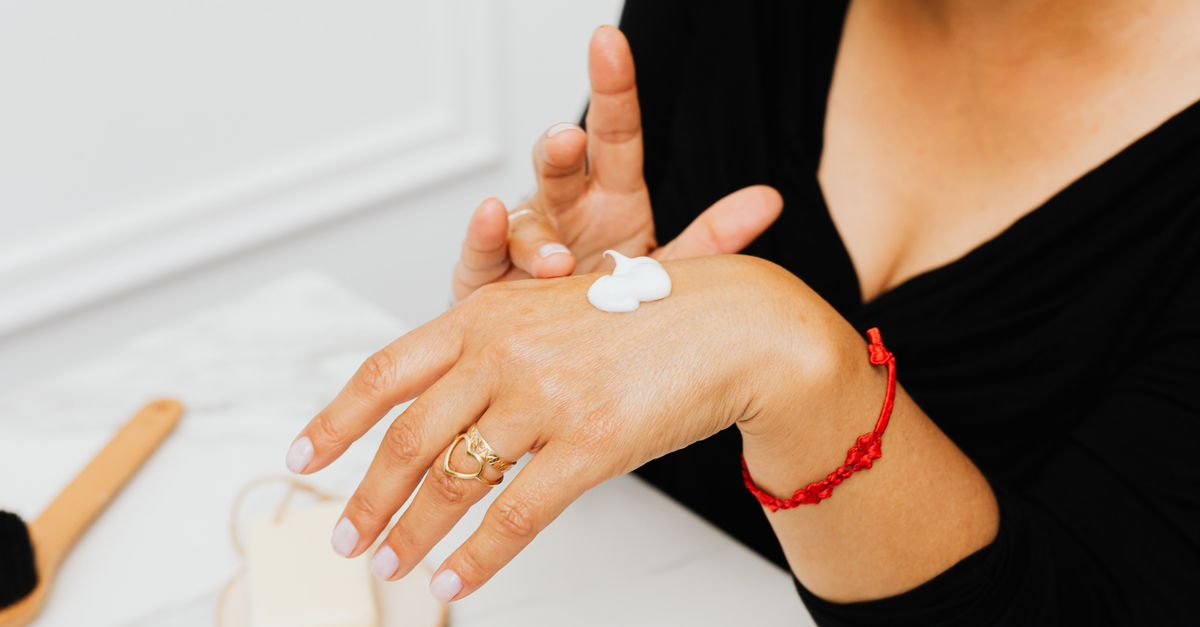
- Lipid Replacement: Apply thick, ceramide-rich ointments or petroleum jelly immediately after washing hands to artificially lock in moisture and replicate the lost lipid mortar.
- Overnight Occlusion: Slather the hands in a heavy moisturizing ointment and wear white cotton gloves to bed. This creates a high-humidity microenvironment that forces moisture back into the desiccated cells.
- Gentle Cleansing: Switch to a mild, pH-balanced, fragrance-free synthetic detergent bar for basic handwashing to avoid further alkaline stripping.
14. Contact Dermatitis Comparison
| Feature | Irritant Contact Dermatitis | Allergic Contact Dermatitis |
|---|---|---|
| Primary Trigger | Chemical surfactants degreasing the skin. | Immune reaction to fragrances or preservatives. |
| Onset of Peeling | Gradual, worsens with repeated daily exposure. | Rapid, occurs 24-48 hours after contact. |
| Key Symptoms | Dryness, cracking, peeling, tight sensation. | Intense itching, tiny blisters, redness, peeling. |
| Resolution | Improves quickly when soap exposure stops. | Requires strict avoidance, often needs topical steroids. |
15. Frequently Asked Questions FAQ
1. Are “natural” or eco-friendly dish soaps safe for my bare hands?
Not necessarily. Even plant-derived surfactants are designed to cut grease. If a soap can remove baked-on oil from a pan, it possesses the chemical strength to strip the natural oils from your skin, leading to peeling.
2. Why do only my fingertips peel, but the back of my hand is fine?
The fingertips endure the most mechanical friction from scrubbing with sponges and are in the most direct, sustained contact with concentrated soap. The skin on the back of the hand is usually exposed only to diluted, soapy water.
3. Can using a hand sanitizer make the peeling worse?
Yes, hand sanitizers contain high concentrations of alcohol. Alcohol is a powerful solvent that acts as a profound drying agent. Applying it to already compromised, peeling skin will cause severe stinging and accelerate the cellular dehydration.
4. How long does it take for the skin barrier to rebuild itself?
If all exposure to dish soap is stopped and aggressive moisturizing protocols are followed, a damaged stratum corneum typically requires two to four weeks to fully regenerate a healthy, intact layer of skin.
5. Will drinking more water stop my fingertips from peeling?
Systemic hydration is important for overall health, but it cannot fix contact dermatitis. The peeling is a structural defect caused by the external removal of the lipid barrier. You must fix the barrier topically with ointments to stop the moisture loss.
16. Bibliography
Disclaimer: The content is for informational purposes only and does not replace medical advice. Always consult your doctor for personalized treatment.