1. Introduction
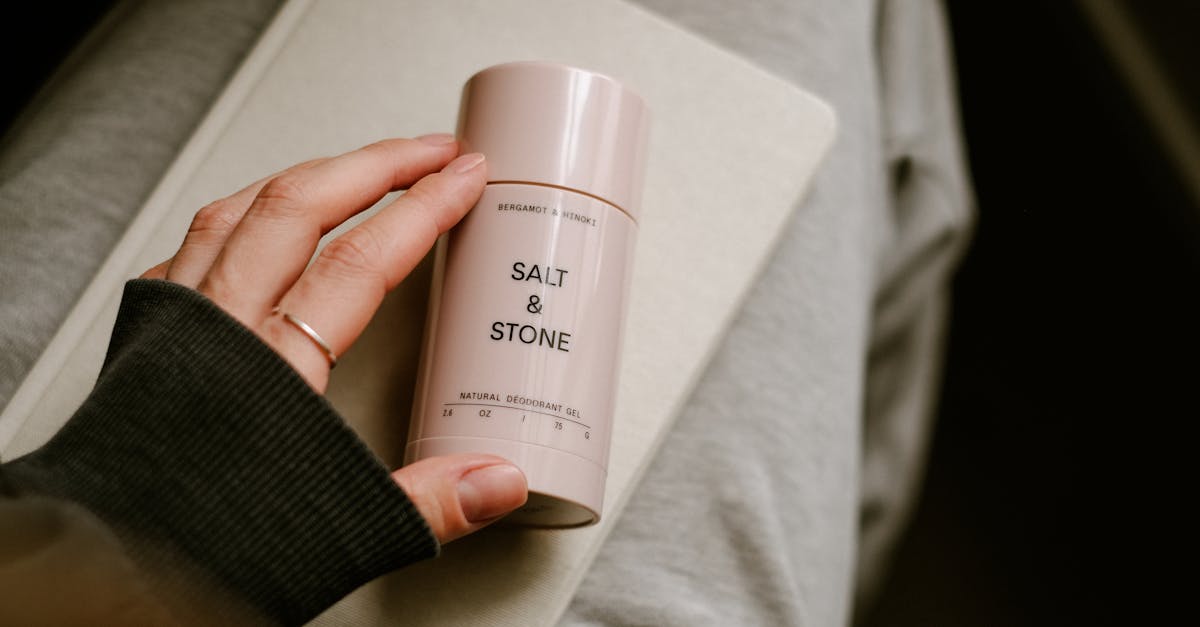
Sore and tender armpits after applying natural deodorant are almost always the result of irritant contact dermatitis caused by high concentrations of baking soda or essential oils. These active ingredients disrupt the acid mantle of the skin and create a highly alkaline, abrasive environment that inflames the delicate axillary tissue.
The transition from conventional antiperspirants to natural deodorants is frequently accompanied by an uncomfortable adjustment period. Consumers often assume that products labeled “natural” are inherently gentle and biologically compatible. However, the axilla (armpit) is a unique, semi-occluded anatomical zone characterized by thin skin, abundant sweat glands, and continuous mechanical friction. This environment amplifies the reactivity of any topical formulation applied to it.
Understanding the specific chemical interactions between botanical ingredients and the epidermal barrier clarifies why a seemingly harmless product generates such profound discomfort. Differentiating between a chemical burn, an allergic reaction, and microbial irritation allows individuals to select properly formulated cosmetic alternatives, ensuring effective odor control without sacrificing dermatological health.
2. Anatomy of the Axillary Skin
The skin of the axilla is exceptionally thin and sensitive compared to the rest of the body. It forms a deep, folded anatomical pocket designed to facilitate the full range of motion of the shoulder joint. This folding creates a semi-occluded environment that traps heat and moisture.
The armpit houses two distinct types of sweat glands: eccrine glands, which produce watery sweat to cool the body, and apocrine glands, which secrete a thicker, lipid-rich fluid. The local bacteria metabolize this apocrine fluid, producing the characteristic odor of body sweat.
Because the axillary skin is thin, highly vascularized, and constantly subjected to the mechanical friction of the arms rubbing against the torso, it has a remarkably low threshold for irritation. Any chemical abrasive introduced into this dark, damp fold will penetrate the epidermis rapidly, provoking a vigorous inflammatory response.
3. The Role of the Acid Mantle
The surface of healthy human skin is protected by an invisible, biochemical barrier known as the acid mantle. This mantle is composed of sebum (skin oils), sweat, and natural organic acids. It maintains a strictly acidic potential hydrogen level, typically resting between 4.5 and 5.5.
The acidity of the mantle is critical. It acts as a primary defense mechanism, inhibiting the colonization of pathogenic bacteria and fungi while supporting the structural integrity of the stratum corneum, the outermost layer of dead skin cells.
When a highly alkaline substance is applied to the axilla, it immediately neutralizes and strips away this protective acid mantle. The sudden shift in potential hydrogen destabilizes the epidermal cells, causing microscopic swelling and creating pathways for chemical irritants to dive deep into the dermal tissue.
4. Baking Soda and Alkaline Shock
Sodium bicarbonate, commonly known as baking soda, is the primary active ingredient in the vast majority of natural deodorants. It is exceptionally effective at neutralizing the acidic byproducts of odor-causing bacteria and absorbing excess moisture.
However, baking soda is highly alkaline, boasting a potential hydrogen level of approximately 8.3. Applying this robust alkaline powder directly to the acidic skin of the armpit induces severe alkaline shock. The acid mantle is instantly obliterated.
Without its protective acidic shield, the skin becomes inflamed and raw. The superficial blood vessels dilate, turning the armpit bright red. The chemical burn lowers the threshold of the local pain receptors, causing a continuous, stinging soreness that makes lowering the arms or wearing tight clothing excruciatingly tender.
5. Mechanical Friction from Powders
Beyond its chemical alkalinity, baking soda presents a severe mechanical hazard. In many natural deodorant formulations, the sodium bicarbonate is not fully dissolved into the carrying oils; it remains suspended as microscopic, jagged crystalline particles.
When this granular paste is rubbed vigorously into the armpit, and the individual subsequently moves their arms throughout the day, the deodorant acts like fine-grit sandpaper.
This relentless physical abrasion grinds away the superficial layers of the epidermis. The combination of the chemical alkaline burn and the harsh mechanical excoriation virtually guarantees the rapid onset of severe irritant contact dermatitis, characterized by a raw, weeping, and tender axillary surface.
6. Essential Oils and Allergic Contact Dermatitis
Natural deodorants frequently rely on high concentrations of essential oils—such as lavender, tea tree, lemongrass, or bergamot—to mask body odor and provide antimicrobial properties. While botanically derived, essential oils are highly volatile and complex chemical compounds containing known potent allergens like linalool and limonene.
Applying undiluted or poorly formulated essential oils to the thin, occluded skin of the armpit frequently triggers allergic contact dermatitis. The immune system misidentifies the botanical molecules as dangerous invaders and mounts a localized antibody attack.
Unlike the immediate stinging of a baking soda burn, an allergic reaction to essential oils may take days or weeks to develop. Once sensitized, the immune response produces an intensely itchy, bumpy, and widespread red rash that extends beyond the immediate application area, rendering the entire axillary region tender and swollen.
7. Propylene Glycol and Propanediol Sensitivities
To achieve a smooth, glide-on texture without utilizing synthetic silicones, many natural deodorant brands utilize propylene glycol or its plant-derived alternative, propanediol. These humectants draw moisture into the skin and keep the deodorant stick solid.
However, both compounds are notorious penetration enhancers. They actively force the other ingredients in the formula deeper into the skin. In a significant percentage of the population, propylene glycol itself acts as a direct chemical irritant.
Continuous daily application of these humectants in an occluded area can degrade the cellular matrix of the epidermis, leading to a dull, burning ache and chronic low-grade inflammation that mimics a mild chemical burn.
8. Transitioning from Antiperspirants
The physiological shift from a traditional aluminum-based antiperspirant to a natural deodorant involves a complex transition period. Antiperspirants function by utilizing aluminum salts to physically plug the eccrine sweat ducts, stopping the flow of moisture entirely.
When an individual abruptly stops using aluminum, the blocked sweat ducts slowly unplug over several weeks. During this purge phase, the body often produces a compensatory surge of sweat and trapped cellular debris.
This sudden influx of heavy moisture interacts violently with the new, alkaline natural deodorant. The excess sweat creates a highly conductive liquid environment that rapidly dissolves the baking soda, driving the alkaline chemical burn deeper into the pores and causing profound, deep-seated tenderness.
9. Intertrigo and Moisture Accumulation
Because natural deodorants do not contain aluminum, they do not stop the biological process of sweating; they merely attempt to absorb the moisture. On hot days or during exercise, this absorptive capacity is easily overwhelmed.
The excess, unabsorbed sweat remains trapped in the deep skin folds of the armpit. The continuous friction of wet skin rubbing against wet skin leads to intertrigo.
Intertrigo is an inflammatory condition characterized by the maceration and breakdown of the skin barrier due to trapped moisture. The skin becomes visibly red, raw, and highly susceptible to secondary colonization by Candida yeast or aggressive bacteria, which significantly amplifies the soreness and introduces a foul, distinct odor.
10. Differentiating Armpit Irritation
Accurately diagnosing the root cause of the axillary tenderness ensures that individuals discard the offending product and seek the correct therapeutic remedy.
| Symptom Characteristics | Likely Pathological Cause |
|---|---|
| Immediate stinging, raw redness, feels like a chemical burn. | Irritant Contact Dermatitis (Baking soda alkalinity/friction). |
| Intensely itchy, bumpy red rash spreading outward. | Allergic Contact Dermatitis (Essential oil sensitivity). |
| Raw, weeping skin strictly deep in the skin folds, distinct smell. | Intertrigo (Trapped moisture and friction). |
| Deep, tender lumps beneath the skin surface. | Swollen Lymph Nodes or Cystic Acne (Folliculitis). |
Recognizing these specific clinical patterns prevents the continued use of a damaging product under the false assumption that the body is simply “detoxing.”
11. Lymph Node Swelling vs Skin Irritation
It is crucial to differentiate between superficial skin soreness and deep, structural tenderness. The axilla contains a massive network of lymph nodes responsible for draining infectious and inflammatory debris from the arms and upper chest.
Severe contact dermatitis from a natural deodorant causes immense superficial inflammation. The lymphatic system works aggressively to clear the inflammatory cytokines from the damaged skin. This heavy workload can cause the axillary lymph nodes to become physically enlarged and tender to the touch.
While painful, this reactive lymphadenopathy is a normal immunological response to the severe skin burn. However, a hard, immovable, or painless lump deep in the armpit requires immediate medical investigation, as it may indicate pathology unrelated to cosmetic products.
12. Clinical Diagnosis of Deodorant Allergies
When axillary irritation becomes a severe, weeping rash that disrupts sleep and daily movement, dermatological evaluation is required. The physician will visually inspect the armpit to confirm the presence of contact dermatitis and rule out bacterial folliculitis or fungal overgrowth.
If an allergic response is suspected, the dermatologist utilizes epicutaneous patch testing. Small, standardized concentrations of the specific essential oils, carrier waxes, and humectants found in the natural deodorant are applied to the patient’s back for forty-eight hours.
Identifying the precise chemical allergen definitively ensures the patient can scrutinize future ingredient labels, avoiding the specific botanical compound that triggers their immune system.
13. Immediate Relief Strategies
When the armpits become raw and tender, immediate cessation of all deodorant products is mandatory. The individual must gently cleanse the axilla with cool water and a pH-balanced, completely unfragranced wash to remove the residual baking soda and essential oils.
Aggressive scrubbing must be avoided, as the epidermal barrier is already compromised. After gently patting the area dry, applying a thin layer of over-the-counter hydrocortisone cream effectively suppresses the localized immune response, dramatically reducing the redness, swelling, and acute burning pain.
Applying a protective barrier ointment, such as pure petroleum jelly, prevents the raw skin from rubbing against itself during arm movement, providing significant mechanical relief while the tissue regenerates.
14. Choosing Safer Alternative Formulations
Individuals who react poorly to standard natural deodorants do not have to return to aluminum antiperspirants; they must simply choose chemically appropriate alternatives.
- Baking Soda-Free Formulas: Select deodorants that utilize magnesium hydroxide or arrowroot powder to neutralize odor and absorb moisture without destroying the acid mantle.
- Fragrance-Free Options: Avoid all essential oils and synthetic fragrances, minimizing the risk of allergic contact dermatitis.
- Acid-Based Deodorants: Liquid deodorants utilizing alpha-hydroxy acids (like mandelic or lactic acid) actively lower the pH of the armpit. This creates a hostile environment for odor-causing bacteria while perfectly supporting the natural acid mantle.
Aligning the chemistry of the product with the biology of the skin ensures long-term comfort and effective odor control.
15. When to See a Dermatologist
While cosmetic dermatitis is generally self-limiting once the trigger is removed, specific clinical signs demand prompt professional investigation. Consultation is strictly advised if the armpit rash develops honey-colored crusts, begins to ooze thick pus, or is accompanied by a systemic fever, indicating a secondary bacterial infection like Staphylococcus.
Furthermore, if the deep tenderness does not resolve after the skin has completely healed, or if there is a persistent, growing mass beneath the skin surface, an immediate medical evaluation is mandatory to rule out cysts, deep abscesses, or malignancies of the breast or lymphatic system.
16. Frequently Asked Questions (FAQ)
1. Is my body just going through a “detox” phase from my old antiperspirant?
No. The concept of an armpit “detox” causing a painful rash is a marketing myth. If your skin is red, burning, or bumpy, it is experiencing a chemical burn or an allergic reaction. You should stop using the product immediately.
2. Can shaving my armpits make the natural deodorant burn more?
Yes. Shaving creates thousands of microscopic cuts and removes the top layer of protective skin. Applying an alkaline baking soda paste directly onto freshly shaved, open micro-wounds virtually guarantees severe chemical burning and inflammation.
3. Will apple cider vinegar help clear up the rash?
Applying pure vinegar to an inflamed, raw rash will cause agonizing pain and further damage the compromised tissue. You should only apply soothing, inert barrier creams until the skin fully heals.
4. Why did the natural deodorant work fine for a month before the rash appeared?
Allergic contact dermatitis requires a sensitization period. The immune system takes time to recognize and build antibodies against the essential oils. Once fully sensitized, the severe immune reaction suddenly activates upon the next application.
5. Are crystal deodorant stones safer for sensitive skin?
Crystal deodorants are made of potassium alum, a large mineral salt. While they do not contain baking soda or oils, they are still highly astringent and can cause significant irritation and dryness in individuals with extremely fragile skin barriers.
17. Bibliography
Disclaimer: The content is for informational purposes only and does not replace medical advice. Always consult your doctor for personalized treatment.