1. Introduction
A sharp pain in the lower pelvic area when coughing forcefully typically indicates a structural vulnerability in the abdominal wall, such as an inguinal hernia, or a sudden, severe strain on the pelvic floor musculature and supportive ligaments. The act of coughing generates a sudden, intense spike in intra-abdominal pressure. If there is a weakness in the fascial tissue or a hypersensitive nerve pathway in the pelvis, this pressure surge forces tissue through the defect or aggressively stretches the local anatomy, resulting in acute, localized pain.
The pelvic cavity is a densely packed, anatomically complex region. It relies on a sturdy muscular floor and a tough anterior fascial wall to keep the internal organs securely in place. When a person coughs, the diaphragm plunges downward, and the abdominal muscles contract violently. This creates a mechanical piston effect.
While a mild, transient ache might simply suggest muscle fatigue, a sharp, tearing, or stabbing sensation requires clinical evaluation. Determining whether the pain is derived from a true structural herniation, a ligamentous spasm, or an underlying gynecological issue dictates whether conservative rest or surgical intervention is required to resolve the vulnerability.
2. Intra-Abdominal Pressure Dynamics
To understand why coughing provokes pelvic pain, one must examine the biomechanics of a cough. A forceful cough is a protective reflex intended to expel irritants from the respiratory tract. It begins with a deep inhalation, followed by the closure of the glottis.
The abdominal muscles then contract with substantial force. When the glottis suddenly opens, the trapped, highly pressurized air is expelled. However, during the fraction of a second before the air escapes, the pressure inside the abdominal cavity skyrockets.
This pressure must dissipate. It presses outward against the anterior abdominal wall and downward against the pelvic floor. If these structural boundaries are entirely intact, they absorb the force seamlessly. If a micro-tear or a congenital weakness exists, the pressure seeks the path of least resistance, forcing internal tissues against the defect and generating immediate pain.
3. Inguinal and Femoral Hernias
The most common structural cause of sharp pelvic pain during a cough is a hernia. An inguinal hernia occurs when a segment of the intestine or intra-abdominal fat pushes through a weakened spot in the inguinal canal, a natural passageway in the lower abdominal wall.
When a patient with a small, undetected hernia coughs, the spike in pressure drives the bowel tissue forcefully into the inguinal canal. The surrounding fascial edges pinch the protruding tissue, causing a sharp, catching pain that often radiates toward the groin or the pubic bone.
Femoral hernias follow a similar mechanical principle but occur slightly lower, where the femoral artery passes into the leg. They are more common in women due to the wider anatomical structure of the female pelvis. Both types frequently present as a sharp pain on exertion, occasionally accompanied by a palpable bulge that disappears when lying flat.
4. Round Ligament Pain in Women
For women, particularly those who are pregnant, round ligament pain is a frequent culprit for exertion-induced pelvic sharp pain. The round ligaments are rope-like bands of connective tissue that suspend the uterus, anchoring it to the front of the pelvis and the labia majora.
These ligaments are designed to stretch and move with the uterus. However, a sudden, forceful cough jerks the torso and forces the uterus downward. This movement yanks the round ligaments rapidly and violently.
The sudden stretch triggers a reflexive spasm within the ligamentous tissue. The patient experiences a sharp, stabbing, or tearing sensation on one or both sides of the lower pelvis. The pain is fleeting, typically lasting only a few seconds as the ligament relaxes, but it can be intensely startling.
5. Pelvic Floor Muscle Spasms
The pelvic floor comprises a complex hammock of muscles, including the levator ani group, which supports the bladder, rectum, and reproductive organs. These muscles must possess the endurance to counteract the constant downward pull of gravity and intra-abdominal pressure.
If an individual suffers from pelvic floor hypertonicity, these muscles exist in a state of chronic, rigid contraction. They lose their elastic capacity to absorb shock.
When a violent cough forces pressure downward, the rigid pelvic floor muscles are stretched forcefully against their will. This mechanical insult can trigger an acute muscle spasm, generating a sharp, cramp-like pain deep in the pelvis that may linger as a dull ache long after the coughing fit has ended.
6. Ovarian Cysts and Mechanical Pressure
Ovarian cysts are fluid-filled sacs that develop on the surface of the ovary. Many women develop functional cysts as a normal part of the menstrual cycle, which usually resolve asymptomatically. However, if a cyst grows particularly large, it occupies significant space in the confined pelvic cavity.
The presence of a large mass alters the local anatomy. When a cough generates massive downward pressure, the surrounding organs, such as the distended bladder or the bowel, are forcefully crushed against the sensitive, fluid-filled cyst.
The sudden compression of the ovarian capsule stretches its sensory nerves, producing a sharp, localized, unilateral pain. If the cough causes a fragile cyst to rupture or the ovary to twist slightly on its ligamentous support, the pain becomes severe and unrelenting.
7. Endometriosis and Pelvic Adhesions
Endometriosis involves the growth of endometrial-like tissue outside the uterine cavity. This rogue tissue bleeds during the menstrual cycle, causing profound localized inflammation in the pelvis. Over time, this inflammation leads to the formation of rigid scar tissue, known as adhesions.
Adhesions act like biological superglue, abnormally tethering organs together. They may bind the ovaries to the pelvic sidewall, or the uterus to the bowel.
When a cough creates a sudden anatomical shift, the tethered organs cannot move independently. The rigid adhesions are violently pulled, creating a sharp, tearing pain deep within the pelvis. Pain during coughing or sneezing is a classic hallmark of significant pelvic adhesive disease.
8. Interstitial Cystitis and Bladder Sensitization
Interstitial cystitis is a chronic condition characterized by deep inflammation of the bladder wall, occurring without a bacterial infection. The protective mucosal lining of the bladder degrades, exposing the underlying detrusor muscle and sensory nerve endings to the harsh, acidic urine.
This exposure leaves the bladder exquisitely tender and hypersensitive. Any physical pressure exerted upon the organ triggers a profound pain response.
During a forceful cough, the sudden compression of the inflamed bladder by the abdominal wall generates a sharp, stinging, or aching pain low in the center of the pelvis, precisely behind the pubic bone. This pain is often accompanied by an urgent, frequent need to urinate.
9. Pudendal Nerve Entrapment
The pudendal nerve is the primary sensory and motor nerve of the perineum and the lower pelvis. It traverses a narrow, complex path through the pelvic ligaments and muscles. Pudendal neuralgia occurs when this nerve is compressed, irritated, or entrapped.
A forceful cough creates a sudden jolt in the pelvic architecture. If the pudendal nerve is already tightly constrained by hypertonic muscles or ligamentous scarring, the coughing motion essentially crushes or stretches the compromised nerve fibers.
This produces a distinct, sharp, electrical, or burning pain that shoots through the pelvic floor, the genitals, or the rectum. Because it is a neuropathic pain, it feels significantly sharper and more piercing than a standard muscle ache.
10. Musculoskeletal Strains and Sprains
The rectus abdominis muscles attach directly to the pubic symphysis, the cartilaginous joint at the front of the pelvis. Heavy lifting, repetitive straining, or a prolonged, severe respiratory infection can strain the lower attachments of these abdominal muscles.
A severe cough forces these injured muscle fibers to contract violently. The sudden tension on the inflamed attachment points at the pubic bone causes a sharp, focal pain right at the baseline of the abdomen.
Similarly, osteitis pubis, an inflammation of the pubic symphysis joint itself, creates exquisite tenderness in the lower pelvis. The shearing forces generated by a cough across the inflamed joint translate into a sharp, stabbing ache directly in the center of the lower pelvis.
11. Post-Surgical Adhesions
Individuals who have undergone previous pelvic or abdominal surgeries, such as an appendectomy, cesarean section, or hysterectomy, inevitably develop some degree of internal scar tissue as the body heals.
Just like endometriotic adhesions, these post-surgical fascial scars can tether the abdominal wall to the underlying fascia or organs. The scar tissue lacks the elasticity of normal connective tissue.
When intra-abdominal pressure spikes during a cough, the pliable surrounding tissues expand, but the rigid scar tissue does not. This discrepancy in tissue elasticity causes a sharp, pulling sensation precisely at the site of the old surgical incision, radiating deeply into the pelvis.
12. Structured Data: Differentiating Pelvic Pain on Exertion
The following table highlights the clinical features distinguishing the various causes of sharp pelvic pain during a cough.
| Underlying Cause | Mechanism of Pain | Distinctive Clinical Characteristics |
|---|---|---|
| Inguinal Hernia | Tissue forced through fascial defect. | Pain often accompanied by a palpable, reducible bulge in the groin. |
| Round Ligament Spasm | Sudden stretching of uterine supports. | Sharp, fleeting, stabbing pain; highly common in pregnancy. |
| Ovarian Cyst | Physical compression of fluid sac. | Unilateral, localized sharp pain, distinct from the central abdomen. |
| Endometriosis Adhesions | Traction on rigid pelvic scar tissue. | History of severe menstrual pain, deep pain during intercourse. |
| Pelvic Floor Hypertonicity | Sudden stretch of spasming muscles. | Deep, cramping ache, often accompanied by urinary hesitancy. |
13. Diagnostic Imaging and Physical Examination
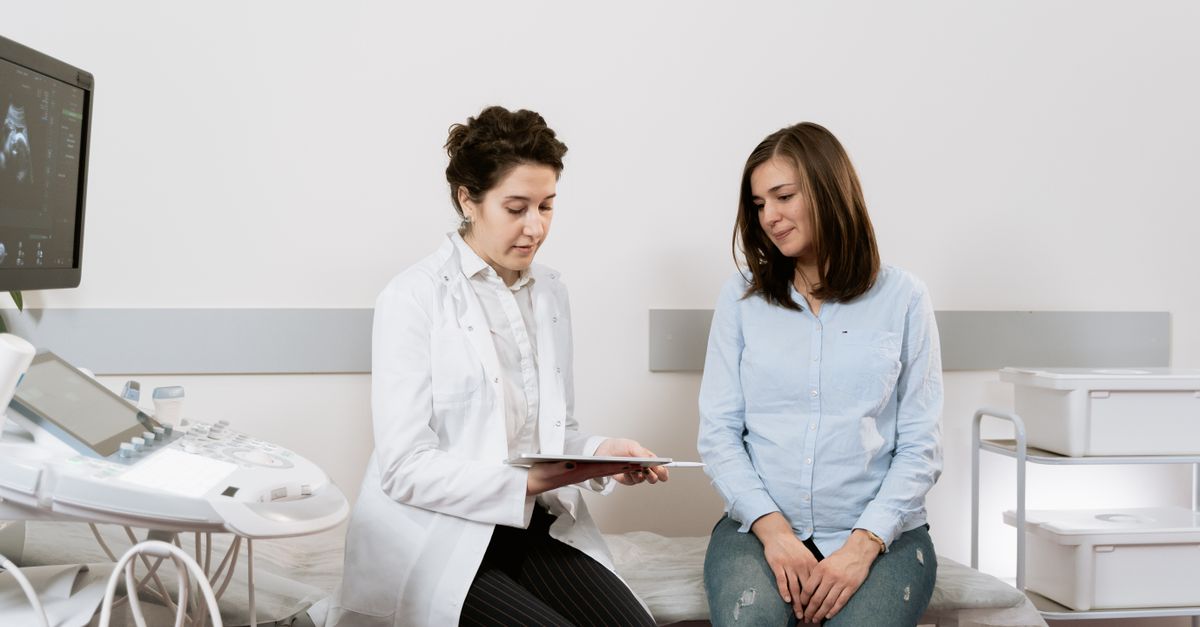
Diagnosing the specific cause of exertion-induced pelvic pain requires a targeted clinical examination. A physician will ask the patient to stand and cough forcefully while palpating the inguinal and femoral canals to feel for the characteristic tissue protrusion of a hernia.
If a hernia is not palpable, a transvaginal or pelvic ultrasound is the primary imaging modality. The ultrasound provides a clear visualization of the ovaries and the uterus, identifying cysts, fibroids, or fluid collections that could be subjected to mechanical compression.
In complex cases involving suspected nerve entrapment or deep pelvic adhesions, a magnetic resonance imaging scan offers superior soft-tissue contrast, allowing the specialist to view the precise anatomical relationships between the pelvic floor, the nerves, and the organs.
14. When to Seek Urgent Medical Care
While a sharp pain from coughing is often caused by a benign muscle spasm, certain presentations demand immediate emergency evaluation to rule out life-threatening complications.
If the sharp pain is accompanied by a firm, exquisitely tender bulge in the groin that cannot be pushed back in, or if the patient experiences sudden vomiting and an inability to pass gas, this indicates a strangulated hernia. The trapped bowel is losing its blood supply, necessitating emergency surgery.
Furthermore, if the pelvic pain becomes constant, severe, and is accompanied by dizziness, fainting, or a rigid abdomen, it suggests a ruptured ovarian cyst or an ectopic pregnancy. Appropriate management relies on immediate diagnosis, utilizing protocols akin to those applied for investigating sudden, severe pelvic pain to prevent catastrophic internal bleeding.
15. Frequently Asked Questions
1. Why does bending over make the coughing pain worse?
Bending over actively compresses your abdominal cavity. When you cough in a bent position, the intra-abdominal pressure is magnified significantly because the space is already physically restricted, forcing the pressure downward even harder against a hernia or sensitive pelvic organs.
2. Can a bad cough actually cause a hernia?
Yes. If you have an underlying, congenital weakness in your abdominal fascia, a prolonged period of violent coughing, such as during a bout of bronchitis or pneumonia, can generate enough repeated mechanical force to tear the fascia completely and create a new hernia.
3. Does splinting my stomach help prevent the pain?
Yes. Pressing a firm pillow firmly against your lower abdomen and pelvis when you feel a cough coming acts as an external physical support. It counteracts the outward and downward pressure of the cough, minimizing the tissue stretch and significantly reducing the sharp pain.
4. Is the pain a sign that an ovarian cyst has burst?
If the pain is brief and goes away immediately after the cough, it is likely just the cyst being compressed. However, if the sharp pain hits during a cough and then remains severe, constant, and radiates to your shoulder, the pressure may have caused the cyst to rupture, spilling irritating fluid into your pelvis.
5. Will doing sit-ups strengthen my stomach and stop the pain?
If the pain is caused by a hernia or hypertonic pelvic floor muscles, traditional sit-ups and crunches are highly contraindicated. These exercises drastically increase intra-abdominal pressure and will actively worsen a hernia or strain tight pelvic muscles further.
16. Bibliography
Disclaimer: The content is for informational purposes only and does not replace medical advice. Always consult your doctor for personalized treatment.