1. Introduction to Pollen-Food Allergy Syndrome
Pollen-Food Allergy Syndrome is a highly prevalent allergic condition triggered by a cross-reactivity between airborne pollen proteins and structurally similar proteins found in certain raw fruits, vegetables, and tree nuts. Clinically, this condition is also widely referred to as Oral Allergy Syndrome. When an individual who is sensitized to specific environmental pollens consumes these structurally related plant foods, their immune system mistakenly identifies the food proteins as the offending pollen.
This immunological confusion primarily results in localized allergic reactions confined to the mucous membranes of the mouth, lips, tongue, and throat. The reaction typically occurs almost immediately after the raw food comes into contact with the oral mucosa. While the symptoms are generally mild and transient, the sudden onset of oral itching and swelling can be highly distressing for the patient.
Understanding the underlying mechanisms of protein cross-reactivity is essential for proper dietary management. With appropriate clinical guidance, patients can accurately identify their specific trigger foods, learn how food preparation methods alter these proteins, and safely navigate their nutritional choices without unnecessary dietary restriction.
2. The Concept of Cross-Reactivity
The foundation of Pollen-Food Allergy Syndrome lies in the phenomenon of immunological cross-reactivity. The human immune system produces specific Immunoglobulin E antibodies in response to environmental allergens, such as birch, ragweed, or grass pollen. These antibodies are designed to recognize and bind to the specific molecular shape of the pollen proteins.
Nature frequently utilizes similar protein structures across different botanical species. Certain proteins present in fruits and vegetables share a highly homologous amino acid sequence and three-dimensional structure with the proteins found in common pollens. When the raw food is ingested, the pre-existing Immunoglobulin E antibodies bind to these food proteins just as they would to the pollen.
This binding activates mast cells located in the oral mucosa. The mast cells rapidly degranulate, releasing histamine and other inflammatory mediators directly into the surrounding tissues. This localized histamine release is the direct biochemical cause of the immediate itching, tingling, and mild swelling characteristic of the syndrome.
3. Immunological Mechanisms
The specific proteins involved in Pollen-Food Allergy Syndrome belong to distinct families of plant defense proteins. The two most clinically significant groups are the PR-10 proteins and the profilins. PR-10 proteins are predominantly associated with birch pollen allergy, while profilins are ubiquitous proteins found across a wide variety of pollens and plant foods.
A defining characteristic of these specific proteins is their inherent structural fragility. Both PR-10 proteins and profilins are highly sensitive to thermal denaturation and enzymatic degradation. This means their three-dimensional structure is easily destroyed by high temperatures and by the acidic environment of the stomach.
Because these proteins are rapidly denatured by gastric acid and digestive enzymes, they rarely reach the intestinal tract in an intact, allergenic form. This physiological reality explains why the allergic symptoms are almost exclusively confined to the oral cavity and why systemic reactions, such as severe anaphylaxis, are exceedingly rare in patients with pure Pollen-Food Allergy Syndrome.
4. Common Pollen and Plant Food Associations
Clinical immunology has meticulously mapped the specific cross-reactivities between individual pollens and plant foods. Identifying the patient’s primary seasonal allergy provides a highly accurate predictive model for which foods will trigger oral symptoms.
| Primary Pollen Allergy | Common Cross-Reactive Foods |
|---|---|
| Birch Pollen | Apples, cherries, peaches, plums, carrots, celery, almonds, hazelnuts |
| Ragweed Pollen | Melons, cantaloupe, honeydew, watermelon, bananas, cucumbers, zucchini |
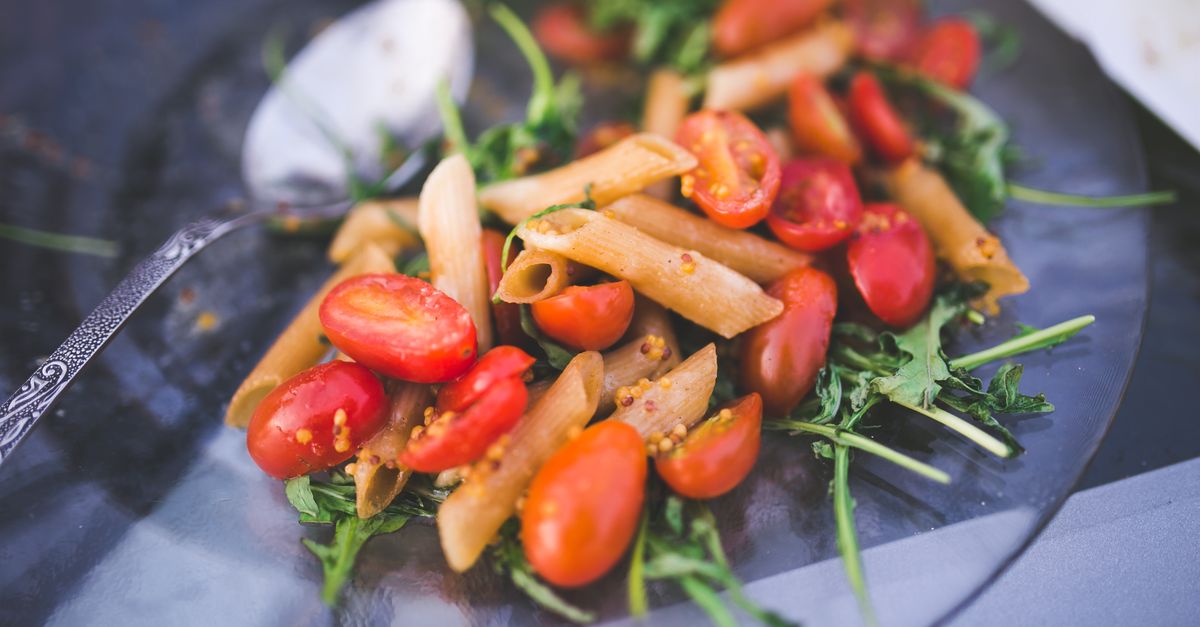
| Grass Pollen | Peaches, celery, tomatoes, melons, oranges |
| Mugwort Pollen | Celery, carrots, spices, mustard, bell peppers, garlic, onion |
Patients rarely react to every single food associated with their pollen allergy. The clinical presentation is highly individualized, and patients must be guided to monitor their own specific physiological responses to these associated foods.
5. Birch Pollen Cross-Reactivity
Birch pollen allergy is the most frequent instigator of Pollen-Food Allergy Syndrome, particularly in the northern hemisphere. The primary allergen in birch pollen is a protein designated as Bet v 1. The Bet v 1 homologues are found abundantly in the Rosaceae fruit family, which includes apples, pears, peaches, and cherries.
Patients with birch pollen sensitization typically experience symptoms when consuming raw apples. Interestingly, the concentration of the allergenic proteins varies significantly depending on the specific apple cultivar and the stage of ripeness. The proteins are also highly concentrated in the skin of the fruit, meaning peeling the apple can sometimes reduce the severity of the reaction.
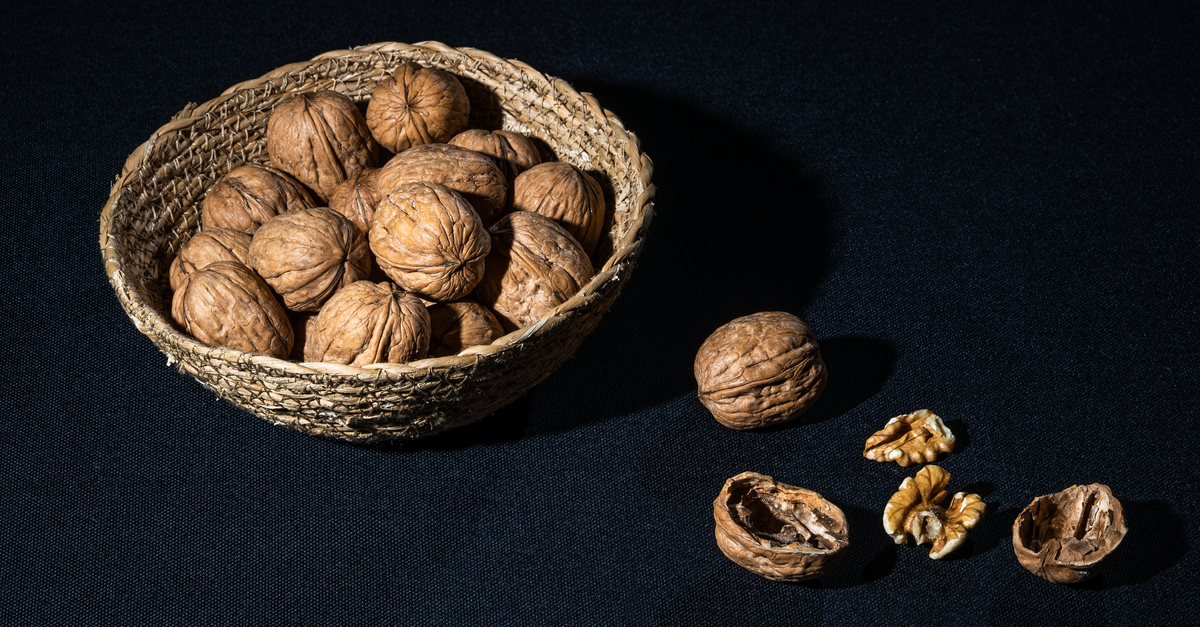
Tree nuts, specifically hazelnuts and almonds, are also strongly cross-reactive with birch pollen. While most reactions remain localized to the mouth, tree nut cross-reactivity requires careful clinical evaluation to differentiate it from a true, potentially life-threatening primary tree nut allergy, which involves completely different, heat-stable proteins.
6. Ragweed and Mugwort Associations
In the late summer and autumn, ragweed and mugwort pollens become the dominant environmental allergens. Patients sensitized to ragweed frequently report oral symptoms when consuming foods from the Cucurbitaceae family, most notably various types of melons, cucumbers, and zucchini. Bananas are also a common trigger in this group.
Mugwort pollen exhibits a distinct cross-reactivity pattern known clinically as the celery-carrot-mugwort-spice syndrome. These patients often react to raw celery and carrots, as well as several spices including coriander, fennel, and parsley.
Because spices are frequently used in complex culinary dishes, identifying the specific trigger for a mugwort-sensitized patient can be challenging. The oral symptoms provoked by these autumnal pollens follow the identical histamine-driven mechanism as those triggered by spring birch pollen.
7. Clinical Presentation in the Oral Cavity
The symptoms of Pollen-Food Allergy Syndrome are characterized by their rapid onset, typically emerging within five to ten minutes of the raw food touching the oral mucosa. Patients primarily report an intense, localized pruritus, a sensation of intense itching or tingling on the lips, the roof of the mouth, the tongue, and the posterior pharynx.
Mild angioedema is also a common clinical finding. This presents as a visible, non-painful swelling of the lips or the tongue. Patients frequently describe a feeling of a scratchy or tight throat, although objective airway compromise is rare. The symptoms generally peak within thirty minutes and spontaneously resolve as the allergenic proteins are diluted by saliva and swallowed into the acidic stomach.
The severity of the oral symptoms often correlates directly with the environmental pollen count. Patients frequently observe that their food reactions are significantly more intense during the peak pollen season corresponding to their specific environmental allergy.
8. Gastrointestinal and Systemic Symptoms
While the vast majority of reactions are strictly confined to the oral cavity, a small subset of patients may experience gastrointestinal distress. If a large quantity of the trigger food is consumed rapidly, some of the proteins may survive long enough in the upper digestive tract to trigger local mast cell degranulation in the stomach lining.
This can result in symptoms such as nausea, abdominal cramping, and occasionally diarrhea. These gastrointestinal symptoms are generally mild and self-limiting.
Systemic reactions, including widespread urticaria, generalized wheezing, or cardiovascular collapse, occur in less than two percent of patients with Pollen-Food Allergy Syndrome. When systemic symptoms do occur, they necessitate an immediate re-evaluation of the diagnosis to rule out a true, primary food allergy or a concurrent anaphylactic trigger.
9. Differentiating from True Food Allergies
A critical task for the allergist is differentiating Pollen-Food Allergy Syndrome from a primary, systemic food allergy. This distinction is vital because the clinical risks and management strategies are fundamentally different.
Primary food allergies are driven by sensitization to heat-stable, acid-resistant proteins, such as lipid transfer proteins or seed storage proteins. Because these proteins survive cooking and digestion intact, they are readily absorbed into the systemic circulation, carrying a high risk of severe, life-threatening anaphylaxis.
In contrast, Pollen-Food Allergy Syndrome is driven by heat-labile proteins. If a patient reports that they experience severe mouth itching when eating a raw apple, but they can eat a baked apple pie with absolutely no symptoms, the clinical diagnosis points strongly toward the pollen-associated syndrome rather than a primary apple allergy.
10. Clinical Diagnosis and Allergy Testing
The diagnosis of Pollen-Food Allergy Syndrome relies heavily on a detailed clinical history. The physician will inquire about the specific trigger foods, the preparation method, the exact timing of the symptom onset, and the presence of seasonal allergic rhinitis.
To confirm the diagnosis, the allergist performs skin prick testing. Standard commercial food extracts are often notoriously unreliable for diagnosing this syndrome because the fragile proteins degrade quickly during the manufacturing process. Therefore, allergists frequently utilize the prick-to-prick method.
In the prick-to-prick test, the physician first inserts a lancet into the fresh, raw trigger food brought in by the patient, and then immediately pricks the patient’s skin. A positive wheal and flare reaction, combined with positive skin tests to the corresponding environmental pollens, provides definitive confirmation of the cross-reactivity.
11. Dietary Modifications and Heat Treatment
The cornerstone of managing Pollen-Food Allergy Syndrome involves strategic dietary modification. Because the offending proteins are fragile, absolute avoidance of the food is rarely necessary. The most effective intervention is applying thermal energy to alter the protein structure.
Patients are instructed that baking, microwaving, roasting, or boiling the trigger foods permanently denatures the proteins, rendering them non-allergenic. For instance, a patient who reacts to raw carrots can typically consume roasted carrots or carrot soup without any adverse reaction. Similarly, pasteurized fruit juices are generally well-tolerated.
If the patient wishes to consume the fruit raw, peeling away the skin can sometimes reduce the allergen load sufficiently to prevent symptoms. However, if peeling does not alleviate the reaction, the patient must strictly avoid the raw form of that specific food.
12. Pharmacological Interventions
Because the symptoms of Pollen-Food Allergy Syndrome are generally mild and self-resolving, daily pharmacological intervention is rarely required. If a patient accidentally consumes a trigger food and experiences uncomfortable oral itching, an over-the-counter oral antihistamine, such as cetirizine or loratadine, can rapidly neutralize the released histamine and alleviate the symptoms.
Taking a systemic antihistamine prior to a meal is not recommended as a strategy to allow the consumption of raw trigger foods. Masking the early oral symptoms could theoretically allow the patient to consume a massive quantity of the allergen, potentially increasing the risk of a more severe gastrointestinal or systemic reaction.
Patients who experience severe seasonal allergic rhinitis are routinely treated with intranasal corticosteroids and oral antihistamines to manage their environmental allergies. While this effectively controls their respiratory symptoms, it does not typically prevent the localized oral cross-reactions to food.
13. The Role of Allergen Immunotherapy
Subcutaneous allergen immunotherapy, commonly known as allergy shots, is highly effective for treating the primary environmental pollen allergy. By gradually exposing the immune system to increasing doses of the pollen extract, the therapy induces immunological tolerance, drastically reducing seasonal respiratory symptoms.
However, the efficacy of immunotherapy in resolving the secondary food cross-reactivities remains inconsistent in clinical studies. Some patients report a significant reduction in their oral food symptoms after completing a course of birch pollen immunotherapy, allowing them to resume eating raw apples and cherries.
Conversely, many patients find that while their seasonal sneezing and nasal congestion improve entirely, their oral reactivity to fresh fruit persists. Therefore, allergists do not generally recommend initiating years of immunotherapy solely for the purpose of treating Pollen-Food Allergy Syndrome.
14. Emergency Preparedness for Anaphylaxis
While true anaphylaxis is exceptionally rare in Pollen-Food Allergy Syndrome, clinical caution remains paramount. Certain factors can lower a patient’s threshold for a severe reaction, including consuming the food in massive quantities, eating the trigger food on an empty stomach, or exercising immediately after consumption.
Furthermore, reactions involving tree nuts or peanuts always require a higher level of clinical vigilance due to the difficulty in distinguishing a mild cross-reaction from the early stages of a lethal primary nut allergy.
If a patient reports any history of systemic symptoms, such as throat tightness causing difficulty breathing, widespread hives, or a feeling of faintness after eating a cross-reactive food, the physician will prescribe an epinephrine auto-injector. The patient must be thoroughly educated on how to recognize the signs of a systemic reaction and when to administer the emergency medication.
15. Frequently Asked Questions (FAQ)
1. What causes Pollen-Food Allergy Syndrome?
It is caused by the immune system confusing the proteins in certain raw fruits and vegetables with the proteins found in environmental pollens like birch or ragweed, leading to an allergic reaction in the mouth.
2. Why do I react to raw apples but not apple pie?
The specific proteins that cause this syndrome are very fragile. The high heat used in baking an apple pie breaks down the proteins, altering their shape so your immune system no longer recognizes them as an allergen.
3. Can this allergy cause a life-threatening reaction?
It is extremely rare. Because stomach acid quickly destroys the fragile proteins, the reaction usually stays confined to the mouth. However, any swelling that restricts breathing requires immediate emergency care.
4. Will allergy shots cure my reaction to fruits?
Allergy shots are very effective for treating the primary pollen allergy, but they only resolve the food cross-reactions in a subset of patients. They are not a guaranteed cure for the food symptoms.
5. How is this syndrome diagnosed?
An allergist will take a detailed medical history and often perform a prick-to-prick skin test, using the actual fresh fruit or vegetable you react to, alongside standard tests for pollen allergies.
16. Bibliography
Disclaimer: The content is for informational purposes only and does not replace medical advice. Always consult your doctor for personalized treatment.