1. Introduction
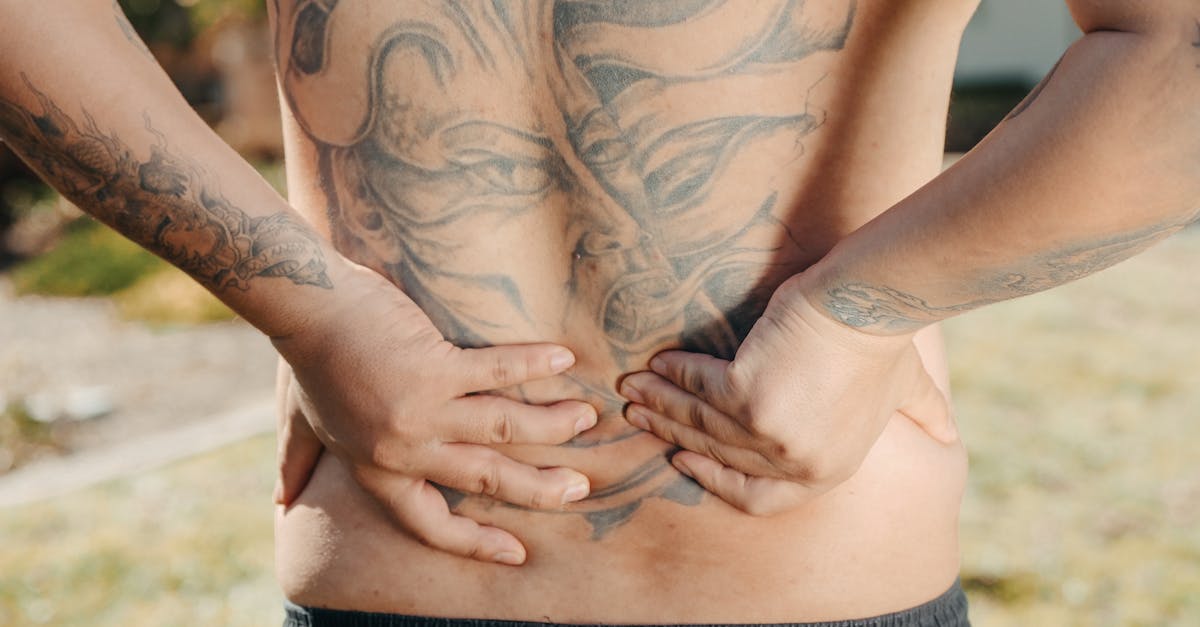
Sharp shooting pain down the right leg when sitting is typically caused by the compression or irritation of the sciatic nerve. Sitting fundamentally alters the biomechanics of the pelvis and lower spine, increasing pressure on the intervertebral discs and the deep gluteal muscles, which can then impinge upon adjacent nerve roots. This neural irritation translates into an electrical, burning, or shooting sensation that travels along the nerve pathway into the thigh, calf, and sometimes the foot.
The human body is biomechanically designed for standing and walking. The seated posture forces the lower back to bear a concentrated load while simultaneously stretching and compressing the tissues of the buttocks. If a structural vulnerability exists, such as a bulging disc or a tight piriformis muscle, the mechanical stress of a chair directly triggers pain pathways.
Identifying the exact location of the nerve impingement is crucial for effective treatment. While the symptom is often broadly labeled as sciatica, the root cause dictates whether the solution lies in spinal decompression, muscular rehabilitation, or ergonomic adjustments to daily postural habits.
2. Anatomical Overview of the Sciatic Nerve
The sciatic nerve is the longest and thickest nerve in the human body. It originates in the lower spine, formed by the convergence of several nerve roots exiting the lumbar and sacral segments. Once bundled together, the nerve exits the pelvis through the greater sciatic foramen, traveling deep beneath the gluteal muscles.
From the buttocks, the nerve courses straight down the back of the thigh. Just above the knee, it branches into smaller nerves that supply the calf, ankle, and foot. Because of this extensive anatomical pathway, an irritation at the nerve root in the spine can manifest as pain anywhere along the entire leg.
The nerve relies on a healthy supply of blood and unimpeded space to function correctly. Any anatomical structure that encroaches on its pathway disrupts its electrical signaling, resulting in sensory anomalies ranging from mild tingling to severe, shooting pain.
3. The Biomechanics of Sitting
When an individual transitions from standing to sitting, the pelvis rotates backward. This posterior pelvic tilt flattens the natural inward curve of the lumbar spine. Flattening this curve significantly increases the hydrostatic pressure within the intervertebral discs.
Furthermore, sitting transfers the weight of the upper body directly onto the ischial tuberosities, which are the sit bones at the base of the pelvis. The sciatic nerve runs very close to these bones. A hard chair or prolonged sitting compresses the soft tissues against the bone, reducing the physical space available for the nerve.
This dual action of increased spinal disc pressure from above and direct physical compression from below creates a hostile environment for the sciatic nerve. The longer the sitting posture is maintained, the greater the mechanical stress, leading to a progressive worsening of the shooting pain.
4. Lumbar Disc Herniation
The intervertebral discs act as shock absorbers between the bones of the spine. They possess a tough outer ring and a gel-like center. Due to age, wear, or sudden injury, the outer ring can weaken, allowing the inner gel to bulge outward. This is known as a herniated or bulging disc.
Because sitting increases disc pressure by up to forty percent compared to standing, a compromised disc will bulge further when seated. This bulge often protrudes into the spinal canal or the foramen where the nerve roots exit. The physical contact between the disc material and the nerve root triggers immediate inflammation.
The inflammatory chemicals released by the damaged disc further irritate the nerve, making it hypersensitive. When the patient sits, the mechanical bulge presses directly against the inflamed nerve root, sending a sharp, electrical shock down the right leg.
5. Piriformis Syndrome Involvement
The piriformis is a small, band-like muscle located deep in the buttocks. Its primary function is to externally rotate the hip. In most individuals, the sciatic nerve runs directly beneath this muscle. However, anatomical variations exist where the nerve passes through the muscle fibers.
If the piriformis muscle becomes tight, spasms, or hypertrophies from overuse or prolonged sitting, it can clamp down on the underlying sciatic nerve. This condition, distinct from a spinal disc issue, is medically termed piriformis syndrome.
Sitting places the piriformis muscle under tension while simultaneously compressing it against the chair. This muscular entrapment starves the nerve of local blood flow and physically pinches the nerve fibers, resulting in a deep gluteal ache that shoots down the back of the leg.
6. Unilateral Presentation Mechanics
Patients frequently wonder why the shooting pain specifically targets the right leg. The unilateral nature of sciatica is entirely dependent on the physical location of the compression.
If a lumbar disc herniates slightly to the right side of the spinal canal, it will only impinge the right-sided nerve roots. The spinal cord and nerve roots are highly organized. A right-sided structural defect produces strictly right-sided symptoms.
Similarly, if an individual habitually sits with their wallet in their right back pocket or crosses their right leg over their left, they create asymmetrical pressure. This unequal weight distribution specifically compresses the right piriformis muscle and the right sciatic nerve, leading to localized right leg pain.
7. Ischial Tuberosity and Nerve Gliding
Nerves are not static wires. They must glide smoothly through the surrounding tissues as the body moves. The sciatic nerve requires several centimeters of excursion to accommodate the bending of the hip and knee.
Prolonged sitting, especially on hard surfaces, can cause microtrauma to the fascia and connective tissue around the ischial tuberosity. This microtrauma heals with scar tissue or adhesions, which bind the nerve to the surrounding structures, restricting its ability to glide.
When the patient sits, the tension on the tethered nerve increases. Instead of sliding freely, the nerve is stretched beyond its physiological limit. This mechanical tethering creates a sharp, pulling pain that travels rapidly down the limb.
8. Vascular Considerations in Neuralgia
Nerves require a constant, robust blood supply to function. They are supplied by a delicate network of tiny blood vessels called the vasa nervorum. Compression not only pinches the nerve fibers but also collapses these vital blood vessels.
When sitting compresses the sciatic nerve, it induces transient local ischemia, depriving the nerve tissue of oxygen and nutrients. Nerves are exquisitely sensitive to ischemia. They respond by firing abnormal, erratic electrical signals.
This ischemic firing is perceived by the brain as sharp, burning, or shooting pain. When the patient stands up and walks, relieving the compression, blood flow is restored to the vasa nervorum, and the shooting pain often subsides rapidly.
9. Structural Comparison of Nerve Irritation Sources
Differentiating between a spinal source and a muscular source of nerve pain helps guide effective therapy.
| Clinical Feature | Lumbar Disc Herniation | Piriformis Syndrome |
|---|---|---|
| Location of Greatest Pain | Lower back radiating downward | Deep buttock radiating downward |
| Effect of Forward Bending | Typically worsens the shooting pain | May relieve or slightly stretch the pain |
| Coughing or Sneezing | Causes sharp spikes in pain | Usually has no effect on pain |
| Palpation Sensitivity | Tenderness over the lumbar spine | Tenderness deep in the gluteal muscle |
10. Postural Habits and Ergonomics
The modern workplace heavily relies on prolonged sitting, often in poorly designed chairs. Slouching or adopting a C-shaped spinal posture drastically exacerbates mechanical stress on the lower lumbar discs.
Chairs that lack proper lumbar support encourage the pelvis to roll backward, flattening the lumbar curve. Furthermore, chairs with seat pans that are too deep can place direct pressure on the back of the knees, altering blood flow and nerve tension throughout the entire leg.
Adjusting the workstation so that the hips are slightly higher than the knees and utilizing a firm lumbar roll can immediately reduce the mechanical pressure on the disc spaces and alleviate the firing of the sciatic nerve.
11. The Role of Core Stability
The spine relies on a muscular corset for stability. The deep abdominal muscles, the multifidus in the back, and the pelvic floor work together to support the spinal column. When these muscles are weak, the passive structures like the discs and ligaments must bear the entire mechanical load of sitting.
A lack of core endurance leads to postural collapse over time. As the muscles fatigue during a long day at a desk, the posture degrades, and the compression forces on the lumbar spine increase significantly.
Strengthening the core provides active support, maintaining the natural lordotic curve of the spine even while seated. This active muscular stabilization is one of the most effective long-term strategies for preventing nerve compression.
12. Diagnostic Imaging and Clinical Evaluation
When shooting leg pain becomes chronic, a comprehensive clinical evaluation is warranted. A physician will perform specific neurological tests, such as the Straight Leg Raise test. In this assessment, the physician lifts the patient’s straightened leg to see if it reproduces the shooting pain, which strongly indicates nerve root compression.
Reflexes at the knee and ankle, as well as muscle strength and sensory perception in the foot, are carefully evaluated to pinpoint exactly which nerve root is affected.
Magnetic Resonance Imaging provides a detailed visual map of the soft tissues. It clearly reveals disc bulges, nerve root impingements, and muscle abnormalities, allowing the clinician to definitively diagnose the anatomical cause of the sciatica.
13. Conservative Management Strategies
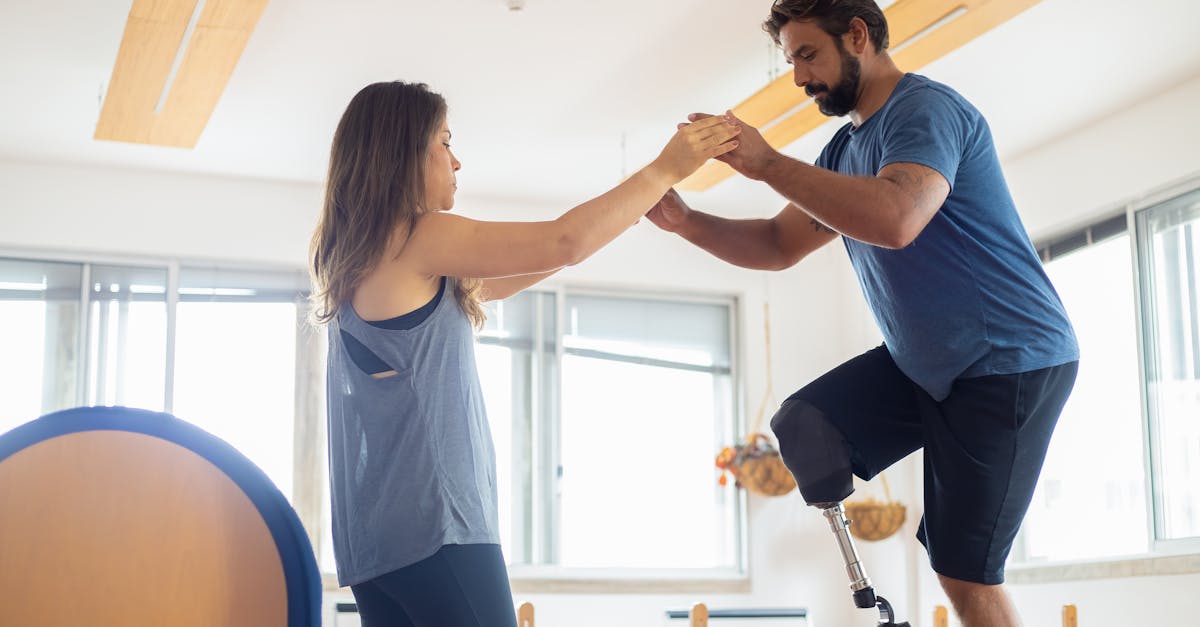
The first line of defense against sitting-induced nerve pain involves conservative, non-invasive therapies. Physical therapy focuses on specific exercises designed to decompress the spine and mobilize the sciatic nerve.
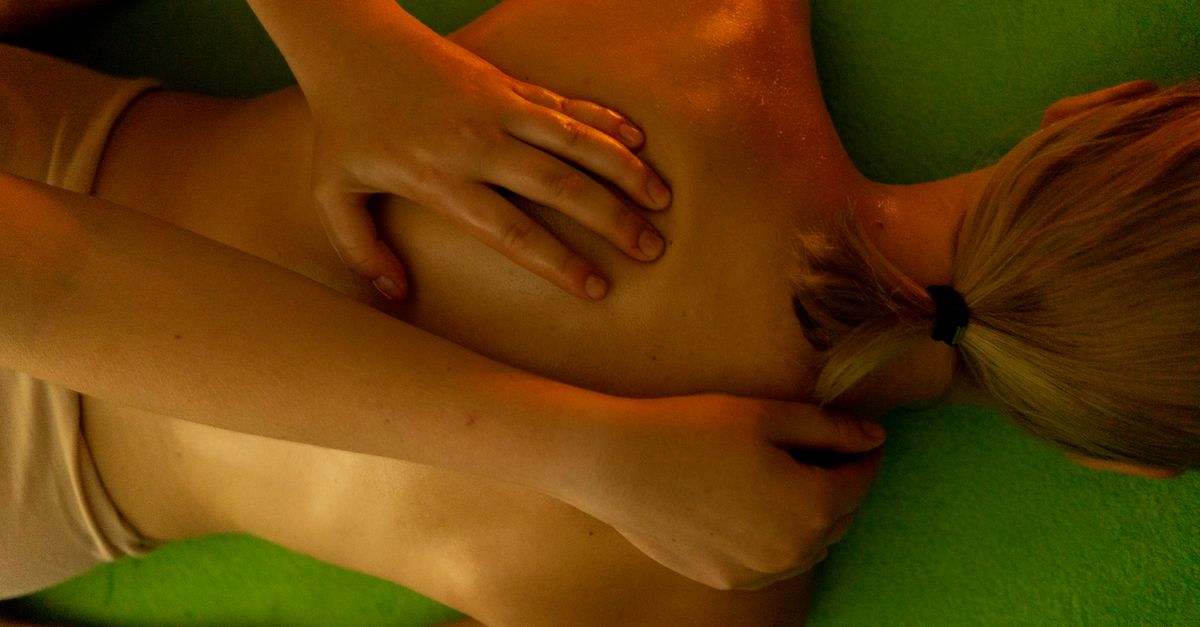
McKenzie extension exercises are frequently utilized for disc-related issues. These movements push the bulging disc material away from the nerve root. For piriformis syndrome, deep tissue massage, myofascial release, and targeted stretching of the external hip rotators alleviate the muscular entrapment.
Nonsteroidal anti-inflammatory medications may be prescribed to reduce the chemical inflammation surrounding the nerve, making it less sensitive to mechanical compression during sitting.
14. When to Seek Urgent Medical Care
While shooting leg pain is common, certain accompanying symptoms require immediate emergency medical attention. If the shooting pain is accompanied by sudden, severe weakness in the leg, it indicates profound nerve damage that may become permanent if not addressed quickly.
A condition called Cauda Equina Syndrome occurs when the large bundle of nerves at the base of the spinal cord is severely compressed. Symptoms include saddle anesthesia, which is numbness in the groin and buttocks, along with a sudden loss of bowel or bladder control.
These red flag symptoms constitute a surgical emergency. Immediate decompression is required to prevent permanent paralysis and preserve organ function.
15. Long Term Preventive Measures
Preventing the recurrence of shooting leg pain requires permanent lifestyle modifications. Taking micro-breaks to stand and walk every thirty minutes is essential for rehydrating the spinal discs and restoring blood flow to the gluteal muscles.
Maintaining a healthy body weight reduces the overall mechanical load placed on the lumbar spine. Implementing a daily routine of gentle spinal mobility and hamstring stretching ensures that the neural tissues retain their flexibility and gliding capacity.
Investing in an ergonomic chair that promotes anterior pelvic tilt and utilizing standing desks intermixed with sitting periods provides an optimal mechanical environment for the spine, significantly reducing the risk of nerve impingement over time.
16. Frequently Asked Questions (FAQ)
1. Will the shooting pain go away if I just rest in bed?
Prolonged bed rest is generally not recommended for sciatic pain. Lack of movement can cause the muscles to stiffen and the joints to tighten, potentially making the pain worse when you eventually sit or stand. Gentle, pain-free movement is preferred.
2. Does a thick wallet in my back pocket really cause leg pain?
Yes. Sitting on a thick wallet creates an asymmetrical tilt in your pelvis and places direct mechanical pressure onto the piriformis muscle and the underlying sciatic nerve, frequently triggering localized pain.
3. Can stretching make the shooting pain worse?
If the nerve is highly inflamed, aggressive stretching, especially touching your toes, can pull the nerve tighter against the compressed area, increasing the pain. Stretches must be targeted and gentle.
4. How do I know if my pain is from a muscle or a disc?
Generally, pain that increases with coughing or leaning forward originates from a spinal disc. Pain that feels like a deep ache in the buttock and only travels partway down the leg often stems from the piriformis muscle.
5. Are standing desks better for sciatic nerve pain?
Standing desks reduce the compressive forces on the lower back and gluteal muscles compared to sitting. Alternating between sitting and standing is the most effective approach for preventing static postural strain.
17. Bibliography
Disclaimer: The content is for informational purposes only and does not replace medical advice. Always consult your doctor for personalized treatment.