1. Introduction
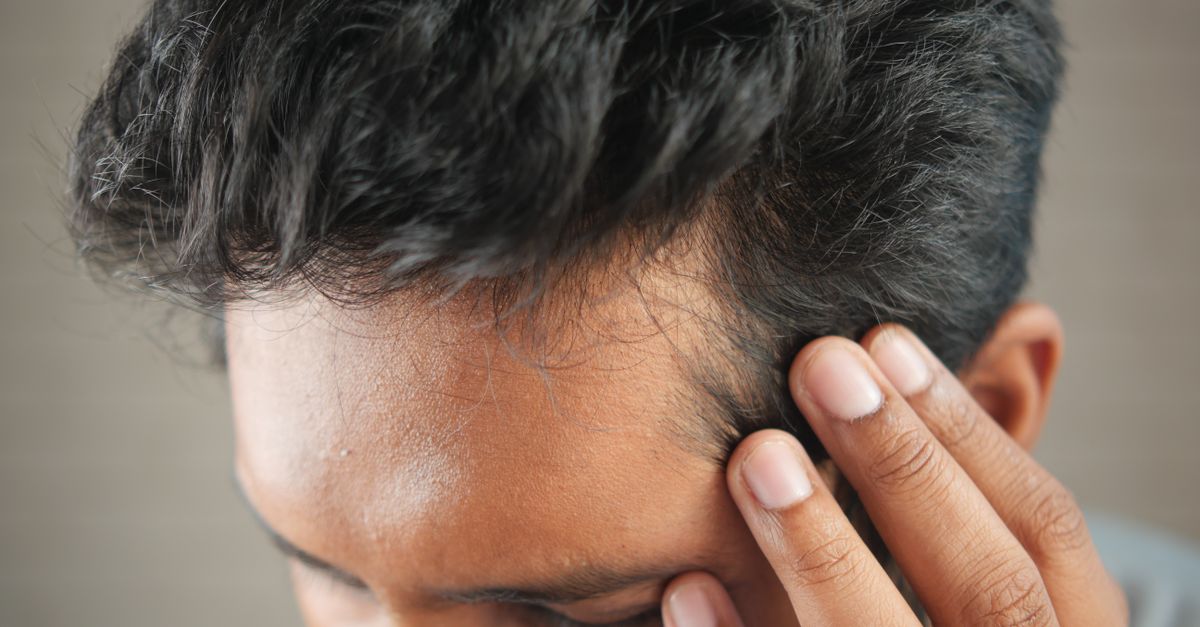
Scalp tenderness when changing your hair parting direction is primarily caused by the mechanical fatigue and sensory irritation of the arrector pili muscles and the intricate nerve networks surrounding each hair follicle. When hair is consistently styled in one direction, the underlying musculature and fascial tissues adapt to that specific resting angle. Forcing the hair to lay in the opposite direction places immediate, unaccustomed mechanical tension on the follicles, triggering localized inflammation and nerve sensitivity that the brain interprets as a tender, bruised sensation.
The human scalp is an incredibly dense sensory landscape. Every single hair follicle is wrapped in a web of nerve endings designed to detect the slightest environmental shift, such as a light breeze or a crawling insect. These nerves are highly sensitive to physical displacement.
Changing a long-standing hair part forces millions of these sensory receptors to adjust to a new mechanical baseline. While this discomfort is generally benign and transient, understanding the underlying anatomy highlights the profound connection between daily grooming habits and neuromuscular adaptation, and offers simple strategies to alleviate the acute soreness.
2. Anatomy of the Scalp and Hair Follicles
The scalp consists of five distinct anatomical layers, providing protection to the skull and housing the dense population of hair follicles. The outermost epidermal layer contains the pores through which the hair shafts exit.
Beneath the epidermis lies the dermis, where the vital structures of the hair reside. Each hair follicle is an active micro-organ, surrounded by sebaceous glands that produce lubricating oils, and a rich capillary bed that supplies oxygen and nutrients.
Crucially, the base of every hair follicle is encased in a highly specialized network of sensory nerve endings. These nerves are mechanoreceptors; they translate physical movement of the hair shaft into electrical signals sent to the brain, providing continuous tactile feedback regarding the state of the hair.
3. Arrector Pili Muscle Fatigue
Attached to the side of every hair follicle is a tiny bundle of smooth muscle fibers called the arrector pili muscle. Under normal conditions, these muscles contract in response to cold temperatures or emotional stress, causing the hair to stand upright, a phenomenon known as goosebumps.
When you part your hair in the same direction for years, the arrector pili muscles become structurally conditioned to that specific angle of repose. They maintain a baseline resting tone that supports the hair shaft leaning in the customary direction.
Flipping the hair part forces the hair shaft to lay against the natural pull of the arrector pili muscle. This prolonged mechanical resistance fatigues the tiny muscle fibers. The exhausted muscles become inflamed, producing lactic acid and other metabolic byproducts that sensitize the local nerves, resulting in a dull, aching tenderness.
4. Neuromuscular Adaptation to Hair Direction
The nervous system constantly strives for efficiency. When the hair is parted in the same direction daily, the sensory nerves at the base of the follicles adapt to that constant positional signal. The brain essentially tunes out the sensory input from that specific angle.
Reversing the hair part suddenly bombards the central nervous system with novel sensory information. Millions of follicles are now leaning in an unaccustomed direction, and the nerves register this displacement as an abnormal physiological event.
The sudden influx of positional data overwhelms the local neural pathways. The brain misinterprets this overwhelming mechanical feedback as low-grade nociceptive pain, leading to the sensation that the skin of the scalp itself is bruised or highly sensitive to the touch.
5. The Role of Tension Alopecia
Grooming habits heavily influence scalp health. Wearing hair tightly pulled back in ponytails, braids, or tight buns places continuous traction on the hair follicles. Over time, this chronic pulling can lead to a condition called traction alopecia.
Even without tight styling, the weight of long or thick hair falling heavily to one side creates a constant, mild traction force. The fascial connective tissue in the scalp adapts to this unilateral pull.
When the part is switched, the weight of the hair pulls on the fascia in a completely new direction. The fascial tissue, which is richly innervated, resists this new line of tension. This mechanical fascial strain contributes significantly to the feeling of a sore or tight scalp.
6. Sebum Accumulation and Micro-Inflammation
The sebaceous glands attached to the hair follicles produce sebum, a natural oil that protects the hair and skin. When hair is parted the same way continuously, the physical microclimate of the scalp—including airflow and oil distribution—becomes static.
Changing the part exposes previously covered areas of the scalp to the environment and alters how sebum flows along the hair shafts. In some cases, shifting the hair can disturb microscopic accumulations of sebum and dead skin cells at the base of the follicle.
This physical disturbance can trigger a minor immune response. The body initiates a micro-inflammatory cascade to clear the disturbed debris. This invisible, subclinical inflammation increases the sensitivity of the local pain receptors, adding a stinging quality to the overall tenderness.
7. Scalp Sensitivity and Trigeminal Nerve Branches
The sensation of the anterior and lateral scalp is supplied by branches of the trigeminal nerve, the primary sensory nerve for the face and head. The trigeminal system is notoriously reactive and prone to sensitization.
If an individual is experiencing systemic stress, lack of sleep, or hormonal fluctuations, the baseline excitability of the trigeminal nerve increases. During these periods, the minor mechanical strain of flipping the hair part is magnified exponentially.
A sensory input that would normally be ignored is amplified by the hyper-reactive trigeminal system into a prominent, aching headache-like pain that radiates across the top of the skull.
8. Allodynia and Migraine Sensitization
For individuals who suffer from chronic migraines, scalp tenderness can be a manifestation of cutaneous allodynia. Allodynia is a neurological condition where a normally non-painful stimulus—such as lightly touching the skin, brushing the hair, or changing a hair part—elicits severe pain.
During or even between migraine attacks, the central pain pathways in the brainstem become hyperexcitable. The threshold for pain drops drastically.
If changing the hair part causes excruciating pain rather than mild soreness, it strongly indicates that the central nervous system is in a sensitized, pre-migraine state. The mechanical shifting of the hair follicles is simply the trigger that exposes the underlying neurological hyper-reactivity.
9. Blood Flow and Tissue Oxygenation
The scalp possesses one of the richest blood supplies in the human body. However, chronic tension in the muscles of the head and neck, known as the epicranial aponeurosis, can constrict the tiny capillaries feeding the hair follicles.
When the hair is flipped to a new direction, the strained arrector pili muscles require more oxygen to manage the new mechanical load. If the baseline blood flow is already restricted due to tension, the follicles become slightly ischemic (lacking oxygen).
This localized ischemia causes the cells to release inflammatory distress signals. Massaging the scalp helps to force open these constricted capillaries, delivering fresh oxygenated blood to the exhausted follicles and rapidly relieving the hypoxic ache.
10. Dermatological Conditions Presenting as Soreness
While mechanical strain is the most common cause of parting soreness, underlying dermatological conditions can heighten baseline scalp sensitivity. Conditions such as seborrheic dermatitis, scalp psoriasis, or mild folliculitis cause chronic, low-grade inflammation of the skin barrier.
When the skin is already inflamed, the simple mechanical act of moving the hair shafts agitates the compromised epidermis. The sensory nerves, already irritated by the skin condition, fire sharply when disturbed.
If the scalp tenderness is accompanied by visible redness, excessive flaking, scaling, or tiny pustules around the hair follicles, a dermatological pathology is driving the hyper-sensitivity and requires specific topical treatment.
11. Hair Care Practices Influencing Scalp Health
The products used on the hair can exacerbate mechanical soreness. Heavy styling gels, dry shampoos, and hairsprays coat the base of the hair shaft, effectively gluing the hair into a specific position.
When a person attempts to change their part while these products are present, the chemical adhesion actively fights the movement. The force required to bend the hair shaft tears at the follicular root, significantly multiplying the mechanical trauma.
Furthermore, infrequent washing allows environmental pollutants and oxidized sebum to accumulate, fostering an inflammatory environment that lowers the pain threshold of the entire scalp surface.
12. Managing Scalp Tenderness
- Gradual Training: Instead of flipping the part entirely to the opposite side, move it a quarter of an inch every few days to allow the arrector pili muscles to adapt slowly to the new angle.
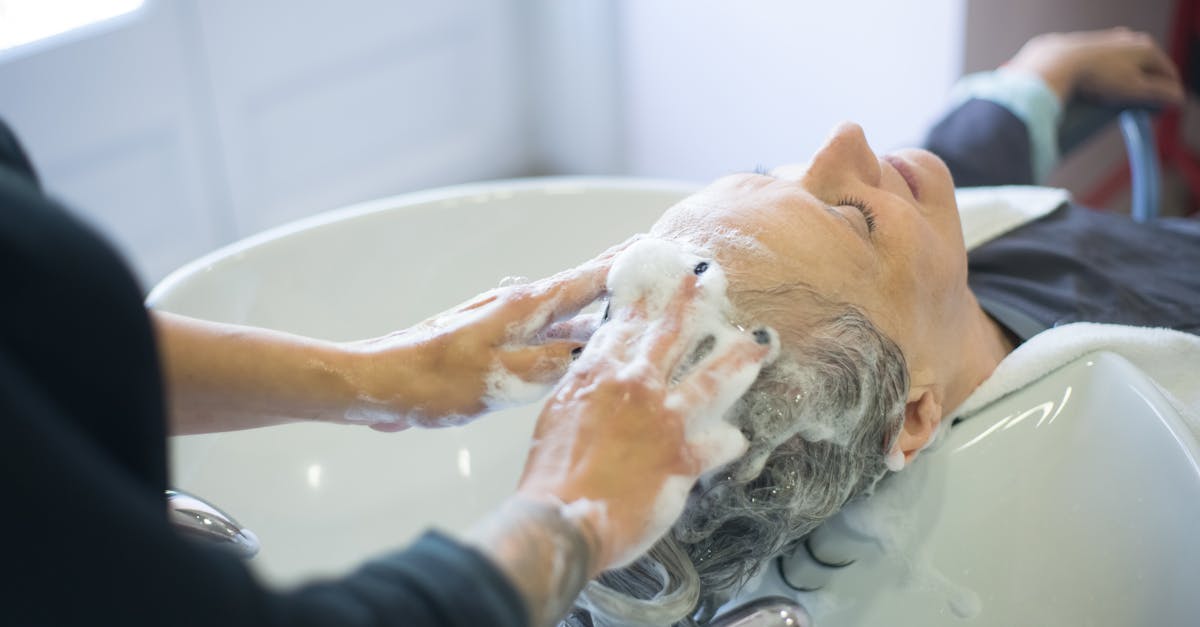
- Scalp Massage: Gently massaging the roots with fingertips increases microcirculation, flushes out metabolic waste from fatigued muscles, and desensitizes the hyperactive nerve endings.
- Warm Water Therapy: Taking a warm shower relaxes the smooth muscles attached to the follicles and softens the fascial tissues, making the hair easier to redirect without resistance.
- Avoid Tight Styles: Refrain from tying the hair back tightly when changing a part, as this adds compounding traction force to the already stressed follicles.
13. When to Consult a Healthcare Provider
Benign scalp tenderness from changing a hair part typically resolves on its own within twenty-four to forty-eight hours as the follicles adapt. However, if the pain persists for weeks or becomes progressively worse, clinical evaluation is necessary.
Severe, unyielding scalp pain, especially in older adults, can be a warning sign of temporal arteritis, an inflammatory condition of the blood vessels in the scalp that requires emergency medical treatment to prevent vision loss.
Additionally, if the tenderness is accompanied by sudden, patchy hair loss, a dermatologist should evaluate the scalp for autoimmune conditions like alopecia areata or scarring alopecias that destroy the hair follicle.
14. Frequently Asked Questions (FAQ)
1. Why does my hair physically hurt when it gets dirty?
When hair is unwashed, sebum and dead skin cells build up at the root, creating a heavy, acidic environment. This buildup fosters mild fungal growth and micro-inflammation, making the nerve endings around the follicle highly sensitive to any physical movement.
2. Does changing my part frequently prevent hair loss?
Yes, consistently parting hair in the exact same location exposes that specific line of scalp to environmental UV damage and places constant traction on those specific follicles, which can eventually lead to localized thinning. Shifting the part protects the hairline.
3. Why is the pain worse on the top of my head compared to the sides?
The top of the head bears the most direct weight of the hair fighting gravity. The fascial layer over the crown is also very thin and tightly stretched, making the sensory nerves there much more susceptible to mechanical tension than the looser skin on the sides.
4. Can a lack of vitamins cause my scalp to feel sore?
Severe nutritional deficiencies, particularly a lack of vitamin B12 or iron, can cause peripheral neuropathy or generalized nerve hyper-sensitivity. While not a direct cause of parting pain, it can make normal mechanical sensations feel unusually uncomfortable.
5. Should I brush my hair while it’s wet to change the part?
Yes, wet hair is more pliable, and the warm water from a shower relaxes the arrector pili muscles. Brushing a new part into place while the hair is wet and allowing it to air-dry minimizes the mechanical resistance and significantly reduces subsequent soreness.
15. Bibliography
Disclaimer: The content is for informational purposes only and does not replace medical advice. Always consult your doctor for personalized treatment.