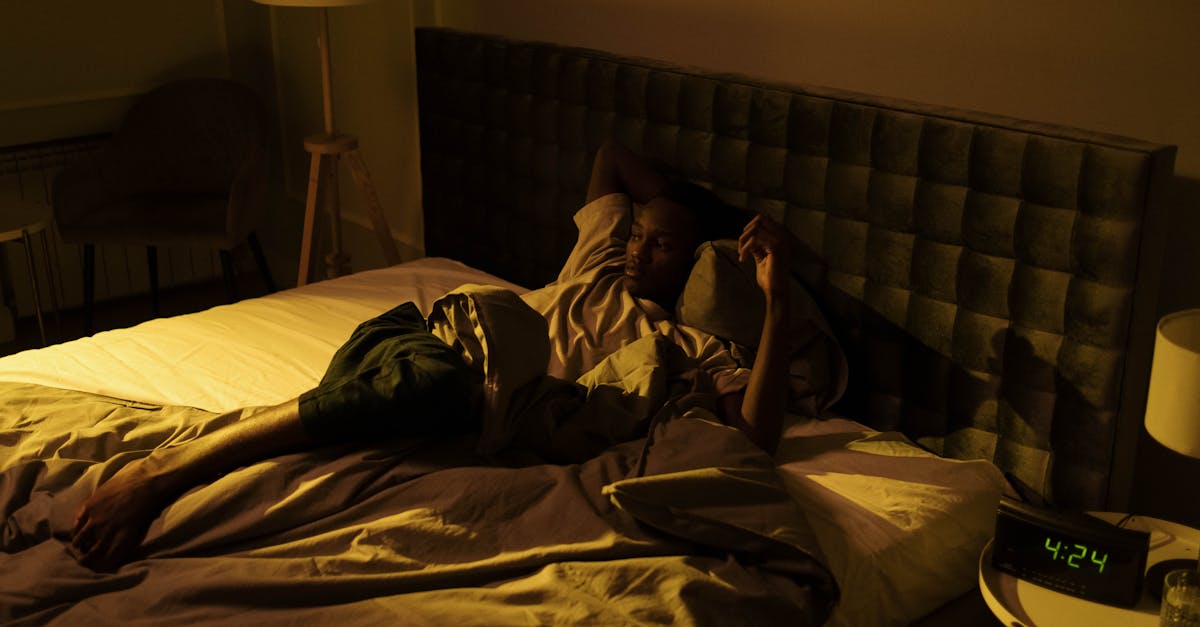
1. Introduction to Sleep Deprivation and Vision
Yes, a lack of sleep can directly cause blurry vision and various other visual disturbances. When the body is deprived of adequate restorative rest, the delicate muscles controlling eye movement and focus become fatigued, and the glands responsible for lubricating the ocular surface fail to produce sufficient tears. This combination of muscular exhaustion and tissue dehydration compromises the ability of the eyes to maintain a sharp, clear image.
Understanding the connection between systemic fatigue and visual acuity is essential for recognizing that transient blurred vision is often a physiological distress signal rather than an irreversible structural defect. The human visual system requires constant metabolic support and regular periods of downtime to function optimally. Ensuring consistent, quality sleep is a foundational requirement for maintaining crisp and comfortable vision throughout the day.
2. The Tear Film and Ocular Lubrication
The surface of the eye, specifically the cornea, relies on a continuous, smooth layer of tears to refract light accurately. This tear film is composed of water, lipids, and mucins produced by various glands surrounding the eye. During sleep, closed eyelids prevent tear evaporation, allowing the ocular surface to rehydrate and repair any microscopic cellular damage incurred during waking hours.
Sleep deprivation disrupts this restorative process. Without adequate closed eye resting time, the tear film evaporates rapidly, leading to a condition clinically known as dry eye syndrome. A dry, uneven corneal surface scatters incoming light rather than focusing it sharply onto the retina, resulting in a fluctuating, blurry image that often worsens as the day progresses.
3. Ciliary Muscle Fatigue and Focus
The ability to focus on objects at varying distances is controlled by the ciliary muscle, a small ring of smooth muscle located behind the iris. This muscle constantly adjusts the shape of the crystalline lens to maintain sharp focus, a process called accommodation. Like any muscle in the body, the ciliary muscle requires energy and rest to perform its continuous, meticulous work.
When an individual lacks sleep, the ciliary muscle experiences profound fatigue. It becomes sluggish and struggles to change the shape of the lens quickly and accurately. This muscular exhaustion presents clinically as accommodative dysfunction, where the patient notices significant difficulty and slowness when shifting their focus from a distant object to a near object, creating a persistent blur.
4. Extraocular Muscle Coordination
Human vision relies on the perfect synchronization of the six extraocular muscles surrounding each eye. These muscles work in tandem to direct both eyes toward the exact same focal point, ensuring binocular vision and depth perception. The brain coordinates these complex muscular movements automatically.
Sleep deprivation impairs the neural pathways responsible for this coordination. As the central nervous system becomes fatigued, the extraocular muscles may drift slightly out of alignment. This subtle misalignment prevents the two eyes from converging perfectly, causing the brain to receive two slightly different images. The visual cortex interprets this discrepancy as blurred vision or, in more pronounced cases, double vision.
5. Corneal Swelling and Oxygen Deprivation
The cornea is unique because it lacks a direct blood supply; it extracts the oxygen it needs directly from the ambient air while awake and from the blood vessels of the inner eyelid during sleep. The cornea must maintain a very precise fluid balance to remain perfectly transparent.
Subclinical alterations in this fluid balance can occur when the body is under profound physiological stress from sleep loss. The endothelial cells that pump fluid out of the cornea may operate less efficiently, leading to microscopic corneal swelling, known as edema. Even a slight increase in corneal thickness can alter light refraction and degrade visual clarity.
6. Neurological Processing of Visual Stimuli
Vision is not solely a mechanical function of the eye; it is heavily dependent on the brain’s ability to process and interpret sensory data. The optic nerve transmits millions of electrical impulses to the visual cortex located in the occipital lobe. This neurological processing requires significant metabolic energy.
A lack of sleep severely compromises cognitive processing speed and neural efficiency. The brain struggles to interpret the visual signals promptly and accurately. This cognitive slowing can make the visual environment seem slightly unfocused or hazy, even if the structural components of the eye are functioning within normal parameters. The blur is occurring at the processing level rather than the optical level.
7. Intraocular Pressure Fluctuations
The eye maintains a specific internal fluid pressure, known as intraocular pressure, which is necessary to keep the globe inflated and optically precise. This pressure naturally follows a circadian rhythm, fluctuating slightly throughout a standard twenty four hour cycle.
Disrupting the sleep cycle through chronic insomnia or shift work alters the normal circadian regulation of intraocular fluid production and drainage. Erratic fluctuations in this internal pressure can place subtle mechanical stress on the cornea and the optic nerve. While this rarely causes immediate pain, it can contribute to transient episodes of hazy or blurred vision.
8. Eyelid Spasms and Myokymia
A common physical manifestation of sleep deprivation is myokymia, which is the involuntary twitching or spasming of the eyelid muscles. This occurs due to the increased irritability of the facial nerve branches caused by systemic fatigue and elevated stress hormones.
While a twitching eyelid does not directly alter the optical properties of the eye, the constant, rapid movement of the tissue over the cornea can be highly distracting and visually disruptive. The physical fluttering can interrupt the visual field, creating a subjective sensation of blurry or unstable vision until the muscle spasm subsides.
9. Digital Eye Strain Exacerbation
Modern sleep deprivation is frequently linked to prolonged nighttime use of digital screens. The blue light emitted by smartphones and computers suppresses the natural production of melatonin, delaying the onset of sleep. Consequently, the eyes are subjected to extended periods of intense near focus work without adequate blinking.
This prolonged digital exposure induces a condition called computer vision syndrome. When combined with an existing sleep deficit, the eyes are unable to recover from the intense strain of staring at a backlit screen. The resulting blurry vision is a compounded effect of both digital fatigue and fundamental sleep deprivation.
10. Differentiating Sleep Deprivation from Ocular Pathology
Distinguishing between temporary, fatigue induced blurriness and a serious eye condition is a crucial diagnostic step.
| Clinical Feature | Fatigue-Induced Blurry Vision | Pathological Vision Loss |
|---|---|---|
| Onset | Gradual, associated with feeling tired | Often sudden, unrelated to sleep status |
| Fluctuation | Comes and goes, improves with blinking | Constant, fixed blind spots or shadows |
| Pain | Mild ache, dry sensation, heavy eyelids | Sharp ocular pain, deep ache behind the eye |
| Resolution | Clears completely after a full night of sleep | Persists despite adequate rest and hydration |
A blur that fails to resolve after restorative sleep requires comprehensive ophthalmological assessment.
11. The Impact of Chronic Insomnia
While a single night of poor sleep causes mild, transient symptoms, chronic insomnia exerts a more profound toll on ocular health. The continuous lack of restorative sleep keeps the autonomic nervous system in a state of prolonged sympathetic arousal, elevating systemic inflammation.
Chronic inflammation can affect the delicate vascular networks supplying the retina and optic nerve. Over time, individuals with severe, untreated sleep disorders are at a statistically higher risk for developing ischemic ocular issues. Addressing the root cause of the insomnia protects both systemic health and long term visual function.
12. Restorative Sleep Phases
The human sleep cycle consists of several stages, including rapid eye movement and deep, slow wave sleep. During the rapid eye movement phase, the eyes dart back and forth beneath closed lids. This movement is believed to help distribute oxygen and nutrients to the cornea and prevent the eyelids from adhering to the ocular surface.
Deep sleep is characterized by tissue repair and metabolic clearance. If sleep is fragmented and these specific phases are interrupted, the eyes are denied their biological maintenance window. The resulting accumulation of cellular waste products and persistent tissue dryness directly manifest as poor visual acuity the following day.
13. Hydration and Systemic Fluid Balance
Sleep deprivation frequently alters natural dietary habits, leading individuals to consume excessive caffeine and neglect plain water intake. Caffeine is a mild diuretic that can contribute to systemic dehydration. Because the tear film requires a robust supply of systemic fluid to function, dehydration severely exacerbates dry eye symptoms.
When the body is dehydrated, the tear film becomes hyperosmolar, meaning it is too salty and lacks adequate water volume. This salty tear film causes a stinging sensation, prompts reflex tearing, and creates a thick, unstable fluid layer that severely distorts light, creating a smeared or blurred visual effect.
14. Conservative Management Strategies
Resolving blurry vision caused by fatigue primarily involves targeted lifestyle adjustments. Utilizing artificial tear drops without preservatives can immediately stabilize the tear film and restore optical clarity during periods of exhaustion. Implementing the twenty twenty twenty rule is also beneficial; every twenty minutes, look at an object twenty feet away for twenty seconds to relax the ciliary muscle.
Prioritizing strict sleep hygiene is the ultimate cure. Establishing a cool, dark sleeping environment and eliminating screen time an hour before bed promotes the natural release of melatonin. As the individual accumulates sufficient, high quality rest, the ocular muscles regain their strength and visual acuity naturally sharpens.
15. When to Seek an Ophthalmological Consultation
While blurry vision associated with exhaustion is standard, specific warning signs dictate the need for prompt medical evaluation. If the blurred vision is accompanied by seeing flashing lights, a sudden shower of dark floaters, or symptoms resembling a severe tension headache that impacts only one side of the face, immediate clinical assessment is mandatory. An ophthalmologist will perform a dilated eye exam to evaluate the retina and optic nerve, ensuring that structural, sight threatening conditions are not overlooked.
16. Frequently Asked Questions FAQ
1. How many hours of sleep do my eyes need to function properly?
Most adults require between seven and nine hours of continuous sleep per night to allow the ocular muscles to rest completely and the tear film to properly rehydrate the surface of the cornea.
2. Can rubbing my tired eyes cause permanent blurry vision?
Rubbing your eyes vigorously when you are tired can temporarily distort the shape of your cornea and cause blurriness. While occasional rubbing is harmless, chronic and aggressive eye rubbing can thin the cornea over time, leading to a permanent structural distortion called keratoconus.
3. Will eye drops completely cure blurry vision from lack of sleep?
Lubricating eye drops can provide temporary relief by smoothing out the dry tear film, which sharpens your vision briefly. However, they cannot fix the underlying fatigue of your focusing muscles or the cognitive slowing in your brain, so the blur may return until you sleep.
4. Does lack of sleep cause dark circles and blurry vision at the same time?
Yes. Sleep deprivation causes the blood vessels under the thin skin of the eyes to dilate, creating dark circles. Simultaneously, the fatigue impairs your tear production and focusing muscles, meaning both symptoms are direct results of the same physiological exhaustion.
5. Can drinking coffee fix the blurry vision if I am tired?
Coffee provides a temporary central nervous system stimulant effect that might make your brain process visual information slightly faster for a short period. However, caffeine does not rehydrate your eyes or rest your focusing muscles, so it is not a cure for fatigue induced visual blur.
Bibliography
Disclaimer: The content is for informational purposes only and does not replace medical advice. Always consult your doctor for personalized treatment.