1. Introduction
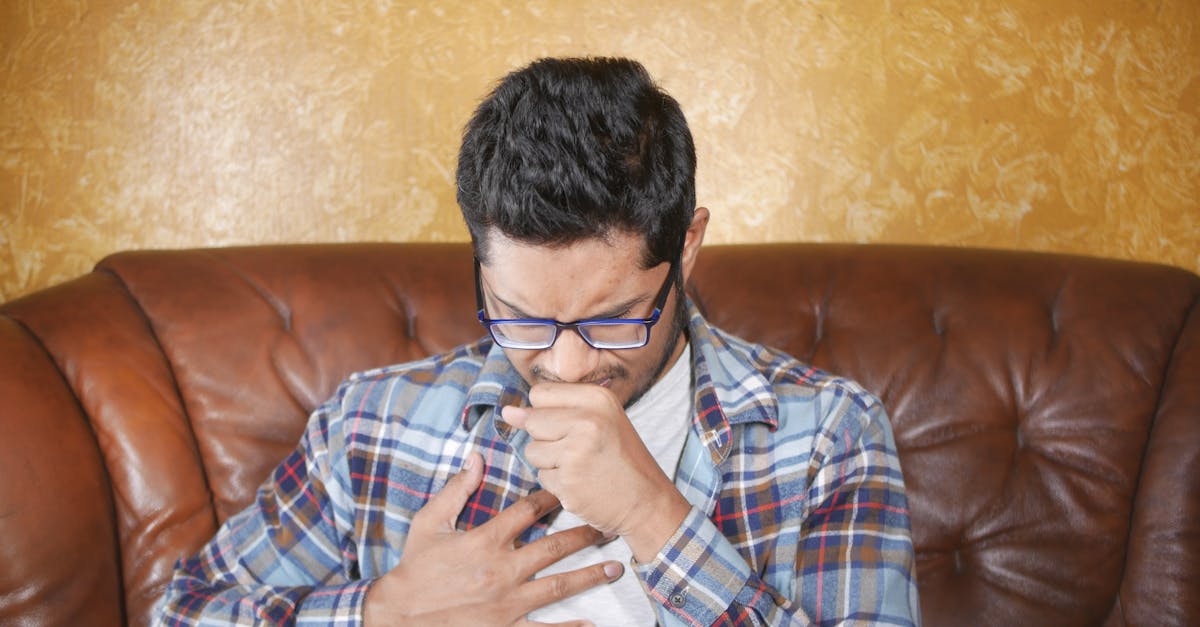
Coughing is a forceful respiratory action that requires rapid and repeated contractions of the abdominal wall musculature to expel air from the lungs. When you cough persistently, these muscles undergo intense physical exertion similar to a strenuous core workout, leading to microscopic muscle fiber tears and subsequent delayed onset muscle soreness. This physiological response explains the deep ache you feel across your midsection following a bout of respiratory illness.
The human body utilizes the cough reflex as an essential defense mechanism to clear the airways of mucus, irritants, and foreign particles. To achieve the high-velocity airflow required for an effective cough, the muscles of the abdomen must engage with explosive force. This sudden contraction pushes the diaphragm upward, forcefully compressing the lungs.
When a viral infection, allergy, or chronic condition triggers frequent coughing fits, the sheer volume of these explosive contractions overwhelms the muscular endurance of the abdominal wall. The resulting soreness is a direct indicator of muscular fatigue and physical strain, mirroring the physiological aftermath of intense athletic training.
2. Biomechanics of a Cough
A cough is categorized into three distinct mechanical phases. The first phase is a deep inspiration, where the lungs fill with a large volume of air. The second phase involves the closure of the glottis, the vocal cords, which seals the airway while the expiratory muscles contract forcefully, building immense intrathoracic pressure.
The third phase is the explosive release. The glottis suddenly opens, and the highly pressurized air is violently expelled outward. The driving force behind this pressure buildup is the rapid, coordinated contraction of the abdominal and intercostal muscles. These muscles act as a muscular corset, squeezing the abdominal contents inward and upward against the diaphragm.
This biomechanical process is incredibly energy-intensive. A single cough can generate airflow speeds exceeding fifty miles per hour. Repeating this complex sequence dozens or hundreds of times a day places an extraordinary mechanical load on tissues that are not typically conditioned for sustained, explosive repetition.
3. The Role of the Rectus Abdominis
The rectus abdominis is the long, flat muscle extending vertically along the front of the abdomen, colloquially known as the “six-pack.” Its primary anatomical function is to flex the lumbar spine, pulling the ribcage toward the pelvis. During a cough, this muscle serves as the primary engine for generating forward compression.
Because the rectus abdominis is positioned superficially and bears the brunt of the compressive force, it is highly susceptible to strain. During a severe coughing fit, this muscle undergoes violent concentric contractions, shortening rapidly against the resistance of the pressurized internal organs.
The soreness felt in the front of the stomach, especially around the belly button and lower ribs, is almost entirely localized within the rectus abdominis. The sensation is virtually indistinguishable from the pain experienced after performing multiple sets of sit-ups or crunches because the biomechanical stress on the muscle fibers is nearly identical.
4. The Oblique and Transversus Abdominis Muscles
Beneath and alongside the rectus abdominis lie the external obliques, internal obliques, and the transversus abdominis. The transversus abdominis is the deepest muscular layer, wrapping horizontally around the torso like a biological weightlifting belt. Its function is to compress the abdominal viscera and stabilize the core.
During the compressive phase of a cough, the transversus abdominis and the oblique muscles fire simultaneously to draw the abdominal wall inward. This multi-directional squeezing is required to force the diaphragm up into the chest cavity. The oblique muscles also assist in the rapid flexion of the torso that often accompanies a violent cough.
Soreness radiating along the sides of the waist or deep within the flanks indicates fatigue in these supporting muscle groups. Because these muscles are deeply integrated with the connective tissues of the lower back and ribs, fatigue here can sometimes mimic kidney pain or rib bruising.
5. Muscle Fatigue and Lactic Acid Accumulation
Muscles require a constant supply of oxygen and adenosine triphosphate, the cellular energy currency, to function. During repetitive, high-intensity contractions like those seen in a chronic cough, the blood supply cannot deliver oxygen fast enough to meet the metabolic demand. The muscles are forced to rely on anaerobic glycolysis for energy.
A byproduct of anaerobic metabolism is the accumulation of lactic acid and other metabolic waste products within the muscle tissue. In the short term, this chemical buildup alters the local pH environment, causing a burning sensation and acute fatigue during the coughing fit itself.
While lactic acid is typically cleared from the tissue within an hour after the physical exertion stops, the metabolic stress contributes to the overall exhaustion of the muscle fibers. The profound weakness felt in the core after days of coughing is a direct result of depleted cellular energy reserves.
6. Microtrauma and Delayed Onset Muscle Soreness
The sustained ache that persists for days is primarily caused by delayed onset muscle soreness. This phenomenon occurs when muscles are subjected to unaccustomed, intense eccentric and concentric loads. The explosive nature of coughing causes microscopic tears in the structural proteins of the muscle fibers, specifically at the Z-lines of the sarcomeres.
The body responds to this microtrauma by initiating a localized inflammatory healing process. Macrophages and other white blood cells infiltrate the damaged tissue to clear away cellular debris, releasing inflammatory cytokines in the process. This chemical signaling increases blood flow and causes mild tissue swelling.
The swelling and chemical mediators stimulate pain receptors within the muscle fascia. This inflammatory pain typically peaks twenty-four to seventy-two hours after the most severe coughing episodes. Therefore, your stomach may hurt the most a day or two after your cold symptoms have peaked.
7. Differentiating Muscle Soreness from Internal Pain
It is clinically vital to distinguish between superficial muscular soreness and pain originating from internal organs. Muscular pain caused by coughing is generally predictable and localized to the abdominal wall. It usually feels like a dull, widespread ache that sharply intensifies precisely at the moment you cough, sneeze, or engage your core muscles to sit up in bed.
Conversely, pain stemming from internal pathology, such as a gastrointestinal issue or an organ infection, typically feels deep, throbbing, or cramping. Internal pain may be accompanied by symptoms like fever, nausea, vomiting, or changes in bowel habits, and it often persists regardless of physical movement or core engagement.
If pressing gently on the surface of your stomach reproduces the tender sensation, it strongly points toward musculoskeletal strain. However, if the pain is severe, unilateral, or completely disproportionate to the amount of coughing you have experienced, it requires immediate clinical evaluation to rule out non-muscular etiologies.
8. The Impact of Chronic Cough
A cough is considered chronic when it persists for more than eight weeks in adults. Chronic coughing transforms acute muscle fatigue into persistent structural strain. The abdominal muscles never receive an adequate recovery window to repair the microscopic tears, leading to a state of constant, low-grade inflammation and tissue breakdown.
In cases of chronic respiratory conditions such as chronic bronchitis, asthma, or severe gastroesophageal reflux disease, the daily mechanical stress can lead to muscle hypertonicity. The muscles become chronically tight and rigid, attempting to splint the area to prevent further pain.
This muscular rigidity alters the biomechanics of normal breathing and posture. Patients with a chronic cough often develop secondary pain in their lower back and thoracic spine because the fatigued abdominal muscles can no longer adequately stabilize the pelvis and ribcage during daily activities.
9. Potential Complications of Severe Coughing
While muscular soreness is a benign, albeit uncomfortable, consequence of coughing, extreme fits can occasionally lead to structural failure. The violent pressure spikes within the thoracic and abdominal cavities can result in injuries that extend beyond simple microtrauma.
One potential complication is a muscle strain or tear. If the force of the contraction exceeds the tensile strength of the muscle fibers or the tendinous insertions, a partial or complete tear can occur. This presents as sudden, sharp, localized pain, often accompanied by bruising or a palpable defect in the muscle belly.
Another rare but documented complication is the rupture of small blood vessels within the rectus abdominis muscle, leading to a rectus sheath hematoma. This condition causes severe, acute pain and a visible swelling or mass on the abdomen, requiring urgent medical imaging and management.
10. Hernia Risk and Abdominal Strains
The extreme intra-abdominal pressure generated during a cough seeks the path of least resistance. If there is a pre-existing weakness in the connective tissue of the abdominal wall, the pressure can force a small portion of internal tissue or intestine through the defect, creating a hernia.
| Type of Abdominal Injury | Primary Mechanism | Clinical Presentation |
|---|---|---|
| Muscular Soreness | Microtrauma from repeated contractions | Widespread, dull ache; worse with movement. |
| Muscle Strain | Acute overloading and tearing of fibers | Sharp, localized pain; potential bruising. |
| Abdominal Hernia | High pressure exploiting tissue weakness | Visible bulge; pain that worsens when coughing or standing. |
| Rib Dysfunction | Spasmodic pulling on rib attachments | Pain along the rib margins; discomfort taking a deep breath. |
11. Respiratory Conditions Contributing to Cough
Understanding the root cause of the cough is essential for eliminating the abdominal pain. Viral upper respiratory infections are the most common culprits, producing acute, self-limiting coughs that resolve in a few weeks. However, persistent symptoms point to underlying pathophysiology.
Post-nasal drip from allergic rhinitis or chronic sinusitis continuously irritates the pharynx, triggering the cough reflex, especially at night. Asthma, characterized by airway hyperresponsiveness, often presents with a dry, hacking cough. Treating these underlying conditions with antihistamines, inhaled corticosteroids, or bronchodilators directly reduces the mechanical demand on the abdominal muscles.
Additionally, certain medications, particularly ACE inhibitors used for hypertension, are notorious for causing a persistent, dry cough as a side effect. Discontinuing the offending agent under medical supervision often resolves the cough and the associated abdominal strain entirely.
12. Strategies to Support Abdominal Muscles While Coughing
Physical therapists often teach a technique known as “splinting” to patients recovering from abdominal surgery. This same technique is highly effective for individuals suffering from severe coughing fits. Splinting involves applying external counter-pressure to the abdomen to support the fatigued musculature during the explosive phase of the cough.
To perform splinting, hold a firm pillow tightly against your stomach and press inward right as you feel the urge to cough. This external bracing reduces the distance the abdominal muscles are forcefully stretched and provides a mechanical backstop, absorbing some of the outward kinetic energy.
Maintaining a relatively upright posture while coughing also helps. Leaning completely forward collapses the diaphragm and forces the abdominal muscles to work harder against poor mechanical leverage. Sitting up straight and engaging the core slightly before the cough hits can stabilize the muscle fibers and prevent sudden overstretching.
13. Rest and Recovery for Strained Muscles
Just as athletes require rest days after heavy training, your core muscles need active recovery. Avoiding heavy lifting, twisting motions, and strenuous exercise is crucial while the abdominal tissues are inflamed. Pushing through the pain will only exacerbate the microtrauma and delay healing.
The application of heat can significantly aid recovery. A heating pad placed over the sore abdominal muscles increases local blood circulation, accelerating the delivery of oxygen and nutrients required for tissue repair. Heat also helps relax hypertonic muscle fibers, reducing cramping and stiffness.
Adequate hydration and nutrition play vital roles in muscle recovery. Drinking plenty of water helps flush metabolic waste products from the inflamed tissues, while consuming sufficient protein provides the amino acid building blocks necessary for repairing the damaged structural proteins within the muscle cells.
14. When to Seek Medical Attention
While generalized soreness is normal, specific warning signs warrant prompt medical evaluation. If the abdominal pain is excruciating, unilateral, or causes you to double over in agony, it may indicate a muscle tear, a hernia, or a non-musculoskeletal emergency such as appendicitis.
A visible bulge in the groin or abdomen that appears after coughing is a classic sign of a hernia and requires surgical assessment. Furthermore, if the pain is accompanied by shortness of breath, coughing up blood, high fever, or an inability to keep food and liquids down, emergency medical care is absolutely necessary.
If the cough itself persists for more than a few weeks without improvement, consulting a physician is essential to diagnose and manage the underlying respiratory or systemic condition, preventing further mechanical damage to your body.
15. Frequently Asked Questions (FAQ)
1. Is it normal for my ribs to hurt as well as my stomach?
Yes. The abdominal muscles attach directly to the lower ribs. The forceful pulling on these tendinous attachments during a cough can cause pain along the rib margins and intercostal muscles.
2. Can I take painkillers for this type of stomach ache?
Over-the-counter anti-inflammatory medications can help reduce the localized muscle inflammation and dull the pain, but they should only be used as directed and will not cure the underlying cough.
3. Will doing sit-ups make my stomach stronger against coughing?
Core strengthening when you are healthy can improve muscular endurance, but performing core exercises while currently suffering from cough-induced soreness will only worsen the tissue damage and delay healing.
4. Can a severe cough actually tear a stomach muscle?
Yes. While rare, violent coughing fits can generate enough mechanical force to cause a partial or complete strain of the rectus abdominis muscle, resulting in sharp pain and potential bruising.
5. Why does my stomach hurt more in the morning after coughing all night?
When you lie down, mucus pools in the airways, often worsening nighttime coughing. Additionally, the lack of movement during sleep allows inflammatory fluids to settle in the micro-tears of the muscles, leading to increased stiffness and soreness upon waking.
Bibliography
Disclaimer: The content is for informational purposes only and does not replace medical advice. Always consult your doctor for personalized treatment.