1. Introduction: Halting Acute Neuromuscular Spasms
To stop a sudden muscle cramp in the foot, immediately bear weight on the affected leg and actively stretch the toes upward toward the shin to mechanically lengthen the contracted muscle fibers. Applying firm, deep friction massage to the arch of the foot stimulates localized blood flow and helps release the spastic tissue. Ensuring adequate systemic hydration and replenishing intracellular electrolytes, particularly magnesium and potassium, will prevent the neurological misfiring that causes these acute, painful spasms.
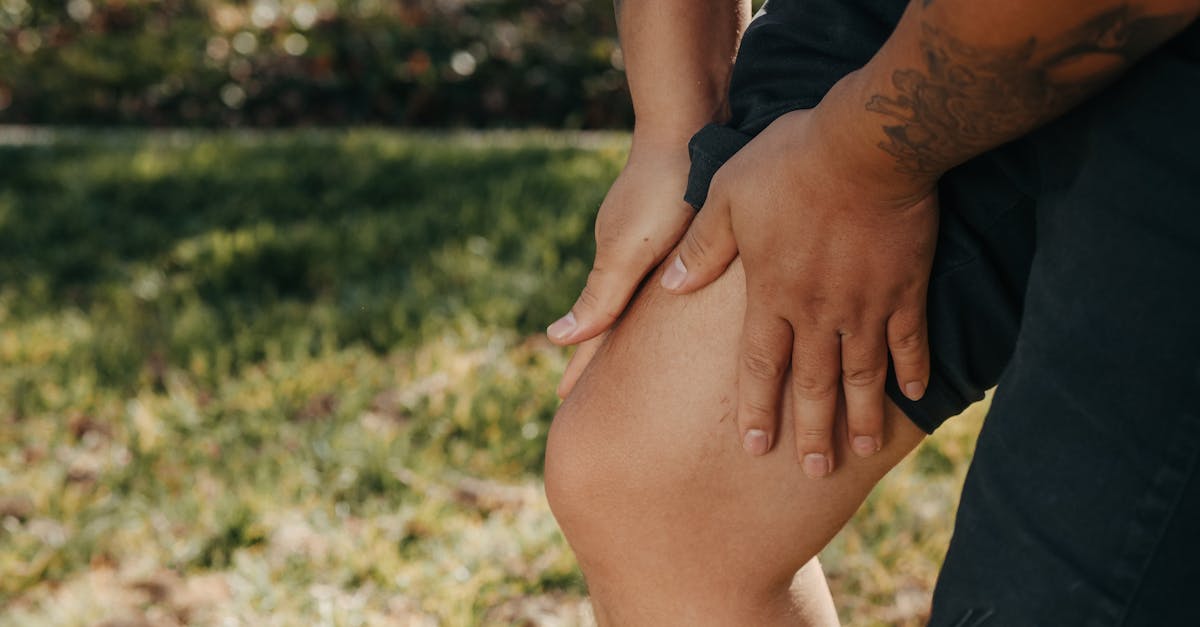
A sudden muscle cramp in the foot, often referred to colloquially as a charley horse, is a rapid, involuntary, and painfully sustained contraction of skeletal muscle. The arch of the foot and the intrinsic toe muscles are particularly susceptible due to their small size and the immense biomechanical loads they bear daily.
These spasms strike without warning, frequently occurring at night or immediately following intense physical exertion. The resulting pain is acute and paralyzing. Successfully aborting the spasm requires immediate mechanical intervention to override the misfiring neurological feedback loop, followed by addressing the underlying metabolic deficits that triggered the event.
2. Pathophysiology of Muscle Spasms
To intervene effectively, one must understand the neuromuscular mechanisms governing muscle contraction. Skeletal muscles are controlled by motor neurons originating in the spinal cord. Within the muscle tissue itself are specialized sensory receptors called muscle spindles and Golgi tendon organs.
Muscle spindles monitor the length and stretch of a muscle, while Golgi tendon organs monitor the tension. Under normal physiological conditions, these receptors work in perfect harmony to produce smooth, coordinated movements. A cramp occurs when this neurological communication breaks down.
During a spasm, the motor neurons become hyperexcitable and fire continuous, high-frequency electrical impulses into the muscle fibers. The muscle spindles become overactive, while the protective Golgi tendon organs fail to send the inhibitory signals required to relax the tissue. The muscle locks into a state of maximum, agonizing contraction.
3. Immediate Mechanical Stretching
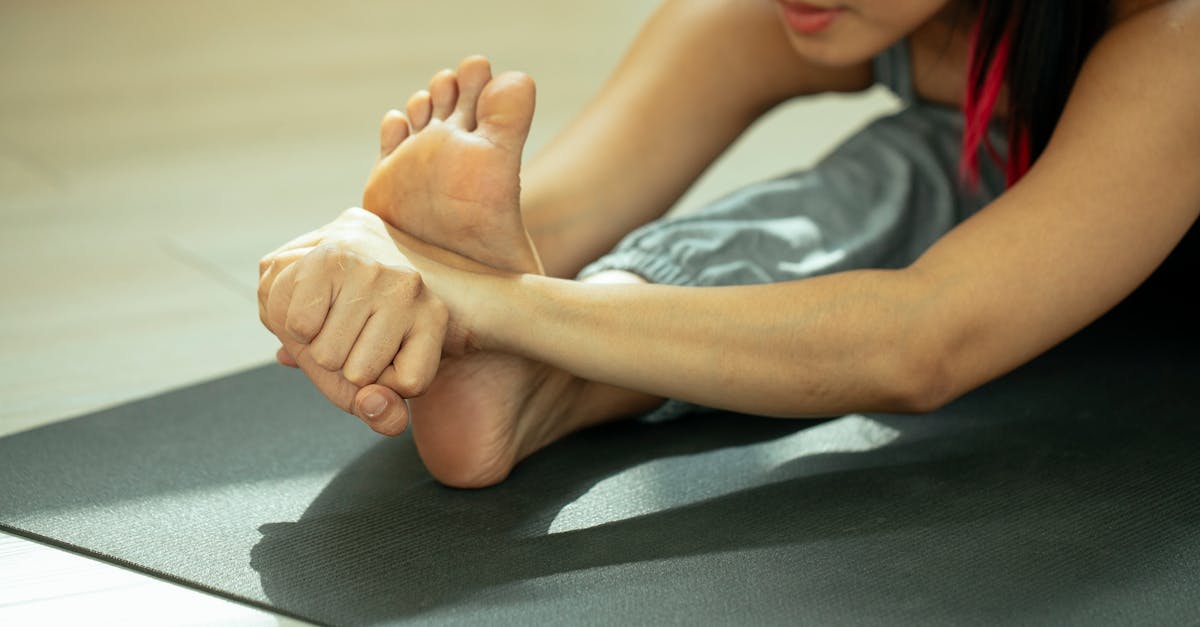
The single most effective action to abort an acute foot cramp is targeted, active stretching. Stretching utilizes a physiological mechanism known as reciprocal inhibition. By forcefully lengthening the contracted muscle, the brain is forced to send an inhibitory signal to the spastic motor neurons, breaking the electrical feedback loop.
If the cramp involves the toes curling downward and the arch of the foot seizing, the patient must immediately grasp the toes and pull them firmly backward, pointing them up toward the shin. This action places maximum stretch on the plantar fascia and the intrinsic flexor muscles.
The stretch must be held continuously and firmly. Bouncing or jerking the foot can activate the stretch reflex and worsen the spasm. The patient must breathe deeply and hold the elongated position for thirty to sixty seconds until the muscle fibers physiologically yield and the pain subsides.
4. Weight-Bearing and the Golgi Tendon Reflex
When a severe cramp strikes the foot or lower leg, lying in bed often prolongs the agony. The patient must stand up and force themselves to bear weight on the affected limb. While this is initially painful, it is a highly effective biomechanical intervention.
Placing the foot flat on a hard surface and shifting body weight onto the leg forcefully engages the Golgi tendon organs located in the Achilles tendon and the plantar fascia. When these organs sense the massive increase in tension from the body weight, they immediately fire powerful inhibitory signals to the spinal cord.
These inhibitory signals demand immediate muscular relaxation to prevent the tendon from tearing. This autonomic reflex rapidly overrides the spastic motor neurons, causing the cramped foot to release its contraction. Walking slowly around a cool floor further assists by promoting active venous return and blood flow.
5. The Role of Intracellular Electrolytes
Electrolytes are electrically charged minerals that conduct the neurological impulses necessary for muscle contraction and relaxation. The most critical electrolytes for neuromuscular stability are sodium, potassium, calcium, and magnesium. A derangement in any of these concentrations dramatically lowers the threshold for muscle spasms.
Calcium is responsible for binding to specific proteins within the muscle fiber to initiate a contraction. Magnesium acts as the biological antagonist; it must enter the cell to push calcium out, allowing the muscle to relax. A localized deficiency in intracellular magnesium leaves the muscle locked in a contracted state.
Potassium and sodium maintain the electrical resting potential of the nerve cell membrane. When these minerals are depleted through excessive sweating, poor diet, or diuretic medications, the nerve membrane becomes unstable and highly prone to spontaneous, continuous firing.
6. Dehydration and Neuromuscular Misfiring
Systemic dehydration is a dominant trigger for acute muscle cramping. Water constitutes a significant portion of muscle tissue and is the medium through which all cellular metabolic exchanges occur. When a patient becomes dehydrated, the volume of extracellular fluid decreases.
This loss of fluid causes the space between the muscle cells and the nerve endings to shrink. The resulting mechanical deformation of the nerve terminals renders them highly irritable and prone to discharging spontaneous electrical impulses, igniting a severe cramp.
Furthermore, dehydration compromises regional blood flow. The restricted microcirculation cannot effectively deliver oxygen or carry away lactic acid and cellular waste products from the hard-working foot muscles. This toxic, localized environment chemically triggers the pain receptors and sustains the involuntary spasm.
7. Deep Friction Massage
Mechanical manipulation of the spastic tissue provides a powerful sensory override to the central nervous system. When the foot is locked in a cramp, applying deep, firm friction massage to the belly of the contracted muscle helps separate the tightly bound muscle fibers.
Using the thumbs, the patient should apply intense, localized pressure directly to the knot in the arch of the foot or the base of the toes. The massage stroke should run perpendicular to the direction of the muscle fibers. This transverse friction generates localized heat and draws fresh, oxygenated blood into the ischemic tissue.
The intense tactile sensory input from the massage floods the spinal cord with competing data, which often forces the brain to abandon the motor signal causing the cramp. Using a rigid massage ball or a frozen water bottle rolled under the arch of the foot provides excellent leverage for this intervention.
8. Thermal Interventions: Heat vs. Cold
The strategic application of temperature alters blood flow and nerve conduction velocity, aiding in rapid cramp resolution. Heat therapy is typically the most beneficial for an actively cramping muscle. Applying a hot towel or a heating pad to the foot induces profound vasodilation.
The heat expands the local blood vessels, flushing the cramped tissue with oxygen and washing away the accumulated metabolic waste that is sustaining the contraction. The warmth also physically alters the collagen matrix within the fascia, making the muscle more pliable and easier to stretch.
Conversely, applying ice is beneficial immediately after the cramp has been broken. The intense, spastic contraction frequently causes microscopic damage to the muscle fibers, resulting in residual soreness. Cold therapy constricts the vessels, reducing the secondary inflammatory response and numbing the lingering muscular ache.
9. Biomechanical Strain and Footwear
The feet contain incredibly complex architecture, designed to absorb the entire impact of the body weight with every step. When biomechanical alignment is faulty, specific intrinsic foot muscles are forced to overwork constantly, leading to profound localized fatigue and subsequent cramping.
Wearing unsupportive footwear, such as flat sandals, worn-out athletic shoes, or high heels, forces the toes to grip the sole unnaturally for stability and chronically shortens the plantar fascia. By the end of the day, these overworked, shortened muscles are highly prone to spasticity.
Patients experiencing frequent foot cramps must evaluate their footwear. Utilizing shoes with a firm heel counter, adequate arch support, and a wide toe box prevents the mechanical exhaustion of the intrinsic foot musculature. Custom orthotic inserts may be required for individuals with severe overpronation or rigid high arches.
10. Peripheral Neuropathy and Nerve Compression
If foot cramps occur frequently and are accompanied by burning, tingling, or numbness, the underlying cause may be neurological rather than purely muscular. Peripheral neuropathy, often a complication of unmanaged diabetes or chronic alcohol use, involves structural damage to the distal nerve endings.
Damaged peripheral nerves misfire spontaneously, sending erratic electrical signals to the foot muscles that result in sudden, painful spasms. In these cases, stretching and hydration will provide minimal relief because the hardware transmitting the signal is fundamentally broken.
Similarly, compression of the sciatic nerve in the lumbar spine or localized entrapment of the tibial nerve in the ankle (tarsal tunnel syndrome) can refer severe cramping sensations into the foot. Treating these specific neurological deficits requires specialized medical assessment and targeted pharmacological therapy.
11. The Impact of Certain Medications
A rigorous review of the patient’s pharmacological regimen is essential when investigating recurrent muscle spasms. Many common prescription medications actively deplete the body of necessary electrolytes or alter normal neuromuscular junction activity.
Diuretics, frequently prescribed for hypertension and congestive heart failure, forcefully excrete sodium and potassium through the urine. This medically induced electrolyte derangement is a leading cause of severe lower extremity cramping in older adults.
Statins, widely used to lower cholesterol, are notorious for causing myopathy and muscular irritability. Beta-agonists used in asthma inhalers and certain systemic corticosteroids can also precipitate sudden muscle spasms. Patients must never stop these medications independently but should consult their prescribing physician to adjust dosages or explore alternatives.
12. Nutritional Supplementation Strategies
To prevent the recurrence of neuromuscular misfiring, the intracellular environment must be optimized. Magnesium deficiency is remarkably common due to modern dietary processing and chronic stress, which rapidly depletes magnesium stores.
Daily supplementation with a highly bioavailable form of magnesium, such as magnesium glycinate or magnesium malate, directly supports the cellular relaxation phase of muscle contraction. Magnesium oxide should be avoided due to poor absorption and severe gastrointestinal side effects.
Ensuring adequate dietary potassium by consuming avocados, sweet potatoes, and dark leafy greens maintains the resting electrical potential of the nerve membranes. For athletes or individuals working in hot environments, utilizing a clinical-grade hydration powder containing precise ratios of sodium and potassium ensures that extracellular fluid volume is maintained.
13. Preventing Nocturnal Spasms
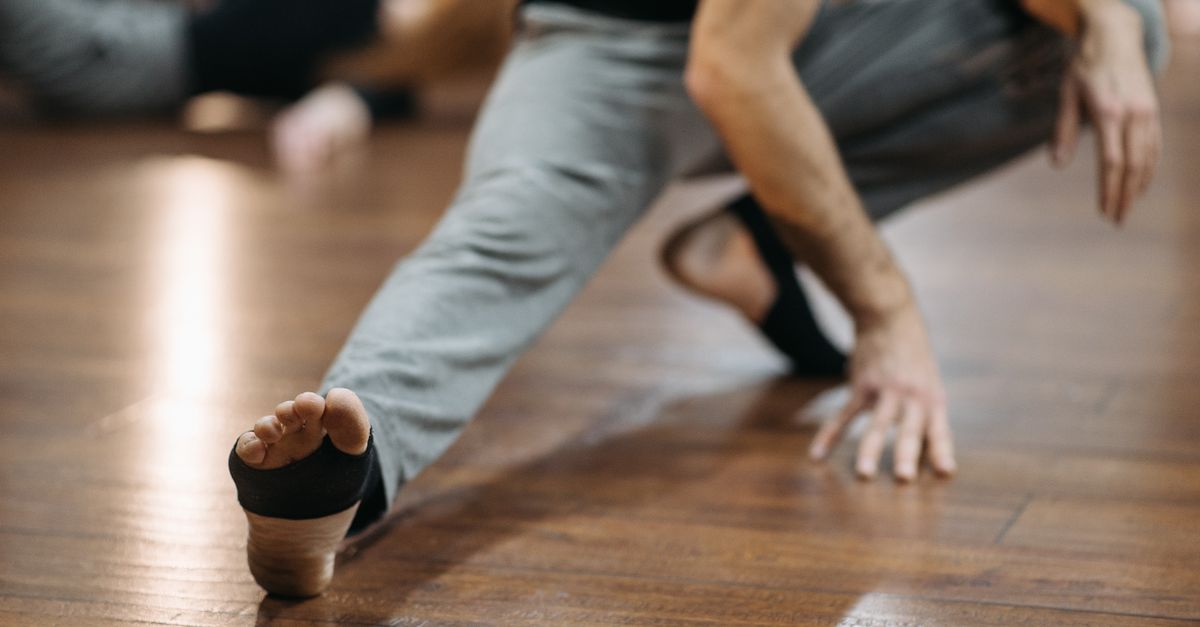
Nocturnal foot cramps disrupt sleep architecture and cause profound anxiety regarding going to bed. These spasms occur because the feet naturally fall into a state of plantar flexion (toes pointed downward) under the weight of heavy blankets while sleeping.
This prolonged, shortened position allows the muscle fibers to overlap excessively, priming them for a spasm. To prevent this, the patient must keep the blankets loose at the foot of the bed or allow their feet to hang slightly off the edge of the mattress to maintain a neutral, ninety-degree ankle position.
Performing a gentle, five-minute stretching routine focused on the calves and the plantar fascia immediately before getting into bed elongates the tissues and resets the muscle spindles, drastically reducing the likelihood of a nocturnal misfire.
| Intervention | Physiological Mechanism | Execution Method |
|---|---|---|
| Active Stretching | Reciprocal inhibition of motor neurons | Pull toes firmly upward toward the shin |
| Weight-Bearing | Activates Golgi tendon organs | Stand up and press foot flat on the floor |
| Deep Massage | Separates fibers, increases blood flow | Firm transverse pressure on the arch |
| Magnesium Supplement | Facilitates cellular muscle relaxation | Daily intake of magnesium glycinate |
14. When to Consult a Physician
While the vast majority of foot cramps are benign and easily managed with mechanical and nutritional interventions, specific clinical presentations mandate a professional medical evaluation to rule out severe systemic pathology.
If the cramping is accompanied by severe, localized swelling, profound redness, or warmth in the lower leg, the patient must be evaluated immediately in an emergency setting for a deep vein thrombosis (blood clot). A blood clot creates severe ischemic pain that perfectly mimics a massive muscle cramp but is a life-threatening medical emergency.
Furthermore, if the cramps occur consistently after walking a specific distance and resolve rapidly with rest, this indicates vascular claudication. This condition is caused by severe peripheral artery disease, where hardened arteries cannot deliver enough oxygenated blood to the working muscles.
15. Frequently Asked Questions (FAQ)
1. Can drinking pickle juice really stop a cramp?
Yes, clinical studies have shown that swallowing a small amount of pickle juice can stop a cramp rapidly. It is not because of the sodium; rather, the highly acidic vinegar triggers a potent neurological reflex in the back of the throat that instantly sends an inhibitory signal to the spinal cord, shutting down the spastic motor neurons.
2. Why do I only get foot cramps when I am swimming?
Swimming requires you to keep your feet in extreme, continuous plantar flexion (pointed toes) to kick effectively. This continuous isometric contraction in cold water rapidly exhausts the small intrinsic foot muscles, leading directly to a spastic cramp.
3. Does eating a banana right away help stop a cramp?
No, eating a banana during a cramp will not stop it. While bananas contain potassium, it takes hours for the digestive system to break down the food, absorb the potassium into the bloodstream, and deliver it to the cells. Acute cramps require immediate mechanical stretching.
4. Will wearing compression socks help prevent foot cramps?
Compression socks improve venous blood return and reduce localized swelling, which can help clear metabolic waste from the lower extremities. While they are excellent for vascular health, they are generally less effective for preventing acute neurological muscle spasms than targeted stretching and hydration.
5. Is it safe to walk on a cramped foot even if it hurts?
Yes, it is highly recommended. The severe pain is caused by the locked muscle fibers. Forcing weight onto the foot activates protective neurological reflexes in the tendons that force the muscle to relax. The temporary pain of standing up is the fastest way to break the spasm.
16. Bibliography
Disclaimer: The content is for informational purposes only and does not replace medical advice. Always consult your doctor for personalized treatment.