1. Introduction
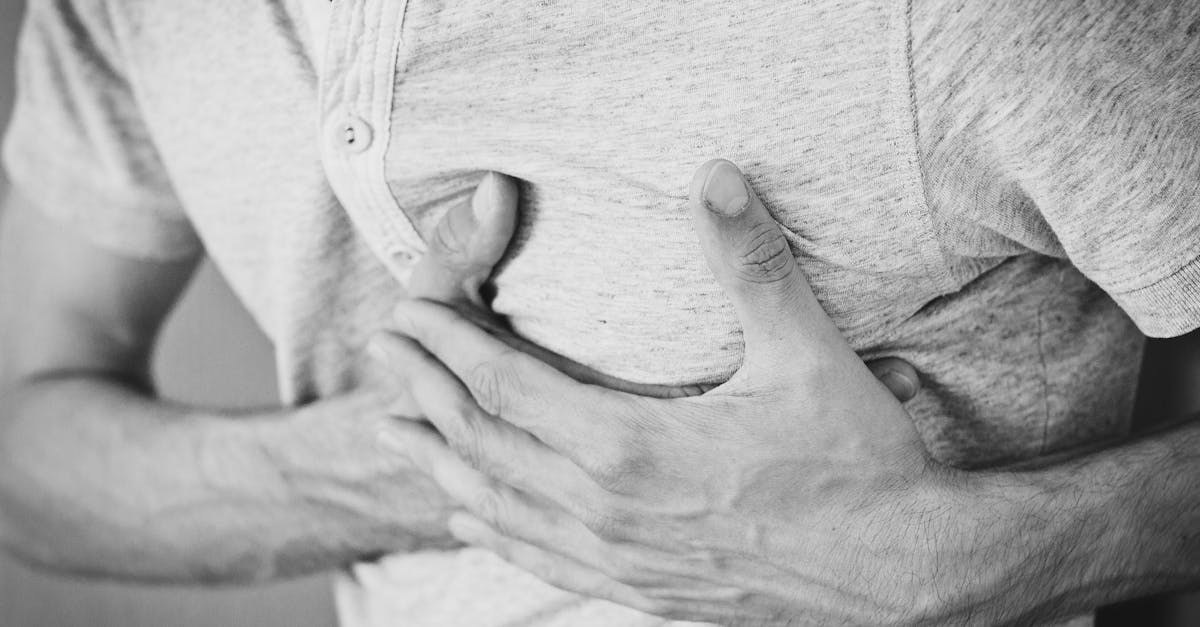
Sudden, severe heartburn occurring strictly at night is primarily caused by the regurgitation of gastric acid into the esophagus while lying in a supine position, a condition frequently associated with gastroesophageal reflux disease. When the body is horizontal, gravity no longer assists in keeping stomach contents contained, allowing acidic fluid to bypass a weakened or inappropriately relaxed lower esophageal sphincter. This chemical irritation of the delicate esophageal lining produces the characteristic burning sensation in the chest.
The esophagus lacks the protective mucosal barrier found in the stomach. Therefore, prolonged exposure to gastric acid during sleep leads to significant mucosal damage and inflammation, clinically termed esophagitis. The sudden onset of this symptom requires careful evaluation of recent dietary changes, structural alterations in the upper gastrointestinal tract, and lifestyle habits that may compromise esophageal defense mechanisms.
Addressing nocturnal reflux is critical not only for symptom relief but also for preventing long-term complications. Chronic acid exposure can lead to strictures, ulcers, and cellular changes known as Barrett’s esophagus. A thorough clinical understanding of the mechanical and biochemical factors driving this nighttime phenomenon guides effective therapeutic interventions.
2. Pathophysiology of the Lower Esophageal Sphincter
The lower esophageal sphincter is a specialized ring of smooth muscle situated at the junction of the esophagus and the stomach. In a healthy physiological state, this sphincter remains tonically contracted, opening only to allow swallowed food to enter the stomach or to permit belching. Its primary function is to serve as a high-pressure physical barrier against the retrograde flow of highly acidic gastric contents.
Nocturnal heartburn frequently stems from transient lower esophageal sphincter relaxations. These are brief, spontaneous periods where the sphincter loses its tone independent of swallowing. While occasional relaxations are normal, an increased frequency or duration allows significant volumes of acid to wash back up into the esophageal body.
Furthermore, a persistent decrease in the basal resting tone of this sphincter compromises the barrier entirely. Various factors, including certain medications, dietary components, and circulating hormones, can chemically induce smooth muscle relaxation, directly weakening this critical anatomical defense mechanism.
3. The Impact of Supine Posture
Gravity plays a fundamental role in normal esophageal clearance. During waking hours, when an individual is upright, any refluxed acid is quickly pulled back down into the stomach by gravitational forces. Additionally, the upright posture minimizes the direct physical pressure of gastric fluid against the lower esophageal sphincter.
Upon lying down to sleep, this gravitational advantage is entirely lost. The stomach and the esophagus become horizontally aligned. If the sphincter is incompetent, gastric juice can flow freely into the esophagus and remain there for extended periods. This prolonged contact time is the primary reason nocturnal heartburn is often perceived as more severe than daytime episodes.
The loss of gravity also means that an episode of reflux can travel much higher up the esophageal tract. In some cases, the acidic fluid may reach the pharynx or larynx, leading to secondary symptoms such as a chronic morning cough, hoarseness, or a sour taste in the mouth upon waking.
4. Gastric Emptying and Late Meals
The timing of food intake relative to sleep onset is a major determinant of nocturnal acid reflux. Consuming a large meal shortly before going to bed ensures that the stomach is actively churning and filled with a high volume of acid and unabsorbed food material when the individual lies down.
Gastric emptying is the physiological process by which the stomach mechanically grinds food and gradually releases it into the duodenum. High-fat meals, in particular, significantly delay gastric emptying. A full stomach distends the gastric wall, which triggers reflex pathways that increase the frequency of transient sphincter relaxations.
Consequently, lying down with a distended, actively digesting stomach creates optimal mechanical conditions for acid regurgitation. Clinical guidelines strongly recommend a fasting period of at least three hours before assuming a supine posture to allow adequate gastric emptying and minimize nighttime reflux events.
5. Dietary Triggers and Chemical Irritants
Specific foods and beverages contain chemical compounds that directly influence the tone of the lower esophageal sphincter or irritate an already inflamed esophageal mucosa. Caffeine, found in coffee, tea, and chocolate, acts as a smooth muscle relaxant, decreasing the pressure of the sphincter barrier.
Alcohol is a potent trigger for nocturnal heartburn. It not only relaxes the sphincter muscle but also stimulates the parietal cells in the stomach to produce excess hydrochloric acid. Consuming alcohol in the evening compound these effects, creating a highly acidic gastric environment right before sleep.
Other established dietary triggers include peppermint, citrus fruits, tomatoes, and spicy foods containing capsaicin. These items can lower sphincter pressure or cause direct, painful irritation to the esophageal lining, exacerbating the burning sensation experienced during a reflux episode.
6. The Role of Intra-abdominal Pressure
The pressure gradient between the abdomen and the thorax is a vital mechanical component of reflux prevention. The pressure in the stomach is naturally higher than the pressure in the esophagus. The lower esophageal sphincter must maintain a tone greater than this pressure difference to prevent regurgitation.
Any condition that suddenly increases intra-abdominal pressure can overcome the sphincter’s resistance. Recent, rapid weight gain, particularly central adiposity, applies constant physical compression to the stomach. This forces gastric contents upward against the sphincter, increasing the likelihood of failure, especially when lying down.
Other factors contributing to elevated intra-abdominal pressure include tight-fitting clothing around the waist, heavy lifting, or chronic straining. Recognizing and mitigating these physical pressures is a necessary step in the comprehensive management of gastroesophageal reflux.
7. Hiatal Hernia Mechanics
A hiatal hernia represents a structural abnormality where the upper portion of the stomach protrudes through the diaphragmatic hiatus into the chest cavity. The diaphragm normally acts as an external crural pinchcock, reinforcing the lower esophageal sphincter and helping to maintain the high-pressure barrier.
When a hiatal hernia is present, the sphincter is displaced into the thorax, separating it from the supportive crural diaphragm. This anatomical derangement significantly compromises the anti-reflux barrier. The displaced portion of the stomach can also act as a reservoir, trapping acid above the diaphragm and facilitating continuous reflux into the esophagus.
Patients with a sliding hiatal hernia frequently experience pronounced nocturnal symptoms. The structural defect makes it mechanically difficult to contain gastric fluids, particularly when the protective benefit of gravity is removed during sleep.
8. Salivary Flow and Esophageal Clearance
Saliva plays a crucial defensive role against acid reflux. It contains bicarbonate, which acts as a natural biochemical buffer to neutralize trace amounts of gastric acid in the esophagus. Additionally, the frequent swallowing of saliva promotes secondary peristaltic waves, physically sweeping refluxed material back into the stomach.
During deep sleep, the production of saliva decreases significantly. Swallowing frequency also drops to near zero. This physiological state of sleep means that any acid that refluxes into the esophagus is not neutralized or cleared efficiently.
The combination of a supine posture, an incompetent sphincter, and diminished nocturnal salivary clearance creates a perfect storm for severe esophageal mucosal injury. Understanding this deficit highlights the importance of preventing the reflux event from occurring in the first place through pharmacological or positional interventions.
9. Diagnostic Assessment
The initial evaluation of sudden, severe nocturnal heartburn typically relies on a comprehensive clinical history. A clinician will detail the onset, duration, and specific character of the pain, carefully distinguishing it from cardiac ischemia. Accompanying symptoms, such as difficulty swallowing or unexplained weight loss, require immediate investigation.
If the symptoms are classic for gastroesophageal reflux and no alarm features are present, an empirical trial of acid-suppressing medication is often initiated. A positive response to this therapy helps confirm the diagnosis.
However, if symptoms are refractory to medication, or if warning signs are present, objective diagnostic testing is indicated. The goal is to evaluate the extent of mucosal damage, rule out structural abnormalities, and precisely quantify the level of acid exposure in the esophagus.
10. Table: Common Triggers vs Mechanisms
| Trigger Factor | Physiological Mechanism |
|---|---|
| High-Fat Meals | Delays gastric emptying, causing prolonged stomach distension. |
| Alcohol Consumption | Decreases sphincter tone and stimulates excess acid secretion. |
| Central Adiposity | Increases intra-abdominal pressure, forcing acid upward. |
| Supine Sleep Position | Removes gravitational assistance, prolonging acid contact time. |
11. Behavioral and Postural Interventions
Conservative management focuses heavily on lifestyle and positional modifications. Elevating the head of the bed by six to eight inches utilizes gravity to keep acid in the stomach during sleep. This must be achieved using structural bed risers or a specialized wedge pillow; simply propping up standard pillows bends the torso and can actually increase abdominal pressure.
Dietary timing is equally critical. Patients must adhere to a strict rule of consuming no solid food or caloric beverages for at least three hours prior to lying down. This fasting window ensures the stomach is relatively empty and acid production has normalized before sleep.
Sleeping on the left side is anatomically advantageous. Because the stomach sits on the left side of the abdomen, a left lateral decubitus position keeps the gastric fluid pool below the level of the esophageal sphincter, significantly reducing the mechanical risk of reflux.
12. Pharmacological Management
When lifestyle modifications are insufficient, pharmacological intervention is required to reduce gastric acid production. Proton pump inhibitors are the most effective class of medications for healing erosive esophagitis and providing symptom relief. They function by irreversibly blocking the hydrogen-potassium ATPase enzyme system, the final pathway of acid secretion in the stomach.
For nocturnal symptoms, the timing of proton pump inhibitor administration is vital. They are typically prescribed to be taken thirty to sixty minutes before the evening meal to ensure peak drug concentration coincides with meal-stimulated acid pumps.
Histamine-2 receptor antagonists may also be utilized. These drugs block the histamine receptors on the parietal cells, decreasing basal acid production. They are sometimes prescribed as an adjunct therapy at bedtime to control overnight acid breakthroughs that occur despite daytime proton pump inhibitor therapy.
13. Advanced Diagnostic Testing
If pharmacological therapy fails to resolve the sudden nocturnal heartburn, endoscopy is the standard diagnostic procedure. An esophagogastroduodenoscopy involves passing a flexible camera through the mouth to directly visualize the esophageal mucosa. This allows the clinician to identify esophagitis, strictures, hiatal hernias, or Barrett’s esophagus, and to obtain tissue biopsies.
Ambulatory pH monitoring is utilized to definitively quantify esophageal acid exposure. A small catheter or wireless capsule is placed in the lower esophagus to measure pH levels over a twenty-four to forty-eight hour period. This test correlates exact episodes of reflux with the patient’s reported symptoms.
Esophageal manometry measures the muscle contractions of the esophagus and the resting pressure of the lower esophageal sphincter. It is essential for ruling out major motor disorders of the esophagus, such as achalasia, which can sometimes mimic reflux symptoms.
14. Surgical and Endoscopic Options
In patients with a mechanically defective sphincter, a large hiatal hernia, or those who are unwilling or unable to commit to lifelong medication, surgical intervention may be considered. Laparoscopic Nissen fundoplication is the gold standard surgical procedure.
During a fundoplication, the upper part of the stomach is wrapped around the lower esophagus and sutured in place. This surgically reconstructs the high-pressure zone, reinforcing the valve and repairing any associated hiatal hernia. The procedure is highly effective in preventing both acid and non-acid reflux.
Less invasive endoscopic therapies, such as magnetic sphincter augmentation, are also available. This involves placing a flexible ring of magnetic beads around the lower esophagus. The magnetic attraction keeps the sphincter closed against gastric pressure but yields to the force of a swallowed food bolus.
15. Frequently Asked Questions (FAQ)
1. Why did this heartburn start happening so suddenly?
A sudden onset can be triggered by a recent change in diet, weight gain, a new medication that relaxes the esophageal sphincter, or the rapid development of a hiatal hernia. Acute stress can also increase gastric acid production and alter pain perception.
2. Is drinking milk before bed a good way to stop heartburn?
No. While milk may temporarily coat the esophagus and provide fleeting relief, the fat and protein content in milk strongly stimulates the stomach to produce more acid later in the night, ultimately worsening the reflux.
3. Can severe heartburn mimic a heart attack?
Yes. The esophagus and the heart share similar nerve pathways. Severe acid reflux can cause non-cardiac chest pain that feels very similar to angina. If the chest pain is new, radiates to the arm or jaw, or is accompanied by shortness of breath, emergency medical evaluation is mandatory.
4. Should I stop eating all acidic foods like citrus and tomatoes?
If you notice that specific foods consistently trigger your nocturnal symptoms, they should be eliminated. However, generalized avoidance of all acidic foods is not strictly necessary unless they cause direct irritation to your specific esophageal lining.
5. Are antacids safe to take every night?
Over-the-counter antacids neutralize existing acid but do not prevent reflux. Using them every single night indicates that your condition is not properly controlled. Chronic use requires medical evaluation to address the root cause and prevent esophageal damage.
16. Bibliography
Disclaimer: The content is for informational purposes only and does not replace medical advice. Always consult your doctor for personalized treatment.