1. Introduction
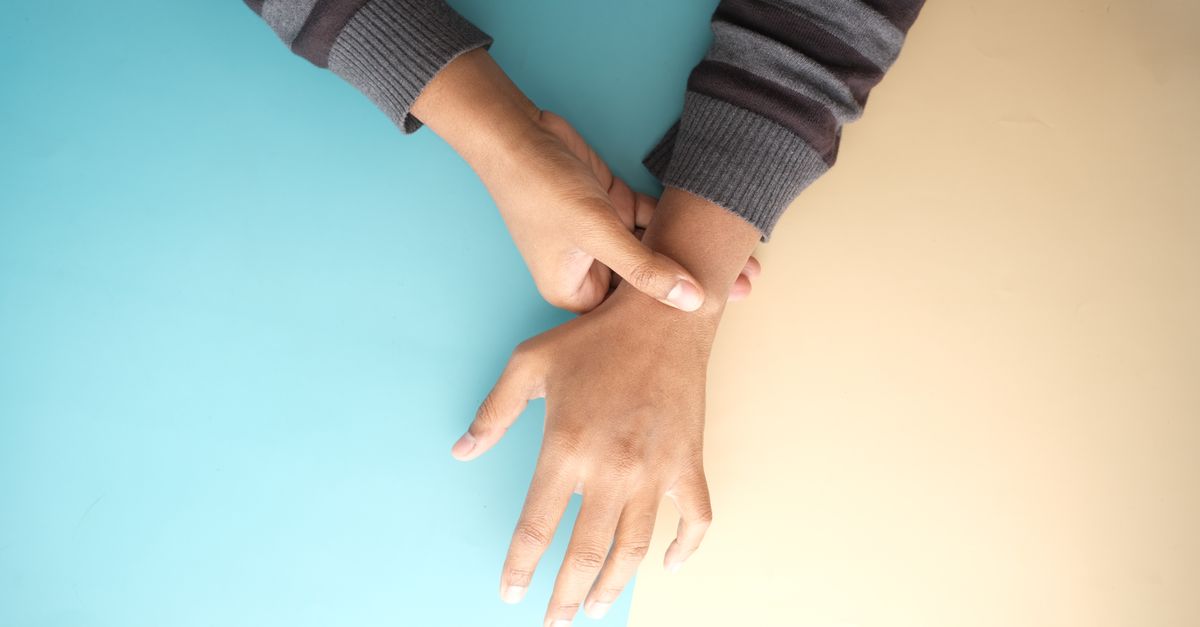
A deep, dull ache in the wrists after practicing classical piano is primarily the result of sustained isometric muscle tension and tendon friction resulting from non-ergonomic wrist positioning. The mechanical effort of transferring arm weight into the keys through a misaligned joint creates localized inflammation in the flexor tendons and subtle median nerve compression. As the musician practices demanding repertoire for extended periods, the cellular environment within the wrist is depleted of oxygen and flooded with metabolic waste, producing a persistent ache.
Playing the piano is a sophisticated athletic endeavor for the upper extremities. The hands must span wide intervals, strike keys with varying degrees of force, and execute rapid, repetitive passages. The wrist joint acts as the vital bridge transferring power from the robust muscles of the forearm to the delicate skeletal structure of the fingers. When this bridge is held in unnatural angles, the tendons traversing it undergo significant mechanical stress and shear force.
Addressing wrist discomfort is critical for any serious pianist. Ignoring a dull ache often leads to the development of chronic repetitive strain injuries, including tenosynovitis and nerve entrapment syndromes. By analyzing the anatomy of the hand and correcting the biomechanics of seated posture and force transmission, musicians can eliminate inflammation and secure long-term playing endurance.
2. Anatomy of the Wrist Joint
The wrist is a complex biomechanical marvel composed of eight small carpal bones connecting the two forearm bones to the metacarpal bones of the hand. This joint is stabilized by an intricate network of ligaments and is crossed by numerous tendons, blood vessels, and nerves.
The flexor tendons, responsible for closing the fingers and striking the keys, originate in the forearm and travel through a narrow anatomical tunnel on the palm side of the wrist known as the carpal tunnel. The extensor tendons, which lift the fingers off the keys, travel along the back of the wrist.
To function optimally, the wrist must remain supple and aligned. When the joint is maintained in a neutral position, the tendons glide smoothly through their protective sheaths. Any deviation from this neutral axis introduces mechanical friction, requiring the forearm muscles to exert greater force to achieve the same finger movement.
3. The Biomechanics of Piano Playing
Proper piano technique relies on the efficient transfer of weight. Rather than isolating the fingers to push the keys down, advanced technique involves releasing the natural weight of the arm from the shoulder, through a stable but flexible wrist, into the fingertips.
When the wrist is used correctly, it acts as a dynamic shock absorber. It micro-adjusts continuously to accommodate the changing topography of the keyboard. The deep, dull ache typically manifests when this dynamic flexibility is lost and the wrist becomes rigid.
A rigid, locked wrist forces the small intrinsic muscles of the hand and the long tendons of the forearm to bear the entire mechanical load of striking the keys. This isolation rapidly exhausts the localized tissues, prompting an inflammatory cascade that the nervous system registers as a continuous ache.
4. Repetitive Strain and Tendon Glide
A classical music score often requires the fingers to strike thousands of notes per minute. This repetition demands rapid, continuous gliding of the flexor and extensor tendons within their synovial sheaths.
If the practice session is prolonged without adequate rest, the lubricating synovial fluid within the sheaths becomes depleted. The resulting dry friction causes microscopic fraying on the surface of the tendons. The body responds to this micro-trauma by initiating an inflammatory response.
The tendon sheaths swell and thicken, a condition clinically termed tenosynovitis. This swelling restricts the space within the wrist, creating a profound, aching tightness. The dull pain is particularly noticeable after the practice session ends, as the localized inflammation settles into the surrounding tissues.
5. Ulnar and Radial Deviation
The keyboard stretches horizontally, but the human arm approaches it from a fixed central point. To reach notes at the extremities of the keyboard, players frequently twist their wrists to the side rather than moving their entire torso.
Twisting the wrist outward toward the pinky finger is called ulnar deviation. Twisting it inward toward the thumb is radial deviation. Playing complex arpeggios or wide chords while holding the wrist in severe deviation is a primary catalyst for joint pain.
In a deviated position, the tendons are forced to bend sharply around the carpal bones before reaching the fingers. This angular pull creates immense shear stress on the tendons and compresses the delicate joint capsules on the side of the wrist, leading to a deep, structural ache.
6. Muscle Fatigue and Lactic Acid
The continuous isometric contraction required to hold the hands above the keyboard restricts blood flow to the forearm muscles. This vascular restriction forces the muscle cells to rely on anaerobic metabolism to generate energy.
Anaerobic metabolism produces lactic acid as a byproduct. As lactic acid accumulates, it lowers the tissue pH, irritating the sensory nerve endings within the muscle bellies and the tendinous attachments at the wrist.
This metabolic crisis produces the classic burning and dull aching sensation. The muscles feel heavy and weak because the acidic environment interferes with the cellular mechanisms necessary for contraction. Proper blood flow is required to flush away this localized toxicity.
7. The Danger of a Low Seating Posture
The height of the piano bench fundamentally dictates the angles of the entire upper body. If the bench is set too low, the elbows drop below the level of the keyboard. To reach the keys, the pianist must bend their wrists backward into severe extension.
Wrist extension collapses the space on the back of the joint and stretches the flexor tendons on the front. Striking the keys from this position forces the flexor tendons to work against a severe mechanical disadvantage, dragging heavily against the transverse carpal ligament.
Prolonged playing in extension guarantees the rapid onset of a deep ache. Adjusting the bench height so that the forearms are parallel to the floor or angled slightly downward allows the wrists to rest in a neutral, friction-free alignment.
8. Carpal Tunnel Compression
The carpal tunnel is the rigid, bony passageway in the wrist that houses the flexor tendons and the median nerve. Because the walls of the tunnel are inflexible, any swelling within this space immediately increases the internal pressure.
When poor technique or repetitive strain causes the flexor tendon sheaths to swell, they compress the adjacent median nerve. While severe carpal tunnel syndrome causes sharp, shooting pain and numbness, the early stages often present as a deep, vague ache in the wrist and the palm of the hand.
Pianists must be vigilant regarding this symptom. If the dull ache is accompanied by occasional tingling in the thumb, index, or middle fingers, it indicates that the nerve is actively experiencing ischemic compression and requires immediate ergonomic intervention.
9. The Role of Repertoire Demands
The specific physical demands of the repertoire heavily influence the onset of wrist pain. Romantic era compositions, such as those by Chopin or Rachmaninoff, frequently demand wide chord voicings and massive dynamic volume.
Attempting to span intervals that exceed the natural anatomical reach of the hand requires forcing the joints into extreme positions. Holding these stretched postures under tension generates significant stress on the intrinsic ligaments of the wrist.
Pianists with smaller hands are particularly susceptible to this strain. Learning to roll large chords or strategically redistribute notes between the hands can preserve the artistic integrity of the piece while protecting the biomechanical limits of the wrist joint.
10. Force Transmission and Keybedding
Keybedding is a technical flaw where the pianist continues to press forcefully down on a key after it has already struck the string and reached the bottom of the keybed. The piano mechanism transfers energy to the hammer only during the descent of the key.
Any force applied after the key has bottomed out is entirely wasted and bounces directly back up into the hand and wrist. This continuous, unyielding resistance delivers repeated shockwaves into the carpal bones and joint capsules.
This blunt force trauma accumulates rapidly during a practice session. The cartilage and ligaments within the wrist become bruised and inflamed, generating a deep, throbbing ache that persists long after the pianist leaves the instrument.
11. Differentiating Muscle Soreness from Joint Pathology
It is vital to distinguish benign muscle fatigue from pathological joint injury. Muscular fatigue generally affects the fleshy part of the forearm and resolves within a day of rest and hydration. The pain is diffuse and responds well to gentle stretching.
Conversely, pathological wrist pain is localized directly within the joint, feels sharp during specific movements, and often involves a deep ache that wakes the musician during the night.
If the wrist produces an audible clicking or popping sound accompanied by pain, it indicates significant inflammation of the tendon sheaths or instability within the carpal bones, necessitating a temporary cessation of practice and a clinical evaluation.
12. Rest and Recovery Protocols
The primary intervention for a deep wrist ache is structural rest. The inflamed tendons and compressed tissues require time away from the mechanical stress to initiate the cellular repair process and clear metabolic waste.
Implementing micro-breaks during practice is crucial. For every thirty minutes of intensive playing, the pianist should take a five-minute break to lower the arms, allowing gravity to restore robust blood flow to the wrists and hands.
Applying ice to the wrists for fifteen minutes after a strenuous practice session induces vasoconstriction, which limits acute inflammatory swelling. Following this with a warm compress later in the evening promotes healing blood flow and relaxes the forearm musculature.
13. Ergonomic Adjustments and Technique
Resolving chronic wrist pain requires a fundamental reassessment of playing technique. The pianist must focus on maintaining the natural arch of the hand, visualizing a continuous, unbroken curve from the elbow, through the wrist, down to the knuckles.
Lateral movements across the keyboard should be driven by the torso and the upper arm, not by twisting the wrists into ulnar or radial deviation. The torso must lean in the direction of the music to support the arms.
Studying with a pedagogue trained in ergonomic piano technique, such as the Taubman Approach, can help identify and correct the subtle, tension-inducing habits that place undue mechanical stress on the vulnerable wrist joints.
14. Stretching and Conditioning
Maintaining flexibility in the forearm muscles prevents them from pulling excessively on the wrist structures. Pianists should perform gentle, dynamic stretches before playing to warm up the tissues and increase the elasticity of the flexor and extensor muscles.
Stretching the wrist backward gently with the arm extended elongates the flexor tendons, while pulling the hand downward stretches the extensors. These stretches must be performed smoothly, without bouncing, and should never induce sharp pain.
In addition to stretching, general cardiovascular conditioning improves systemic blood flow and cellular oxygen delivery. A well-oxygenated vascular system flushes lactic acid from the forearms more efficiently, significantly delaying the onset of the dull, burning ache.
15. When to Seek Medical Evaluation
While occasional dull aches are common, persistent symptoms require professional medical assessment. If the wrist pain persists for more than two weeks despite rest and ergonomic corrections, a clinical investigation is mandatory.
A physician or performing arts physical therapist can evaluate for severe tenosynovitis, occult ganglion cysts, or advanced nerve entrapment. Diagnostic ultrasound can visualize the gliding tendons to pinpoint the exact location of the inflammation.
Ignoring persistent pain can lead to chronic tissue degeneration and permanent loss of motor function. Early intervention with targeted physical therapy, custom splinting, or anti-inflammatory medications ensures the musician can return to the instrument safely.
| Biomechanic Flaw | Physiological Consequence in the Wrist |
|---|---|
| Low Bench Height | Forces wrist extension, causing severe friction on flexor tendons. |
| Keybedding | Delivers blunt shockwaves directly into the carpal bones. |
| Ulnar/Radial Deviation | Bends tendons around bone, creating painful shear stress. |
| Locked/Rigid Joints | Prevents shock absorption, trapping lactic acid in the muscles. |
16. Frequently Asked Questions (FAQ)
1. Should I wear a wrist brace while practicing the piano?
No, wearing a rigid brace while playing severely restricts natural joint mobility, forcing you to use awkward compensatory movements that can injure the elbows and shoulders. Braces should only be worn while sleeping to rest the joint.
2. Does popping my knuckles and wrists cause the dull ache?
Popping the joints involves releasing nitrogen gas from the synovial fluid. While it does not directly cause arthritis, habitual, forceful cracking can stretch the delicate stabilizing ligaments, leading to joint hypermobility and a subsequent deep ache.
3. Why do my wrists hurt more when I play soft, slow pieces?
Slow, delicate playing often requires the pianist to hover the hands over the keys, using intense, sustained isometric muscle tension to control the descent of the fingers. This static tension rapidly starves the tissues of oxygen, causing an ache.
4. Can taking ibuprofen cure the wrist pain?
Ibuprofen is a nonsteroidal anti-inflammatory drug that will temporarily reduce the swelling and alleviate the deep ache. However, it does not cure the poor biomechanical technique causing the problem; the pain will return once the medication wears off.
5. Is it normal for the top of my hand to ache along with my wrist?
Yes, the extensor tendons that lift the fingers run across the top of the wrist and hand. If you hold your fingers rigidly in the air while preparing to strike a note, these extensor tendons become inflamed and transmit pain across the entire dorsal surface.
17. Bibliography
- Read relevant clinical studies on PubMed
- Search for academic articles on Google Scholar
- Read relevant clinical studies on PubMed
- Search for academic articles on Google Scholar
Disclaimer: The content is for informational purposes only and does not replace medical advice. Always consult your doctor for personalized treatment.