1. Introduction
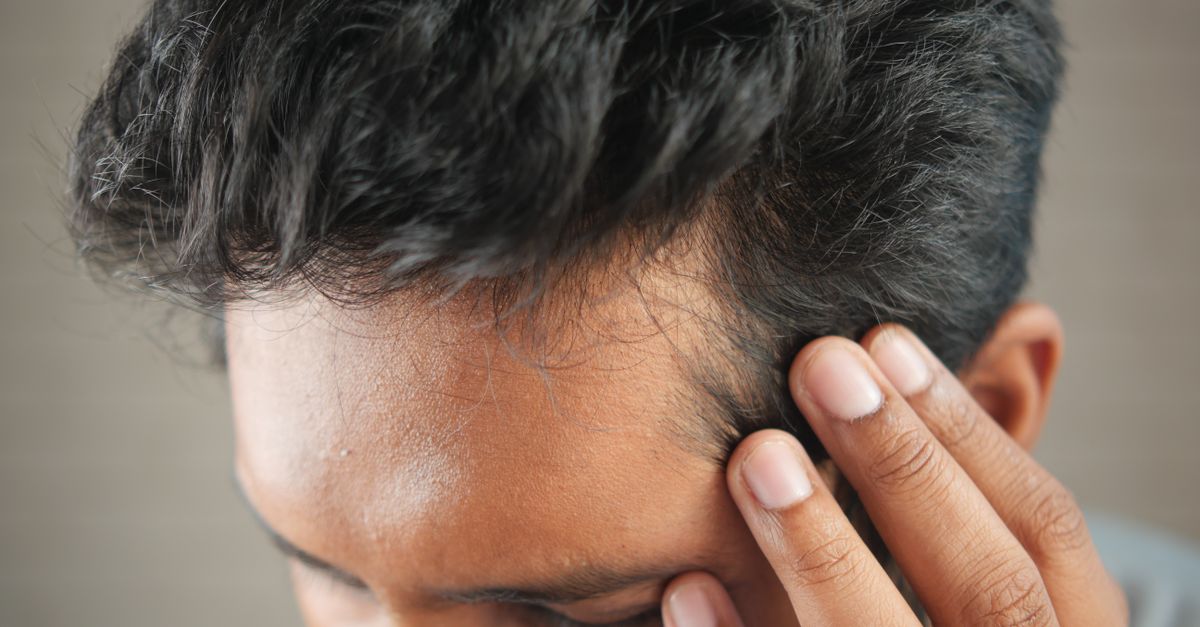
Tenderness at the top of the head is most frequently caused by localized muscle tension, peripheral nerve irritation, or dermatological conditions affecting the scalp. This sensory distortion, where normal touch is perceived as painful, is clinically known as allodynia. Identifying whether the pain stems from the skin surface, the underlying hair follicles, or the cranial musculature directs the appropriate clinical management.
2. Understanding Cranial Allodynia
Allodynia is a neurological phenomenon where a non-painful stimulus, such as brushing hair or wearing a hat, provokes a painful response. At the top of the head, or the vertex, the scalp is tightly stretched over the cranial vault. When the central nervous system becomes sensitized, the nerve endings in this tight fascial layer misinterpret light pressure as noxious stimuli, creating widespread tenderness.
3. The Role Of Tension Headaches
One of the most prevalent causes of scalp tenderness is a tension headache. The muscles of the head and neck are interconnected by a broad sheet of connective tissue called the galea aponeurotica, which covers the top of the skull. Chronic contraction of the frontal and occipital muscles pulls this connective tissue taut, leading to severe tenderness across the vertex.
4. Migraine Associated Sensitization
During a migraine attack, the trigeminal nerve pathway becomes highly inflamed. As the migraine progresses, this inflammation alters the way the brain processes sensory input from the head and face. Many migraine sufferers develop cutaneous allodynia as a secondary symptom, resulting in a scalp that feels bruised or highly sensitive to even the slightest touch during and after the episode.
5. Dermatological Causes And Contact Dermatitis
The tenderness may originate superficially from the skin itself. Contact dermatitis occurs when the scalp reacts adversely to hair care products, dyes, or harsh shampoos. This allergic or irritant reaction causes microscopic inflammation, redness, and a burning or tender sensation across the exposed areas of the scalp.
6. Folliculitis And Scalp Infections
Folliculitis is the bacterial or fungal infection of hair follicles. When follicles at the top of the head become inflamed, they form small, tender pustules. Even if the individual bumps are barely visible beneath the hair, the collective inflammation renders the surrounding scalp highly sensitive to touch, pressure, and thermal changes.
7. The Impact Of Hair Styling Practices
Mechanical stress from restrictive hairstyles is a frequent, non-pathological cause of scalp pain. Tight ponytails, braids, or hair extensions exert continuous traction on the hair roots. This constant pulling induces traction alopecia and local tissue inflammation, making the top of the head remarkably sore once the hair is eventually let down.
8. Neurological Factors And Occipital Neuralgia
Although occipital neuralgia primarily originates at the base of the skull, the affected nerves travel directly to the top of the head. When the greater occipital nerve is compressed or injured, it fires erratic electrical signals. Patients often report this as a sharp, aching, or profoundly tender sensation radiating to the highest point of the scalp.
9. Giant Cell Arteritis Warning Signs
In individuals over the age of fifty, scalp tenderness can be a warning sign of giant cell arteritis, also known as temporal arteritis. This is a serious vascular condition involving the inflammation of the blood vessels supplying the scalp and brain. The tenderness is often accompanied by jaw pain during chewing and visual disturbances, requiring prompt medical intervention to prevent vision loss.
10. Evaluating The Symptoms
Differentiating between the potential causes of scalp tenderness relies on recognizing accompanying symptoms. The table below outlines key diagnostic clues.
| Associated Symptom | Probable Clinical Cause |
|---|---|
| Tight, band-like pressure around the head | Tension headache or muscle hypertonicity |
| Redness, scaling, or small pustules | Folliculitis, psoriasis, or contact dermatitis |
| Throbbing pain, photophobia, nausea | Migraine with cutaneous allodynia |
| Jaw claudication, vision changes in older adults | Giant cell arteritis |
11. Environmental And Climate Triggers
Extreme weather conditions can compromise the integrity of the scalp barrier. Sunburn on the top of the head, particularly where the hair parts or is thinning, causes acute superficial tenderness. Conversely, dry and freezing winter air draws moisture away from the scalp, leading to micro-cracking and a generalized feeling of tightness and soreness.
12. Stress And Psychological Contributors
Elevated psychological stress directly alters pain perception. Chronic anxiety reduces the pain threshold, making existing mild discomfort feel significantly worse. Furthermore, stress induces subconscious behaviors such as jaw clenching and prolonged frowning, which feed directly into the muscular tension affecting the galea aponeurotica.
13. Conservative Management Approaches
For tenderness related to muscular tension or mechanical strain, releasing the hair from tight styles is the immediate first step. Applying a warm compress can increase local blood circulation and relax the underlying connective tissue. Gentle scalp massage, provided it does not exacerbate the pain, can also help desensitize the nerve endings and reduce tension.
14. Dermatological Treatments
If a skin condition is the root cause, shifting to hypoallergenic, fragrance-free shampoos is highly recommended. Over the counter hydrocortisone creams or medicated shampoos containing ketoconazole can effectively manage mild dermatitis and fungal issues. Keeping the scalp clean and dry prevents the exacerbation of follicular infections.
15. Pharmacological Therapy
When scalp allodynia is driven by underlying headaches, treating the primary headache is essential. Nonsteroidal anti-inflammatory drugs or specific migraine abortive medications like triptans can calm the sensitized trigeminal pathways. For neuropathic pain like occipital neuralgia, physicians may prescribe specialized nerve pain modulators.
16. When To Seek Medical Care
Most cases of a tender scalp resolve with home care. However, if the tenderness is sudden, severe, and accompanied by fever, lethargy, or unexplained hair loss, a clinical evaluation is necessary. Above all, older adults experiencing new-onset scalp pain alongside vision changes must seek emergency medical assessment to rule out temporal arteritis.
17. Frequently Asked Questions (FAQ)
1. Can poor sleep cause the top of my head to hurt?
Yes, sleep deprivation lowers your pain threshold and often increases muscle tension throughout the body, which can manifest as a tight, tender scalp.
2. Why does my scalp hurt more when my hair is dirty?
Accumulation of sebum, sweat, and dead skin cells creates an optimal environment for yeast and bacteria to multiply, leading to mild inflammation and tenderness at the roots.
3. Is it normal for the scalp to hurt during a cold or sinus infection?
Systemic infections often cause widespread body aches, and the sinus pressure can radiate upwards, causing the nerves in the scalp to feel sensitive.
4. Can dehydration make my scalp tender?
Dehydration reduces the moisture in the skin and connective tissues, making the scalp feel tight, inelastic, and more prone to mechanical irritation.
5. Does anxiety directly cause scalp tenderness?
Anxiety triggers the release of stress hormones that increase muscle tension in the face and head, tightening the tissues over the skull and resulting in a sore scalp.
18. Bibliography
Disclaimer: The content is for informational purposes only and does not replace medical advice. Always consult your doctor for personalized treatment.