1. Introduction
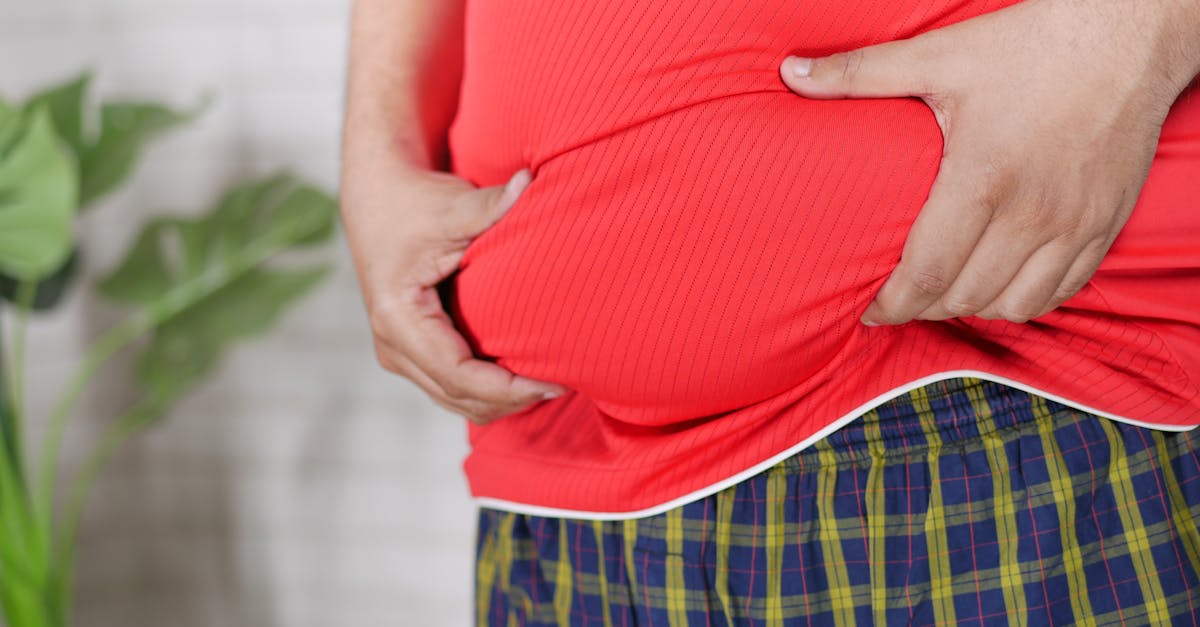
A sharp pulling pain at the belly button when stretching upward is most frequently caused by mechanical tension on the umbilical fascia, the urachus remnant, or a subtle umbilical hernia. Stretching elongates the abdominal wall, placing significant traction on these fibrous central attachments, which can trigger an acute pain signal if there is localized inflammation or structural weakness in the connective tissue. Addressing core flexibility and ruling out small hernias with a physician can effectively alleviate this specific mechanical discomfort.
The umbilicus, commonly known as the belly button, is a unique anatomical scar marking the site of the former umbilical cord. It represents a natural weak point in the center of the abdominal wall where multiple layers of muscle and fascia converge. Understanding the complex connective tissue anchored beneath this scar explains why simple upward reaching can provoke a sudden, sharp, pulling sensation.
2. Anatomy Of The Umbilicus
The belly button is firmly anchored to the deep fascial layers of the abdomen. It sits directly on the linea alba, a thick band of connective tissue that runs vertically down the center of the abdomen, separating the left and right halves of the rectus abdominis muscles.
Unlike the surrounding skin, which glides freely over the underlying muscles, the skin of the umbilicus is tethered downward to the deep fascia. This tethering creates the characteristic indentation. Because it is securely anchored to the structural midline of the core, any movement that stretches the torso inherently pulls directly on the belly button.
3. The Linea Alba And Connective Tissue Tension
When an individual reaches their arms straight up toward the ceiling, the thoracic spine extends, and the rib cage lifts away from the pelvis. This motion forcefully elongates the entire anterior abdominal wall. The linea alba is subjected to substantial tensile stress during this expansion.
If the linea alba is tight or mildly inflamed due to rigorous core exercises, poor posture, or general physical fatigue, it resists this rapid elongation. The mechanical stress concentrates at the natural structural weak point, which is the umbilical ring. The patient feels this concentrated fascial resistance as a distinct, sharp pulling pain radiating outward from the center of the navel.
4. Umbilical Hernias And Fascial Defects
The most clinically significant cause of pain in this region is an umbilical hernia. The umbilical ring may fail to close completely during infancy or can weaken progressively during adulthood due to obesity, heavy lifting, or chronic coughing.
When the fascial ring is weak, small amounts of preperitoneal fat or intestine can push through the opening. When the torso is stretched upward, the abdominal wall is pulled taut, which can temporarily trap or squeeze this protruding tissue against the rigid edges of the fascial defect. This physical pinching generates a sharp, acute stab of pain precisely at the belly button.
5. The Urachus And Median Umbilical Ligament
Beneath the surface of the abdominal wall lies a fibrous cord called the median umbilical ligament. This structure is the embryological remnant of the urachus, a tube that once connected the fetal bladder to the umbilical cord. In adults, it extends from the dome of the bladder up to the underside of the belly button.
Because this ligament tethers the umbilicus to the pelvis, vertical stretching pulls the ligament taut. If the bladder is very full, or if there is mild, subclinical inflammation anywhere along this remnant tract, stretching upward places direct mechanical traction on the structure. This traction results in a specific pulling sensation that runs from the navel straight downward toward the pelvic bone.
6. Rectus Abdominis Muscle Strain
The rectus abdominis, the primary muscle of the abdominal wall, plays a central role in torso flexion and stabilization. Rigorous physical activity, such as intense weightlifting, gymnastics, or even prolonged bouts of coughing, can induce microscopic tears in the muscle fibers near their attachment points along the linea alba.
A minor muscle strain near the umbilicus may remain completely asymptomatic while resting or sitting. However, reaching for a high shelf stretches the healing muscle fibers abruptly. This sudden elongation irritates the injured tissue, triggering an immediate, sharp pain as the muscle attempts to protect itself from further tearing.
7. Post-Surgical Adhesions And Scar Tissue
Individuals who have undergone previous abdominal surgeries, such as laparoscopic gallbladder removal, appendectomy, or exploratory procedures, frequently have small incisions located inside or immediately adjacent to the belly button. As these incisions heal, the body forms dense, inelastic scar tissue known as adhesions.
Adhesions can bind the skin, muscle, and sometimes the underlying intestines together. Because scar tissue lacks the natural elasticity of healthy fascia, it cannot stretch. When the torso elongates, the healthy tissue stretches but the adhesion acts as an immovable anchor. The resulting shear force rips slightly against the surrounding sensory nerves, producing a sharp, pulling ache.
8. Mechanical Tension During Upward Stretching
The physical act of upward stretching is not isolated to the abdominal muscles; it involves the entire kinetic chain from the pelvis to the shoulders. The superficial fascia of the abdomen connects continuously with the fascia of the chest and legs.
When an individual stretches dynamically, an asymmetrical pull can occur. If the lateral oblique muscles or the psoas muscles are chronically tight on one side, reaching upward applies an uneven diagonal force across the abdomen. This uneven force distorts the central umbilicus, causing the sensory nerves in the umbilical ring to fire a sharp pain signal due to the unbalanced mechanical shear.
9. Inflammatory Conditions Of The Umbilicus
Occasionally, the pulling pain is related to a localized dermatological or hygiene issue. The deeply folded skin of the belly button can trap lint, dead skin cells, and moisture. This trapped debris can lead to a minor fungal or bacterial infection, known as omphalitis.
While the primary symptoms of omphalitis are redness and discharge, the underlying inflammation makes the skin and superficial fascia exquisitely sensitive to movement. The skin becomes tight and swollen. Stretching pulls on this inflamed, inelastic skin, causing a superficial but sharp stinging or pulling pain at the site.
10. Differentiating Umbilical Pain Causes
Identifying the exact nature and timing of the pulling sensation helps clarify the anatomical source. The table below outlines key diagnostic variations.
| Pain Characteristic | Associated Symptoms | Most Likely Origin |
|---|---|---|
| Sharp pinch, visible or palpable bulge | Pain worsens with coughing or heavy lifting | Umbilical hernia |
| Pulling line straight down to the pelvis | Discomfort when the bladder is very full | Median umbilical ligament tension |
| Aching or sharp pain across the muscle belly | Soreness after a heavy core workout | Rectus abdominis muscle strain |
| Superficial stinging with skin redness | Foul odor or slight discharge from the navel | Omphalitis (Localized skin infection) |
11. Core Weakness And Load Distribution
A weak abdominal core forces the connective tissues, rather than the muscles, to absorb the stress of daily movements. If the transverse abdominis and the obliques are not engaging properly, the thin fascia of the linea alba bears the brunt of the mechanical load when the torso is extended.
This over-reliance on connective tissue leads to chronic fascial strain. Strengthening the deep core muscles ensures that tensile forces are distributed evenly across the entire abdominal wall during a stretch, preventing the umbilicus from acting as the sole stress point and significantly reducing the frequency of the sharp pulling sensation.
12. The Impact Of Sudden Movements
The velocity of the stretch heavily influences the pain response. A slow, deliberate stretch allows the Golgi tendon organs in the muscle to adapt, signaling the muscle fibers to relax and elongate smoothly.
Conversely, a rapid, jerking stretch to grab an object overhead triggers the myotatic stretch reflex. The muscle spindles detect the sudden change in length and command the abdominal muscles to contract defensively. This simultaneous stretching and contracting creates massive mechanical tension at the umbilical anchor point, guaranteeing a sudden, sharp stab of pain.
13. Diagnostic Approaches To Umbilical Pain
If the pulling pain is frequent or severe, a clinical evaluation is prudent. A physician will typically perform a physical examination, pressing gently around the umbilical ring while asking the patient to bear down or cough to check for the presence of a palpable hernia defect.
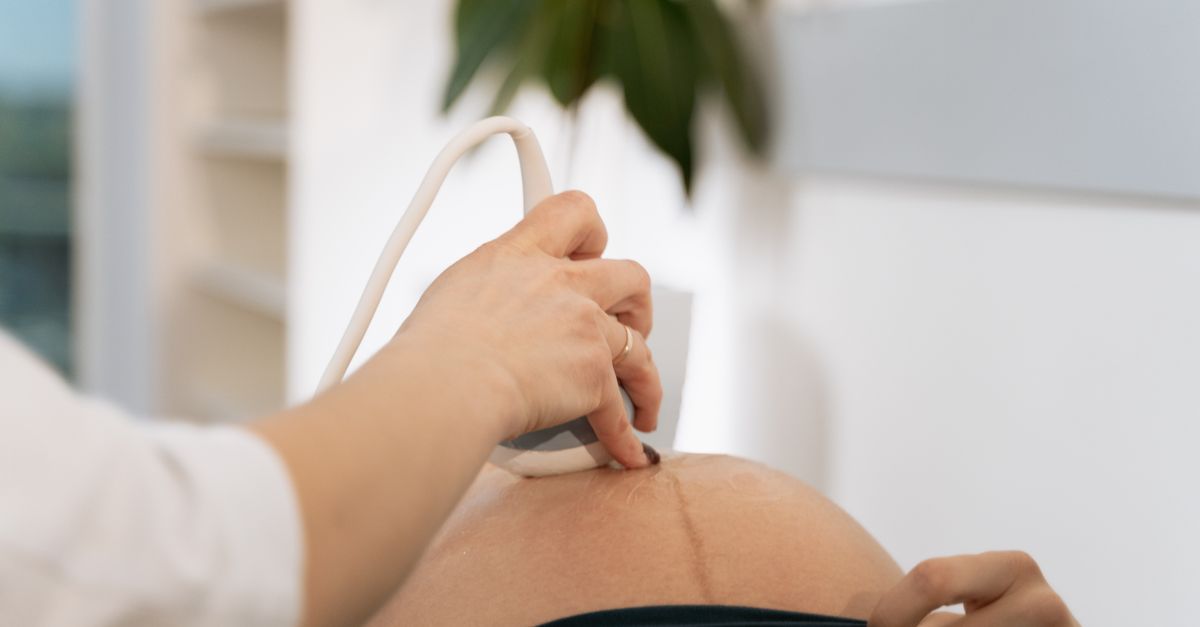
If a subtle hernia or an internal adhesion is suspected but cannot be felt manually, an abdominal ultrasound or a computed tomography scan provides detailed imaging of the fascial layers. These scans can accurately identify small fat protrusions, median umbilical ligament cysts, or fascial tears that are causing the mechanical symptoms.
14. Safe Stretching Techniques For The Core
To minimize discomfort, individuals prone to this specific pain must alter their stretching mechanics. Before reaching upward, engaging the core by gently pulling the belly button inward toward the spine stabilizes the linea alba and protects the umbilical ring from sudden overextension.
Performing slow, controlled side bends and gentle thoracic extensions over a foam roller gradually elongates the abdominal fascia without applying abrupt, vertical sheer force to the navel. Warming up the core muscles with light aerobic activity before stretching also increases tissue elasticity, reducing the risk of a sharp fascial pull.
15. When To Seek Medical Evaluation
A brief, sharp pulling sensation that resolves instantly upon lowering the arms is generally a benign mechanical event. However, medical evaluation is required if the pain becomes a constant, severe ache, or if a noticeable, tender lump appears at the belly button that cannot be pushed back in.
Immediate emergency medical care is absolutely mandatory if the umbilical pain is accompanied by severe abdominal cramping, uncontrollable vomiting, an inability to pass gas, or a high fever. These symptoms strongly suggest an incarcerated or strangulated umbilical hernia, where a portion of the intestine has become trapped and is losing its blood supply, requiring urgent surgical intervention.
16. Frequently Asked Questions (FAQ)
1. Can wearing high-waisted pants cause pain in my belly button?
Yes, tight high-waisted pants or belts can apply constant pressure to the umbilical ring. When you reach upward, the fabric restricts the natural upward glide of your skin, increasing the mechanical pulling force directly on your navel.
2. Does gaining weight increase the chance of pulling pain in this area?
Substantial weight gain increases intra-abdominal pressure, which slowly stretches and weakens the linea alba. A weakened fascial line is much more prone to developing small hernias or feeling strained during a vertical stretch.
3. Will doing sit-ups help fix the pulling pain?
If the pain is due to a muscle strain, doing sit-ups will aggravate the injury. If you have an undiagnosed umbilical hernia, forceful sit-ups can push more tissue through the defect. It is best to avoid heavy core exercises until a doctor rules out a hernia.
4. Is it normal to feel this pain during pregnancy?
Yes, during pregnancy, the expanding uterus severely stretches the abdominal muscles and the umbilical fascia. The belly button frequently becomes flat or protrudes, and upward stretching easily strains the already maximum-tension connective tissues.
5. How can I tell if my belly button pain is from an infection or a muscle pull?
An infection usually presents with visible redness, swelling, warmth to the touch, and sometimes a foul-smelling discharge. A muscle or fascial pull typically leaves the skin looking perfectly normal, with the pain occurring strictly during movement.
17. Bibliography
Disclaimer: The content is for informational purposes only and does not replace medical advice. Always consult your doctor for personalized treatment.