1. Introduction
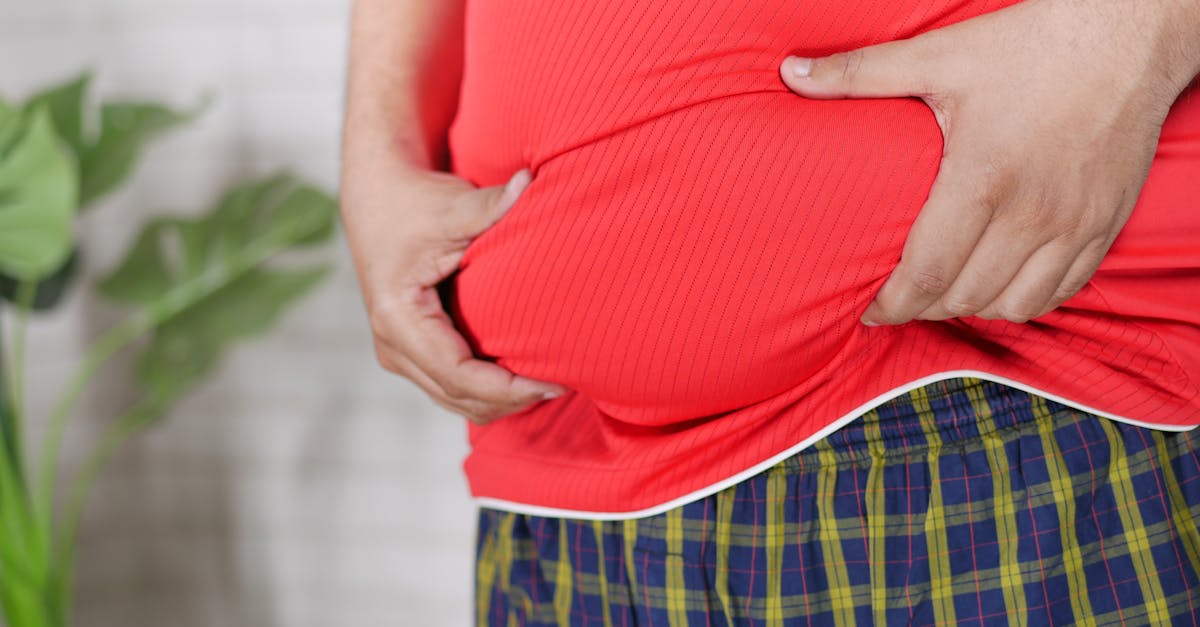
A hard, dense lump appearing just below the navel after a large meal is typically an umbilical or paraumbilical hernia. When the stomach and intestines expand with food, the increased intra-abdominal pressure forces a small section of fat or bowel through a weakened area in the fascial wall of the abdomen. This mechanical protrusion becomes palpable as a distinct, firm nodule beneath the skin.
The abdominal wall relies on a thick layer of connective tissue called fascia to keep the internal organs securely in place. The area around the umbilicus, or navel, is a natural anatomical weak point. While many individuals possess small fascial defects without realizing it, sudden increases in internal pressure reveal these hidden vulnerabilities.
Consuming a heavy meal requires the stomach to distend significantly. This distension displaces adjacent digestive organs, pushing them outward against the abdominal muscles. If a fascial defect is present, the surrounding tissue yields, allowing a small pocket of intra-abdominal contents to slip through the gap.
Addressing this clinical presentation requires an understanding of abdominal anatomy, the dynamics of digestive pressure, and the warning signs of hernia complications. Identifying the exact nature of the lump ensures appropriate monitoring and timely surgical intervention if the protruding tissue becomes compromised.
2. Anatomy of the Umbilical Ring
The umbilicus represents the remnant of the umbilical cord, the vital structure that supplied nutrients during fetal development. After birth, the umbilical ring closes, leaving a dense scar of connective tissue. However, this closure is not always structurally perfect.
The fascia in the center of the abdomen, known as the linea alba, weaves around the umbilicus. In many adults, the collagen fibers in this region are relatively thin. This inherent structural thinness makes the umbilical ring the path of least resistance for internal pressure.
Directly beneath the skin and fat of the abdomen lies the preperitoneal fat layer, followed by the peritoneum, the membrane that lines the abdominal cavity. When a fascial defect exists, it is usually this preperitoneal fat that first breaches the gap.
As the defect widens over time, a portion of the peritoneum can push through, creating a small pouch called a hernia sac. This anatomical sac is what eventually captures sections of the bowel during moments of high abdominal strain.
3. Pathophysiology of an Umbilical Hernia
A hernia is essentially a mechanical failure of the connective tissue. An umbilical hernia occurs precisely at the navel, while a paraumbilical hernia occurs slightly above or below it. The dense lump felt under the skin is the physical material protruding through the fascial tear.
In the early stages, the protruding material is almost always a piece of omentum, a fatty apron that drapes over the intestines. When fat is compressed tightly through a small fascial ring, it feels incredibly dense and rock-hard to the touch.
When you press on the lump gently while lying flat on your back, it may disappear back into the abdomen. This is clinically termed a reducible hernia. The fact that the lump can recede confirms that the tissue is slipping in and out of a structural defect.
If the lump remains firm and refuses to flatten, the tissue may be trapped within the fascial ring, a condition that warrants prompt medical observation.
4. The Impact of a Heavy Meal
Digestion is a space-consuming process. A heavy meal introduces a large volume of food and fluid into the stomach, causing the organ to expand substantially. This expansion instantly decreases the available free space within the sealed abdominal cavity.
As the stomach distends, it physically pushes the intestines downward and forward. The digestive process also generates gas, further inflating the bowel loops. This collective expansion dramatically spikes the intra-abdominal pressure.
This pressure must dissipate somewhere. It presses evenly against the entire abdominal wall, seeking the weakest point. The fascial defect near the belly button offers no resistance.
The increased pressure essentially drives a wedge of fat or intestine through the umbilical defect, transforming an invisible weakness into a palpable, dense lump that remains until the meal digests and the internal pressure normalizes.
5. Differentiating Hernias from Lipomas
It is crucial to distinguish an exertion-induced hernia from a benign fatty tumor known as a lipoma. A lipoma is a slow-growing encapsulation of fat cells situated between the skin and the underlying muscle layer.
A lipoma feels doughy or rubbery and will easily slip under the fingers when manipulated. It remains completely static in size regardless of meals, coughing, or physical exertion because it is entirely external to the abdominal cavity.
A hernia, conversely, feels much denser when under pressure. Its primary identifying feature is its dynamic nature. The lump becomes distinctly more prominent when intra-abdominal pressure rises, such as after eating, laughing, or lifting heavy objects.
If the lump completely vanishes when lying down in a fasted state, it is almost certainly a hernia rather than a superficial skin growth.
6. Intra-Abdominal Pressure Dynamics
The abdomen functions as a pressurized biological cylinder. The boundaries are formed by the diaphragm above, the pelvic floor below, the spine behind, and the abdominal muscles in front.
Any action that compresses this cylinder elevates the internal pressure. Chronic coughing, intense sneezing, and straining during bowel movements are notorious triggers for revealing a hidden hernia.
Occupational hazards that involve frequent heavy lifting require the individual to brace their core, intentionally spiking intra-abdominal pressure to stabilize the spine. Over years of manual labor, this repetitive internal force slowly stretches the linea alba.
A heavy meal acts as a passive, sustained form of pressure. Rather than a brief spike from a cough, a large meal places the fascial wall under steady, unrelenting tension for several hours, maximizing the opportunity for tissue to protrude.
7. Rectus Diastasis Comparison
A condition closely related to midline hernias is diastasis recti, which involves the lateral separation of the rectus abdominis muscles. This occurs when the linea alba stretches and thins out, often due to pregnancy or significant weight fluctuation.
When a person with diastasis recti engages their core, a distinct vertical bulge or ridge appears down the center of the abdomen. This is sometimes confused with a hernia.
However, diastasis recti represents a global thinning and stretching of the fascia, not an actual tear. A true hernia involves a distinct hole in the fascia. A hernia lump is focal, usually spherical, and highly localized, whereas a diastasis bulge is elongated and ridge-like.
Individuals with severe diastasis recti are, however, at a significantly higher risk for developing true umbilical hernias due to the compromised integrity of their midline connective tissue. For further context regarding abdominal wall tension, readers may review our clinical overview of a stomach muscle ache.
8. Clinical Evaluation of Abdominal Lumps
Categorizing the physical characteristics of the lump helps determine the urgency of medical intervention.
| Lump Characteristic | Symptom Profile | Clinical Indication |
|---|---|---|
| Appears after eating, disappears when lying down | Painless or mild pressure | Reducible, uncomplicated hernia |
| Doughy texture, static size, easily moved | Completely painless | Benign superficial lipoma |
| Hard, cannot be pushed back inside | Increasing dull ache | Incarcerated hernia |
| Rock hard, highly tender, skin turns red | Nausea, vomiting, severe sharp pain | Strangulated hernia (Medical Emergency) |
9. Incarceration and Strangulation Risks
While a reducible hernia is merely a mechanical nuisance, it carries the potential for severe complications. Incarceration occurs when the protruding fat or bowel becomes permanently trapped outside the fascial ring.
An incarcerated hernia can no longer be pushed back into the abdomen. While it may not be immediately painful, it represents a structural hazard. The trapped tissue is highly vulnerable to swelling.
If the trapped tissue swells to the point where it pinches off its own blood supply, the hernia becomes strangulated. Strangulation is an absolute medical emergency. The lack of oxygenated blood causes the trapped bowel segment to undergo rapid tissue necrosis.
A strangulated hernia is excruciatingly painful, extremely hard to the touch, and often accompanied by systemic signs of distress, including fever, nausea, and an inability to pass gas.
10. Managing Post-Prandial Distension
For individuals with small, asymptomatic hernias, managing digestive volume is the first line of defense. The goal is to prevent the stomach from expanding violently and stressing the abdominal wall.
Transitioning from three large meals to five smaller, frequent meals distributes the digestive load evenly throughout the day. This prevents the acute spikes in gastric distension that push the hernia outward.
Avoiding highly carbonated beverages and foods known to cause excessive gas production is equally critical. Trapped intestinal gas artificially inflates the bowel loops, maximizing the internal pressure against the umbilical ring.
Staying upright for at least two hours after eating allows gravity to assist digestion and prevents the heavy stomach from pressing upward against the weaker portions of the upper abdominal fascia.
11. The Role of Core Integrity
Maintaining an optimal body weight drastically reduces the baseline resting pressure within the abdominal cavity. Excess visceral fat, which surrounds the internal organs, acts as a constant internal wedge pressing against the abdominal wall.
Losing excess body fat relieves this chronic tension, often making small hernias less prominent and reducing the daily aching sensation.
Strengthening the deep core musculature, specifically the transversus abdominis, provides a dynamic, muscular brace behind the weakened fascia. Exercises such as pelvic tilts and deep diaphragmatic breathing train the core to distribute internal pressure safely.
However, traditional abdominal exercises like heavy crunches or intense planks must be avoided, as these movements actively push the abdominal contents outward and can exacerbate a fascial tear.
12. Diagnostic Imaging Protocols
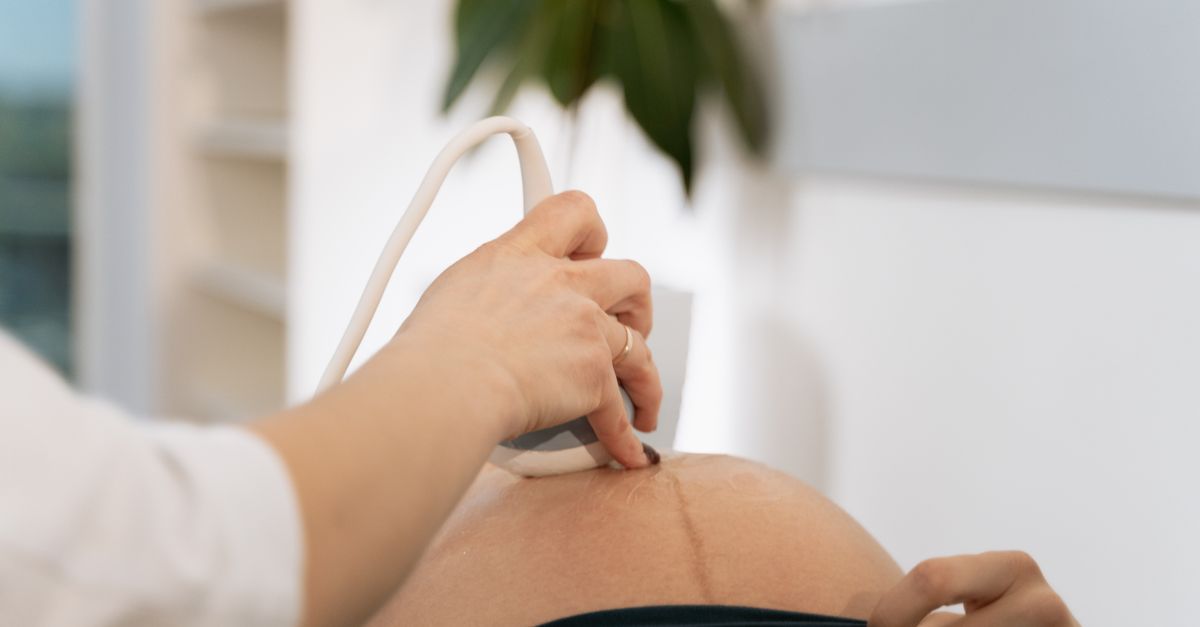
If a physician suspects a complex hernia or needs to rule out other abdominal masses, advanced imaging is utilized. While a physical exam is often sufficient, a dynamic ultrasound provides real-time visualization of the abdominal wall.
During an ultrasound, the patient is asked to cough or bear down, allowing the radiologist to watch the internal tissue slide through the fascial defect. This confirms the diagnosis and measures the precise width of the fascial tear.
For larger hernias, or those occurring after abdominal surgery, a Computed Tomography scan offers a highly detailed, three-dimensional view of the abdominal layers, ensuring no hidden loops of bowel are dangerously close to the fascial edge.
13. Surgical Repair Considerations
When a hernia becomes painful, continues to enlarge, or carries a high risk of incarceration, surgical repair is clinically indicated. A hernia cannot heal itself; the fascial tear will never close spontaneously in an adult.
Surgical intervention involves returning the protruding tissue to the abdominal cavity and repairing the hole. For very small defects, the surgeon may simply stitch the tough fascial edges back together using non-absorbable sutures.
For larger defects, or to prevent recurrence, a synthetic or biological mesh is utilized. The mesh is placed behind or over the fascial tear, acting as a permanent structural scaffold. Over time, the body’s own scar tissue integrates with the mesh, creating a robust, tension-free repair that can easily withstand the pressures of heavy meals and physical labor.
14. Postural Habits and Digestion
Daily postural habits heavily influence how the abdomen manages internal pressure. Slouching immediately after a heavy meal collapses the rib cage downward toward the pelvis.
This compressed posture forcefully squeezes the recently expanded stomach, leaving the intra-abdominal pressure nowhere to go but outward against the belly button.
Maintaining a tall, neutral spine while sitting and standing provides the abdominal organs with maximum vertical space. This ergonomic adjustment prevents the organs from being crushed against the front wall of the stomach, significantly minimizing the outward protrusion of the hernia lump.
15. When to Seek Emergency Medical Care
Patients with known hernias must be vigilant for signs of strangulation. If the dense lump suddenly becomes intensely painful, changes color to red or purple, or becomes exquisitely tender to even a light touch, proceed to an emergency department immediately.
The onset of severe nausea, projectile vomiting, or an abrupt cessation of bowel movements indicates a potential bowel obstruction caused by a loop of intestine trapped within the hernia sac.
Waiting to see if these severe symptoms resolve on their own invites the risk of bowel perforation, a life-threatening complication that requires extensive emergency surgery.
16. Frequently Asked Questions FAQ
1. Can wearing a tight belt or a waist trainer fix my hernia?
No. Wearing a tight belt or a compressive waist trainer applies external pressure that may temporarily push the lump inward, but it actually increases the internal pressure within the abdomen. This can weaken the surrounding tissues further and will never heal the actual fascial tear.
2. Is it safe to gently push the lump back in myself?
If the hernia is completely painless and yields easily to gentle, flat pressure while you are lying down on your back, it is generally safe to massage it back inside. Never use forceful, sharp pressure, as this can bruise the trapped tissue.
3. Will drinking more water stop the lump from appearing after meals?
While hydration aids digestion, water takes up physical volume in the stomach. Drinking massive amounts of water during a heavy meal will simply expand the stomach further, likely making the lump protrude more. Drink water continuously between meals instead.
4. Can an umbilical hernia cause lower back pain?
If a hernia is large, it can disrupt the mechanical stability of the core. When the front abdominal wall is weak, the lower back muscles must overwork to keep the spine upright, which frequently leads to secondary muscle fatigue and deep lower back aching.
5. How long is the recovery if I decide to get the hernia fixed surgically?
For a standard, uncomplicated umbilical hernia repair, most patients return to light daily activities within a week. However, heavy lifting, intense core exercises, and strenuous abdominal strain must be strictly avoided for four to six weeks to allow the mesh to integrate securely with the fascia.
17. Bibliography
Disclaimer: The content is for informational purposes only and does not replace medical advice. Always consult your doctor for personalized treatment.