1. Introduction
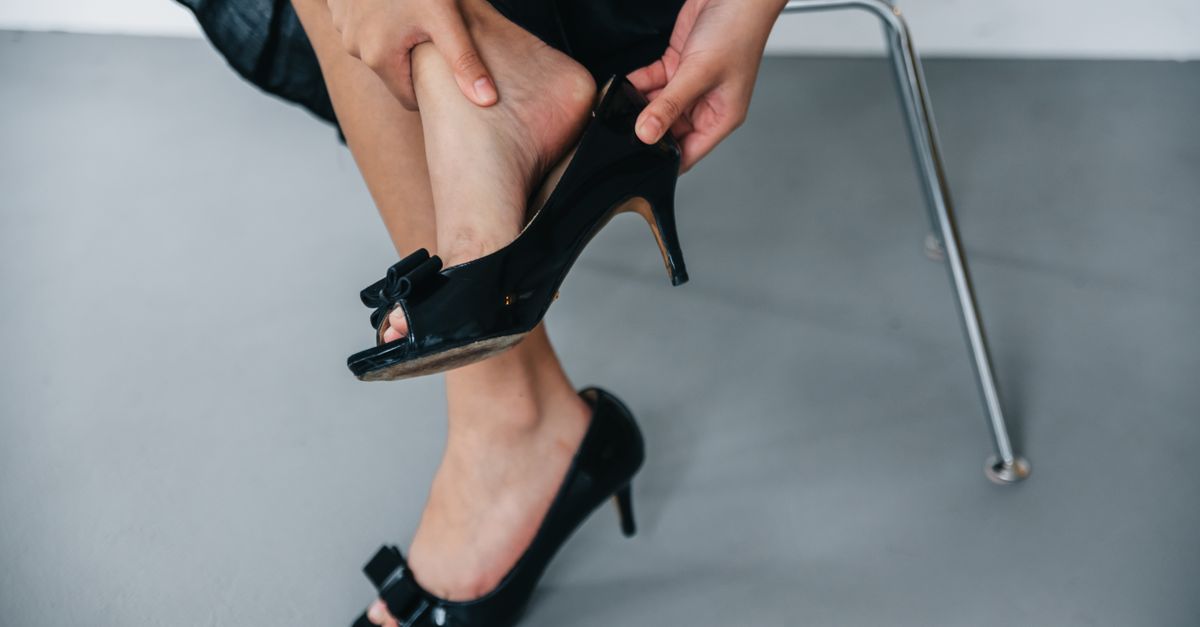
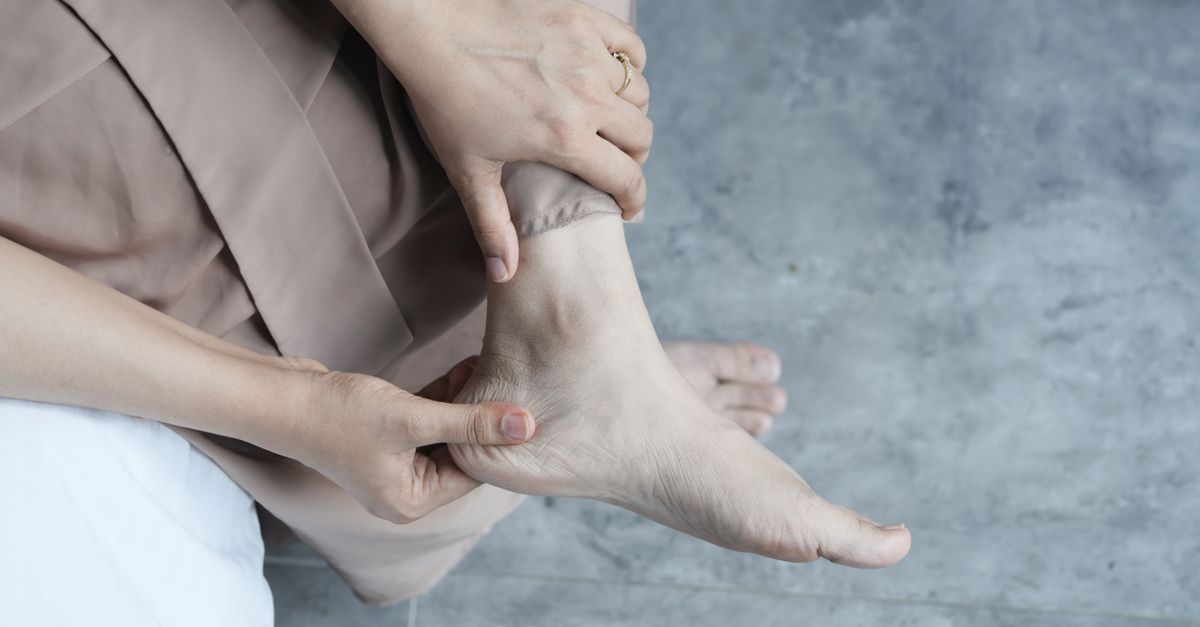
The deep ache in your calf muscles after wearing tall high heels occurs because the elevated heel position forces the lower leg muscles into a continuously shortened state. This prolonged contraction reduces blood flow and alters the natural resting length of the muscle fibers. When you eventually take the shoes off and stand flat on the ground, these shortened muscles are suddenly stretched back to their normal length, creating microscopic tears and triggering a localized inflammatory response. This biomechanical shift is the primary reason for the deep, aching sensation experienced hours or even days after a formal event.
Wearing high heels fundamentally alters the anatomical alignment of the human body. The foot is forced into a downward-pointing position, known clinically as plantarflexion. This posture demands continuous work from the muscles in the back of the lower leg to maintain balance and stability.
Over the course of an evening, the continuous tension leads to muscle fatigue. Lactic acid and other metabolic waste products can accumulate due to compromised circulation in the tightened tissues. The resulting discomfort is a clear signal from the musculoskeletal system that it has been subjected to unnatural mechanical stress.
Understanding the specific muscular mechanisms involved can help in preventing and managing this common issue. Proper foot care and biomechanical awareness are essential for maintaining lower limb health while occasionally wearing formal footwear.
2. Anatomy of the Lower Leg
The posterior aspect of the lower leg comprises several distinct muscles, with the gastrocnemius and the soleus being the most prominent. The gastrocnemius is the large, superficial muscle that gives the calf its distinct rounded shape. It originates above the knee joint and plays a vital role in explosive movements like jumping and fast walking.
Beneath the gastrocnemius lies the soleus muscle. The soleus is flatter and originates below the knee, functioning primarily for endurance and postural control. Both of these muscles merge at the lower end of the leg to form the Achilles tendon, which attaches to the heel bone.
In a normal standing posture with flat shoes or bare feet, these muscles maintain a resting length that allows for optimal force production and joint mobility. The muscles are constantly making micro-adjustments to keep the body upright, but they are not held in a state of maximum contraction.
When the heel is elevated, the origin and insertion points of these muscles are brought closer together. This structural change demands a reorganization of the muscle fibers. Over several hours, the fibers adapt to this new, shorter length, which sets the stage for the discomfort felt later.
3. The Biomechanics of Wearing High Heels
Elevating the heel changes the center of gravity of the entire body. To compensate for the forward shift in weight, the body must adjust its alignment starting from the ankles and progressing upwards through the knees, hips, and spine. This chain reaction places unusual stress on multiple joint structures.
At the level of the ankle, the joint is locked in plantarflexion. This reduces the shock-absorbing capacity of the foot during walking. With each step, the impact is transmitted more directly up the leg, requiring the calf muscles to work harder to stabilize the tibia and fibula.
The forward displacement of body weight also means that the forefoot bears a disproportionate amount of pressure. To keep the body from falling forward, the calf muscles must remain in a state of constant, low-level contraction. This continuous engagement without a relaxation phase leads to rapid muscle exhaustion.
The biomechanical inefficiency of walking in heels means that more energy is expended for the same amount of movement. The muscles are working harder while in a disadvantaged, shortened position, which is a primary catalyst for the aching sensation that follows.
4. Muscle Shortening and Adaptation
Skeletal muscles consist of overlapping filaments known as actin and myosin. During contraction, these filaments slide past one another to shorten the muscle. When a person wears high heels for an extended period, the calf muscles are held in a shortened state, and the overlapping filaments remain tightly bound together.
If this position is maintained for hours, the nervous system begins to interpret this shortened state as the new normal. The connective tissue surrounding the muscle fibers, known as fascia, can also become less pliable and adapt to the shortened length. This adaptation restricts the natural extensibility of the muscle.
The prolonged contraction reduces the space between the muscle fibers, which can compress the small blood vessels running through the tissue. This compression limits the delivery of oxygen and nutrients while simultaneously slowing the removal of metabolic byproducts.
When the muscles are deprived of adequate blood flow and forced to hold a shortened position, they become highly susceptible to fatigue and irritation. The physiological adaptation to the elevated heel is temporary but significant enough to cause noticeable discomfort.
5. The Transition from Heels to Flat Shoes
The most critical moment for the onset of calf pain occurs when the high heels are removed and the foot is placed flat on the ground. This action forces the ankle into dorsiflexion, moving the toes upward relative to the shin. This movement demands that the calf muscles return to their full anatomical length.
Because the muscles have spent hours in a shortened and tightened state, they resist this sudden stretch. The tight, inflexible muscle fibers and the surrounding fascia are pulled forcefully. This mechanical tension causes microscopic damage to the muscle tissue, similar to the strain experienced during an intense physical workout.
The sudden stretch also triggers a reflex arc in the spinal cord. The muscle spindles, which are sensory receptors within the muscle, detect the rapid lengthening and signal the muscle to contract protectively. This reflex can cause the muscles to feel stiff, rigid, and deeply achy.
The transition back to a flat foot essentially constitutes an acute stretching injury to muscles that have temporarily lost their elasticity. The deeper the ache, the more significant the microscopic tissue disruption.
6. Delayed Onset Muscle Soreness in the Calves
The discomfort experienced a day or two after the formal event is often a form of Delayed Onset Muscle Soreness. This condition is well-documented in sports medicine and occurs after muscles are subjected to unaccustomed or strenuous activity, particularly movements involving eccentric loading.
Walking down stairs or walking downhill in high heels requires the calf muscles to lengthen while under tension, an action known as an eccentric contraction. Eccentric contractions are known to cause more structural disruption to muscle fibers than concentric, or shortening, contractions.
The microscopic damage initiates an inflammatory response. The body sends fluid and inflammatory cells to the area to repair the microtears. This accumulation of fluid increases pressure within the muscle compartment, stimulating pain receptors.
This physiological repair process takes time, which explains why the deep ache might peak 24 to 48 hours after the event. The soreness is a sign that the body is actively remodeling the tissue to repair the mechanical stress induced by the footwear.
7. The Role of the Achilles Tendon
The calf muscles do not work in isolation. They transmit their force to the heel bone via the Achilles tendon, the thickest and strongest tendon in the human body. The health and flexibility of the Achilles tendon are directly impacted by the height of the shoes worn.
When the calf muscles are chronically shortened by high heels, the Achilles tendon also experiences reduced tension and adapts to a shortened position. Over the course of an evening, the tendon loses some of its natural pliability.
When returning to flat ground, the sudden demand for elongation places substantial strain not only on the muscle belly but also on the tendon itself. This junction between the muscle and the tendon is particularly vulnerable to micro-tearing and inflammation.
If a person frequently wears high heels, this repeated shortening and sudden stretching can lead to chronic structural changes in the tendon, increasing the risk of tendinopathy. The deep ache in the lower calf is often accompanied by a stiff, tight sensation directly over the Achilles tendon.
8. Impact on Circulation and Venous Return
The calf muscles are often referred to as the second heart of the body. Their rhythmic contraction and relaxation during normal walking act as a pump, helping to push deoxygenated blood from the lower extremities back up to the heart against the force of gravity.
When wearing high heels, the natural heel-to-toe gait is disrupted. The ankle joint moves through a much smaller range of motion, and the calf muscles remain in a more sustained, isometric contraction. This diminished pumping action leads to venous stasis, where blood pools in the lower legs.
The pooling of blood and lymphatic fluid can cause a feeling of heaviness, swelling, and deep aching in the calves. The accumulation of metabolic waste products, which are not efficiently cleared away due to the compromised pumping mechanism, contributes to the dull ache.
Restoring normal circulation is a crucial step in alleviating the discomfort. Once normal footwear is resumed and the ankle moves through its full range of motion, the muscle pump is reactivated, facilitating the clearance of these fluids.
9. Common Symptoms Associated with High Heel Wear
The symptoms resulting from prolonged high heel use form a predictable clinical pattern. The primary sensation is a deep, throbbing ache localized in the posterior aspect of the lower leg. This pain is typically bilateral, affecting both legs equally.
| Symptom | Underlying Cause |
|---|---|
| Deep throbbing ache | Microscopic muscle fiber tears and inflammation |
| Morning stiffness | Fluid accumulation and tissue tightening overnight |
| Muscle cramping | Electrolyte imbalance and neuromuscular fatigue |
| Tenderness upon touch | Localized inflammatory response in the fascia |
Patients frequently report that the stiffness is most pronounced first thing in the morning. During sleep, the feet naturally fall into a slightly plantarflexed position, allowing the calf muscles to shorten once again. The first few steps out of bed force an abrupt stretch, replicating the initial mechanism of injury.
Night cramps are another common occurrence. The fatigued muscles may undergo spontaneous, painful spasms as the neuromuscular system attempts to recover from the prolonged mechanical stress of the elevated heels.
10. Differentiating Muscle Fatigue from Serious Conditions
While a deep ache after wearing high heels is generally benign, it is important to distinguish this routine muscle fatigue from more significant medical conditions. Pain that is strictly linked to footwear and resolves within a few days is typical of mechanical strain.
However, if the pain is unilateral, meaning it affects only one leg, it warrants closer attention. A deep, persistent pain in one calf, especially if accompanied by visible swelling, redness, or warmth, could indicate a vascular issue, such as a blood clot.
Similarly, pain that is sharp, sudden, and accompanied by a popping sensation might suggest a more severe tear of the muscle or the Achilles tendon. Standard muscle ache from heels is dull, diffuse, and gradual in onset.
Understanding the context of the pain is vital. Discomfort directly following a specific event involving restrictive footwear is almost exclusively musculoskeletal in nature and responds well to conservative home management.
11. Risk Factors for Increased Discomfort
Several factors can amplify the degree of calf pain experienced after wearing formal shoes. The most obvious is the height of the heel. A higher heel forces a more significant degree of plantarflexion, leading to a greater shortening of the muscle fibers.
The duration of wear is equally critical. Standing or dancing for several hours continuous without a break prevents the muscles from experiencing any relaxation phase. The type of flooring also plays a role. Hard surfaces like concrete or marble provide no shock absorption, increasing the mechanical load transferred to the calves.
A lack of baseline flexibility in the lower extremities can make individuals more susceptible to this type of ache. Those who already have tight calf muscles or who rarely perform stretching exercises will experience a more severe reaction when their muscles are forced into a shortened state.
Additionally, infrequent use of high heels means the body is not conditioned to this specific biomechanical stress. A person who wears flats daily will likely experience more profound soreness after a single evening in heels compared to someone who wears them regularly.
12. Immediate Relief and Recovery Strategies
Upon removing the high heels, immediate steps can be taken to mitigate the impending muscle ache. The first priority is to restore blood flow and gently encourage the muscle fibers to return to their normal resting length. Gentle, active movement of the ankles, such as drawing circles with the toes, is beneficial.
Applying a warm compress or taking a warm bath can help relax the tense muscle tissue and improve local circulation. Heat promotes vasodilation, allowing fresh, oxygenated blood to reach the fatigued fibers and wash away metabolic waste.
Elevation of the legs is also highly recommended. Lying down with the feet propped up above the level of the heart enlists the aid of gravity to reduce any swelling or fluid pooling that occurred while standing in the heels.
Gentle self-massage using upward strokes toward the heart can further assist in lymphatic drainage and the relaxation of the tight fascia. It is important to avoid aggressive deep tissue massage immediately after the event, as the tissues are already inflamed and sensitive.
13. Long-Term Preventive Measures
For individuals who occasionally wear tall heels to formal events, incorporating long-term preventive strategies can significantly reduce the resulting discomfort. Developing a routine that focuses on the flexibility and strength of the lower leg is highly effective.
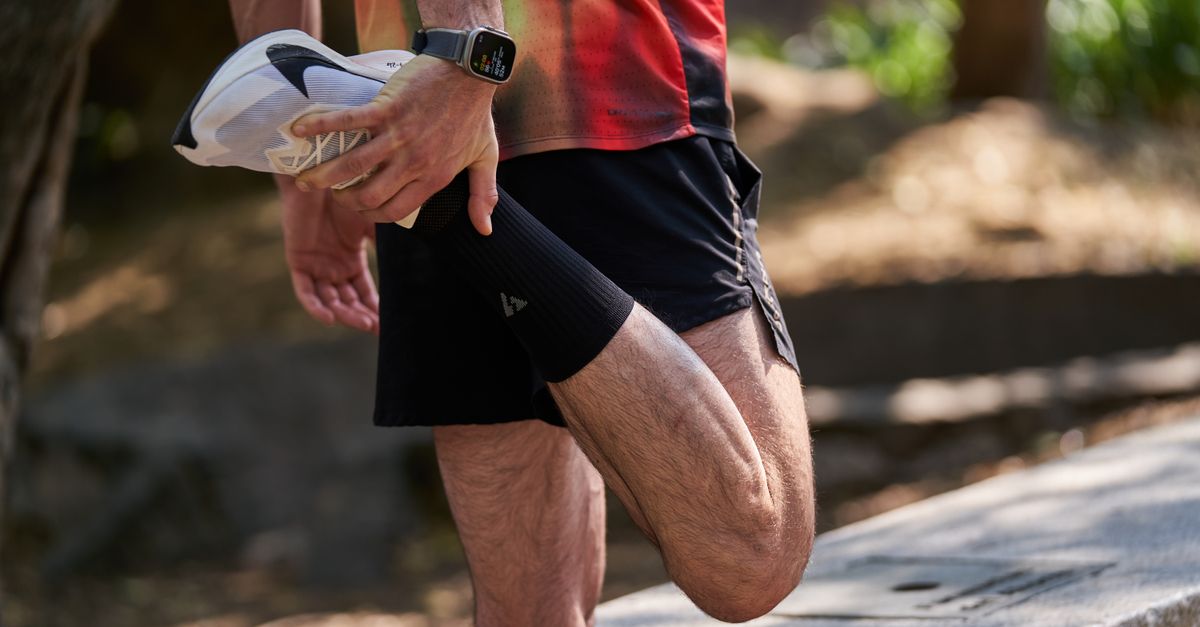
Regular stretching of both the gastrocnemius and the soleus muscles ensures that the tissues maintain their elasticity. Wall stretches, where one foot is placed behind the other with the heel pressed into the ground, should be performed daily. Strengthening the opposing muscles, specifically the tibialis anterior on the front of the shin, helps maintain a balanced joint mechanism.
When selecting footwear for an event, considering shoes with a platform under the forefoot can reduce the effective heel height, thereby decreasing the angle of plantarflexion. Opting for a wider heel, such as a block heel, provides greater stability and reduces the continuous balancing work required from the calf muscles.
Taking brief, seated breaks during a formal event to slip the shoes off and gently stretch the ankles can interrupt the continuous muscle contraction. This simple practice prevents the tissues from fully adapting to the shortened position.
14. When to Seek Professional Medical Care
Most cases of calf pain resulting from high heel use resolve independently within three to five days with adequate rest and conservative care. However, certain clinical signs indicate the need for professional medical evaluation.
If the pain persists beyond a week despite rest and stretching, or if it progressively worsens, it may indicate a more persistent tendinopathy or a structural issue that requires targeted physical therapy. A clinical assessment can identify specific biomechanical deficits.
Immediate medical attention is required if the pain is accompanied by numbness or tingling in the foot, which could suggest nerve compression. Furthermore, if you are completely unable to bear weight on the affected leg, a structural injury must be ruled out.
If you suspect your pain is related to a chronic condition, such as venous insufficiency, a consultation with a vascular specialist is appropriate. Persistent, unexplained pain should never be ignored.
15. Frequently Asked Questions (FAQ)
1. How long does calf pain from wearing high heels typically last?
The pain usually manifests a few hours after removing the shoes and can last between two to five days. It typically peaks around the 48-hour mark due to the delayed inflammatory response in the muscle fibers.
2. Should I use ice or heat for aching calves after wearing heels?
In the first 24 hours, gentle heat is generally more effective for relaxing tight muscles and improving blood flow. If there is visible swelling around the ankles, a brief application of ice may help reduce the local inflammation.
3. Does the height of the heel directly correlate to the amount of pain?
Yes. A taller heel creates a steeper angle for the foot, resulting in a more severe shortening of the calf muscles and the Achilles tendon. This directly increases the physical strain on the tissues.
4. Is it beneficial to stretch before wearing high heels?
Stretching before wearing heels can improve baseline flexibility, but the most crucial time to stretch is after removing the shoes. Post-wear stretching helps guide the shortened muscle fibers back to their natural resting length.
5. Can wearing high heels frequently cause permanent changes to my muscles?
Frequent and prolonged use of high heels can lead to chronic shortening of the calf muscles and structural stiffness in the Achilles tendon. Over time, this can make standing flat on the ground persistently uncomfortable.
16. Bibliography
Disclaimer: The content is for informational purposes only and does not replace medical advice. Always consult your doctor for personalized treatment.