1. Introduction to Hernia Induced Pain
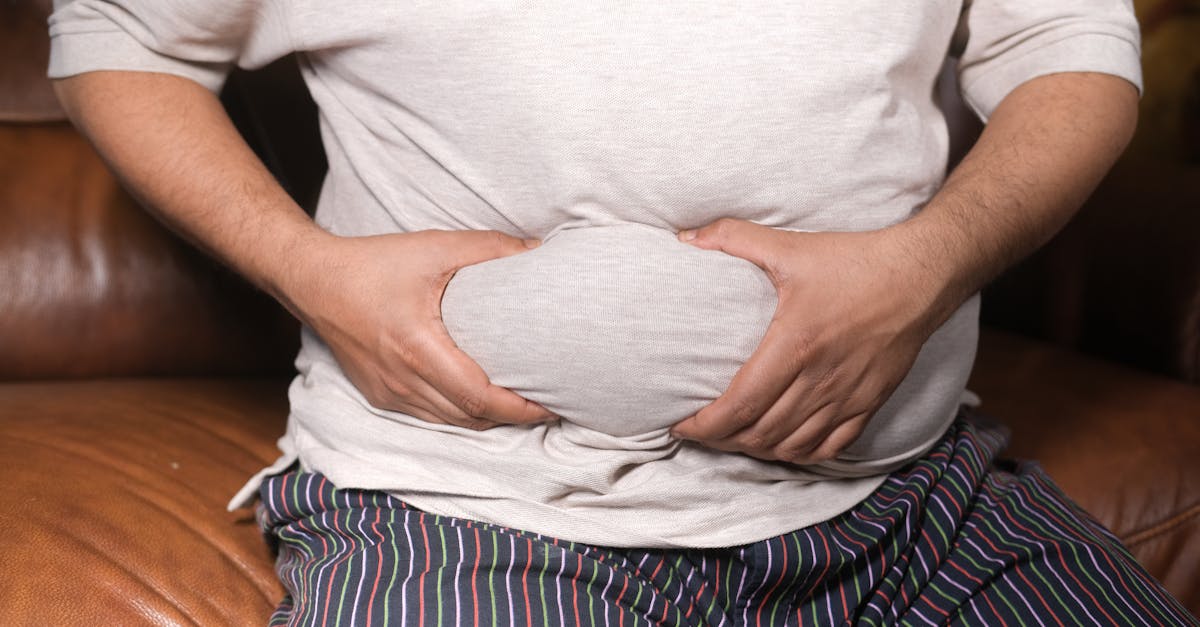
Yes, a hernia can be a primary cause of significant and persistent lower abdominal pain. A hernia occurs when an internal organ or fatty tissue squeezes through a weak spot or a structural defect in the surrounding muscle or connective tissue called fascia. When this tissue protrudes into the lower abdominal wall or groin area, it creates localized pressure, inflammation, and mechanical stretching that the nervous system registers as a dull ache, a sharp twinge, or a heavy dragging sensation.
Understanding the anatomical origins of this pain is crucial for accurate diagnosis and timely intervention. While some hernias remain small and completely asymptomatic, others can cause profound discomfort that worsens with physical activity, coughing, or prolonged standing. Recognizing the specific characteristics of hernia related pain ensures that potential severe complications, such as tissue strangulation, are prevented through appropriate medical evaluation.
2. Anatomy of the Abdominal Wall
The abdominal wall is a complex structure composed of multiple layers of muscle, fascia, and subcutaneous fat designed to contain and protect the internal digestive organs. This wall is under continuous pressure from the contents of the abdominal cavity.
Certain areas of the abdominal wall are naturally weaker due to the presence of anatomical pathways where blood vessels and reproductive structures pass through. The inguinal canal in the groin and the femoral canal just below it are prime examples of these natural weak points. When the intra abdominal pressure forces tissue to widen these small openings, a hernia is formed, stretching the sensitive fascial layers.
3. Inguinal and Femoral Hernias
The most common types of hernias responsible for lower abdominal pain are inguinal and femoral hernias. Inguinal hernias occur in the inguinal canal, a passage in the anterior abdominal wall. They are significantly more common in men due to the descent of the testicles through this canal during fetal development, which leaves a natural structural vulnerability.
Femoral hernias occur just below the inguinal ligament, where the femoral artery and vein pass from the abdomen into the leg. These are more common in women due to the wider anatomical structure of the female pelvis. Both types present as a bulge in the lower abdomen or groin and can cause deep, radiating pain along the pelvic floor and inner thigh.
4. Mechanisms of Hernia Pain
The pain generated by a hernia is primarily mechanical. As a segment of intestine or a piece of omental fat pushes through the muscular defect, it stretches the surrounding parietal peritoneum, which is the highly sensitive membrane lining the abdominal cavity.
This continuous stretching activates somatic pain receptors. Additionally, the protruding tissue rubs against the edges of the muscular defect during movement. This physical friction creates localized inflammation and tissue swelling, compounding the mechanical pain with a deep, throbbing, inflammatory ache that often intensifies toward the end of a physically active day.
5. The Role of Intra-abdominal Pressure
Any activity that increases the pressure inside the abdominal cavity forces the internal organs harder against the abdominal wall, directly worsening hernia pain. Lifting heavy objects, performing strenuous abdominal exercises, coughing, sneezing, and straining during a bowel movement all cause sudden, dramatic spikes in intra abdominal pressure.
During these actions, patients often feel a sharp, stabbing sensation at the site of the hernia, occasionally accompanied by a visible increase in the size of the bulge. This dynamic relationship between physical exertion and acute localized pain is a hallmark clinical indicator of an abdominal wall defect.
6. Nerve Entrapment
The lower abdominal wall and groin are supplied by a network of sensory nerves, including the ilioinguinal, iliohypogastric, and genitofemoral nerves. As a hernia enlarges, the protruding sac can physically press against or stretch these delicate nerve fibers.
This nerve compression, known as entrapment, alters the nature of the pain. Instead of a dull muscular ache, the patient experiences a sharp, electric, burning sensation that radiates away from the hernia site. In men, this neuropathic pain frequently shoots down into the scrotum or testicle, while in women, it may radiate into the labia or upper thigh, complicating the clinical presentation.
7. Bowel Incarceration
A critical progression in hernia pathology is incarceration. In a reducible hernia, the protruding tissue can easily slide back into the abdominal cavity when the patient lies flat and relaxes. However, if the tissue becomes swollen or stuck within the tight muscular ring, it cannot return to its proper location.
This trapped state is called incarceration. An incarcerated hernia causes a sudden, significant increase in lower abdominal pain. The localized area becomes firm, exquisitely tender to the touch, and the bulge will not flatten out with rest. Incarceration can cause partial or complete bowel obstruction, presenting with severe nausea and an inability to pass gas.
8. Strangulation
The most severe complication of an incarcerated hernia is strangulation. When the tissue is tightly trapped, the muscular ring can act like a tourniquet, cutting off the arterial blood supply to the herniated segment of intestine or fat.
Without oxygenated blood, the trapped tissue rapidly begins to die, a condition known as ischemia. A strangulated hernia produces sudden, excruciating, unyielding lower abdominal pain. The skin over the bulge may turn red or purple. This is an absolute surgical emergency; without immediate operative intervention to restore blood flow, the tissue will become gangrenous, leading to life threatening systemic infection.
9. Differentiating Hernias from Other Pain Causes
Lower abdominal pain has many potential origins, and precise clinical differentiation is required.
| Clinical Feature | Hernia Pain | Other Pathologies (e.g., Appendicitis) |
|---|---|---|
| Visual Signs | Visible or palpable bulge in groin/abdomen | No visible bulge, overall abdominal swelling |
| Triggering Events | Worsens with heavy lifting, coughing, standing | Pain remains constant regardless of activity |
| Relief Factors | Pain often subsides when lying flat | Lying flat does not relieve the deep visceral pain |
| Systemic Symptoms | Usually none unless strangulated | Fever, profound lethargy, loss of appetite |
A pain that changes intensity based on posture and physical bearing is highly suspicious for a structural abdominal wall defect.
10. Physical Examination Findings
A physician diagnoses a hernia primarily through a targeted physical examination. The patient is evaluated in both a standing and a supine (lying down) position. The physician will palpate the groin area and ask the patient to cough or bear down, simulating a Valsalva maneuver.
This action increases intra abdominal pressure, forcing the hernia sac outward. The physician feels for the distinct mechanical impulse of tissue striking their examining finger. If a bulge is palpable and corresponds exactly to the patient’s area of pain, a clinical diagnosis of a symptomatic hernia is confidently established.
11. Diagnostic Imaging
While physical examination is the gold standard for large, obvious hernias, smaller or hidden defects may require advanced diagnostic imaging. This is particularly true for individuals with significant abdominal adipose tissue or female patients presenting with deep, vague pelvic pain.
A dynamic ultrasound is a highly effective, non invasive tool. The technician observes the abdominal wall in real time while the patient coughs, visually confirming the protrusion of tissue through a fascial defect. In complex cases, a computed tomography scan provides a comprehensive, three dimensional view of the abdominal musculature and the contents of the hernia sac.
12. Conservative Management
For hernias that are small, completely reducible, and cause only minimal, infrequent discomfort, a physician may recommend watchful waiting. Conservative management involves modifying lifestyle factors to reduce intra abdominal pressure.
Patients are advised to avoid heavy lifting, utilize proper body mechanics, treat chronic constipation to prevent straining, and manage chronic coughing conditions. Wearing a supportive garment, such as a hernia truss, can provide external mechanical counter pressure, keeping the tissue reduced and minimizing daily pain, though it does not cure the underlying defect.
13. Surgical Interventions
The only definitive cure for a hernia is surgical repair. When a hernia causes persistent lower abdominal pain that interferes with daily life, or if it grows progressively larger, surgical intervention is highly recommended to prevent incarceration.
Modern hernia repairs are frequently performed using minimally invasive laparoscopic or robotic techniques. The surgeon reduces the protruding tissue back into the abdomen and repairs the fascial defect, typically reinforcing the area with a piece of sterile, synthetic mesh. This mesh acts as a structural scaffold, integrating with the patient’s own tissue to create a robust, tension free repair that minimizes the risk of recurrence.
14. Post-surgical Expectations
Following surgical repair, patients will experience a different type of lower abdominal pain related directly to the surgical incisions and tissue healing. This acute post operative pain generally peaks within the first few days and steadily subsides over two to four weeks.
Patients are placed on strict lifting restrictions during the recovery phase to allow the mesh to integrate securely with the abdominal wall. Once fully healed, the chronic, dragging, pressure related pain that characterized the hernia should be entirely resolved, allowing the individual to return to normal, unrestricted physical activity.
15. When to Seek Emergency Care
While most hernias progress slowly, the onset of severe complications requires immediate action. If an individual with a known hernia suddenly experiences intense, unrelenting lower abdominal pain, and the previously soft bulge becomes rock hard and impossible to push back in, emergency medical services must be engaged. Furthermore, if this severe pain is accompanied by intractable vomiting, inability to pass gas, or symptoms mimicking severe pelvic pain that radiates rapidly across the entire abdomen, a strangulated bowel is highly probable, demanding rapid surgical rescue.
16. Frequently Asked Questions FAQ
1. Can a hernia cause pain even if I cannot see a bulge?
Yes. Some hernias, known as occult or hidden hernias, are deep within the muscle layers or are too small to create a visible surface bulge. However, the trapped tissue still stretches the internal fascia and nerves, causing significant, sharp pain during physical exertion.
2. Will doing abdominal exercises fix my hernia and stop the pain?
No. A hernia is a structural tear in the connective tissue. Abdominal exercises will not heal this tear. In fact, aggressive core exercises increase pressure inside the abdomen, which can force more tissue through the defect, making the hernia larger and the pain more severe.
3. Can a hernia cause pain that travels down my leg?
Yes. If the expanding hernia sac presses against the sensory nerves running through the groin, specifically the genitofemoral or ilioinguinal nerves, it can cause a referred, burning pain or a tingling sensation that radiates down the inner thigh or into the scrotum.
4. Is it normal for hernia pain to be worse at the end of the day?
Yes. Gravity plays a major role in hernia mechanics. After a full day of standing, walking, and lifting, the internal organs exert prolonged downward pressure, stretching the hernia defect to its maximum. Resting lying down at night usually relieves this pressure and the subsequent pain.
5. Can constipation make lower abdominal pain from a hernia worse?
Absolutely. Straining during a bowel movement causes a massive spike in intra abdominal pressure, forcefully pushing the hernia outward. Additionally, a full, distended colon takes up more space in the pelvis, pressing against the hernia site from the inside.
Bibliography
Disclaimer: The content is for informational purposes only and does not replace medical advice. Always consult your doctor for personalized treatment.