1. Introduction to Noninstitutional Living
Residing in noninstitutional accommodation—commonly defined as living independently in a private home, apartment, or community setting rather than a hospital or skilled nursing facility—represents the optimal baseline for human health and autonomy. From a clinical perspective, this living arrangement is the ultimate goal of rehabilitative medicine and chronic disease management. It allows individuals to maintain their personal routines, manage their own environmental variables, and remain integrated within their chosen social networks.
The medical community increasingly focuses on facilitating this specific housing model, a concept widely known as “aging in place” or community-based living. When an individual manages their own domestic environment, they preserve crucial physical and cognitive capacities. The daily requirements of noninstitutional living—such as preparing meals, navigating community infrastructure, and managing personal hygiene—act as continuous, low-level physiological and neurological exercises that delay the onset of severe physical frailty and cognitive decline.
However, maintaining this independence requires a proactive, strategic approach to healthcare. As individuals age or manage progressive chronic illnesses, the biological and environmental risks of living without continuous professional supervision increase. Physicians must collaborate closely with patients to implement structural safeguards, utilize assistive technologies, and establish robust outpatient support networks to ensure that the patient’s domestic sanctuary does not transform into a hazardous environment.
2. Preserving Cognitive Reserve and Executive Function
The most profound biological benefit of noninstitutional living is the preservation of cognitive reserve. The human brain requires continuous, complex problem-solving to maintain the integrity of its neural pathways. Managing an independent household demands a high level of executive function: the resident must pay bills, organize transportation, plan nutritional intake, and adapt to unforeseen domestic challenges.
This continuous cognitive demand stimulates the cerebral cortex and hippocampus. Clinical studies demonstrate that older adults who remain in demanding, independent environments exhibit a slower rate of cognitive decline compared to those who transition prematurely to heavily institutionalized settings where daily decisions are made for them. The effort required to manage a household acts as a powerful neurological defense mechanism against early-stage dementia.
Physicians encourage patients to embrace these cognitive challenges rather than outsourcing them prematurely. Activities such as writing grocery lists, managing complex medication schedules, and engaging in local community events force the brain to remain active, processing new information and building the neuroplasticity necessary to compensate for age-related neurological changes.
3. Physical Mobility and Cardiovascular Endurance
Living independently naturally enforces a baseline of physical mobility. The resident must ambulate between rooms, navigate entryways, and frequently walk to community amenities. This incidental, daily movement is far superior to episodic exercise for maintaining long-term cardiovascular health and preventing the rapid muscle atrophy (sarcopenia) associated with sedentary behavior.
This continuous weight-bearing activity preserves bone mineral density, reducing the risk of osteoporotic fractures. Furthermore, the daily cardiovascular demand of independent living maintains endothelial function in the blood vessels, stabilizing resting blood pressure and reducing the risk of ischemic events. The environment naturally compels the patient to utilize their physical reserves, preventing rapid deconditioning.
Occupational and physical therapists play a vital role in sustaining this mobility. By assessing the patient’s gait and balance in their actual home environment, therapists can prescribe specific strengthening exercises or introduce appropriate mobility aids, ensuring the resident can continue to navigate their noninstitutional accommodation safely and efficiently.
4. Mitigating Domestic Fall Risks
While independent living promotes mobility, it also exposes the resident to the leading cause of severe domestic morbidity: mechanical falls. The architecture of a private home frequently contains inherent hazards, such as unsecured rugs, poor lighting in transitional areas, and bathrooms lacking adequate biomechanical support. A fall in a noninstitutional setting frequently leads to catastrophic outcomes, particularly if the individual cannot summon immediate help.
Preventing mechanical falls requires a rigorous environmental audit. Medical professionals strongly advise patients to remove all tripping hazards, secure electrical cords, and install high-lumen, motion-activated lighting throughout the home to accommodate age-related declines in visual acuity and depth perception.
The bathroom is statistically the most dangerous room in the home due to wet, slick surfaces. Installing heavy-duty grab bars in the shower and adjacent to the toilet, along with utilizing non-slip mats and elevated toilet seats, are non-negotiable structural interventions required to protect the musculoskeletal integrity of the aging or physically compromised resident.
5. Medication Self-Management and Polypharmacy
Managing a complex pharmaceutical regimen is a primary requirement for safe noninstitutional living. Patients managing multimorbidity frequently take numerous medications daily, a situation known as polypharmacy. In an independent setting, the entire cognitive burden of accurate medication administration rests upon the patient.
Errors in self-medication—such as accidental double-dosing, confusing similar-looking pills, or failing to take vital anticoagulants—can precipitate acute, life-threatening physiological crises. A sudden hypoglycemic coma or a massive hypertensive spike frequently results in emergency hospitalization and the permanent loss of independent living status.
Physicians must aggressively simplify prescribing regimens for patients living independently. Deprescribing non-essential medications and transitioning to once-daily formulations drastically reduces the cognitive burden. Furthermore, utilizing highly structured blister packs provided by pharmacies or automated, locked pill dispensers with auditory alarms provides necessary pharmacological safety netting.
6. Nutritional Independence and Metabolic Health
Adequate nutritional intake is fundamental for maintaining immune function, healing tissues, and stabilizing metabolic diseases like diabetes. In a noninstitutional setting, the resident is entirely responsible for food procurement, safe storage, and preparation. When physical frailty or chronic pain makes these tasks overwhelming, nutritional health rapidly collapses.
Patients living independently frequently exhibit a decline in nutritional quality, relying heavily on processed, high-sodium convenience foods because they lack the endurance to stand and cook. This dietary shift accelerates muscle wasting, exacerbates cardiovascular disease, and leads to clinical malnutrition, which severely compromises the body’s ability to fight off common infections.
Medical providers must assess the patient’s functional ability to utilize their kitchen. If cooking becomes biologically unsafe or physically impossible, the integration of community resources, such as “Meals on Wheels” or automated grocery delivery services, is a critical medical intervention required to preserve the patient’s metabolic stability and physical strength.
7. Infection Control in the Community
While residents of noninstitutional accommodations are spared the high-density exposure to hospital-acquired superbugs, they remain vulnerable to community-acquired pathogens. The respiratory and gastrointestinal infections circulating in the general public pose a significant threat to older adults or those with compromised immune systems.
Unlike institutional settings where visitors are screened and staff adhere to rigid infection control protocols, the independent resident must manage their own biosecurity. Exposure during trips to the grocery store, utilizing public transportation, or interacting with sick family members can lead to severe bouts of influenza or bacterial pneumonia.
Preventative medicine is the primary defense. Physicians must ensure that independent residents are aggressively immunized, receiving annual influenza shots, updated pneumococcal vaccines, and all recommended viral boosters. Furthermore, educating the patient on strict hand hygiene and the importance of avoiding crowded indoor spaces during peak viral seasons is essential for maintaining their respiratory health.
8. Social Isolation and Psychological Resilience
The profound psychological challenge of noninstitutional living, particularly for individuals living entirely alone, is the insidious onset of social isolation. Without the built-in community of a residential facility or the daily presence of a workplace, an independent individual can easily go days without meaningful human interaction.
Social isolation is a severe biological toxin. It triggers chronic psychological stress, maintaining elevated levels of serum cortisol. This chronic stress response accelerates cardiovascular disease, suppresses the cellular immune system, and significantly elevates the risk of developing major depressive disorder and accelerating cognitive decline.
Maintaining independent health requires deliberate, structured social integration. Physicians frequently utilize “social prescribing,” directing patients to local community centers, volunteer organizations, or walking groups. Ensuring the patient remains socially active provides necessary cognitive stimulation and emotional buffering, which are just as vital as physical medication for long-term health.
9. Telecare and Emergency Response Systems
To maintain safety in a noninstitutional setting without physical supervision, the resident must rely on advanced telecare technology. This technology acts as the sensory network for the home, providing a digital safety net that bridges the gap between total independence and institutional monitoring.
The absolute baseline requirement is the continuous use of a Personal Emergency Response System (PERS), typically a wearable pendant or wristband equipped with automatic fall detection technology. If a catastrophic event occurs—such as a sudden cardiac arrhythmia or a severe fall—the device automatically connects the resident to a medical dispatch center, ensuring rapid emergency medical intervention.
Modern noninstitutional living also benefits from passive monitoring systems, such as smart medication dispensers that alert remote family members if a dose is missed, or environmental sensors that detect a lack of movement in the home for extended periods. This technological infrastructure allows the patient to retain their autonomy while guaranteeing that a silent medical emergency will not go unnoticed.
10. Thermal Regulation and Environmental Stress
Managing the ambient climate of an independent home is a significant biological challenge for vulnerable populations. As the human body ages, thermoregulation becomes less efficient, making older adults highly susceptible to environmental temperature extremes.
During winter, older homes may be poorly insulated or too expensive to heat adequately. Chronic exposure to cold indoor temperatures forces the cardiovascular system to work significantly harder, elevating resting blood pressure and dramatically increasing the risk of acute myocardial infarction and ischemic stroke. Conversely, during summer heatwaves, a lack of air conditioning can lead to rapid, fatal heatstroke due to the body’s inability to sweat efficiently.
Medical advice must include assessing the patient’s ability to maintain a safe indoor climate. If the patient experiences energy poverty, connecting them with social services for utility assistance is a direct, life-saving medical intervention that protects their cardiovascular and autonomic nervous systems.
11. Navigating Outpatient Healthcare
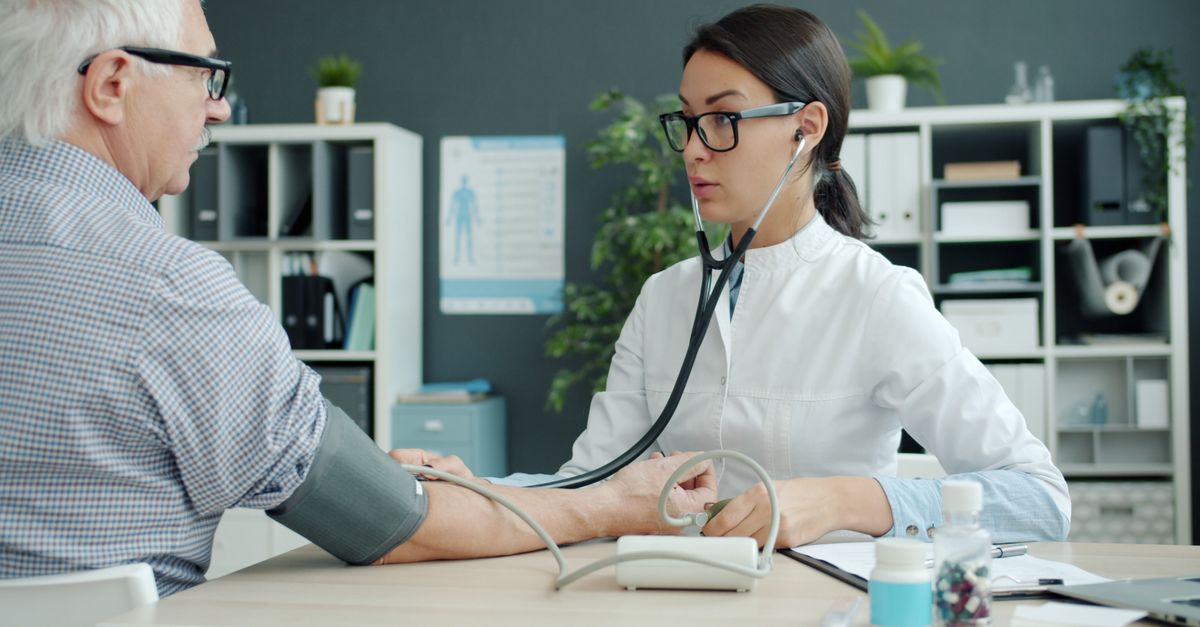
The success of noninstitutional living depends entirely on the patient’s ability to navigate the complex outpatient healthcare system. The resident must proactively schedule preventative screenings, arrange transportation to specialist appointments, and advocate for their own medical needs.
This requires a high degree of health literacy and administrative executive function. When a patient’s cognitive or physical stamina declines, they frequently begin to miss critical medical appointments. This leads to a dangerous, reactive cycle of healthcare, where chronic diseases escalate unmonitored until they require emergency hospitalization.
Physicians must simplify the outpatient experience for these patients. Consolidating specialist appointments onto single days, utilizing comprehensive telehealth platforms for routine follow-ups, and employing clinical care coordinators to manage the patient’s medical logistics are vital strategies to ensure the independent resident receives continuous, high-quality preventative care.
12. Recognizing the Limits of Independence
A critical component of supporting noninstitutional living is helping the patient recognize when their biological or cognitive decline has surpassed the safety limitations of their environment. Maintaining independence is only a clinical victory if it does not place the patient in imminent danger of severe injury or death.
| Clinical Red Flag | Necessary Intervention |
|---|---|
| Recurrent Unexplained Falls | Intensive physical therapy and immediate environmental safety audit |
| Severe Weight Loss / Malnutrition | Implementation of daily home health aides and meal delivery |
| Repeated Medication Errors | Transition to automated dispensers or daily visiting nursing support |
| Signs of Unsafe Wandering | Immediate medical evaluation for transition to a secure memory care facility |
When these clinical thresholds are breached, the primary care physician must initiate candid, compassionate discussions with the patient and their designated medical proxies. The goal is to introduce graded support—such as visiting nurses or part-time home health aides—to preserve as much autonomy as possible before considering a full transition to institutional care.
13. Establishing Advanced Directives
Because noninstitutional living lacks constant medical observation, it is clinically imperative that patients establish clear, legally binding advanced healthcare directives while they possess full cognitive capacity. In the event of a sudden, incapacitating medical emergency in the home, emergency responders and hospital physicians must know the patient’s exact medical wishes.
The patient must legally designate a healthcare power of attorney and explicitly document their preferences regarding resuscitation, mechanical ventilation, and artificial nutrition. These documents must be easily accessible within the home, typically placed prominently on the refrigerator, ensuring that emergency medical personnel can locate them rapidly during a crisis.
Establishing these directives provides profound psychological peace of mind for the resident, ensuring that their medical autonomy will be respected even if they lose the physical ability to communicate their decisions.
14. Frequently Asked Questions (FAQ)
1. What does “aging in place” mean in a medical context?
Aging in place refers to the medical and environmental strategy of allowing a person to live safely and independently in their own home as they get older, rather than moving into a nursing home. It requires modifying the house for safety and using community medical support.
2. Why is managing my own medications so critical to staying independent?
If you accidentally double-dose or forget vital medications like blood thinners or heart pills, it quickly leads to severe medical emergencies like strokes or comas. The inability to safely take medications is the primary reason people lose their independence and require institutional care.
3. How can I prevent falling in my own home?
You must remove all loose rugs, ensure every room and hallway is brightly lit, and install sturdy grab bars in the shower and near the toilet. Do not rely on towel racks for balance, as they will pull out of the wall and cause catastrophic injuries.
4. Why does my doctor want me to join a community group if I live alone?
Living alone can lead to severe social isolation. Complete isolation causes chronic stress, raises your blood pressure, and accelerates memory loss and dementia. Joining a community group provides vital brain stimulation and protects your physical and mental health.
5. What technology is absolutely necessary for living alone safely?
You must wear a Personal Emergency Response System (PERS) pendant with automatic fall detection. If you have a heart attack or fall and cannot reach a phone, this device will automatically sense the impact and call an ambulance, saving your life.
15. Bibliography
Disclaimer: The content is for informational purposes only and does not replace medical advice. Always consult your doctor for personalized treatment.