1. Introduction
Severely dry and inflamed cuticles are primarily caused by repeated environmental stress, such as frequent handwashing and exposure to harsh chemicals, which strip the epidermis of its natural lipid barrier, often paving the way for a localized skin infection known as paronychia. The cuticle serves as a vital, watertight anatomical seal protecting the delicate nail matrix from external pathogens. When this seal is compromised by dehydration, mechanical trauma, or underlying dermatological conditions like eczema, the tissue becomes highly reactive, presenting with painful cracking, intense erythema, and localized swelling.
Treating severe cuticle inflammation requires a dual approach: restoring the physical moisture barrier and addressing any underlying bacterial or fungal colonization. Over-the-counter lotions are often insufficient once the inflammatory cascade is triggered. A clinical understanding of the distinct etiologies whether it is a contact dermatitis from a new cosmetic product, an acute staphylococcal infection, or chronic mechanical picking dictates whether the patient requires heavy occlusive emollients, targeted antimicrobial therapy, or behavioral intervention to restore the integrity of the nail fold.
2. Anatomy and Function of the Cuticle
The cuticle, anatomically referred to as the eponychium, is a specialized ridge of modified stratum corneum (the outermost layer of skin) that overlaps the proximal edge of the nail plate. Its primary physiological function is protective. It acts as an impermeable, physical gasket sealing the proximal nail fold to the nail plate.
This watertight seal prevents environmental irritants, bacteria, and fungi from entering the highly vascular and sensitive nail matrix, the tissue located just beneath the base of the nail that is responsible for generating new nail growth. Because the cuticle is composed of dead skin cells heavily reliant on sebum and moisture from surrounding tissues, it has very little intrinsic ability to rehydrate itself once its lipid barrier is stripped away.
3. Environmental Dehydration and Lipid Depletion
The most ubiquitous cause of dry, peeling cuticles is environmental lipid depletion. The skin’s natural barrier consists of ceramides, cholesterol, and fatty acids that trap moisture within the tissue. Frequent handwashing, particularly with harsh, alkaline soaps and hot water, rapidly dissolves this lipid layer.
Without this protective barrier, transepidermal water loss accelerates exponentially. The thin tissue of the cuticle becomes dehydrated, inelastic, and brittle. When the dehydrated finger flexes, the brittle cuticle splits and forms hangnails small, torn pieces of skin that act as direct entryways for inflammatory irritants and microscopic pathogens. The use of alcohol-based hand sanitizers further exacerbates this dehydration by chemically dissolving surface lipids.
4. Contact Dermatitis and Chemical Exposure
Cuticle inflammation is frequently the result of irritant or allergic contact dermatitis. The hands are constantly exposed to a myriad of household and cosmetic chemicals. Dishwashing detergents, household cleaning agents, and specific gardening chemicals are potent irritants that cause direct cellular damage to the delicate eponychium, leading to severe dryness, redness, and a burning sensation.
Cosmetic nail products are common culprits for allergic contact dermatitis. Acetone-based nail polish removers aggressively dehydrate the tissue. Furthermore, the methacrylates present in acrylic nail adhesives, gel polishes, and artificial nail primers are well-documented contact allergens. An allergic reaction to these compounds causes the cuticles and surrounding skin to become intensely inflamed, swollen, itchy, and severely dry.
5. Acute Paronychia (Bacterial Infection)
When the dry, cracked cuticle fails as a protective seal, bacteria rapidly colonize the proximal nail fold, leading to a condition called acute paronychia. This is a sudden, localized, and highly painful bacterial infection, most commonly caused by Staphylococcus aureus or Streptococcus pyogenes.
The bacteria enter through a split hangnail, aggressive manicuring, or a puncture wound. Within hours to days, the cuticle and the surrounding skin become fiery red, hot to the touch, and exquisitely tender. As the infection progresses, a visible collection of pus (an abscess) often forms just beneath the cuticle line. Acute paronychia requires prompt medical intervention to drain the abscess and prevent the infection from spreading deep into the finger pad.
6. Chronic Paronychia (Fungal and Inflammatory)
Chronic paronychia differs significantly from its acute counterpart. It is defined as inflammation of the nail fold lasting longer than six weeks. This condition is most frequently seen in individuals whose hands are chronically wet, such as bartenders, dishwashers, or healthcare workers.
The constant moisture macerates the cuticle, causing it to retract and permanently break the protective seal. This creates a chronic, damp pocket where mixed flora, particularly Candida species (yeast) and various bacteria, thrive. Chronic paronychia presents as a dull, red, swollen, and boggy cuticle that lacks a true cuticle line. The nail plate often becomes ridged, discolored, and distorted due to the constant inflammation overlying the nail matrix.
7. Dermatological Conditions: Eczema and Psoriasis
Underlying systemic dermatological diseases frequently manifest first, or most severely, at the cuticles. Hand eczema (dyshidrotic eczema or atopic dermatitis) causes severe dryness, scaling, and deep, painful fissures along the fingertips and cuticles. During a flare-up, microscopic, intensely itchy blisters may form deep within the skin of the nail fold.
Psoriasis, an autoimmune inflammatory condition, frequently targets the nail apparatus. Psoriasis of the nail fold causes chronic, severe scaling, erythema, and thickening of the cuticle. This chronic inflammation disrupts the function of the nail matrix, leading to characteristic psoriatic nail changes, such as deep pitting on the nail surface, onycholysis (separation of the nail from the bed), and a crumbling nail texture.
8. Mechanical Trauma and Habitual Picking
Mechanical trauma is a primary instigator of cuticle inflammation. Aggressive cosmetic manicures that involve pushing the cuticles back forcefully or cutting away the eponychium physically destroy the anatomical seal. This practice immediately subjects the raw, exposed tissue to inflammation and drastically increases the risk of infection.
Furthermore, onychotillomania the compulsive picking or biting of the nails and cuticles subjects the tissue to constant, severe mechanical trauma and continuous bacterial inoculation from the mouth. This psychiatric and behavioral habit creates a cycle of chronic inflammation, profound dryness, thick scar tissue formation, and recurrent episodes of acute paronychia.
9. Systemic and Nutritional Factors
While less common, systemic internal issues can contribute to poor skin integrity and severe cuticle dryness. Deficiencies in essential fatty acids, vitamin E, or vitamin B-complex vitamins impair the body’s ability to maintain a robust epidermal lipid barrier, leading to generalized skin fragility and dry cuticles.
Endocrine disorders, notably hypothyroidism, drastically reduce sebum and sweat production across the entire body. Patients with an underactive thyroid often present with pervasive, stubborn skin dryness that heavily affects the extremities and the periungual tissues, making the cuticles prone to splitting despite the use of topical moisturizers.
10. Differential Diagnosis of Cuticle Inflammation
Clinicians categorize the inflammation based on the onset, appearance, and chronicity of the symptoms.
| Diagnosis | Primary Mechanism | Distinguishing Clinical Features |
|---|---|---|
| Irritant Contact Dermatitis | Chemical stripping of the lipid barrier. | Dry, red, scaling skin strictly where chemicals contacted the hand. |
| Acute Paronychia | Bacterial infection via broken cuticle. | Sudden onset, severe throbbing pain, localized redness, visible pus. |
| Chronic Paronychia | Retracted cuticle from chronic wet work. | Persistent boggy swelling, absent cuticle line, nail ridging. |
| Nail Psoriasis | Autoimmune inflammation. | Thick scaling, nail pitting, salmon-colored patches under nail. |
11. Clinical Evaluation of the Nail Fold
A dermatological evaluation of severe cuticle inflammation involves a close visual inspection of the proximal and lateral nail folds. The clinician assesses the integrity of the cuticle line—its absence strongly indicates chronic paronychia or repetitive manicuring trauma.
The physician will palpate the swollen tissue to determine if it is fluctuant, indicating an underlying abscess that requires surgical drainage. The surface of the nail plate is meticulously examined, as ridges, pitting, or discoloration provide critical diagnostic clues regarding how long the inflammation has been disrupting the underlying nail matrix.
12. Diagnostic Culturing and Skin Biopsy
In most cases, the diagnosis is clinical. However, if an acute paronychia does not respond to standard empiric antibiotics, the clinician will perform an incision and drainage, sending a sample of the purulent fluid for bacterial culturing and antibiotic susceptibility testing. This ensures the pathogen, such as Methicillin-resistant Staphylococcus aureus (MRSA), is being targeted accurately.
If a fungal etiology is suspected in chronic paronychia, a potassium hydroxide (KOH) scraping of the cuticle can confirm the presence of Candida or dermatophyte hyphae under a microscope. In rare, recalcitrant cases where severe inflammation mimics psoriasis but does not respond to treatment, a small skin biopsy of the nail fold may be performed to rule out rare squamous cell carcinomas.
13. Initial Conservative Management and Moisturization
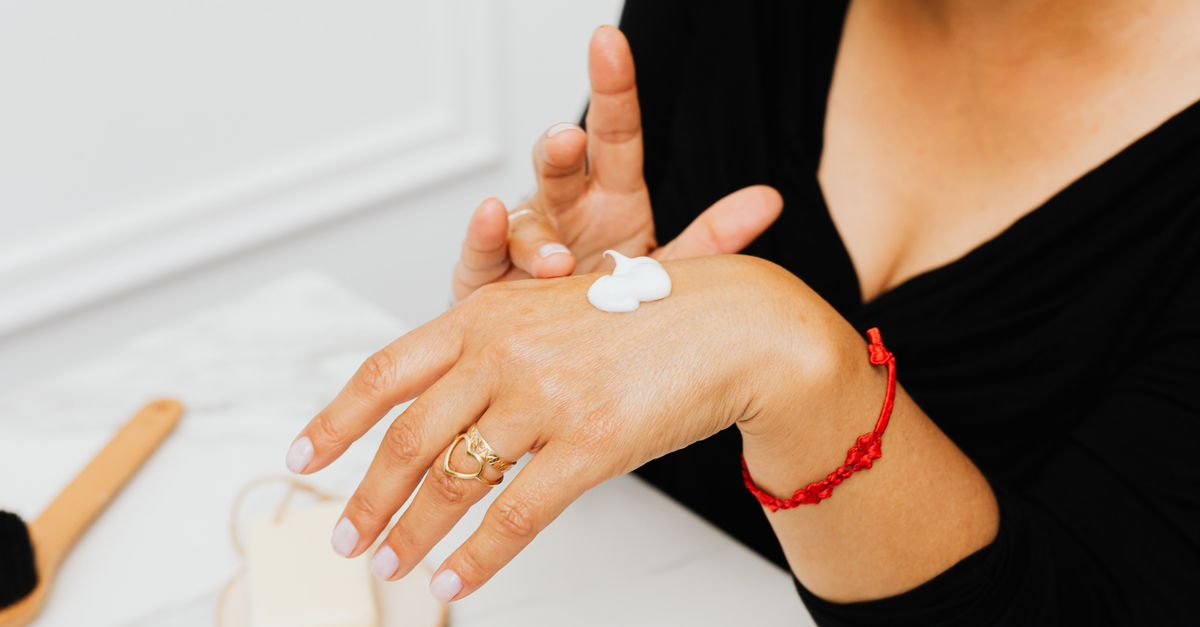
The foundation of treating dry, inflamed cuticles without infection is aggressive barrier repair. Lightweight, water-based lotions are ineffective, as they evaporate quickly. Patients must transition to heavy, occlusive emollients containing ingredients like petrolatum, dimethicone, or beeswax.
These thick ointments physically trap moisture within the skin. Applying a thick layer of petrolatum ointment to the cuticles before bed and covering the hands with white cotton gloves facilitates deep tissue hydration overnight. During the day, applying natural oils, such as jojoba or sweet almond oil, directly to the cuticle mimics the body’s natural sebum and helps restore elasticity to the eponychium.
14. Topical and Oral Pharmacological Treatments
When inflammation moves beyond simple dryness, pharmacological intervention is required. For contact dermatitis or localized eczema, a physician will prescribe a short course of a potent topical corticosteroid ointment. This rapidly suppresses the localized immune response, eliminating the redness, swelling, and itching.
If acute paronychia is present, warm water soaks are recommended to draw the infection to the surface, followed by a course of oral antibiotics targeting skin flora, such as cephalexin or clindamycin. Chronic paronychia requires a multifaceted approach, often combining a topical corticosteroid to reduce the chronic swelling with a topical antifungal agent, such as clotrimazole, to eradicate the opportunistic yeast colonization.
15. Proper Nail Care Protocols
Patients must drastically alter their nail care habits to prevent recurrence. The most critical instruction is to absolutely cease cutting the cuticles. The eponychium should be left entirely intact to preserve the watertight seal.
If the cuticles become overgrown, they should only be gently pushed back using a soft washcloth after soaking in warm water, never scraped with a hard metal tool. Hangnails must be carefully clipped at their base with sterilized cuticle nippers, rather than pulled or bitten, to prevent tearing the healthy tissue down into the live dermis.
16. Interventional Procedures for Abscesses
If an acute paronychia develops a visible collection of pus, systemic antibiotics alone will not penetrate the abscess cavity effectively. A minor surgical procedure, known as an incision and drainage, is required.
Under local anesthesia, a physician makes a small incision into the swollen nail fold, or gently lifts the cuticle away from the nail plate using a small elevator tool, allowing the trapped pus to drain. This procedure provides instantaneous relief from the severe, throbbing pain caused by the immense pressure of the abscess. The wound is then irrigated and dressed to heal by secondary intention.
17. Frequently Asked Questions (FAQ)
1. Is it safe to cut my cuticles during a manicure?
No. Dermatologists strongly advise against cutting the cuticles. Cutting removes the anatomical seal protecting your nail matrix, leaving your finger highly vulnerable to bacterial and fungal infections.
2. Why are my cuticles peeling even though I use hand lotion every day?
Most hand lotions are water-based and evaporate quickly, providing only temporary relief. To fix severe peeling, you need heavy, occlusive ointments like petroleum jelly or dedicated cuticle oils to physically lock the moisture into the tissue.
3. What does it mean if my cuticle is red, swollen, and throbbing?
A throbbing, hot, red swelling around the cuticle usually indicates acute paronychia, a bacterial infection. This requires medical evaluation, as it may need to be drained and treated with prescription antibiotics.
4. Can gel nail polish cause my cuticles to become inflamed?
Yes. The chemicals and methacrylates in gel polishes and acrylics are known allergens. If you develop an allergy, the skin around the nail will become severely inflamed, red, and dry every time the product is applied.
5. How long does it take for chronic cuticle inflammation to heal?
Chronic paronychia can be stubborn. Even with proper treatment using steroid and antifungal creams, it can take weeks to months for the swelling to completely subside and the normal cuticle line to reattach to the nail plate.
18. Bibliography
Disclaimer: The content is for informational purposes only and does not replace medical advice. Always consult your doctor for personalized treatment.