1. Introduction
To relieve severe pain from a cracked cuticle on the thumb, clinical care mandates cleaning the fissure to prevent acute paronychia, applying a heavy occlusive emollient to seal the dermal barrier, and utilizing cyanoacrylate liquid bandages to mechanically splint the compromised tissue. The sharp, throbbing pain originates from the exposure of highly concentrated terminal nerve endings in the periungual fold, a region highly susceptible to chemical irritants and mechanical friction. When the protective keratinized seal of the cuticle fails, it opens a direct portal for opportunistic bacterial and fungal pathogens, rapidly transforming a dry skin nuisance into a highly painful localized infection.
The cuticle is a critical anatomical barrier, acting as a watertight seal between the external environment and the vulnerable nail matrix where new nail cells are generated. When environmental desiccation, harsh chemical solvents, or repetitive mechanical trauma dehydrate this tissue, it loses its elastic compliance. Subjected to the continuous flexing of the thumb joint, the brittle tissue inevitably tears, exposing the vascular and neurological layers beneath.
Addressing a severely cracked cuticle requires stopping the inflammatory cascade and physically protecting the fissure from further mechanical disruption. By combining aggressive barrier repair techniques with vigilant infection monitoring, patients can swiftly silence the acute nerve pain and restore the structural integrity of the periungual fold.
2. Anatomy of the Periungual Region
The anatomy surrounding the fingernail is highly specialized to protect the delicate manufacturing center of the nail, known as the nail matrix. The eponychium is the thickened layer of skin at the base of the nail. Extending directly from the eponychium is the cuticle, a thin, transparent layer of dead tissue that rides out onto the nail plate.
This anatomical configuration forms an impenetrable biological gasket. It physically prevents water, environmental debris, and microscopic pathogens from sliding beneath the skin and invading the sterile nail matrix.
The dermis immediately surrounding this seal is densely packed with nociceptors, specialized sensory nerve endings designed to detect mechanical damage and chemical threats. Because the thumb is the most mechanically active digit, constantly encountering friction and pressure, any breach in this anatomical gasket triggers an instantaneous and profound pain response.
3. Mechanism of Cuticle Fissuring
A healthy cuticle relies on an intricate balance of natural lipids and water content to maintain its flexibility. When the lipid barrier is stripped away by excessive hand washing, harsh dish soaps, or alcohol-based hand sanitizers, the tissue rapidly desiccates.
Lacking moisture, the cuticle loses its pliability and becomes stiff and unyielding. The human thumb endures thousands of micro-movements daily, gripping, pinching, and twisting objects. When these mechanical shear forces are applied to a brittle, desiccated cuticle, the tissue simply cannot stretch.
It fractures, creating a microscopic fissure that quickly deepens into a macro-fissure extending down into the living dermis. Because the thumb pad is highly vascular, these deep fissures frequently bleed and generate a sharp, stinging pain that completely halts normal digital function.
4. The Pain Generator: Exposed Terminal Nerves
The severity of the pain from a seemingly small cracked cuticle is often disproportionate to the visual size of the injury. This occurs because the fissure slices directly through the epidermis, exposing the highly concentrated terminal nerve endings housed in the papillary dermis.
These exposed nerves are continuously bombarded by environmental stimuli. Every time the patient washes their hands, the chemical surfactants in the soap violently irritate the raw nerve endings. Even simple exposure to dry ambient air alters the osmotic pressure around the nerves, triggering a continuous, burning ache.
Furthermore, the mechanical separation of the fissure acts as a perpetual injury. Every time the thumb flexes, the edges of the crack are pulled apart, forcefully stretching the exposed nerves and re-triggering the acute pain cascade. Silencing this pain requires physically immobilizing the edges of the wound.
5. Acute Paronychia and Bacterial Invasion
When the protective cuticle seal is broken, the periungual fold becomes a prime target for acute paronychia, a rapid and highly painful bacterial infection. *Staphylococcus aureus* and *Streptococcus pyogenes* are the most frequent invasive pathogens, naturally residing on the skin’s surface.
Once inside the warm, moist environment beneath the cuticle, these bacteria multiply exponentially. The immune system mounts a massive defense, flooding the area with white blood cells. This results in intense localized inflammation, rapid swelling, and the formation of a pocket of pus.
A thumb suffering from acute paronychia becomes bright red, hot to the touch, and exquisitely tender. The tissue swelling creates immense internal pressure against the rigid nail plate, generating an unrelenting, throbbing pain that frequently disrupts the patient’s sleep and requires medical drainage and antibiotic intervention.
6. Fungal Paronychia and Chronic Moisture
While acute bacterial infections strike suddenly, fungal infections cause a chronic, smoldering pain and persistent cuticle deterioration. Chronic paronychia is overwhelmingly driven by *Candida albicans*, a yeast that thrives in persistently wet environments.
Individuals whose occupations require constant hand submersion in water, such as bartenders, dishwashers, and healthcare workers, suffer frequent maceration of the cuticle barrier. The Candida yeast invades the softened tissue, causing the cuticle to separate entirely from the nail plate.
Unlike the acute bacterial presentation, fungal paronychia presents with a boggy, swollen, and distinctly red eponychium without a localized pocket of pus. The pain is a dull, continuous ache, and the lack of a cuticle seal guarantees that the thumb will remain highly susceptible to recurrent bacterial superinfections.
7. Dermatological Causes of Cracking
Chronic, severe cracking of the cuticles can occasionally indicate underlying systemic dermatological conditions. Hand eczema, or dermatitis, creates severe inflammation and desiccation of the epidermal layers. The skin on the fingertips and around the nails thickens, becomes highly pruritic, and eventually splits deeply.
Nail psoriasis is another profound driver of cuticle failure. Psoriasis disrupts the normal cellular turnover of the skin and the nail matrix. The periungual skin becomes covered in thick, silvery scales, and the underlying inflammation makes the cuticles remarkably rigid and prone to tearing.
In these specific dermatological conditions, standard moisturizers are clinically insufficient. Resolving the painful fissuring requires aggressive topical corticosteroids to halt the autoimmune inflammatory cascade that is destroying the tissue barrier.
8. Environmental and Occupational Stressors
Environmental elements play a massive role in the structural integrity of the periungual fold. During winter months, low ambient humidity outdoors and aggressive artificial heating indoors rapidly evaporate moisture from the hands.
Chemical exposures further degrade the barrier. Acetone-based nail polish removers are extremely potent lipid solvents that instantly strip the cuticles of their natural protective oils. Frequent exposure to harsh household cleaning chemicals without the use of protective gloves inflicts chronic chemical burns on the fragile cuticle tissue.
Repetitive mechanical trauma, such as aggressive pushing back of the cuticles with metal tools during manicures or the anxious habit of biting and picking at the periungual skin, physically shreds the anatomical gasket and guarantees deep, painful fissuring.
9. Immediate First Aid and Disinfection
When a severe, painful crack develops on the thumb cuticle, prompt first aid is required to prevent acute paronychia. The thumb must be washed gently with lukewarm water and a mild, fragrance-free cleanser to remove environmental debris.
Harsh chemical antiseptics, such as hydrogen peroxide or rubbing alcohol, must be strictly avoided. These cytotoxic agents indiscriminately destroy the newly forming, delicate granulation tissue attempting to bridge the fissure, significantly delaying the healing process and exacerbating the burning pain.
After cleansing, the thumb should be patted dry completely with a clean towel. Leaving the fissure damp encourages fungal colonization and prevents adhesive bandages and barrier creams from adhering properly to the skin.
10. Emollient Therapy and Barrier Repair
The foundation of clinical healing relies on aggressive emollient therapy. Once the cuticles lose their natural lipids, water rapidly evaporates from the deep tissue layers. Applying a thick, occlusive ointment acts as an artificial lipid barrier, physically trapping moisture within the dermis.
Heavy petrolatum-based ointments or thick, ceramide-rich creams are vastly superior to standard water-based hand lotions, which often contain alcohols and fragrances that sting the open fissure and evaporate quickly.
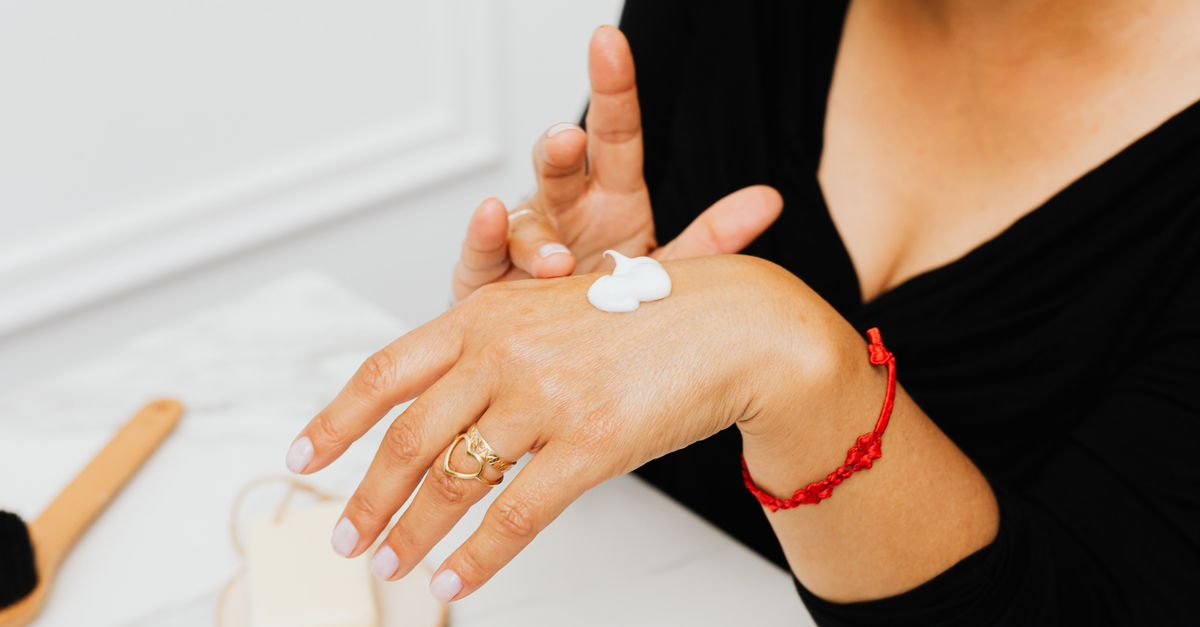
Patients are instructed to apply the heavy emollient to the cracked cuticle immediately after every hand washing and before sleep. This constant occlusion softens the brittle, hardened edges of the fissure, allowing the tissue to flex without tearing further and providing a moist environment optimized for rapid cellular repair.
11. Cyanoacrylate Adhesives for Splinting
To resolve the sharp, mechanical pain caused by the fissure pulling apart, the edges of the crack must be immobilized. Liquid bandages composed of cyanoacrylate adhesive are exceptionally effective clinical tools for this specific purpose.
When painted directly over the cleaned, dried fissure, the liquid rapidly polymerizes, creating a durable, waterproof, and inflexible mechanical bridge across the crack. This cyanoacrylate splint physically binds the edges of the wound together.
By preventing the fissure from stretching when the thumb bends, the liquid bandage instantly halts the mechanical stimulation of the exposed nerve endings, providing immediate, profound pain relief while simultaneously sealing out bacteria and harsh chemical irritants.
12. Topical Antibiotics and Corticosteroids
If the cracked cuticle appears exceptionally red, swollen, and throbs intensely, early intervention with a topical antibiotic ointment, such as mupirocin or a bacitracin-polymyxin blend, can suppress an impending bacterial colonization before an abscess forms.
If the cracking is driven by severe eczema or contact dermatitis, a physician may prescribe a short course of a mid-potency topical corticosteroid. The steroid cream rapidly shuts down the localized inflammatory response, shrinking the swollen tissue and halting the immune cascade that prevents the fissure from closing.
These pharmacological agents should be applied sparingly directly into the fissure before sealing the area with a heavier occlusive ointment or a physical bandage to maximize tissue penetration.
13. Correcting Manicure Traumas
Preventing recurrent, painful fissures requires a fundamental shift in cosmetic nail practices. The cuticle should never be aggressively cut or trimmed with metal nippers. Cutting living tissue triggers an inflammatory response and replaces flexible skin with rigid, unyielding scar tissue that is highly prone to splitting.
Instead of cutting, patients should gently push the cuticles back using a soft rubber pusher or a washcloth immediately following a warm shower, when the tissue is highly hydrated and remarkably pliable.
Avoiding acetone-based polish removers and opting for less aggressive ethyl acetate formulations preserves the natural lipids in the periungual skin. Daily application of a specialized cuticle oil containing jojoba or sweet almond oil ensures the keratinized tissue remains elastic and structurally resilient.
14. Systemic Nutritional Support for Nail Health
While topical treatments provide acute relief, the structural durability of the skin and nail matrix relies on systemic nutrition. Deficiencies in specific micronutrients compromise the body’s ability to synthesize strong, flexible keratin and collagen.
Iron deficiency anemia drastically reduces oxygen delivery to the highly metabolic nail matrix, resulting in brittle nails and fragile surrounding skin. Adequate dietary intake of the B-vitamin complex, particularly biotin, is essential for optimal epidermal cell proliferation.
Ensuring systemic hydration by drinking adequate daily water provides the fundamental moisture required from within to keep the dermal tissues plump and resistant to environmental desiccation and mechanical fracturing.
| Healing Intervention | Mechanism of Action |
|---|---|
| Heavy Petrolatum Ointment | Traps dermal moisture and softens the hardened edges of the fissure. |
| Cyanoacrylate Liquid Bandage | Mechanically splints the crack, preventing nerve stretching and sealing out water. |
| Topical Mupirocin | Eradicates early staphylococcal colonization, preventing acute paronychia. |
| Discontinuing Acetone Use | Preserves the natural lipid barrier surrounding the delicate eponychium. |
15. Recognizing Deep Tissue Abscesses
Patients must remain highly vigilant for signs that the cracked cuticle has evolved from a superficial fissure into a dangerous, deep tissue infection requiring surgical intervention.
If the swelling around the thumb becomes massive, extending down past the first knuckle, or if a distinct, visible pocket of yellow or green pus forms beneath the skin, an acute abscess has developed. The pain will shift from a sharp stinging to an unrelenting, intense, pounding throb.
In this emergency scenario, topical creams are entirely ineffective. The patient must seek immediate medical evaluation. A physician will perform a minor surgical incision and drainage to evacuate the purulent fluid, instantly relieving the pressure and pain, and will prescribe systemic oral antibiotics to clear the deep infection.
16. Frequently Asked Questions FAQ
1. Why does my cracked cuticle hurt so much more than a regular paper cut?
The skin around your fingernails contains an incredibly high density of nerve endings designed to help your fingers feel fine details. When a cuticle cracks, it exposes these highly concentrated nerves directly to the air, water, and constant movement, creating a disproportionately severe pain response.
2. Is it safe to use superglue to seal the crack on my thumb?
While medical-grade cyanoacrylate liquid bandages are highly recommended, commercial superglue contains harsh industrial chemicals and solvents that can cause severe contact dermatitis and chemical burns. You must only use products specifically designed and tested for application on human skin.
3. Should I bite the hard piece of skin off to stop it from catching?
Absolutely not. Biting or tearing the hard edge of a cracked cuticle will indiscriminately rip healthy living tissue alongside the dead skin, making the fissure significantly deeper, far more painful, and introducing highly aggressive bacteria from your mouth directly into the open wound.
4. Can wearing rubber gloves make my cuticles crack more?
Yes, if you wear non-breathable rubber or latex gloves for extended periods, your hands will sweat heavily. This trapped sweat severely macerates (softens and breaks down) the cuticle barrier, making it highly susceptible to fungal infections and tearing once the gloves are removed and the skin rapidly dries.
5. How long does a severe cuticle crack take to heal?
If properly sealed with a liquid bandage and consistently moisturized with heavy ointments, a deep fissure typically heals within five to seven days. Without intervention, the constant mechanical pulling of the thumb joint can keep the crack open and painful for several weeks.
17. Bibliography
Disclaimer: The content is for informational purposes only and does not replace medical advice. Always consult your doctor for personalized treatment.