1. Introduction
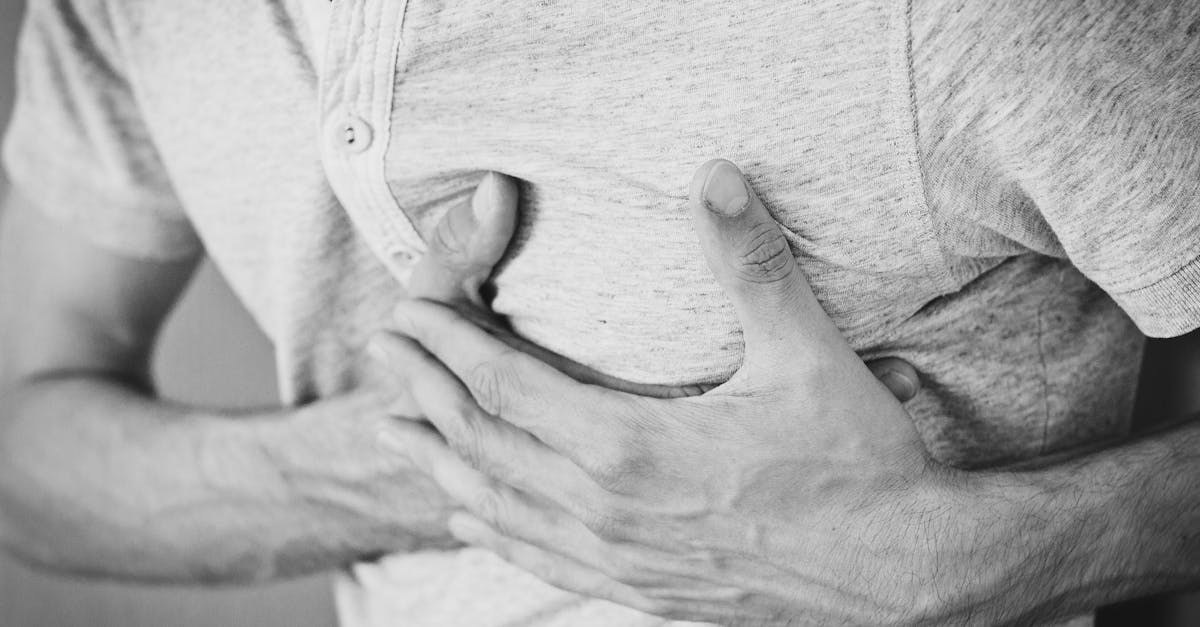
A persistent heavy weight feeling on the chest is a concerning symptom that indicates the cardiopulmonary or esophageal systems are under significant physiological stress. Most critically, this heavy, crushing sensation is the classic clinical presentation of angina pectoris, a condition where the heart muscle receives insufficient oxygenated blood due to narrowed coronary arteries. While severe anxiety, asthma, and gastroesophageal reflux can closely mimic this oppressive pressure, the potentially life-threatening nature of cardiac ischemia requires that this symptom be evaluated immediately to rule out an impending myocardial infarction (heart attack).
The chest cavity houses the body’s most vital organs. However, the internal organs lack the precise, localized pain receptors found in the skin. When the heart is starved of oxygen or the lungs are mechanically restricted, the visceral nerves transmit a diffuse, poorly localized distress signal to the brain. The brain frequently interprets this profound visceral distress not as sharp pain, but as an intense, suffocating heaviness, often described by patients as feeling like an elephant is sitting on their chest.
Differentiating a cardiac event from a severe panic attack or a pulmonary issue is the primary objective of emergency clinical assessment. By understanding the mechanisms of visceral pain, the dynamics of coronary blood flow, and the physical overlap of the gastrointestinal and respiratory systems, one can better navigate the diagnostic pathways required to resolve this alarming sensation safely.
2. The Sensation of Visceral Pain
To understand why a heart problem feels like a heavy weight rather than a sharp cut, one must understand visceral pain. Somatic pain, which occurs when you cut your finger or pull a surface muscle, is sharp, precise, and easily localized. Visceral pain originates from the internal organs and operates entirely differently.
The heart, lungs, and esophagus are supplied by the autonomic nervous system. The sensory fibers in these organs respond primarily to stretching, chemical irritation, and ischemia (lack of oxygen), rather than cutting or burning. When the heart muscle becomes ischemic, it releases chemical mediators like lactic acid and adenosine.
These chemicals stimulate the visceral nerve endings. Because visceral nerves converge in the spinal cord alongside somatic nerves from the chest wall, the brain struggles to map the exact source of the distress. It projects the signal broadly across the anterior chest wall, translating the metabolic distress of the heart into a diffuse sensation of profound heaviness, squeezing, or a tight, constricting band.
3. Myocardial Ischemia and Angina Pectoris
The most dangerous cause of a heavy weight on the chest is myocardial ischemia, the underlying mechanism of angina pectoris. The coronary arteries supply oxygen-rich blood directly to the heart muscle. Over decades, atherosclerosis causes cholesterol-laden plaques to build up inside these arteries, gradually narrowing their internal diameter.
During periods of physical exertion or high emotional stress, the heart beats faster and requires more oxygen. However, the narrowed, calcified coronary arteries cannot dilate to deliver the necessary surge of blood. The heart muscle quickly depletes its oxygen supply and enters a state of ischemia.
The ischemic heart muscle struggles to contract normally and emits chemical distress signals. The patient experiences a deep, heavy pressure beneath the sternum. If the heavy feeling dissipates after a few minutes of rest or after taking vasodilating medication like nitroglycerin, it is classified as stable angina. If the pressure is new, severe, occurs at rest, and does not go away, it signifies an acute myocardial infarction (a heart attack).
4. Microvascular Disease and Atypical Presentations
Not all cardiac ischemia is caused by major blockages in the large coronary arteries. Coronary microvascular disease involves the dysfunction of the tiny, microscopic blood vessels that branch deep into the heart muscle tissue. In this condition, the large arteries appear clear on imaging, but the small vessels fail to dilate properly when the heart needs more oxygen.
Patients with microvascular disease experience the exact same heavy, crushing chest weight as those with traditional coronary artery disease. This condition is significantly more common in women and can present diagnostic challenges, as standard angiograms may not reveal the microscopic dysfunction.
Furthermore, cardiac pain is frequently referred to other areas of the body sharing the same nerve pathways. The heavy sensation in the chest may radiate, accompanied by a dull ache or numbness in the left arm, profound tightness in the jaw or throat, or heavy pressure between the shoulder blades.
5. Anxiety, Stress, and Somatic Tension
Psychological distress is a remarkably powerful generator of physical symptoms. Severe anxiety and panic disorders frequently present with a sensation of a heavy weight on the chest, often mimicking a heart attack so closely that patients seek emergency care.
During a panic attack, the brain’s amygdala triggers a massive release of adrenaline. This fight-or-flight response causes the intercostal muscles and the pectoral muscles to contract rigidly. This sustained, involuntary muscle tension literally constricts the rib cage, making it physically difficult to expand the lungs.
Simultaneously, the anxiety often causes hyperventilation. Rapid, shallow breathing expels too much carbon dioxide, causing a chemical shift in the blood (respiratory alkalosis) that induces a feeling of suffocation and exacerbates the physical tightness in the chest wall. The combination of muscle tension and hyperventilation creates a genuine, oppressive weight on the chest.
6. Gastroesophageal Reflux Disease (GERD)
The esophagus descends through the chest cavity directly behind the heart. The two organs share a very similar sensory nerve supply via the vagus nerve. Consequently, distress in the esophagus is frequently misperceived by the brain as cardiac distress.
Severe gastroesophageal reflux occurs when acidic stomach contents wash backward into the lower esophagus, chemically burning the mucosal lining. While classic reflux feels like a burning heartburn, severe or chronic irritation can cause the esophageal smooth muscle to undergo prolonged, intense spasms.
An esophageal spasm presents as a severe, crushing, or heavy squeezing sensation right in the center of the chest. It can be excruciating and is often triggered by eating a large meal, consuming cold liquids, or lying flat in bed. Distinguishing esophageal spasms from a heart attack based solely on symptoms is highly difficult and usually requires clinical testing.
7. Asthma and Airway Constriction
A heavy weight on the chest is a cardinal symptom of an asthma exacerbation or reactive airway disease. Asthma involves chronic inflammation of the bronchial tubes. When exposed to a trigger—such as cold air, allergens, or viral infections—the smooth muscles wrapping the airways spasm and contract aggressively.
This bronchoconstriction drastically narrows the airway diameter. Furthermore, the airway lining swells and produces thick, sticky mucus. The patient must generate immense mechanical force with their respiratory muscles to push and pull air through these narrowed, congested tubes.
The physical resistance to airflow and the over-inflation of the lungs create a profound sensation of chest tightness and heavy restriction. This weight is typically accompanied by audible wheezing, a persistent dry cough, and a clear, objective shortness of breath that improves rapidly with the administration of inhaled bronchodilators.
8. Pulmonary Embolism
A pulmonary embolism is a critical, life-threatening condition where a blood clot (usually originating from the deep veins of the legs) travels to the lungs and lodges in a pulmonary artery. This blockage instantly cuts off blood flow to a segment of the lung tissue.
The sudden obstruction of the pulmonary circulation causes a rapid spike in pressure within the right side of the heart as it struggles to pump blood past the clot. This acute right heart strain, combined with the lack of oxygen exchange in the affected lung, generates a severe, heavy pressure in the chest.
Unlike the gradual buildup of stable angina, a pulmonary embolism occurs suddenly. The heavy chest weight is typically accompanied by sudden, unexplained, and severe shortness of breath, a rapid heart rate, and sometimes a sharp, stabbing pain that worsens intensely with a deep breath.
9. Costochondritis and Musculoskeletal Issues
While musculoskeletal pain is usually sharp and highly localized, severe, diffuse inflammation of the chest wall can sometimes be perceived as a heavy band tightening around the torso. Costochondritis is the inflammation of the costal cartilage that connects the ribs to the breastbone.
When multiple cartilaginous joints are severely inflamed simultaneously, the entire front of the chest becomes stiff and painful to move. Because the ribs must expand with every breath, the constant low-grade pain and physical stiffness can merge into a feeling of heavy restriction.
Musculoskeletal heaviness is distinct in its mechanical nature. It is heavily influenced by posture, movement, and physical touch. If pressing firmly on the joints near the breastbone reliably worsens or recreates the heavy sensation, the origin is likely the chest wall rather than the internal organs.
10. Differentiating the Sensations
Emergency personnel and clinicians prioritize ruling out the most dangerous causes first. The context, onset, and relieving factors of the heavy weight sensation provide vital diagnostic clues.
| Underlying Cause | Characteristics of the Heavy Weight | Context and Modifying Factors |
|---|---|---|
| Cardiac Ischemia (Heart Attack) | Deep, central, crushing pressure, radiating to arm/jaw | Worsens with exertion; not relieved by position changes |
| Esophageal Spasm / GERD | Squeezing, heavy ache behind the sternum | Triggered by heavy meals or lying flat; relieved by antacids |
| Panic Attack / Anxiety | Tight, suffocating weight, muscle tension | Triggered by stress; accompanied by tingling and hyperventilation |
| Asthma Exacerbation | Tight band, inability to take a deep breath | Accompanied by wheezing; relieved by inhalers |
Any heavy chest sensation that occurs at rest, is a new symptom, or is accompanied by systemic distress (sweating, nausea, fainting) must be treated as a cardiac emergency.
11. Clinical Electrocardiography and Biomarkers
When a patient arrives at an emergency department with a heavy weight on their chest, the first diagnostic test is an immediate electrocardiogram (ECG). The ECG measures the electrical activity of the heart and can rapidly identify a severe, acute heart attack (such as an ST-elevation myocardial infarction) requiring immediate surgical intervention.
Because an ECG only shows the electrical activity at that exact moment, it may appear normal if the ischemia is intermittent. Therefore, blood tests are drawn to measure cardiac biomarkers, specifically high-sensitivity troponin.
Troponin is a protein found inside heart muscle cells. If the heart muscle is starved of oxygen and begins to die, it spills troponin into the bloodstream. A rising level of troponin definitively confirms that the heavy chest sensation is caused by an active myocardial infarction.
12. Stress Testing and Advanced Imaging
If the ECG and troponin levels are normal, but the clinical history suggests stable angina, the patient will undergo functional stress testing. An exercise stress test on a treadmill forces the heart to work harder while being monitored. If the heavy feeling returns during exercise and corresponds with ECG changes, coronary artery disease is confirmed.
For patients who cannot exercise, pharmacological stress tests or a cardiac nuclear perfusion scan may be utilized to visualize how well blood flows through the heart muscle under stress.
If pulmonary embolism is suspected, a D-dimer blood test and a computed tomography pulmonary angiogram are the gold standard. The CT scan uses intravenous contrast dye to create detailed images of the lung’s blood vessels, directly visualizing any obstructive blood clots.
13. Pharmacological Management Strategies
Treatment is strictly dictated by the underlying cause. If coronary artery disease is identified, management focuses on reducing the heart’s workload and preventing blood clots. Beta-blockers are prescribed to lower the heart rate and blood pressure, reducing the myocardial oxygen demand and preventing the heavy ischemic feeling.
Nitroglycerin is a rapid-acting vasodilator given under the tongue during acute attacks of angina. It rapidly widens the coronary arteries and the systemic veins, suddenly restoring blood flow and providing immediate relief from the crushing weight. Daily statin therapy is initiated to lower cholesterol and stabilize the atherosclerotic plaques.
If the heaviness is determined to be gastrointestinal, high-dose proton pump inhibitors are prescribed to eliminate stomach acid, stopping the esophageal irritation and spasms. For anxiety-driven chest tightness, cognitive behavioral therapy and anxiolytic medications are highly effective in breaking the cycle of panic and muscle tension.
14. Invasive Cardiac Interventions
For patients experiencing a severe myocardial infarction or those with debilitating stable angina that does not respond to medication, invasive procedures are necessary to physically open the blocked arteries.
A cardiac catheterization (coronary angiogram) involves threading a thin tube from the wrist or groin directly to the heart. Contrast dye highlights the exact locations of the blockages. The cardiologist can then perform a percutaneous coronary intervention (angioplasty).
During this procedure, a tiny balloon is inflated at the site of the blockage to crush the plaque against the artery wall. A metal wire mesh tube, called a stent, is permanently deployed to hold the artery wide open, restoring full oxygen delivery and permanently eliminating the ischemic chest pressure.
15. When to Seek Emergency Care
A persistent heavy weight on the chest is the most recognizable and critical warning sign of a cardiovascular emergency. It must never be ignored or self-diagnosed as mere indigestion or anxiety if the patient has any risk factors for heart disease.
Seek immediate emergency care if the heavy, crushing pressure lasts for more than five minutes, occurs at rest, or is accompanied by pain radiating to the left arm, back, or jaw. Further red flags include sudden, severe shortness of breath, breaking out in a cold sweat, nausea, vomiting, or profound dizziness.
Call emergency services immediately. Do not attempt to drive yourself to the hospital. Emergency medical technicians can begin life-saving diagnostics and treatments, such as aspirin administration and ECG monitoring, the moment they arrive.
16. Frequently Asked Questions (FAQ)
1. Why does a heart attack feel like a heavy weight instead of a sharp pain?
Your heart and internal organs do not have the specific pain receptors that your skin has. When the heart lacks oxygen, it sends a generalized distress signal to the brain. The brain interprets this deep, visceral distress as a diffuse, heavy, crushing, or squeezing pressure across the whole chest.
2. Can anxiety make my chest feel heavy for days?
Yes. Severe stress and generalized anxiety cause you to subconsciously tighten the muscles of your chest wall and breathe shallowly. This constant muscle tension and respiratory restriction can create a lingering, heavy, tight sensation that persists for days until the nervous system calms down.
3. Does heartburn feel like a weight on the chest?
Severe heartburn or acid reflux can irritate the esophagus to the point of causing intense muscle spasms. Because the esophagus is directly behind the heart, these spasms can feel exactly like a severe, heavy squeezing pressure in the center of the chest, closely mimicking a heart attack.
4. How do I know if my chest pressure is an emergency?
If the heavy weight is a new symptom, happens while you are resting, lasts more than five minutes, or is accompanied by sweating, shortness of breath, nausea, or pain traveling to your arm or jaw, it is a medical emergency. You must call for an ambulance immediately.
5. Will taking deep breaths relieve the pressure from a heart problem?
No. If the heavy feeling is caused by a blocked artery starving the heart of oxygen, taking deep breaths will not change or relieve the heavy pressure. If deep breathing drastically changes the pain, making it sharply worse or suddenly better, the issue is more likely related to your lungs or chest muscles.
17. Bibliography
Disclaimer: The content is for informational purposes only and does not replace medical advice. Always consult your doctor for personalized treatment.