1. Introduction
Experiencing a sudden sharp pain in the belly button, medically known as periumbilical pain, can be a normal muscular response, but it frequently warrants clinical attention to rule out underlying structural issues. This sharp sensation often relates to umbilical hernias, gastrointestinal stretching, or referred pain from nearby organs. Because the umbilicus serves as a central junction for multiple nerve pathways and fascial layers, discomfort in this area acts as a sensitive diagnostic indicator for abdominal health.
The abdominal cavity is a densely packed region containing the entire digestive tract, vital organs, and a complex vascular network. The belly button itself is a natural weak point in the abdominal wall, a remnant of the fetal umbilical cord. When internal pressure shifts or surrounding tissues become inflamed, this delicate structural ring is often the first area to register sharp, localized pain.
Distinguishing a benign, transient cramp from a developing surgical emergency requires careful observation of accompanying symptoms. Identifying whether the pain remains strictly isolated to the navel or begins to radiate downward provides critical diagnostic information for healthcare providers seeking to deliver precise medical management.
2. Anatomy of the Periumbilical Region
The umbilicus is a unique anatomical landmark on the human abdomen. During fetal development, the umbilical cord passes through this exact spot, connecting the fetus to the maternal placenta. After birth, the cord detaches, and the surrounding abdominal muscles close tightly to form a fibrous scar known as the umbilical ring.
Beneath this scar tissue lies the linea alba, a tough band of connective tissue running down the center of the abdomen. The periumbilical region sits directly anterior to the small intestine and the transverse colon. Because the muscle layer here is naturally thinner and mostly composed of fascia, it is particularly vulnerable to mechanical stress and stretching.
Sensory nerves from the tenth thoracic spinal nerve supply the skin surrounding the umbilicus. Any irritation or inflammation in the mid-abdomen sends strong electrical signals along these specific nerve pathways, translating into a sharp, pinching sensation right at the surface of the belly button.
3. Umbilical Hernias
The most frequent structural cause of sharp pain in the belly button is an umbilical hernia. An umbilical hernia occurs when a small portion of the intestine or localized abdominal fat pushes through a weakness in the umbilical ring.
This condition is prevalent in infants but can develop in adults due to conditions that increase intra-abdominal pressure, such as chronic coughing, frequent heavy lifting, or significant weight gain. When the abdominal pressure spikes, it forces the internal tissue against the edges of the fibrous ring.
The sharp pain associated with an umbilical hernia typically occurs precisely when the individual coughs, sneezes, or bends forward. The patient may also notice a soft, palpable bulge near the navel that retracts when lying flat. A hernia requires clinical monitoring to ensure the protruding tissue does not become trapped or lose its blood supply.
4. Appendicitis and Referred Pain
Early acute appendicitis classically presents with a sudden, sharp ache localized directly behind the belly button. The appendix is a small, finger-like pouch attached to the cecum in the lower right quadrant of the abdomen, but the initial inflammation generates referred pain.
As the appendix becomes obstructed and inflamed, the visceral nerve fibers stretch. These particular nerve fibers enter the spinal cord at the same exact level as the nerves supplying the periumbilical skin. The brain misinterprets the deep visceral distress as surface-level pain radiating from the navel.
Within twelve to twenty-four hours, as the inflammation progresses to irritate the parietal peritoneum covering the appendix, the pain predictably migrates downward and settles in the lower right abdomen. This specific migration pattern is a classic clinical marker requiring immediate surgical assessment.
5. Gastrointestinal Gas and Stretching
A benign but intensely uncomfortable cause of periumbilical pain is severe gastrointestinal gas. The small intestine is coiled extensively directly behind the belly button. When excessive gas accumulates due to bacterial fermentation or swallowed air, it rapidly distends the intestinal walls.
The smooth muscle of the intestine is exquisitely sensitive to rapid stretching. This mechanical distension triggers sharp, cramp-like pains that are felt squarely in the mid-abdomen. The pain often comes in distinct waves, corresponding to the peristaltic contractions of the gut attempting to push the trapped gas forward.
Dietary changes, sudden increases in fiber intake, or the consumption of fermentable sugars often precede this type of pain. The sharp sensation usually resolves completely once the gas moves into the large intestine and is expelled.
6. Musculoskeletal Strain and Ligament Pain
The abdominal wall is composed of several layers of muscle designed to support the torso and facilitate movement. A sudden twisting motion, engaging in vigorous core exercises, or lifting a heavy object awkwardly can strain the rectus abdominis muscles that run vertically past the navel.
A micro-tear in the muscle fibers or the surrounding fascia generates a sharp, localized sting that worsens with movement, deep breathing, or pressing on the abdomen. Musculoskeletal strains do not cause systemic symptoms like nausea or fever.
Resting the abdominal muscles and applying localized cold therapy typically alleviates the sharp sting within a few days. Maintaining proper ergonomic form during physical exertion prevents recurrent strain on the delicate periumbilical connective tissues.
7. Dermatological and Localized Infections
The deep fold of the belly button creates a dark, warm, and moist microenvironment, making it highly susceptible to localized dermatological issues. Fungal infections, particularly candida, or bacterial overgrowth can quickly inflame the delicate skin deep inside the navel.
An active infection causes the surrounding skin to become red, tender, and prone to sharp, burning stings. The pain is usually continuous and localized exclusively to the skin level. Patients may notice an unpleasant odor or a thick, discolored discharge accumulating in the umbilical fold.
Additionally, contact dermatitis from metal belt buckles or clothing buttons containing nickel can trigger an allergic reaction, resulting in a stinging, itchy rash surrounding the belly button that requires topical dermatological treatment.
8. Pregnancy and Round Ligament Stretching
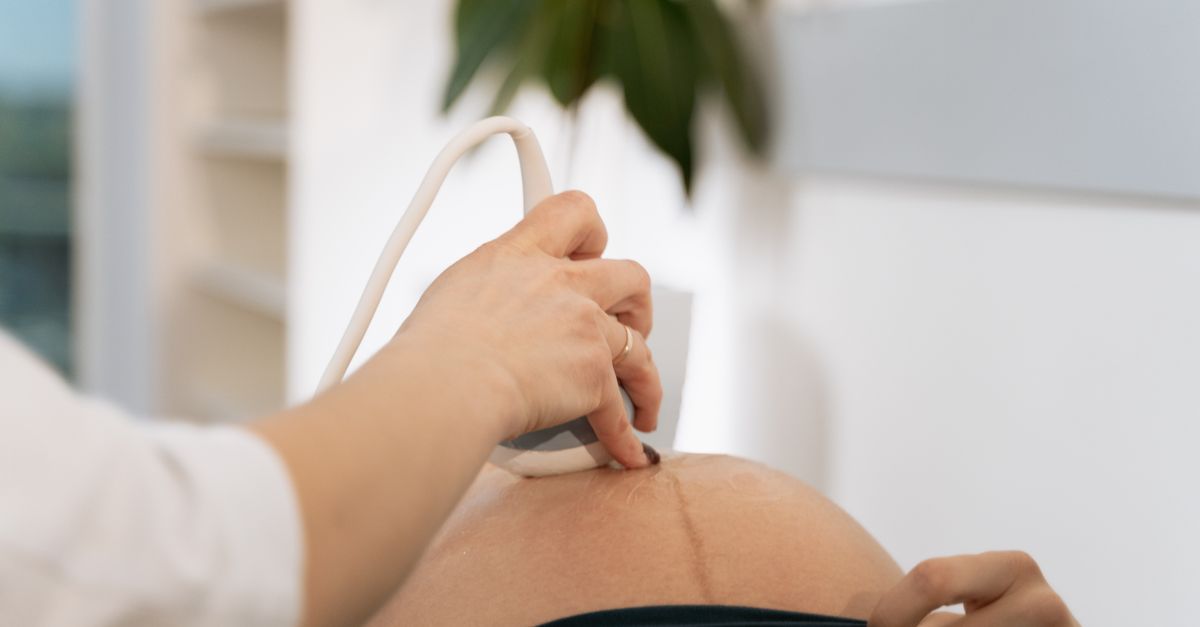
For expectant mothers, sharp belly button pain is a frequent physiological symptom as the pregnancy advances into the second and third trimesters. The rapidly expanding uterus exerts profound upward and outward mechanical pressure against the abdominal wall.
This expansion forcefully stretches the umbilical ring and the surrounding skin from the inside. Many pregnant women experience a sharp, popping sensation near the navel, known as umbilical stretching pain, particularly during sudden fetal movements or when changing positions.
Furthermore, the pressure can cause the navel to physically protrude. While this stretching is a normal adaptation to fetal growth, persistent sharp pain should always be evaluated by an obstetrician to rule out an acquired pregnancy-related umbilical hernia.
9. Inflammatory Bowel Conditions
Chronic inflammatory conditions affecting the digestive tract, such as Crohn disease or ulcerative colitis, frequently manifest with abdominal pain. Crohn disease can affect any portion of the gastrointestinal tract, including the small intestine located directly behind the umbilicus.
When a segment of the small intestine becomes ulcerated and inflamed, the passage of food and digestive fluids causes sharp, stinging discomfort. The pain is typically accompanied by chronic changes in bowel habits, significant weight loss, and profound fatigue.
A gastroenterologist utilizes endoscopic procedures and imaging to map the extent of the inflammation, differentiating autoimmune bowel disease from acute infectious processes to initiate proper immunomodulatory therapies.
10. Urinary Tract and Kidney Pathology
While the kidneys are located in the retroperitoneal space toward the back, severe urinary issues can radiate pain forward to the periumbilical region. A urinary tract infection that ascends into the bladder and lower ureters generates diffuse lower abdominal inflammation.
If a kidney stone dislodges and begins to pass through the ureter, the smooth muscle spasms violently. This severe, colicky pain typically originates in the flank but frequently wraps around the side of the torso, terminating in sharp, radiating twinges near the belly button and groin.
Any periumbilical pain accompanied by a burning sensation during urination, visible blood in the urine, or a persistent low-grade fever necessitates immediate urinalysis and renal imaging.
11. Data: Differential Diagnosis of Periumbilical Pain
| Clinical Condition | Characteristics of Pain | Accompanying Symptoms |
|---|---|---|
| Umbilical Hernia | Sharp sting with coughing or lifting | Visible or palpable soft bulge at navel |
| Early Appendicitis | Ache starting at navel, moves lower right | Nausea, low-grade fever, loss of appetite |
| Gastrointestinal Gas | Sharp, wave-like cramps | Bloating, resolves after passing flatus |
| Navel Infection | Superficial burning or stinging | Redness, foul odor, local discharge |
12. Diagnostic Imaging and Clinical Assessment
Evaluating sharp pain in the belly button requires a systematic clinical approach. A physician will begin with a thorough physical examination, gently palpating the abdomen to check for muscular rigidity, rebound tenderness, or a palpable hernial defect.
To visualize the internal structures accurately, an abdominal ultrasound is often the first-line imaging modality. Ultrasound effectively detects umbilical hernias and localized fluid collections without exposing the patient to radiation.
If appendicitis or deep bowel inflammation is suspected, a computed tomography scan of the abdomen provides high-resolution, cross-sectional images, allowing the radiologist to assess the appendix diameter and the thickness of the intestinal walls definitively.
13. Conservative Management at Home
If a clinical evaluation confirms that the sharp pain is due to a minor muscle strain or harmless intestinal gas, conservative management is appropriate. Resting the core muscles and avoiding heavy lifting allows micro-tears in the abdominal fascia to heal naturally.
Applying a warm compress to the abdomen soothes cramped intestinal muscles and facilitates the movement of trapped gas. Maintaining steady hydration and consuming easily digestible meals reduces the metabolic workload on the small intestine.
For superficial skin irritation or minor fungal infections in the navel fold, keeping the area meticulously clean, completely dry, and applying an over-the-counter topical antifungal cream usually resolves the stinging sensation within a few days.
14. Surgical Interventions
When a structural defect is the root cause of the sharp pain, surgical intervention is the definitive cure. An umbilical hernia repair is a routine outpatient procedure. A general surgeon makes a small incision near the navel, pushes the protruding tissue back into the abdominal cavity, and sutures the muscular defect closed.
In many cases, the surgeon reinforces the repaired area with a sterile, synthetic mesh to prevent recurrence. This procedure permanently eliminates the sharp, pinching pain associated with the tissue protrusion.
If the diagnosis is acute appendicitis, an emergency appendectomy is mandatory. Removing the inflamed appendix prevents it from rupturing, which would otherwise release infectious material into the sterile peritoneal cavity and cause life-threatening peritonitis.
15. When to Seek Medical Evaluation
Sharp pain in the belly button should never be ignored if it persists, intensifies, or completely alters the patient’s ability to stand upright. Routine medical evaluation is advised for any pain that limits daily activity.
Immediate emergency medical care is critical if the periumbilical pain is accompanied by intractable vomiting, an inability to pass gas or stool, a high fever, or if the abdomen becomes hard and rigid to the touch.
Furthermore, if an individual knows they have an umbilical hernia and the bulge suddenly becomes hard, intensely painful, and turns a dark purple or red color, they must seek emergency surgical assessment, as this indicates the trapped tissue has lost its blood supply, forming a strangulated hernia.
16. Frequently Asked Questions FAQ
1. Can stress cause sharp pain in the belly button?
Psychological stress alters gastrointestinal motility by increasing sympathetic nervous system activity. This can cause erratic intestinal spasms and severe gas buildup in the small intestine, leading to sharp, cramp-like pains behind the belly button.
2. Is it normal to have belly button pain when bending over?
Pain specifically triggered by bending over or engaging the core strongly points to a musculoskeletal issue or a small umbilical hernia. The mechanical compression of the abdominal fold pinches the underlying inflamed tissue or herniated fat.
3. Why does my belly button hurt when I press on it?
The area immediately behind the belly button contains thin fascia without thick muscle protection. Pressing directly on it transfers pressure straight to the underlying nerves and intestines. If there is a localized infection or a hernia, direct pressure will elicit a sharp sting.
4. Can an ulcer cause pain near the belly button?
A gastric or duodenal ulcer typically causes a burning pain higher up in the abdomen, just below the rib cage. However, if the ulcer is severe, the pain can sometimes radiate downward toward the periumbilical region, often worsening a few hours after eating.
5. How do doctors fix an infected belly button?
A physician will clean the umbilical fold thoroughly, take a swab to identify whether the infection is bacterial or fungal, and prescribe the appropriate targeted topical or oral antimicrobial medication. Keeping the area completely dry afterward is essential for healing.
17. Bibliography
Disclaimer: The content is for informational purposes only and does not replace medical advice. Always consult your doctor for personalized treatment.