1. Introduction
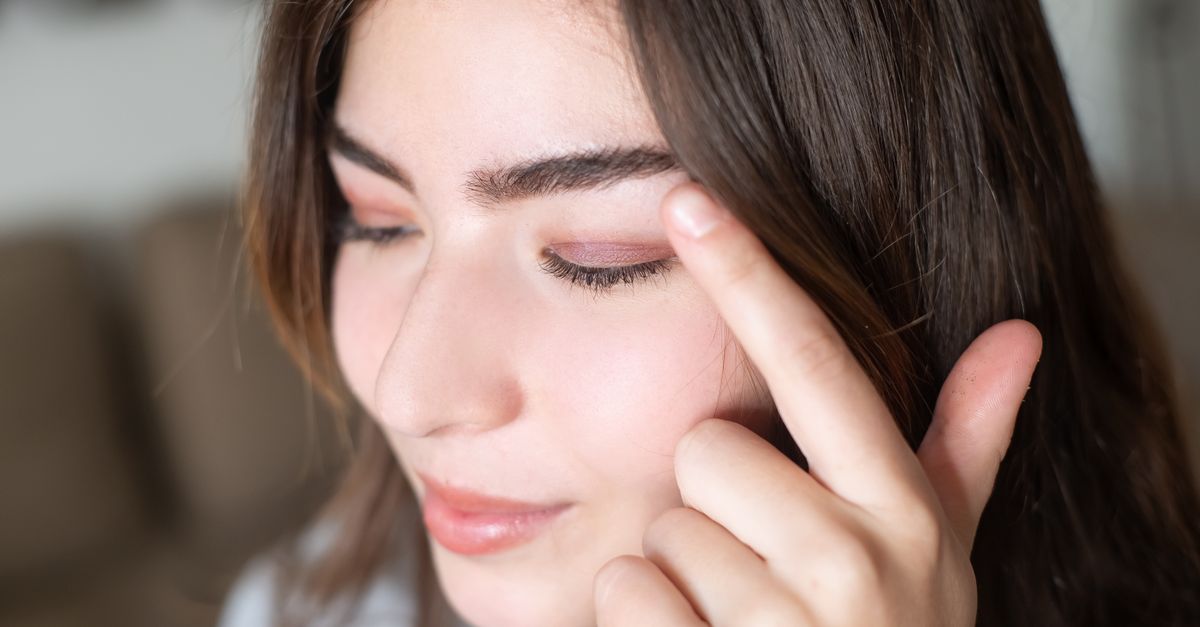
A left eye that twitches persistently for three days straight is typically experiencing a condition clinically known as eyelid myokymia. This presents as a continuous, involuntary, and fine rippling contraction of the delicate orbicularis oculi muscle surrounding the eye. While the sensation is often highly distracting and can feel overwhelmingly prominent to the individual, the twitching is rarely visible to outside observers and is almost always biologically benign.
Myokymia is not a disease of the eye itself, but rather a localized neurological misfire. The facial nerve, which controls the eyelid muscles, becomes hyper-excitable due to a combination of systemic physical and psychological stressors. When the delicate biochemical balance of the nerve fibers is disrupted, they begin to fire spontaneous, erratic electrical impulses, causing the muscle fibers to spasm uncontrollably.
Understanding the specific environmental and lifestyle triggers is the primary mechanism for resolving this condition. Chronic stress, profound fatigue, and excessive stimulant consumption are the leading culprits. By identifying and mitigating these systemic factors, the hyper-excited nerve can return to its normal resting state, causing the frustrating spasms to cease without medical intervention.
2. Understanding Eyelid Myokymia
Eyelid myokymia is defined by spontaneous, gentle, fascicular contractions of the eyelid muscles. It almost exclusively affects the lower eyelid of one eye, though it can occasionally involve the upper eyelid. The condition is strictly unilateral, meaning it occurs only on the left side or the right side, but never both simultaneously.
The spasms are typically intermittent. They may occur continuously for several minutes, disappear for a few hours, and then return, persisting in this annoying cycle for several days or even weeks. The characteristic nature of myokymia is that it does not force the eye to close completely; it is a rapid flutter rather than a forceful squeezing shut of the eyelids.
Clinically, myokymia is entirely self-limiting. It does not progress to vision loss, it does not spread to other muscles in the body, and it does not indicate structural brain damage. The annoyance it causes is vastly disproportionate to its actual medical severity.
3. The Neuromuscular Mechanism of Twitching
The physiological control of the eyelid is governed by the seventh cranial nerve, known as the facial nerve. This nerve originates in the brainstem and branches out across the face, delivering electrical action potentials to the orbicularis oculi muscle, commanding it to blink and close.
Nerve cells maintain a delicate electrical resting potential by balancing the concentration of specific ions, such as calcium, potassium, and sodium, across their cell membranes. In myokymia, this delicate ionic balance is temporarily disrupted in a tiny, localized terminal branch of the facial nerve.
This disruption lowers the threshold required for the nerve to fire. The nerve enters a state of hyper-excitability, meaning it fires spontaneous electrical action potentials without any command from the brain. These rogue electrical signals travel to a small cluster of muscle fibers, causing the rapid, rhythmic rippling beneath the skin that the patient feels as a twitch.
4. Stress as a Primary Trigger
Psychological and emotional stress is the most widely documented trigger for persistent eyelid myokymia. When the human body is subjected to chronic stress, the sympathetic nervous system operates in a constant state of mild “fight or flight,” releasing continuous streams of cortisol and adrenaline into the bloodstream.
These stress hormones are powerful physiological stimulants. They systemically increase muscle tension and elevate the overall excitability of the peripheral nervous system. The delicate, highly sensitive muscles of the eyelid are often the first to exhibit physical symptoms of this systemic neurological tension.
Furthermore, chronic anxiety directly affects the neurochemistry of the brainstem, where the facial nerve originates. Reducing the psychological burden through stress management techniques is frequently the most effective, albeit the most challenging, intervention required to stop a multi-day twitching episode.
5. The Impact of Sleep Deprivation
Profound fatigue and sleep deprivation closely parallel stress in their ability to induce myokymia. The central nervous system requires uninterrupted periods of deep sleep to clear metabolic waste, rebalance neurotransmitters, and repair daily cellular wear and tear.
When an individual suffers from a lack of restorative sleep, the neurons remain in a state of chemical exhaustion. The cellular pumps that regulate the calcium and potassium ions within the nerve membranes begin to fail due to a lack of energy (ATP).
This metabolic failure causes the peripheral nerves to become erratic and prone to spontaneous firing. Many patients report that a persistent eye twitch completely resolves after they finally achieve a single night of eight to ten hours of deep, uninterrupted sleep, confirming that the twitch was a direct neurological manifestation of acute exhaustion.
6. Caffeine and Stimulant Consumption
Excessive consumption of caffeine is a major chemical catalyst for eyelid myokymia. Caffeine is a central nervous system stimulant that operates by blocking adenosine receptors in the brain, preventing the feeling of tiredness. However, it also significantly increases the release of excitatory neurotransmitters, such as dopamine and noradrenaline.
This massive excitatory surge floods the neuromuscular junctions. While this provides mental alertness, it also causes skeletal muscles to become highly reactive. Because the orbicularis oculi is one of the fastest and most continuously active muscles in the human body, it is exceptionally sensitive to this stimulant overload.
Patients frequently trigger multi-day twitches by inadvertently compounding their stressors: they feel exhausted, so they consume large quantities of coffee or energy drinks to stay awake, which chemically forces the already tired facial nerve into a state of hyper-excitable spasming.
7. Eye Strain and Digital Device Usage
In the modern era, digital eye strain—clinically termed computer vision syndrome—is a leading cause of localized eyelid fatigue. When an individual stares at a bright computer monitor, tablet, or smartphone screen for hours, their blink rate drops dramatically.
Normally, humans blink 15 to 20 times a minute. While focusing on a screen, this rate can drop to 5 times a minute. The muscles that control the eyelid are forced to hold a static, open position for prolonged periods, leading to profound localized muscle fatigue and cramping.
Additionally, incorrect optical prescriptions or uncorrected astigmatism force the tiny muscles inside and around the eye to work continuously to maintain focus. This relentless mechanical strain exhausts the local neuromuscular junctions, leading directly to the compensatory spasms recognized as myokymia.
8. Dry Eye Syndrome and Surface Irritation
The health of the ocular surface is intrinsically linked to eyelid function. The cornea must remain perfectly lubricated by a stable tear film. If a patient suffers from dry eye syndrome—often caused by screen use, arid environments, or contact lenses—the surface of the eye becomes irritated and inflamed.
The sensory nerves on the surface of the cornea detect this dry irritation and send distress signals to the brain. In an attempt to protect and lubricate the drying cornea, the brain reflexively commands the eyelid to blink more frequently.
When this reflex is constantly triggered but the tear film remains inadequate, the neuromuscular loop becomes overwhelmed. The orbicularis oculi muscle becomes hyper-stimulated by the constant demand to blink, leading to erratic fasciculations and persistent twitching along the lower lid margin.
9. Nutritional Imbalances and Electrolytes
Although less common than stress or fatigue, specific nutritional deficiencies can alter nerve conduction and trigger muscle spasms. Electrolytes, particularly magnesium, calcium, and potassium, are the biochemical keys that regulate muscle contraction and nerve depolarization.
Magnesium acts as a natural calcium blocker; it helps muscles relax after a contraction. A systemic deficiency in dietary magnesium allows calcium to dominate the neuromuscular junction, forcing the muscle fibers into a state of continuous, uncontrolled contraction.
While severe electrolyte imbalances are usually accompanied by widespread muscle cramps (such as in the calves), a mild deficiency can isolate its symptoms to the most sensitive, continuously active muscles of the body, initiating the continuous flutter of the eyelid.
10. Differential Diagnosis of Facial Spasms
If an eye twitch lasts for weeks rather than days, or changes in character, a clinical differential diagnosis is required to rule out more severe neurological conditions. Benign essential blepharospasm is a condition where both eyes are forced to blink uncontrollably and eventually squeeze shut tightly, often causing functional blindness. This involves the basal ganglia in the brain and is distinctly different from the mild, unilateral flutter of myokymia.
Hemifacial spasm is a more serious concern. This occurs when an aberrant blood vessel physically compresses the facial nerve near the brainstem. The spasms begin in the eyelid but slowly progress over months to involve the cheek, the mouth, and the entire side of the face, forcing the facial muscles to contract severely.
Multiple sclerosis or lesions in the brainstem can rarely present with facial twitching, but these are invariably accompanied by other profound neurological deficits, such as numbness, severe vertigo, or weakness in the limbs, rather than an isolated, annoying eyelid flutter.
11. Data Structure: Benign Myokymia vs Hemifacial Spasm
| Clinical Feature | Benign Eyelid Myokymia | Hemifacial Spasm (Nerve Compression) |
|---|---|---|
| Location of Spasm | Isolated strictly to the upper or lower eyelid. | Starts at the eye, spreads to the cheek and mouth. |
| Nature of Movement | Fine, gentle rippling or fluttering sensation. | Forceful, severe contractions pulling the face upward. |
| Symmetry | Unilateral (only one eye is affected). | Unilateral (one entire half of the face). |
| Primary Causes | Stress, fatigue, excessive caffeine, dry eyes. | Vascular compression of the facial nerve at the brainstem. |
| Resolution | Resolves naturally with lifestyle changes. | Progressive; requires MRI, Botox, or neurosurgery. |
12. Strategies for Immediate Relief
When a patient is suffering from a multi-day twitch, immediate relief strategies focus on breaking the localized cycle of muscle fatigue and nerve hyper-excitability. Applying a warm compress over the closed eye for ten to fifteen minutes promotes local vasodilation. The increased blood flow flushes away metabolic waste products and provides a soothing, relaxing effect to the cramped orbicularis oculi muscle.
Applying over-the-counter, preservative-free artificial tears is highly effective. If the twitch is secondary to corneal dryness and irritation, flooding the eye with lubrication halts the reflexive sensory signals demanding constant blinking, allowing the motor nerve to rest.
Gentle, deliberate massage of the eyelid margin can also physically relax the muscle fibers, though patients must ensure their hands are meticulously clean to avoid introducing bacteria into the eye and causing conjunctivitis.
13. Lifestyle Modifications for Prevention
Because myokymia is an environmental and physiological response, permanent prevention relies entirely on lifestyle modification. The patient must actively audit their daily habits. A strict reduction in caffeine and alcohol intake—both of which alter nerve conduction—is the mandatory first step.
Establishing rigorous sleep hygiene to ensure seven to eight hours of uninterrupted rest is essential for resetting the central nervous system. Patients must prioritize stress management techniques, whether through deep breathing exercises, cardiovascular workouts, or dedicated psychological therapy, to lower their baseline levels of circulating adrenaline and cortisol.
To combat digital eye strain, implementing the “20-20-20 rule” is highly recommended by ophthalmologists. Every 20 minutes spent looking at a screen, the individual must look at an object 20 feet away for a full 20 seconds. This simple practice forces a complete, relaxing blink and breaks the intense, static tension held by the eye muscles.
14. When to Consult a Neurologist or Ophthalmologist
A persistent eye twitch is usually benign, but certain clinical presentations warrant specialized medical evaluation. You should consult an ophthalmologist or a neurologist if the twitching persists continuously for more than two to three weeks despite aggressive lifestyle changes and rest.
Medical evaluation is mandatory if the twitching begins to spread beyond the eyelid to other parts of your face, such as your cheek or the corner of your mouth. This progression strongly suggests a hemifacial spasm requiring an MRI to check for vascular compression of the facial nerve.
Furthermore, if the spasms become so forceful that they cause your eye to squeeze shut entirely, rendering you unable to open it voluntarily, or if the twitching is accompanied by a red eye, swelling, or drooping of the upper eyelid (ptosis), immediate clinical assessment is required to rule out structural eye diseases or neurological failure.
15. Advanced Medical Treatments (Botulinum Toxin)
In the rare event that benign myokymia becomes chronic, lasting for months and causing severe psychological distress or social embarrassment, clinical intervention is available. Oral medications are generally avoided due to their systemic side effects, which outweigh the benefit of stopping a simple eyelid twitch.
The gold standard treatment for chronic, intractable facial spasms is the localized injection of Botulinum toxin (Botox). A neurologist or ophthalmologist injects a microscopic dose of the neurotoxin directly into the spasming orbicularis oculi muscle.
The toxin works by blocking the release of acetylcholine at the neuromuscular junction, effectively paralyzing the specific muscle fibers causing the flutter without affecting the patient’s ability to blink or close their eye normally. The relief is typically profound and lasts for three to four months, giving the hyper-excited nerve time to permanently reset its electrical baseline.
16. Frequently Asked Questions (FAQ)
1. Is a twitching left eye a sign of a stroke?
No. An isolated eyelid twitch is not a sign of a stroke. A stroke causes a sudden loss of muscle function (paralysis), drooping of the face, slurred speech, or profound numbness. A gentle, fluttering muscle spasm in an otherwise healthy face is an issue of fatigue, not a vascular brain event.
2. Does it mean my eyesight is getting worse?
The twitch itself does not damage your eye or your vision. However, if you are constantly squinting because you need a new glasses prescription, that mechanical eye strain can cause the muscles to fatigue and twitch. An updated eye exam is a good idea if the twitch persists.
3. Will taking a magnesium pill stop the twitch immediately?
If your twitch is caused by a severe magnesium deficiency, supplementing may help over time. However, it is not an immediate cure. The twitch is more likely related to the three cups of coffee you drank or your lack of sleep. Addressing stress and caffeine provides much faster relief.
4. Why is it only my left eye and never my right?
Myokymia is almost always unilateral because it is a localized misfire of a specific, tiny nerve branch on one side of your face. It is simply random chance whether the hyper-excitability occurs in the left or the right facial nerve.
5. Should I try to force my eye to stay open when it twitches?
No. Forcing your eye wide open increases the tension in the facial muscles and can actually exacerbate the spasm. When the twitch occurs, it is better to close your eyes gently, take a deep breath, and allow the muscle to relax naturally for a few moments.
17. Bibliography
Disclaimer: The content is for informational purposes only and does not replace medical advice. Always consult your doctor for personalized treatment.