1. Introduction
The fastest way to cure an annoying eye twitch naturally is to immediately reduce caffeine intake, apply a warm compress to the affected eyelid, and prioritize restorative sleep. This common, fluttering sensation, clinically termed eyelid myokymia, is almost universally a benign muscular response to systemic stress, profound fatigue, or excessive central nervous system stimulation. By addressing these specific lifestyle triggers, the hyperactive nerve signals rapidly normalize, stopping the involuntary contractions.
The human eyelid is controlled by incredibly delicate, precise muscles designed to blink thousands of times a day. Because these muscles are small and constantly active, they are exceptionally sensitive to minor biochemical and neurological imbalances within the body. When the autonomic nervous system is kept in a state of continuous arousal, the nerves supplying the eyelid can become irritated, causing them to fire spontaneously. This rapid misfiring translates into a visible, highly distracting flutter in the upper or lower eyelid.
Addressing a benign eye twitch requires an honest assessment of daily habits rather than complex medical interventions. While the sensation feels prominent and alarming to the patient, it is rarely a sign of a severe neurological disorder. By implementing targeted stress reduction, optimizing hydration, and minimizing digital eye strain, individuals can quickly calm the erratic nerve impulses and restore normal, quiet ocular function.
2. Understanding Eyelid Myokymia
Eyelid myokymia is the formal medical term for the continuous, fine, rippling contractions of the orbicularis oculi muscle, the circular muscle responsible for closing the eyelid. This condition is almost exclusively unilateral, meaning it affects only one eye at a time, and it most frequently involves the lower eyelid, though upper eyelid involvement is also common.
The hallmark of myokymia is that the twitching is fascicular; it involves only small bundles of muscle fibers rather than the entire muscle group. This is why the twitch feels like a rapid vibration or a tiny heartbeat under the skin, but it never actually forces the eye to close completely.
Patients often feel that the twitch is visibly obvious to everyone around them. However, because the muscle contractions are so fine and superficial, the movement is usually completely imperceptible to observers unless they examine the eyelid from a few inches away. This benign nature provides significant clinical reassurance.
3. The Neurology of Eyelid Spasms
The movement of the facial muscles, including those surrounding the eye, is commanded by the seventh cranial nerve, known as the facial nerve. This nerve originates in the brainstem and branches out across the face. For a muscle to contract smoothly, the nerve must deliver a coordinated electrical signal.
In eyelid myokymia, the specific branch of the facial nerve supplying the eyelid becomes locally hyper-excitable. Instead of waiting for a deliberate command from the brain to blink, the nerve terminal spontaneously leaks neurotransmitters, specifically acetylcholine. This leakage causes the muscle fibers to undergo rapid, uncoordinated micro-contractions.
This local hyper-excitability is not a sign of nerve damage or disease. It is a temporary functional glitch driven by systemic metabolic or environmental factors that alter the electrical threshold of the nerve membrane, making it too easy for the nerve to fire.
4. Fatigue and Sleep Deprivation
The most profound and frequent trigger for an eye twitch is a lack of adequate, restorative sleep. The central nervous system requires specific phases of deep sleep to clear metabolic waste and reset the chemical gradients of the nerve cells. When sleep is curtailed, the nervous system remains in a state of biochemical exhaustion.
Sleep deprivation directly lowers the resting threshold of motor nerves. When the nerves are exhausted, they become twitchy and unstable. The small, constantly working muscles of the eye are typically the very first to manifest this systemic neurological fatigue.
Curing a sleep-deprivation twitch requires prioritizing consecutive nights of seven to eight hours of uninterrupted rest. Implementing strict sleep hygiene—such as keeping the bedroom dark, cool, and free of digital screens—allows the facial nerve to recover its normal electrochemical balance, frequently resolving the myokymia entirely within forty-eight hours.
5. Caffeine and Central Nervous System Stimulation
Caffeine is a powerful, ubiquitous central nervous system stimulant. It functions primarily by blocking adenosine receptors in the brain, preventing the chemical signals that induce drowsiness. However, high doses of caffeine also provoke a systemic release of adrenaline, increasing the overall excitability of the entire nervous system.
Because the orbicularis oculi muscle is so delicate, it is highly reactive to this surge of adrenaline and systemic stimulation. Excessive coffee, energy drinks, or certain pre-workout supplements easily push the facial nerve past its stability threshold, initiating a relentless, rapid eyelid flutter.
To halt a caffeine-induced twitch rapidly, the individual must drastically reduce or entirely eliminate caffeine consumption for several days. Replacing caffeinated beverages with abundant plain water aids the kidneys in flushing the residual stimulant molecules from the bloodstream, calming the hyperactive motor nerves.
6. Psychological Stress and Autonomic Arousal
Psychological stress and chronic anxiety exert a massive physical toll on the body. When a person is under severe stress, the autonomic nervous system shifts into a prolonged sympathetic state, commonly known as the fight-or-flight response.
This state maintains high levels of circulating cortisol and catecholamines in the blood, which continuously primes the skeletal muscles for action. The tension is frequently held in the facial, jaw, and neck muscles. The continuous, subconscious tension in the periocular region provides the perfect environment for myokymia to develop.
Stress-induced twitches are notoriously stubborn. Rapid relief can be achieved by employing active relaxation techniques, such as deep diaphragmatic breathing or progressive muscle relaxation. Applying a warm, damp washcloth over closed eyes for ten minutes provides soothing thermal therapy that physically forces the orbicularis oculi to relax its tense grip.
7. Ocular Surface Irritation and Dry Eye
Sometimes, the twitch is a reflex driven by localized irritation on the surface of the eye. The cornea is packed with sensory nerve endings. If the eye is chronically dry, or if an allergen like pollen lands on the conjunctiva, these sensory nerves send a continuous distress signal to the brain.
The brain responds to this ocular distress by commanding the eyelid to blink more frequently in a desperate attempt to lubricate the surface or clear the microscopic debris. If the irritation persists, this reflex loop becomes hyperactive, resulting in a continuous, involuntary muscle flutter.
Utilizing preservative-free artificial tear drops is the fastest way to resolve this specific cause. Flooding the ocular surface with high-quality lubrication instantly soothes the dry, irritated sensory nerves, signaling the brain that the eye is protected and shutting down the reflex twitching mechanism.
8. Digital Eye Strain
The modern necessity of staring at computer monitors and smartphones for hours uninterrupted is a leading cause of localized eye fatigue. When looking at a digital screen, the human blink rate plummets by up to sixty percent. This lack of blinking causes profound rapid evaporation of the tear film.
Furthermore, the tiny ciliary muscles inside the eye must remain constantly contracted to maintain focus on the illuminated pixels. This profound mechanical and visual strain exhausts the entire ocular apparatus, frequently culminating in an annoying, vibrating eyelid at the end of the workday.
Implementing the twenty-twenty-twenty rule is crucial: every twenty minutes, look at an object twenty feet away for twenty seconds. This breaks the static visual focus, forces a full, restorative blink, and rests the surrounding facial musculature, preventing the onset of fatigue-induced myokymia.
9. Nutritional Deficiencies Affecting Muscle Function
The smooth, coordinated contraction of any muscle requires a precise balance of specific electrolytes within the bloodstream. Calcium, potassium, and specifically magnesium are vital for stabilizing the electrical membranes of nerve and muscle cells.
Magnesium acts as a natural biological relaxant. It counteracts calcium, which triggers muscle contraction. A significant deficiency in dietary magnesium allows calcium to dominate the cellular environment, leading to persistent muscle spasms, cramps, and involuntary fasciculations like an eye twitch.
Consuming magnesium-rich foods, such as spinach, almonds, pumpkin seeds, or taking a high-quality oral magnesium supplement, can rapidly restore this electrolyte balance. Proper systemic hydration is also essential, as dehydration concentrates the blood and disrupts normal neuromuscular transmission.
10. Rapid Natural Interventions
When a twitch strikes and becomes socially distracting or physically annoying, specific natural interventions can provide temporary, rapid relief while the underlying lifestyle factors are addressed.
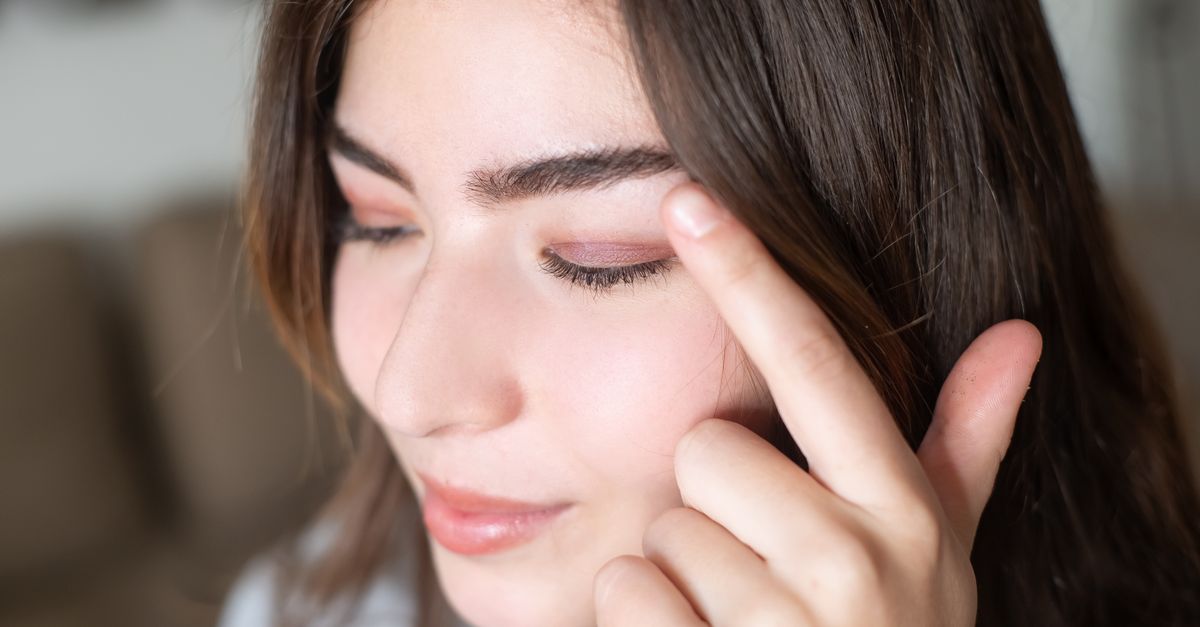
A gentle, localized massage of the brow bone and the skin directly underneath the eye can stimulate local blood flow and physically interrupt the nerve misfiring. Using the pad of the index finger to trace light circles around the orbital bone encourages the orbicularis oculi muscle to release its tension.
Acoustic and thermal distraction also works well. Splashing very cold water on the face shocks the sensory nerves of the skin. This sudden, intense sensory input competes with the motor signals in the facial nerve, frequently resetting the electrical threshold and temporarily halting the flutter.
11. Differentiating Benign Twitches from Neurological Disorders
Accurately evaluating the specific nature of the facial movement ensures the correct clinical pathway. The table below outlines key differences between benign and pathological spasms.
| Condition | Primary Mechanism | Key Identifying Clinical Features |
|---|---|---|
| Eyelid Myokymia | Benign fatigue or stress response | Fine flutter, single eyelid only, does not force eye closed |
| Benign Essential Blepharospasm | Central nervous system dystonia | Affects both eyes, forceful involuntary blinking, eye squeezes shut |
| Hemifacial Spasm | Vascular compression of the facial nerve | Involves one entire side of the face, pulling the mouth and eye together |
| Ptosis (Drooping) | Nerve damage or muscle weakness | Eyelid sags heavily, obscuring vision, without rapid fluttering |
12. Benign Essential Blepharospasm and Hemifacial Spasm
It is critical to distinguish a simple twitch from true movement disorders. Benign essential blepharospasm is a form of focal dystonia. Unlike myokymia, which is a tiny flutter, blepharospasm involves forceful, aggressive, involuntary squeezing of the eyelids. It is virtually always bilateral, affecting both eyes simultaneously, and can be severe enough to render the patient functionally blind because they cannot pry their eyes open.
Hemifacial spasm is another distinct neurological condition. It occurs when a normal blood vessel inside the skull loops over and physically compresses the root of the facial nerve. The pulsatile pounding of the artery against the nerve causes the entire side of the face to spasm synchronously. The eye twitches, and the corner of the mouth pulls upward at the exact same time.
Neither of these severe conditions responds to lifestyle changes, sleep, or reduced caffeine. They represent significant neurological pathologies that require specialized medical intervention, distinguishing them entirely from the annoyance of a benign, fatigue-induced flutter.
13. When to Consult a Neurologist or Ophthalmologist
While eyelid myokymia is benign and self-limiting, specific clinical red flags dictate a formal medical evaluation. A physician must be consulted if a simple twitch persists continuously, every single day, for more than three weeks despite complete cessation of caffeine and adequate sleep.
Urgent medical evaluation is strictly required if the twitching begins to spread beyond the eyelid to involve the cheek, lips, or neck muscles. Furthermore, if the twitching is accompanied by a new onset of facial numbness, a sudden drooping of the eyelid, or a visible change in the size of the pupil, it indicates a structural nerve problem rather than simple fatigue.
An ophthalmologist should be seen if the twitching is accompanied by profound eye redness, thick discharge, severe light sensitivity, or pain, as these signs point to an active, severe ocular infection or internal inflammation that is reflexively triggering the eyelid spasm.
14. Frequently Asked Questions FAQ
1. Can staring at a computer cause my eye to twitch?
Yes. Digital eye strain severely exhausts the tiny muscles around your eyes and reduces your blink rate, leading to severe dryness. This combination of fatigue and surface irritation is a primary trigger for myokymia.
2. Will drinking more water cure an eye twitch?
If the twitch is exacerbated by mild dehydration or an electrolyte imbalance, drinking plenty of water and consuming magnesium-rich foods can restore normal neuromuscular function and calm the spasm.
3. Does an eye twitch mean I need glasses?
It can. If your vision has changed and you are constantly squinting or straining to read, you are chronically exhausting the facial muscles. Getting the correct prescription lenses relieves this strain and frequently stops the twitching.
4. How long does a normal stress twitch last?
A typical fatigue or stress-induced twitch comes and goes intermittently for a few days up to a week. If it persists continuously for several weeks despite resting and cutting caffeine, a medical evaluation is warranted.
5. Are there any medications that stop the twitching?
For benign myokymia, medications are not used. For severe, pathological conditions like blepharospasm or hemifacial spasm, a neurologist will inject botulinum toxin directly into the muscles to paralyze them and stop the forceful squeezing.
15. Bibliography
Disclaimer: The content is for informational purposes only and does not replace medical advice. Always consult your doctor for personalized treatment.