1. Introduction
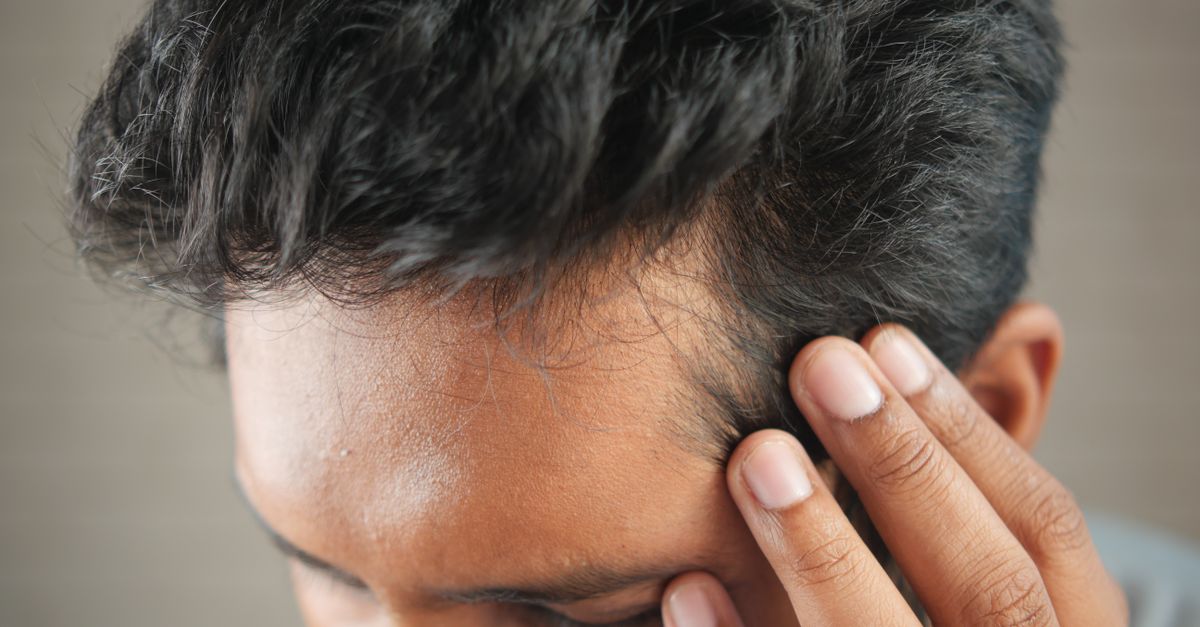
A sore scalp that feels as though the hair is being pulled is clinically recognized as trichodynia, a type of cutaneous allodynia frequently associated with pericranial muscle tension or migraine disorders. The extensive network of tiny nerve endings in the scalp becomes hypersensitized due to prolonged muscle contraction from stress, tight hairstyles, or underlying neurological inflammation. Consequently, normal sensory inputs, such as simply touching the hair follicles, are misinterpreted by the central nervous system as sharp, pulling pain. Resolving this requires addressing the root source of nerve irritation through targeted myofascial release, medication, or lifestyle adjustments.
2. Defining Cutaneous Allodynia
Cutaneous allodynia is a specific neurological condition where an individual experiences pain from stimuli that do not normally provoke a painful response. When this phenomenon affects the scalp, even the lightest touch can be excruciating. Activities such as brushing the hair, wearing a hat, or simply resting the head on a pillow become intensely uncomfortable.
This hypersensitivity is not due to any physical damage to the skin itself. Instead, it indicates a malfunction in how the central nervous system processes sensory information. The pain threshold of the local nociceptors, the specialized nerve endings that detect damage, is drastically lowered.
3. The Phenomenon of Trichodynia
Trichodynia directly translates to “hair pain.” Patients frequently describe the sensation as if a tight ponytail has just been released, leaving a lingering, aching soreness at the roots of the hair. This condition is deeply linked to the arrector pili muscles, the tiny muscles attached to each individual hair follicle.
When the nerve network surrounding these follicles becomes sensitized, the resting tension of the arrector pili muscles is perceived as a pulling strain. Trichodynia is frequently reported by individuals experiencing periods of high stress, extreme fatigue, or preceding episodes of significant hair loss.
4. Pericranial Muscle Tension
The skull is encased in a thin but highly complex layer of muscle and fascia known as the pericranium. The frontalis muscle over the forehead, the occipitalis muscle at the base of the skull, and the temporalis muscles on the sides all interconnect via a broad tendinous sheet called the galea aponeurotica.
Chronic psychological stress, poor posture, or habitual teeth clenching causes these pericranial muscles to contract continuously. This sustained contraction restricts local blood flow, leading to localized ischemia and the accumulation of metabolic waste products like lactic acid. The resulting chemical irritation triggers the nerve endings embedded in the scalp fascia, radiating pain across the entire head.
5. The Trigeminal Nerve Pathway
The sensory innervation of the front and top of the scalp is primarily provided by the ophthalmic division of the trigeminal nerve. The back of the scalp is supplied by the greater and lesser occipital nerves, which branch off the upper cervical spine.
These nerves form a dense, highly sensitive web just beneath the skin. When the pericranial muscles are tight, they can physically compress these nerves as they pass through the fascia. This physical entrapment causes neuropathic firing, meaning the nerves send spontaneous pain signals to the brain, which are felt as a sharp soreness at the surface of the scalp.
6. Migraine and Neurological Sensitization
Scalp soreness is an incredibly common, yet under-discussed, symptom of primary headache disorders, particularly migraines. During a migraine attack, a wave of abnormal electrical activity spreads across the brain, activating the trigeminal nerve system.
This activation causes the release of inflammatory neuropeptides into the tissues of the scalp. As the migraine progresses, central sensitization occurs in the brainstem, making the entire sensory network hyper-reactive. For many migraineurs, the scalp remains profoundly tender for days after the acute throbbing headache has subsided. Treating this underlying condition is a primary focus of comprehensive migraine management.
7. Dermatological Contributions
While neurological and muscular factors are the most common culprits, primary dermatological conditions must be ruled out. Scalp psoriasis, seborrheic dermatitis, and severe dandruff can cause significant inflammation of the epidermal layer.
This localized inflammation damages the protective skin barrier and irritates the superficial nerve endings. In these cases, the soreness is usually accompanied by intense pruritus, visible redness, and the presence of flaking or scaling skin. Differentiating between neurological trichodynia and a dermatological inflammatory process is crucial for prescribing the correct medical intervention.
8. The Impact of Traction Alopecia
Physical trauma to the hair follicles is a direct and easily identifiable cause of scalp pain. Wearing the hair in tightly pulled styles, such as tight braids, high ponytails, or heavy hair extensions, exerts continuous, mechanical traction on the roots.
This constant pulling triggers an inflammatory response within the follicle capsule. Over time, this mechanical stress not only causes acute soreness but can also lead to irreversible damage to the follicle, resulting in a specific type of permanent hair loss known as traction alopecia.
9. Stress and the Autonomic Nervous System
The autonomic nervous system, which governs involuntary physiological responses, plays a significant role in scalp sensitivity. High levels of emotional stress trigger the sympathetic nervous system, the “fight or flight” response, which floods the body with adrenaline and cortisol.
This hormonal surge increases systemic muscle tone, particularly in the neck and scalp, and heightens the overall sensitivity of the peripheral nervous system. Consequently, periods of acute anxiety or prolonged emotional distress frequently manifest physically as a tight, burning, or sore scalp.
10. Clinical Examination of the Scalp
A physician or dermatologist will conduct a thorough physical examination to pinpoint the etiology of the tenderness. The clinician will visually inspect the scalp for signs of erythema, scaling, or active hair loss. Palpation of the pericranial muscles and the cervical spine helps identify trigger points and areas of severe myofascial tension.
Neurological assessments, including testing for localized allodynia using a cotton swab, can confirm if the sensitivity is neuropathic. A detailed patient history regarding headache frequency, stress levels, and hair styling habits completes the diagnostic picture.
11. Pharmacological Treatments for Neuropathic Sensitivity
If the scalp soreness is driven by an underlying migraine disorder or central sensitization, specific medications are employed. Triptans can abort the neurogenic inflammation during an acute attack. For chronic daily tension or allodynia, neuromodulators such as amitriptyline or gabapentin are utilized to stabilize the hyperactive nerve pathways.
When pericranial muscle spasms are severe, a short course of muscle relaxants can break the cycle of continuous contraction. Nonsteroidal anti-inflammatory drugs are also useful for managing the localized tissue inflammation resulting from sustained muscle tension.
12. Physical Therapy and Myofascial Release
Physical therapy is highly effective for treating scalp pain originating from myofascial tension. Therapists employ targeted massage and trigger point release techniques to relax the frontalis, occipitalis, and cervical musculature.
Patients are taught specific stretching exercises to improve posture, particularly correcting the forward head posture common in individuals who work extensively on computers. Correcting cervical alignment removes the mechanical strain on the occipital nerves, dramatically reducing posterior scalp pain.
13. Modifications to Hair Care Routines
For individuals experiencing mechanical trichodynia, immediate modification of hair styling habits is required. Patients are advised to wear their hair down or in very loose styles to remove all traction from the follicles.
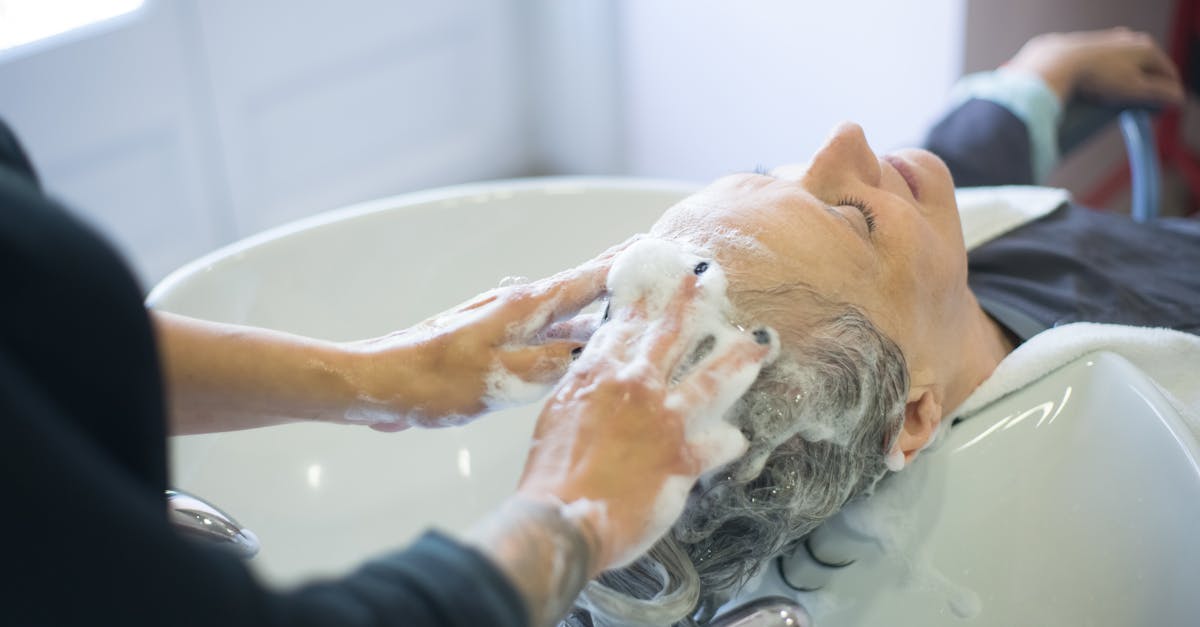
Switching to a mild, fragrance-free shampoo and avoiding harsh chemical treatments, such as bleaching or chemical straightening, allows the scalp epidermis to heal. Brushing should be done gently, using a soft-bristled brush to minimize physical trauma to the hypersensitized nerve endings.
14. Data: Common Causes of Scalp Tenderness
| Etiology | Primary Mechanism | Associated Symptoms |
|---|---|---|
| Migraine / Allodynia | Central nervous system sensitization. | Throbbing headache, light sensitivity. |
| Tension Headache | Pericranial muscle spasm and ischemia. | Band-like pressure around the head. |
| Traction Alopecia | Mechanical stress on the hair follicles. | Hair thinning at the hairline. |
| Dermatitis | Inflammation of the epidermal layer. | Flaking, itching, visible redness. |
15. Prognosis and Long-Term Management
The prognosis for resolving a sore scalp is excellent once the underlying cause is correctly identified and treated. Because trichodynia is frequently a secondary symptom of stress or musculoskeletal imbalance, long-term management requires a holistic approach. Consistent stress reduction techniques, ergonomic awareness, and proper headache management are vital to preventing the recurrence of this uncomfortable sensory phenomenon.
16. Frequently Asked Questions
1. Is it normal for my scalp to hurt when my hair is dirty?
Accumulation of sebum and dead skin cells can cause a mild inflammatory response in the scalp, known as folliculitis. Washing the hair removes this buildup, which often rapidly relieves the associated soreness.
2. Can moving my hair in the opposite direction cause pain?
Yes. The tiny muscles attached to the hair follicles adapt to the direction the hair is normally styled. Suddenly reversing that direction pulls against these muscles, triggering the sensitive nerve endings and causing acute discomfort.
3. Why does my scalp hurt more when I am stressed?
Stress causes involuntary clenching of the jaw and tightening of the muscles that wrap around the skull. This continuous tension compresses the nerves in the scalp, leading directly to a sensation of deep soreness.
4. Will the soreness lead to my hair falling out?
If the pain is caused by tension headaches or migraines, it will not cause hair loss. However, if the soreness is due to tight hairstyles pulling on the roots, prolonged mechanical stress will eventually cause permanent hair loss.
5. How do doctors treat severe scalp nerve pain?
For severe, persistent neuropathic pain, physicians may prescribe nerve-stabilizing medications or perform localized anesthetic blocks, such as an occipital nerve block, to numb the affected area and break the cycle of pain.
17. Bibliography
Disclaimer: The content is for informational purposes only and does not replace medical advice. Always consult your doctor for personalized treatment.