1. Introduction
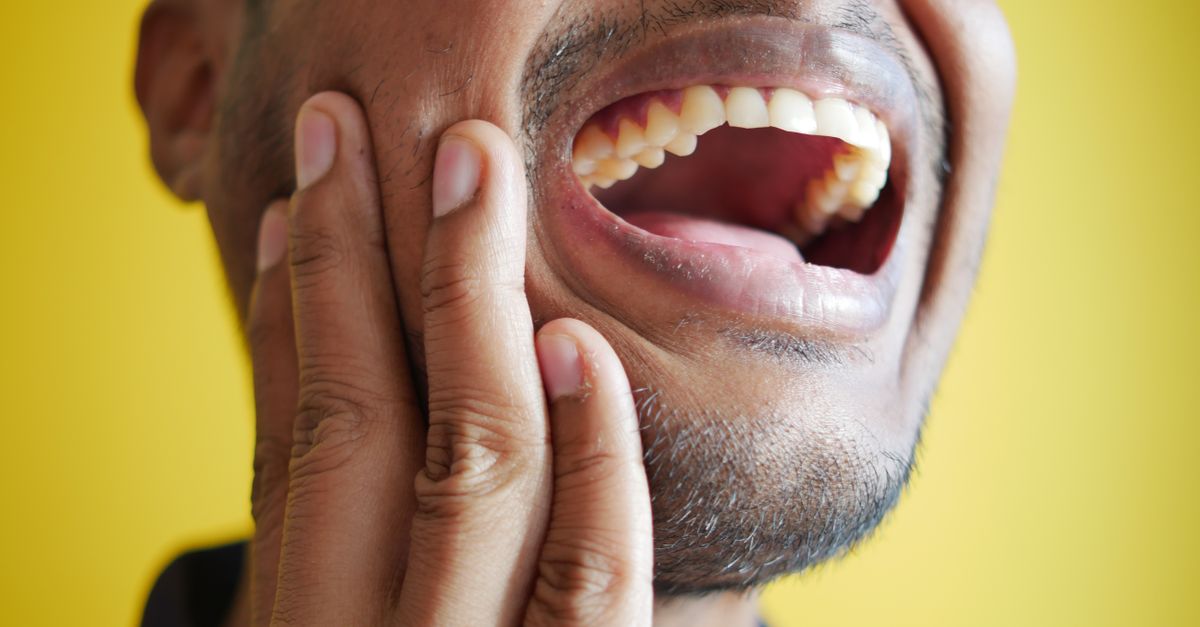
A sudden stabbing pain in the upper jaw when eating ice cream is often caused by the rapid cooling of the trigeminal nerve branches located in the roof of the mouth or through exposed dentin in the upper teeth. The severe cold triggers a sudden constriction and subsequent dilation of blood vessels, sending intense pain signals through the sphenopalatine ganglion, which the brain perceives as a sharp ache in the upper jaw. Alternatively, worn tooth enamel allows the cold temperature to directly stimulate the dental pulp nerves, radiating pain up into the maxillary bone.
The human oral cavity is densely innervated to protect the airway and the digestive tract from extreme temperatures and physical damage. When a frozen substance like ice cream contacts the palate or the sensitive necks of the teeth, it creates a massive thermal shock. This shock bypasses normal sensory processing and directly triggers acute alarm pathways.
Because the nerve networks in the face are highly interconnected, the origin of the stimulus and the perceived location of the pain frequently differ. Discerning whether the stabbing pain originates from a neurovascular reflex, commonly known as a brain freeze, or from localized dental hypersensitivity dictates the appropriate preventive and therapeutic measures.
2. Anatomy of the Maxillary Nerve
The sensations of the upper jaw, teeth, and palate are governed by the maxillary nerve, which is the second major division of the trigeminal nerve. The trigeminal nerve is the largest cranial nerve, responsible for transmitting all sensory information from the face directly to the brainstem.
The maxillary nerve branches out extensively. The superior alveolar nerves dive deep into the upper jawbone to supply the roots of the upper teeth. The greater palatine nerve supplies the mucosal lining of the hard palate.
Because these nerve branches all converge into a single central pathway before entering the brain, intense stimulation of one branch can easily spill over. An extreme stimulus applied to the palate can be interpreted by the brainstem as a massive pain signal originating from the entire upper jaw.
3. The Sphenopalatine Ganglion Reflex
Directly behind the nasal cavity and above the roof of the mouth sits a major cluster of nerve cells called the sphenopalatine ganglion. This ganglion is a critical junction for the autonomic nervous system, controlling blood flow to the head and face.
When a large bite of ice cream rests against the soft palate, it rapidly drops the temperature of the local tissue. The blood vessels supplying this area immediately constrict to conserve heat. Moments later, the body attempts to rewarm the area by forcefully dilating the vessels to pump warm blood back into the tissue.
This rapid, spastic sequence of intense vasoconstriction followed by aggressive vasodilation creates a massive influx of sensory data at the sphenopalatine ganglion. The ganglion becomes overwhelmed and fires a barrage of pain signals along the maxillary nerve pathways.
4. Referred Pain Mechanisms
Referred pain occurs when pain is perceived at a location adjacent to, or at a distance from, the actual site of the stimulus. The stabbing ache associated with eating ice cream is a classic example of referred neurovascular pain.
The brain is not adept at localizing deep, internal autonomic pain. When the sphenopalatine ganglion fires rapidly due to the cold stimulus on the palate, the brain attempts to map the pain to a physical location.
Because the maxillary nerve supplies the upper jaw and teeth, the brain frequently misinterprets the distress signal. Instead of feeling pain on the surface of the palate, the individual experiences a deep, throbbing, or stabbing sensation radiating through the upper jawbone and the roots of the maxillary molars.
5. Dental Hypersensitivity and Enamel Wear
While a neurovascular reflex causes general jaw pain, localized stabbing pain isolated to specific teeth suggests dentin hypersensitivity. The visible part of a tooth is protected by enamel, the hardest substance in the human body. Enamel contains no living cells or nerves.
Beneath the enamel lies the dentin, a porous tissue containing thousands of microscopic tubes called dentinal tubules. These tubules run directly into the dental pulp, which houses the tooth’s central nerve and blood supply.
If the protective enamel is worn away by aggressive brushing, acidic diets, or teeth grinding, the dentinal tubules become exposed to the oral environment. When cold ice cream contacts the exposed dentin, the thermal shock is transmitted instantly to the pulp, triggering a sharp, stabbing, electrical pain.
6. The Hydrodynamic Theory of Tooth Pain
The mechanism by which cold triggers pain in exposed dentin is explained by the hydrodynamic theory. The microscopic tubules in the dentin are filled with a fluid. This fluid is constantly moving, acting as a buffer for the internal nerve.
When extreme cold touches the exposed dentinal surface, the fluid inside the tubules physically contracts and flows rapidly outward toward the cold source. This sudden, microscopic shift in fluid dynamics alters the pressure within the tooth.
The nerve endings inside the pulp are highly sensitive to pressure changes. The rapid fluid movement stretches the nerve fibers, causing them to fire an intense, sharp pain signal up through the root of the tooth and into the maxillary nerve.
7. Sinus Proximity to the Upper Jaw
The anatomical relationship between the upper jaw and the maxillary sinuses further complicates pain perception. The roots of the upper premolars and molars often extend upward, sitting just beneath, or even protruding into, the floor of the maxillary sinus cavities.
When the mucosal lining of the sinuses is mildly inflamed, perhaps from seasonal allergies or dry air, the surrounding nerves become hyper-sensitized.
A sudden thermal shock from eating ice cream can trigger a mild vascular spasm in the sinus lining. Because the roots of the upper teeth share the same nerve pathways as the sinus floor, this vascular spasm refers a sharp, aching pressure directly into the upper jaw.
8. Differentiating Neuralgia from Dental Pain
Proper identification of the pain source is necessary to stop the stabbing sensation.
| Pain Characteristic | Sphenopalatine Reflex (Brain Freeze) | Dental Hypersensitivity |
|---|---|---|
| Duration | Lasts thirty seconds to a few minutes | Intense, short, sharp burst of a few seconds |
| Location | Diffuse ache across the entire upper jaw | Highly localized to one or two specific teeth |
| Trigger mechanism | Cold substance touching the roof of the mouth | Cold substance directly touching the tooth surface |
| Resolution | Fades slowly as the palate warms up | Stops almost instantly when the cold is removed |
9. Vascular Constriction and Dilation
The vascular aspect of this pain cannot be understated. The anterior cerebral artery, which supplies oxygenated blood to the brain, runs near the sphenopalatine ganglion.
When the palate is cooled, the sudden arterial dilation is an aggressive protective mechanism designed to rush warm blood to the brain and prevent fatal cooling. This forceful dilation expands the blood vessels rapidly against the rigid confines of the skull and facial bones.
The mechanical stretching of the vessel walls activates pain receptors in the meninges, contributing to the throbbing quality of the pain that often accompanies the initial sharp stab in the jaw.
10. The Speed of Temperature Change
The intensity of the stabbing pain is directly correlated to the speed of the temperature drop, rather than the absolute temperature of the food. Gulping a large bite of ice cream rapidly cools a massive surface area of the palate.
The sudden, steep thermal gradient overwhelms the sensory system. The nerves do not have time to acclimate. This rapid gradient is what triggers the violent vascular spasming.
Taking smaller bites and allowing the ice cream to warm slightly on the tongue before swallowing reduces the steepness of the temperature drop, giving the local blood vessels time to adjust gradually and preventing the neural overload.
11. Gum Recession and Root Exposure
For dental hypersensitivity, gum recession is a primary culprit. The roots of the teeth are not covered by protective enamel; they are covered by cementum, a much softer substance that wears away quickly.
If the gum tissue pulls back due to periodontal disease, aggressive brushing, or normal aging, the root surface becomes exposed to the oral cavity. The dentinal tubules in the root are highly concentrated and exceptionally wide.
When ice cream washes over an exposed root, the hydrodynamic fluid shift is massive and instantaneous. The resulting pain is severe, often described as an electrical shock shooting straight up into the cheekbone.
12. Diagnostic Assessment Strategies
If the stabbing pain becomes chronic or prevents the enjoyment of food, clinical evaluation by a dentist is required. The dentist will utilize a sharp explorer tool or a blast of compressed air to systematically check each tooth for exposed dentin or structural cracks.
Dental radiographs are essential to rule out hidden decay or abscesses. An infection deep within the tooth pulp creates baseline inflammation, making the nerve hyper-reactive to any thermal change.
If the dental examination is clear, and the pain is diffuse, bilateral, and triggered solely by rapid consumption of cold foods, the diagnosis leans heavily toward the benign, referred neurovascular reflex of the sphenopalatine ganglion.
13. Dental Interventions and Desensitization
Treating dental hypersensitivity involves blocking the microscopic dentinal tubules to stop the fluid movement. At-home treatments begin with desensitizing toothpaste containing potassium nitrate. The potassium ions penetrate the tubules and physically block the nerve endings from firing the pain signal.
In the dental office, professional-grade fluoride varnishes or specialized bonding agents can be painted directly onto the exposed roots or worn enamel. These resins create a physical, impermeable barrier, sealing the tubules against thermal shock.
If gum recession is severe, a periodontist might perform a gingival graft, taking soft tissue from the palate and securing it over the exposed root to restore the natural biological barrier.
14. Preventive Habits for Sensitive Nerves
Preventing the sphenopalatine reflex is entirely behavioral. The most effective strategy is to consume cold foods slowly. When eating ice cream, holding the bite on the front of the tongue, away from the roof of the mouth, allows the food to warm before it contacts the sensitive ganglion pathways.
If the stabbing ache begins, firmly pressing the tongue flat against the roof of the mouth is highly effective. The tongue acts as a warm compress, rapidly transferring body heat back into the chilled tissue, reversing the vascular spasm and halting the pain signal.
Drinking a sip of room-temperature water immediately after swallowing a cold bite also neutralizes the thermal gradient in the pharynx, preventing the profound temperature drop that triggers the neural alarm.
15. Frequently Asked Questions (FAQ)
1. Is a brain freeze dangerous?
No. While a brain freeze, or sphenopalatine ganglioneuralgia, causes a sharp and intense pain in the jaw or head, it is a temporary vascular reflex that causes no structural damage to the brain or the nerves.
2. Why does the pain go away so quickly?
The pain resolves rapidly because the blood vessels adapt to the temperature change, and the swift flow of warm blood into the palate neutralizes the cold stimulus, halting the intense nerve firing.
3. Can brushing my teeth too hard cause the stabbing pain?
Yes. Aggressive brushing physically scrubs away the protective enamel and causes the gums to recede. This exposes the sensitive inner layer of the tooth, making it highly reactive to cold temperatures.
4. Will filling a cavity stop the cold sensitivity?
If the pain is caused by decay penetrating the enamel and exposing the nerve, having a dentist clean out the decay and seal the tooth with a filling will immediately resolve the thermal sensitivity.
5. How does sensitivity toothpaste work?
Sensitivity toothpaste contains specific chemical compounds, like potassium nitrate, which seep into the microscopic pores of your teeth and numb the nerve endings, preventing them from sending pain signals when you eat cold foods.
16. Bibliography
Disclaimer: The content is for informational purposes only and does not replace medical advice. Always consult your doctor for personalized treatment.