1. Introduction
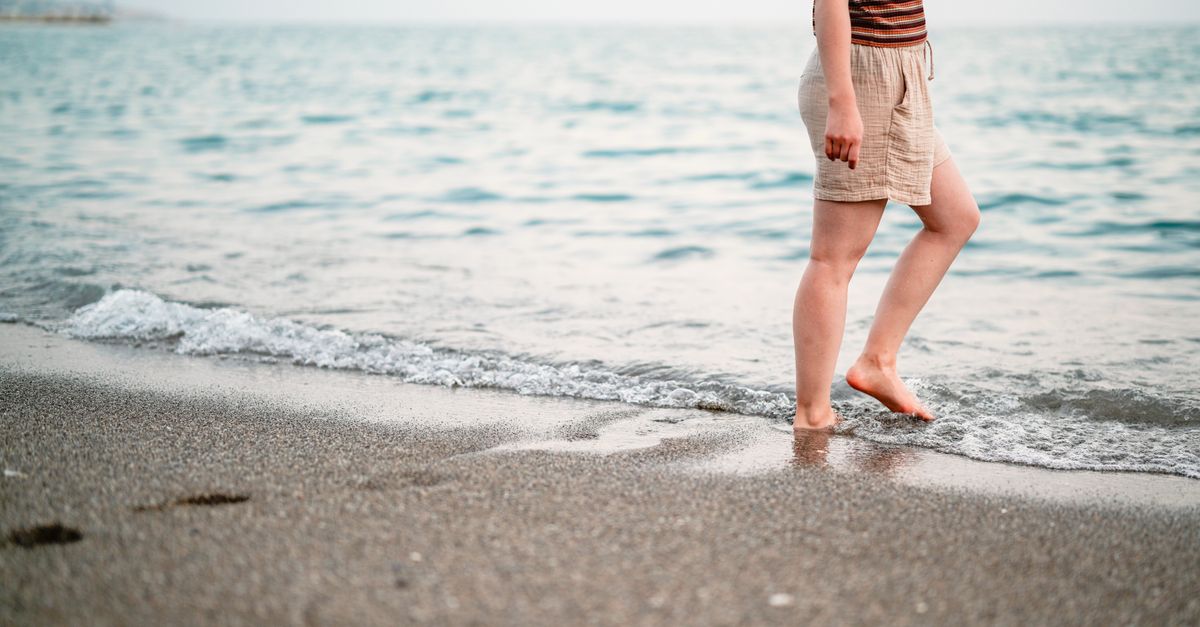
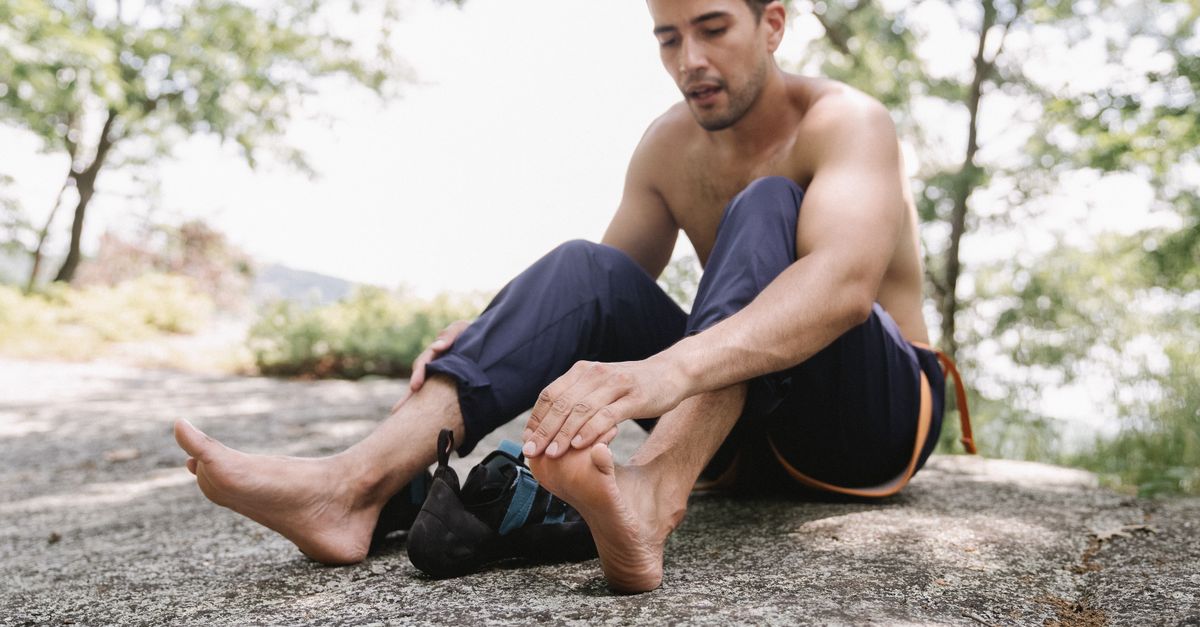
Severe soreness under the foot arches after walking barefoot results from the lack of mechanical support for the plantar fascia and intrinsic foot muscles. Without the structural buffer provided by shoes, the arch flattens significantly with every step, overstretching the connective tissues and forcing the small muscles of the foot to absorb all ground reaction forces. This excessive mechanical load leads to microtears, rapid muscle fatigue, and acute inflammation along the bottom of the foot.
The human foot is an intricate architectural marvel, constructed of numerous bones, ligaments, and a complex web of muscles designed to absorb shock and propel the body forward. In modern environments, feet are accustomed to the rigid support, heel elevation, and cushioning provided by contemporary footwear.
When a person suddenly transitions to walking barefoot on hard, unyielding surfaces, this biomechanical assistance is entirely removed. The foot must rapidly adapt to bearing the full kinetic impact of the body. The resulting profound soreness is the clinical manifestation of tissues pushed beyond their conditioned tensile strength, highlighting the critical role of external support in preventing cumulative microtrauma.
2. Anatomy of the Plantar Fascia
The plantar fascia is a thick, unyielding band of fibrous connective tissue that runs along the bottom of the foot. It originates at the medial tubercle of the heel bone and fans out to attach to the base of each toe. It is the primary passive support structure of the longitudinal arch.
Acting like a taught bowstring, the plantar fascia maintains the curve of the arch. When weight is applied to the foot, the arch naturally attempts to flatten, pushing the heel and toes apart. The plantar fascia resists this separation, acting as a critical tension band.
Because the fascia is composed of dense collagen, it possesses very little elasticity. It is designed to bear immense loads, but it does not stretch easily. When the protective cushioning of a shoe is removed, the sheer mechanical force placed directly upon this taught band increases substantially.
3. Biomechanics of the Windlass Mechanism
Walking is a dynamic process involving a specific biomechanical action known as the windlass mechanism. As a person steps forward and lifts their heel off the ground, the toes extend upward. This upward bending of the toes physically pulls the plantar fascia tight around the heads of the metatarsal bones.
This tightening action shortens the distance between the heel and the toes, elevating the arch and locking the bones of the midfoot together. The foot transforms from a flexible shock absorber into a rigid lever, allowing the calf muscles to propel the body forward efficiently.
When walking barefoot, the toes often splay wider and extend further than they do inside the confined space of a shoe. This increased range of motion forces the windlass mechanism to pull the plantar fascia exceptionally tight, maximizing the tensile strain on the tissue with every single step.
4. The Loss of External Shock Absorption
Modern footwear is engineered with specialized midsoles, typically composed of EVA foam or polyurethane, designed specifically to absorb kinetic energy. When a shoe strikes the ground, the foam compresses, dissipating a significant portion of the ground reaction force before it reaches the foot.
Walking barefoot on hard modern surfaces, such as hardwood floors, tile, or concrete, provides zero external shock absorption. The entirety of the ground reaction force is transferred directly into the heel bone and dispersed through the soft tissues of the arch.
The human foot evolved on yielding, natural terrain like earth and sand, which naturally absorbs impact and conforms to the foot’s shape. Hard, flat, artificial surfaces force the foot’s internal structures to absorb a level of impact they are not biologically conditioned to handle continuously.
5. Overstretching of Connective Tissues
The soreness felt deep within the arch is a direct consequence of repetitive overstretching. Every time the barefoot strikes a hard floor, the arch collapses downward slightly more than it would if supported by a contoured shoe insole.
This excessive downward collapse pulls violently on the attachments of the plantar fascia, particularly at the heel bone. Over the course of thousands of steps, this repetitive mechanical traction causes microscopic tears in the collagen fibers of the fascia.
The body registers these microtears as trauma. It initiates a localized inflammatory response to heal the damaged tissue, which involves increased blood flow, swelling, and the sensitization of local pain receptors. This process results in the hallmark ache of plantar fasciitis.
6. Intrinsic Muscle Fatigue
Beneath the plantar fascia lie several layers of small muscles known as the intrinsic foot muscles. These include muscles responsible for flexing the toes and supporting the dynamic movement of the arch.
When wearing shoes, the rigid sole and arch support perform much of the stabilizing work, allowing the intrinsic muscles to remain relatively dormant. Walking barefoot abruptly forces these under-conditioned muscles to activate forcefully to maintain balance and support the collapsing arch.
Because these muscles lack endurance from chronic disuse, they fatigue rapidly. Just as lifting heavy weights causes severe soreness in the arms, lifting and stabilizing the entire body weight with unconditioned foot muscles results in profound delayed onset muscle soreness in the belly of the arch.
7. Pronation and Arch Collapse
Pronation is the natural inward rolling of the foot upon ground contact, essential for shock absorption. However, many individuals suffer from overpronation, where the arch collapses too far inward due to lax ligaments or muscular imbalances further up the leg.
Supportive footwear often features dense medial posts or contoured insoles to physically block this excessive inward rolling. When barefoot, there is no mechanical barrier to stop the overpronation.
The foot rolls inward excessively, placing an asymmetrical, twisting strain on the plantar fascia and the posterior tibial tendon, which runs down the inside of the ankle and supports the arch. This twisting strain exacerbates tissue fatigue and causes a deep, burning soreness along the inner edge of the arch.
8. Comparing Supported vs Unsupported Walking
The transition between footwear states profoundly alters foot biomechanics.
| Biomechanical Factor | Walking in Supportive Shoes | Walking Barefoot on Hard Floors |
|---|---|---|
| Shock Absorption | Absorbed by the foam midsole | Absorbed entirely by bones and fascia |
| Arch Support | Maintained by the shoe’s contour | Maintained solely by muscle and ligament tension |
| Toe Range of Motion | Restricted by the toe box | Maximized, increasing fascial strain |
| Muscle Engagement | Minimal intrinsic muscle activation | Maximum intrinsic muscle activation and fatigue |
9. The Transition from Shoes to Barefoot
The abruptness of the transition is the primary catalyst for severe soreness. If a person spends forty hours a week in supportive work shoes and then suddenly walks barefoot on hardwood floors for an entire weekend, injury is almost guaranteed.
The connective tissues and muscles adapt to the specific loads placed upon them, a principle known as Davis’s Law. Tissues confined to rigid shoes become functionally shorter and weaker over time.
Subjecting these weakened, shortened tissues to a sudden, maximum-load environment overstretches them violently. A gradual transition, allowing the tissues weeks to slowly build tensile strength and endurance, is medically necessary to prevent acute arch pain.
10. Age and Tissue Elasticity
The biological properties of connective tissue change significantly with age. In younger individuals, the plantar fascia possesses a slight degree of viscoelasticity, allowing it to stretch and rebound efficiently.
As the body ages, collagen synthesis slows, and the tissues become inherently stiffer and less resilient. The fat pad beneath the heel, which provides natural biological cushioning, also thins out over time, reducing the foot’s inherent shock-absorbing capacity.
Consequently, older adults are highly susceptible to severe arch soreness when walking barefoot. The stiffer fascia cannot accommodate the flattening of the arch, leading to rapid tearing at the fascial insertions rather than a healthy, elastic stretch.
11. Identifying Microtrauma and Inflammation
The soreness experienced after barefoot walking is typically worst first thing in the morning. During sleep, the foot rests in a relaxed, downward-pointing position, causing the plantar fascia to shorten. The microtears attempt to heal in this shortened state.
When the person steps out of bed, the sudden weight-bearing forces the arch to flatten, violently tearing apart the new, fragile healing tissue. This causes a sharp, stabbing pain that gradually transitions to a dull, throbbing ache as the tissue warms up and stretches out slightly.
If the arch feels hot to the touch or if pressing firmly into the center of the foot elicits sharp pain, the tissue has moved beyond simple fatigue into acute clinical inflammation.
12. Clinical Evaluation of Arch Pain
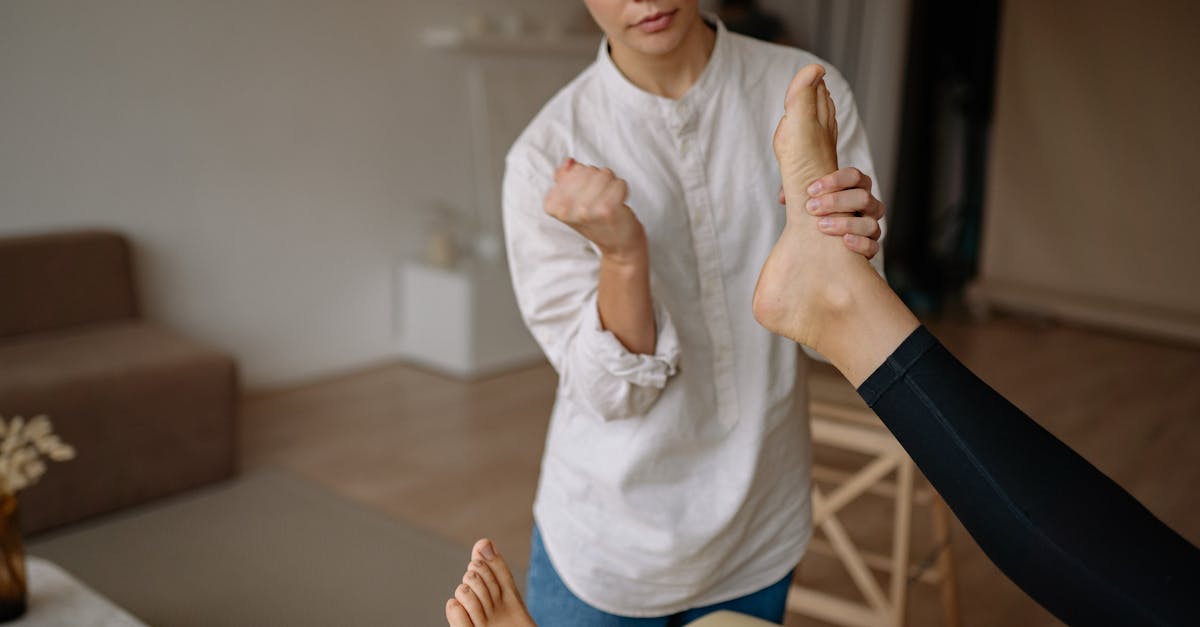
When arch soreness persists despite resting, a podiatric evaluation is warranted to rule out stress fractures or severe tendonosis. The clinician will palpate the medial calcaneal tubercle, the primary attachment point of the fascia, to check for point tenderness.
The physician will analyze the patient’s gait barefoot to observe the degree of pronation and arch collapse. Range of motion testing at the ankle joint is crucial, as a tight Achilles tendon severely restricts ankle mobility, forcing the midfoot to compensate by collapsing inward, thus straining the arch.
Diagnostic ultrasound or Magnetic Resonance Imaging can visualize the exact thickness of the plantar fascia, confirming the presence of chronic thickening, fluid accumulation, or partial tearing within the connective tissue.
13. Acute Relief and Recovery Methods
Immediate intervention focuses on reducing inflammation and removing mechanical stress. The most crucial step is to cease barefoot walking entirely until the pain subsides. Wearing supportive, cushioned sandals or shoes even while inside the house prevents further microtrauma.
Applying cold therapy reduces local vasodilation and numbs the irritated pain receptors. Rolling the arch of the foot over a frozen water bottle for fifteen minutes provides both targeted ice therapy and a gentle massage to the tight intrinsic muscles.
Nonsteroidal anti-inflammatory medications help calm the acute chemical inflammation surrounding the fascia, breaking the pain cycle and allowing the tissue to rest without constant neural firing.
14. Gradual Adaptation and Strengthening
Long-term prevention requires strengthening the foot to handle barefoot loads safely. Specific exercises targeting the intrinsic muscles build internal support for the arch. Towel scrunches, where the toes actively gather a towel spread on the floor, effectively isolate and build endurance in the small stabilizing muscles.
Stretching the calves and the Achilles tendon is equally important. A flexible calf muscle allows the ankle to bend properly during walking, reducing the compensatory strain placed on the arch mechanism.
If transitioning to barefoot walking or minimalist footwear is a goal, it must be done in minute increments. Starting with ten minutes a day on a yielding surface, like grass, allows the structural tissues to adapt, thicken, and strengthen in accordance with biological laws, preventing acute breakdown.
15. Frequently Asked Questions (FAQ)
1. Is walking barefoot actually bad for my feet?
Walking barefoot is not inherently bad; human feet evolved for it. However, walking barefoot on artificial, hard surfaces without gradually conditioning your foot muscles and connective tissues leads to severe strain and injury.
2. Why does the pain feel like a tearing sensation in the morning?
While you sleep, your plantar fascia tightens up and attempts to heal the microscopic damage. When you stand up, your body weight violently stretches the tightened tissue, tearing the fragile new healing fibers.
3. Can flat feet make barefoot walking more painful?
Yes. Individuals with flat feet already lack natural structural support. When they walk barefoot, the entire bottom of the foot strikes the floor forcefully, overstretching the tendons and causing rapid, severe pain along the inner arch.
4. Will arch support inserts fix the soreness?
Arch supports or custom orthotics are highly effective at preventing the arch from collapsing under your body weight. They act as an external scaffold, resting the strained fascia and allowing the inflammation to subside.
5. Should I stretch my foot if it feels very sore?
Gentle, static stretching of the calf and the bottom of the foot is beneficial for maintaining flexibility. However, aggressive stretching when the tissue is acutely inflamed can worsen the microtears, so stretches should be mild and pain-free.
16. Bibliography
Disclaimer: The content is for informational purposes only and does not replace medical advice. Always consult your doctor for personalized treatment.