1. Introduction
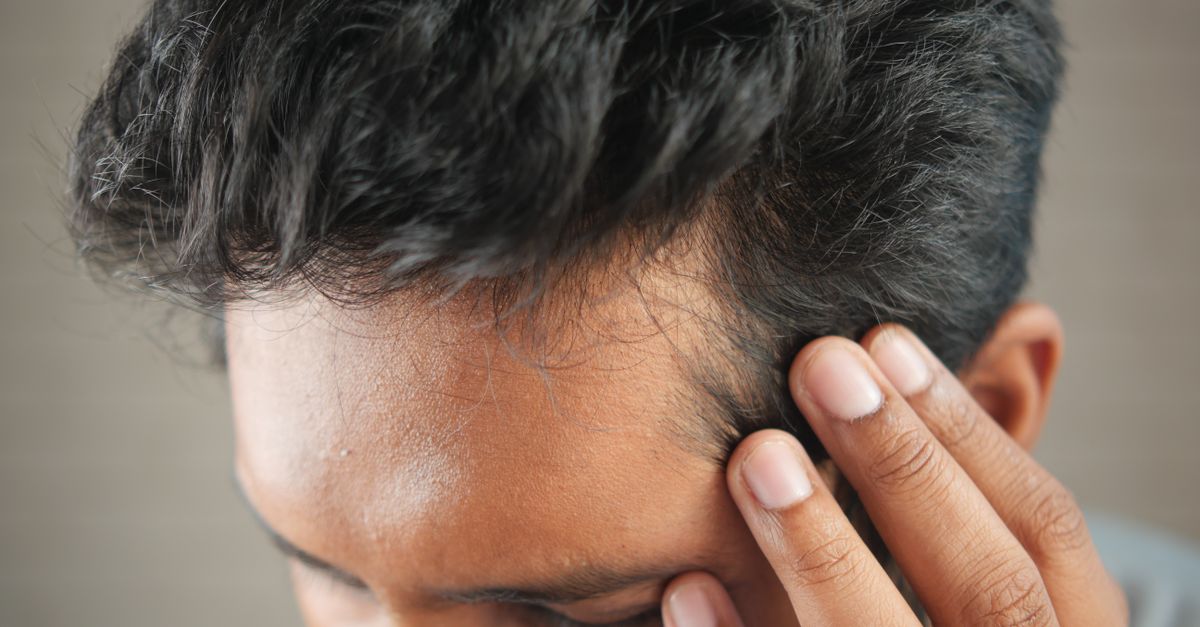
Soreness localized strictly to the crown of the scalp when touched is most frequently caused by a functional nerve condition called trichodynia, severe tension-induced muscle spasms, or localized inflammation of the hair follicles. The scalp is a highly innervated, complex structure consisting of dense connective tissue, muscles, and thousands of active hair follicles pulled tightly across the dome of the skull. When chronic stress tightens the pericranial musculature, or when the superficial nerves become chemically irritated by follicular distress, the tissue becomes exquisitely tender.
Patients often find this specific crown pain perplexing, as there is usually no visible rash, trauma, or obvious injury to the skin. However, the sensation of bruised, burning, or aching skin upon simply moving the hair is a definitive clinical sign of localized hyperalgesia. The nervous system in the scalp is misinterpreting normal tactile touch as a painful stimulus due to underlying structural tension or microscopic inflammation.
Understanding the unique layered anatomy of the scalp and the neurobiology of the pericranial muscles is essential for demystifying this uncomfortable phenomenon. Scalp tenderness is rarely dangerous, but it serves as a highly accurate barometer for systemic stress, dermatological irritation, or early-stage hair loss conditions that require proactive management and clinical evaluation.
2. Anatomy of the Scalp and Aponeurosis
The scalp is not simply a layer of skin draped over bone; it is composed of five distinct anatomical layers, famously remembered by the medical mnemonic SCALP: Skin, Connective tissue, Aponeurosis, Loose areolar tissue, and the Pericranium. The most critical layer involved in crown soreness is the aponeurosis, also known as the galea aponeurotica.
The galea aponeurotica is a massive, tough, fibrous sheet of connective tissue that spans the entire top of the skull, connecting the frontalis muscle over the forehead to the occipitalis muscle at the base of the skull. Because the crown is the highest point of this structural dome, it represents the apex of mechanical tension.
When the muscles at the front or back of the head contract, they pull aggressively on this fibrous sheet. The aponeurosis essentially acts like a tight drumhead stretched across the skull. Any chronic muscular tension will maximize the pulling force directly at the crown, crushing the superficial blood vessels and nerve endings embedded in the layers above it.
3. Trichodynia and Nerve Hypersensitivity
Trichodynia, which translates directly to “hair pain,” is the clinical term for a burning, aching, or stinging sensation affecting the skin of the scalp and the roots of the hair. It is a form of cutaneous hyperesthesia, where normal, non-painful stimuli—such as brushing hair, wearing a hat, or the wind blowing—trigger an intense pain response.
This condition is heavily linked to a localized increase in neuropeptides, specifically Substance P, which are chemical messengers that transmit pain signals and trigger inflammation. When hair follicles undergo stress, either from shedding, harsh chemicals, or systemic anxiety, they release these neuropeptides into the surrounding tissue.
The dense network of sensory nerve fibers surrounding each individual hair follicle at the crown becomes bathed in these inflammatory chemicals. The nerves enter a state of chronic hyperexcitability, firing continuous pain signals to the brain and making the entire crown feel severely bruised to the lightest touch.
4. Tension Headaches and Muscular Spasms
The most ubiquitous systemic cause of crown tenderness is a severe tension headache. Tension headaches are driven by sustained, isometric spasms of the pericranial musculature, including the temporalis, frontalis, and neck muscles. These spasms are predominantly triggered by chronic psychological stress, anxiety, or prolonged poor posture.
When these muscles lock down in a prolonged state of contraction, they exert relentless pulling force on the galea aponeurotica. The constant tension restricts capillary blood flow to the scalp, leading to localized tissue ischemia. The oxygen-starved tissue rapidly accumulates lactic acid and other metabolic waste products.
This acidic microscopic environment is highly irritating to the sensory nerves on the top of the head. The brain interprets the muscular exhaustion and chemical irritation as a tight, restrictive band wrapping around the head, with the maximum point of tenderness frequently focused directly on the rigid peak of the crown.
5. Folliculitis and Sebaceous Gland Inflammation
If the soreness is accompanied by small bumps, itching, or redness, localized folliculitis is a primary suspect. Folliculitis is the inflammation or infection of the individual hair follicles. The scalp is rich in sebaceous glands that produce sebum, an oily substance designed to waterproof the hair and skin.
When sweat, excess sebum, and dead skin cells accumulate on the scalp, they create a perfect breeding ground for naturally occurring skin bacteria or yeast, particularly Malassezia. These microbes can invade the follicle pore, triggering an immune response.
White blood cells rush to the infected follicle, causing microscopic swelling and purulent pressure deep within the skin. Because the tissue at the crown is pulled tightly over the bone, even a microscopic amount of follicular swelling creates immense pressure against the local nerve endings, resulting in a scalp that is acutely sore to the touch.
6. Alopecia and Inflammatory Hair Loss
Trichodynia is notoriously recognized in clinical dermatology as a precursor or accompanying symptom to active hair loss, most notably in Telogen Effluvium or Androgenetic Alopecia. Telogen effluvium is a condition where a severe physiological stressor forces a massive percentage of hair follicles to enter the resting and shedding phase simultaneously.
During the active shedding process, the miniaturization and detachment of the hair bulb from the dermal papilla generate a localized, sterile inflammatory response around the root. This inflammation sensitizes the perifollicular nerves.
Patients often report that their crown feels sore, burning, or tingling several weeks before they actually notice an increased volume of hair falling out in the shower. The soreness is a direct biochemical indicator that the follicular environment is deeply distressed and actively altering its growth cycle.
7. Table: Causes of Crown Scalp Tenderness
The table below categorizes the distinct physiological and dermatological drivers of crown soreness.
| Clinical Condition | Mechanism of Soreness | Associated Symptoms |
|---|---|---|
| Trichodynia | Nerve hypersensitivity, neuropeptide release | Pain when moving hair, preceding hair loss |
| Tension Headache | Muscular spasm, fascial pulling on aponeurosis | Band-like pressure, neck stiffness, dull ache |
| Folliculitis | Bacterial/fungal infection of the hair follicle | Red bumps, pimples, itching, localized heat |
| Traction Alopecia | Mechanical tearing of the follicle from tight hair | Receding hairline, physical pulling sensation |
8. Traction Alopecia from Hairstyles
Mechanical trauma to the hair follicles is a massive contributor to scalp pain. Wearing the hair in tightly pulled styles, such as high ponytails, tight braids, or heavy hair extensions, places relentless physical tension on the roots of the hair.
This continuous pulling force physically stretches the sensory nerves innervating the follicles at the crown. Over several hours, the continuous mechanical strain causes localized tissue inflammation and ischemia. When the hair is finally let down, the rapid return of blood flow to the traumatized tissue creates a throbbing, deeply bruised sensation.
If tight hairstyles are worn chronically, this mechanical strain leads to traction alopecia, where the constant pulling permanently destroys the hair follicle, leading to irreversible baldness at the sites of maximum tension, often centered around the crown and temples.
9. Contact Dermatitis and Hair Products
The scalp skin is remarkably sensitive to harsh chemicals. Shampoos, conditioners, hair dyes, and styling gels frequently contain aggressive surfactants, artificial fragrances, and preservatives like parabens and sulfates.
In susceptible individuals, these chemicals strip the natural acidic mantle from the scalp, leading to irritant contact dermatitis. The superficial epidermal barrier breaks down, allowing the chemicals to penetrate into the deeper, highly vascularized layers of the skin.
This triggers an allergic, histamine-driven inflammatory cascade. The scalp becomes red, dry, flaky, and exceptionally tender. The patient experiences a burning soreness across the crown that drastically worsens during or immediately after washing the hair, indicating severe chemical sensitization of the cutaneous nerves.
10. The Role of Occipital Neuralgia
Sometimes, pain localized to the top of the head does not originate in the scalp tissue at all, but rather stems from nerve compression in the neck. The greater occipital nerves exit the spinal cord at the base of the skull and travel upward, piercing through the dense neck muscles to supply sensation to the back and top of the head.
If these nerves are compressed by chronic muscle spasms in the neck, cervical spine arthritis, or poor posture, they become inflamed and misfire. This condition is known as occipital neuralgia.
The pain of occipital neuralgia is often described as electric, sharp, or shooting, originating at the base of the skull and radiating directly up to the crown. The scalp itself becomes so hyper-sensitized by the irritated nerve that simply brushing the hair or resting the crown on a pillow triggers agonizing, shock-like pain. Those interested in overlapping headache patterns frequently review material on a tension headache to understand distinct neural pathways.
11. Vascular Changes and Migraine Pains
Migraines are severe neurovascular events characterized by the rapid dilation and inflammation of the blood vessels surrounding the brain and the scalp. During a migraine attack, the trigeminal nerve releases powerful inflammatory peptides, causing the blood vessels to swell painfully.
A common secondary symptom of a migraine is cutaneous allodynia, a condition where the pain processing centers in the brain become so overwhelmed and hyper-reactive that normal touch feels painful.
During an allodynic migraine phase, the blood vessels pulsing across the crown of the head become exquisitely tender. The patient cannot tolerate wearing a hat, brushing their hair, or even standing in the shower, as the light pressure of the water striking the crown feels like physical trauma.
12. Systemic Deficiencies and Scalp Health
The health of the hair follicles and the surrounding nerve tissue is highly dependent on systemic metabolic stability. Deficiencies in specific micronutrients, most notably Vitamin D, ferritin (iron stores), and Vitamin B12, directly impair cellular turnover and nerve health in the scalp.
Severe iron deficiency anemia starves the hair follicles of oxygen, inducing follicular distress and promoting the release of pain-inducing inflammatory mediators. Vitamin B12 is crucial for maintaining the protective myelin sheath around the peripheral nerves.
When a patient is systematically deficient in these nutrients, the neurological pathways in the highly active scalp tissue become easily irritated, leading to chronic, low-grade trichodynia that cannot be resolved through topical shampoos or superficial scalp massages.
13. Clinical Examination of the Scalp
When presenting with crown soreness, a dermatologist or physician will conduct a meticulous physical examination. Using a dermatoscope—a specialized magnifying tool with a bright light—the clinician will inspect the scalp at the microscopic level.
They look for erythema (redness), scaling, miniaturized hair shafts, or perifollicular halos, which indicate active inflammation around the root. A gentle hair pull test is performed to assess whether the hair is shedding excessively from the root, confirming or ruling out telogen effluvium.
If the scalp appears completely normal under the microscope, the physician will palpate the cervical spine and the temporomandibular joint to determine if the pain is referred from tight musculature or occipital nerve entrapment originating lower down the kinetic chain.
14. Stress Management and Fascial Release
If the diagnosis points to tension headaches or stress-induced trichodynia, the primary treatment involves down-regulating the sympathetic nervous system and physically releasing the tight pericranial fascia.
Aggressive scalp massage is highly therapeutic. Using the fingertips to firmly move the scalp tissue in small, circular motions physically breaks up the fascial adhesions binding the galea aponeurotica to the skull. This mechanical release restores robust capillary blood flow, flushing out the lactic acid and calming the irritated nerve endings.
Furthermore, applying a warm compress to the back of the neck and the crown induces deep vasodilation. The heat melts the tension in the occipitalis muscle, releasing its downward pull on the aponeurosis and drastically relieving the band-like pressure on the top of the head.
15. Dermatological Treatments
When the soreness is driven by an underlying inflammatory skin condition, targeted dermatological intervention is required. For seborrheic dermatitis or fungal folliculitis, prescription shampoos containing ketoconazole or ciclopirox act as powerful antifungals, destroying the Malassezia yeast colonies and stopping the inflammatory cascade.
In cases where severe contact dermatitis or localized autoimmune inflammation is present, a physician may prescribe a potent topical corticosteroid liquid. Applying a few drops directly to the sore crown rapidly suppresses the localized immune response, shrinking the swollen follicles and providing fast relief from the burning hyperalgesia.
Patients are universally advised to switch to hypoallergenic, sulfate-free hair care products to allow the acidic mantle of the scalp to naturally regenerate, providing long-term protection against chemical irritants.
16. Frequently Asked Questions (FAQ)
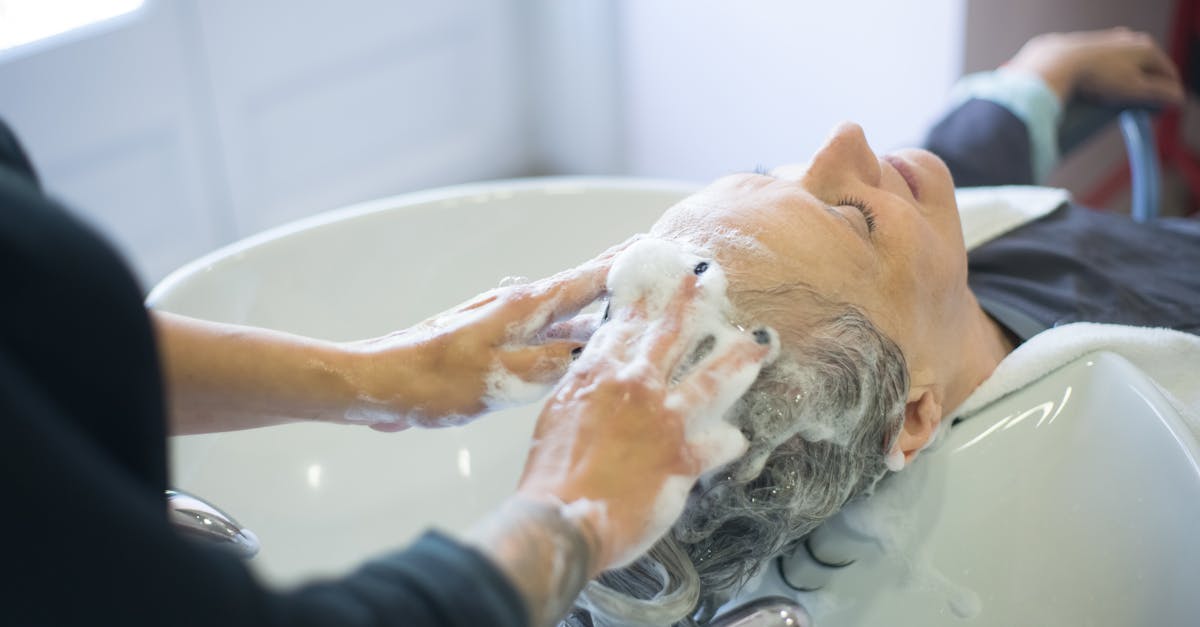
1. Does a sore scalp mean I am about to start going bald?
Not necessarily, but it can be a warning sign. While tension headaches are the most common cause, trichodynia (scalp pain) is frequently linked to episodes of active hair shedding (telogen effluvium) caused by stress, illness, or hormonal changes.
2. Why does my scalp hurt the most when I take my hair down at night?
Wearing a tight hairstyle physically strains the hair roots and compresses the blood vessels. When you take the hair down, the sudden rush of blood back into the oxygen-starved follicles creates a throbbing, aching sensation known as reperfusion pain.
3. Will washing my hair more often help the soreness?
If the soreness is caused by a buildup of oil and yeast (folliculitis), washing more frequently with a medicated shampoo will help. If the pain is caused by dry skin or chemical sensitivity, washing more often will strip the protective oils and make the burning worse.
4. Can sunburn cause my crown to feel sore like a bruise?
Yes. The skin at the crown is often directly exposed to ultraviolet radiation, especially if the hair is thinning. Scalp sunburns cause severe, deep tissue inflammation that feels exactly like a tender, bruised muscle for several days.
5. How long should I wait before seeing a doctor for scalp pain?
If the soreness is accompanied by sudden, patchy hair loss, crusting sores, or severe shooting nerve pain from the neck, you should see a dermatologist or physician immediately. If it feels like simple tension, try massage and rest for a week before seeking care.
17. Bibliography
Disclaimer: The content is for informational purposes only and does not replace medical advice. Always consult your doctor for personalized treatment.