1. Introduction
Scalp tenderness and itching after consecutive uses of dry shampoo are primarily caused by the accumulation of absorptive powders and propellants that occlude the hair follicles, disrupt the natural sebum balance, and trigger localized contact dermatitis. Dry shampoo does not cleanse the scalp; it deposits microscopic particles that soak up surface oils. When applied repeatedly without a wet wash, these chemical particles combine with dead skin cells and stale sebum to create a rigid, inflammatory paste that suffocates the epidermal barrier and irritates the highly innervated hair roots. Understanding the physiological impact of these topical products is essential for maintaining a healthy scalp microbiome.
2. The Anatomy and Physiology of the Scalp
The scalp is a specialized region of skin featuring a high density of terminal hair follicles and large, highly active sebaceous glands. These glands secrete sebum, a lipid-rich oil that naturally moisturizes the hair shaft and maintains the slightly acidic pH of the scalp barrier.
The scalp is also richly innervated with sensory nerve endings wrapping around the base of every hair follicle. These nerves are acutely sensitive to physical pressure, chemical irritation, and tension.
A healthy scalp relies on continuous cellular turnover, where dead epidermal cells are shed and washed away. Any disruption to this shedding process or the natural lipid barrier immediately compromises the structural integrity of the skin.
3. How Dry Shampoo Formulations Work
Dry shampoo is fundamentally a cosmetic absorption product, not a cleansing agent. The active ingredients are typically fine starches (like aluminum starch octenylsuccinate, rice, or corn starch) or clays (like kaolin).
When sprayed onto the roots, these microscopic particles act like tiny sponges, soaking up the excess sebum that makes hair look greasy. Aerosol formulas also contain volatile propellants like butane or propane, and frequently include added fragrances and preservatives.
While the hair appears cosmetically cleaner because the oil is absorbed, the sebum, the starch particles, and the environmental dirt remain physically trapped against the scalp skin.
4. Accumulation and Follicular Occlusion
Using dry shampoo once leaves a thin layer of particulate matter. Using it twice or multiple days in a row leads to significant product buildup. The starch and oil mixture hardens, forming microscopic occlusive plugs at the opening of each hair follicle.
Follicular occlusion traps dead skin cells and sweat beneath the surface. The follicle cannot breathe, and the natural flow of sebum is blocked.
This physical blockage creates immediate mechanical pressure within the hair follicle. The sensory nerves surrounding the hair root detect this pressure, transmitting a deep, aching tenderness that makes the scalp feel bruised even when lightly touched.
5. Disruption of the Scalp Microbiome
The human scalp hosts a delicate ecosystem of bacteria and fungi, most notably the *Malassezia* yeast species. This microbiome thrives in balance with the natural sebum production.
Dry shampoo drastically alters this environment. The thick layer of starch and trapped oil creates a dark, occluded, and lipid-rich breeding ground. This environment encourages the rapid overgrowth of *Malassezia* yeast.
As the yeast proliferates, it digests the trapped sebum and excretes free fatty acids, specifically oleic acid. Oleic acid is highly irritating to the epidermal cells of the scalp, directly provoking an intense inflammatory response and severe pruritus (itching).
6. Contact Dermatitis and Allergic Reactions
Many commercial dry shampoos contain synthetic fragrances, masking agents, and preservatives (like phenoxyethanol or parabens) to keep the product stable and smelling fresh.
Applying these chemicals directly to the scalp and leaving them there for days drastically increases the risk of irritant or allergic contact dermatitis. The immune system identifies the prolonged chemical exposure as a threat.
Immune cells in the skin release histamines, causing localized vasodilation. The scalp becomes red, inflamed, and intensely itchy. The tenderness is a direct result of this acute inflammatory cascade sensitizing the regional nerve endings.
7. Desiccation of the Epidermal Barrier
While dry shampoo absorbs excess surface oil, it can also pull moisture out of the epidermal cells themselves. Aerosol propellants are particularly drying to the skin barrier.
When the outer layer of the skin, the stratum corneum, becomes dehydrated, it loses its protective flexibility. Micro-cracks form in the skin surface, allowing environmental allergens and the dry shampoo chemicals to penetrate deeper into the dermis.
This desiccation causes the scalp to feel tight, dry, and distinctly uncomfortable. The body responds to the compromised barrier by shedding cells rapidly, presenting as fine, white, powdery flakes that are often mistaken for traditional dandruff.
8. Mechanical Irritation and Scalp Pruritus
The physical presence of gritty starch particles rubbed into the scalp creates mechanical friction. As you move your head, sleep on a pillow, or brush your hair, these particles grind against the epidermal surface.
This constant, low-level physical abrasion irritates the superficial nerve endings, triggering the itch reflex. The natural response to an itch is to scratch, but scratching an occluded, chemically irritated scalp further damages the fragile skin barrier.
Scratching introduces bacteria from the fingernails into the micro-tears in the scalp, potentially converting a sterile contact dermatitis into a secondary bacterial infection.
9. Seborrheic Dermatitis Exacerbation
Individuals who already suffer from mild seborrheic dermatitis are particularly vulnerable to dry shampoo misuse. This condition is characterized by an exaggerated inflammatory response to normal scalp yeast.
The thick, oily paste created by multiple applications of dry shampoo traps heat and moisture, perfectly mimicking the conditions that trigger a severe seborrheic flare-up.
The scalp develops thick, yellowish, greasy scales that adhere tightly to the hair shafts. The inflammation associated with a flare-up causes profound throbbing tenderness and relentless itching that standard washing may struggle to immediately resolve.
10. Traction Alopecia and Hair Root Stress
When product builds up at the roots, the hair shafts become stiff and stick together. The natural flexibility of the hair is lost.
Because the hair cannot move freely, normal actions like tying the hair back, brushing, or even resting the head on a pillow place unnatural mechanical torque directly on the hair root.
This localized traction pulls on the inflamed, tender follicle. Continuous stress on the hair root not only exacerbates the bruised feeling on the scalp but can eventually lead to premature hair shedding, a condition related to traction alopecia.
11. Inflammatory Response of the Hair Follicle
If the follicular occlusion is severe enough, the hair follicle itself becomes inflamed, a condition known as folliculitis. The trapped sebum and bacteria provoke an immune attack deep within the pore.
Folliculitis presents as small, tender, red bumps or pustules scattered across the scalp, often located exactly where the dry shampoo was concentrated.
The inflammation surrounds the sensory nerves at the base of the follicle, transforming the generalized scalp itch into a sharp, focal pain whenever the hair is moved or touched.
12. Diagnostic Assessment of Scalp Inflammation
Evaluating a tender, itchy scalp requires distinguishing between product buildup, allergic reactions, and underlying dermatological conditions. A clinical inspection assesses the scalp for erythema, scaling, and the presence of pustules.
| Clinical Presentation | Characteristics | Probable Cause |
|---|---|---|
| Redness, intense itch, distinct rash where sprayed. | Occurs shortly after application. | Contact Dermatitis (Allergic/Irritant). |
| Dull ache, bruised feeling when hair moves, powdery flakes. | Occurs after multiple days of use. | Follicular occlusion and desiccation. |
| Yellowish, greasy scales, severe throbbing itch. | History of dandruff. | Seborrheic Dermatitis flare-up. |
13. Detoxifying the Scalp and Restoring Balance
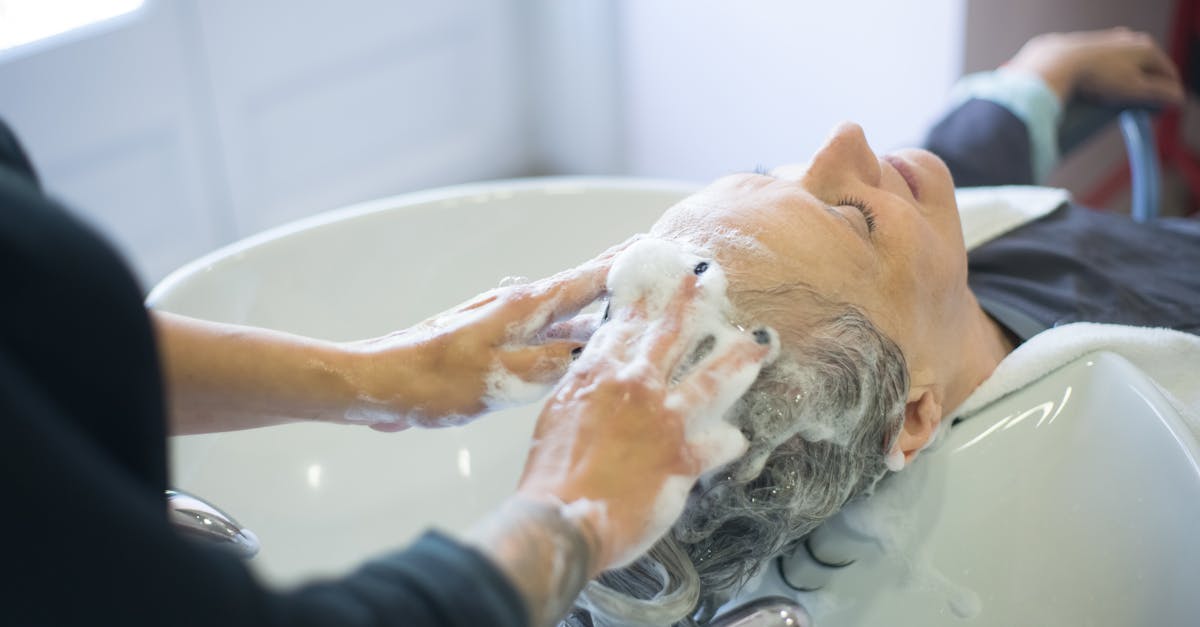
The immediate intervention for a tender, product-laden scalp is a thorough wet wash. Standard mild shampoos may not contain enough surfactants to break down the hardened starch-sebum matrix.
A clarifying shampoo containing stronger cleansing agents or salicylic acid is often required to dissolve the follicular plugs and sweep away the chemical residue.
Gently massaging the scalp with the fingertips (not nails) during the wash stimulates capillary blood flow, which helps carry away inflammatory mediators and provides fresh nutrients to the distressed hair roots.
14. Proper Application Techniques
If dry shampoo is used, proper technique minimizes physiological damage. It should only be applied to dry hair, holding the canister at least six to eight inches away from the head to prevent a concentrated blast of freezing propellants and chemicals from hitting a single spot of skin.
The product should be applied sparingly to the roots, allowed to sit for a minute to absorb the oil, and then vigorously brushed out. Brushing removes the bulk of the starch particles and prevents them from settling into the follicular openings.
Crucially, dry shampoo should be considered a temporary aesthetic fix for a single day, not a replacement for traditional hygiene. It should never be applied on consecutive days without a wet wash in between.
15. When to Consult a Dermatologist
While most dry shampoo irritation resolves after a thorough clarifying wash, persistent symptoms require medical attention. If the scalp remains red, swollen, or weeping fluid, severe allergic contact dermatitis has likely occurred, requiring prescription topical corticosteroids to suppress the immune response.
Consultation is necessary if the scalp develops painful, pus-filled bumps that do not drain, indicating a bacterial folliculitis that may require topical or oral antibiotics.
Furthermore, if the inflammation leads to noticeable, sudden hair loss, a dermatologist must evaluate the scalp to prevent permanent damage to the hair follicles.
16. Frequently Asked Questions (FAQ)
1. Can dry shampoo actually cause my hair to fall out?
Prolonged, severe misuse can contribute to hair loss. If the follicles become chronically blocked and inflamed, the healthy growth cycle is disrupted. Additionally, the stiff, product-coated hair is prone to mechanical breakage when brushed.
2. Are non-aerosol dry shampoo powders safer for the scalp?
Powders avoid the harsh, drying chemical propellants found in aerosols, which reduces chemical desiccation. However, the fine powders still absorb oil and can still cause physical follicular occlusion and yeast overgrowth if left on the scalp for multiple days.
3. Why does my scalp hurt more when I move my hair?
When the follicles are swollen from chemical irritation and blocked by product, the skin around the hair root is highly inflamed. Moving the hair shaft acts like a lever, pressing directly against the inflamed nerves at the root, causing a sharp, bruised pain.
4. Is there a natural alternative that won’t cause itching?
Some individuals use arrowroot powder or cornstarch mixed with cocoa powder for dark hair. While these avoid synthetic fragrances and propellants, they still function by occluding the skin and trapping sebum, meaning they must still be washed out promptly to avoid itching.
5. How often can I safely use dry shampoo?
Dermatologists generally recommend limiting use to one or maximum two days a week. It should be used to extend the time between washes by a single day, followed strictly by a wet shampoo to cleanse the scalp and restore the natural epidermal barrier.
17. Bibliography
Disclaimer: The content is for informational purposes only and does not replace medical advice. Always consult your doctor for personalized treatment.