1. Introduction & Mechanism of Action of Sierra Soft Antibacterial Wash
Sierra Soft Antibacterial Wash utilizes chloroxylenol as its active antimicrobial agent to aggressively reduce potentially harmful bacteria and selected fungi on human skin. The primary adverse reaction reported by frequent users of this medicated wash is localized cutaneous dehydration or mild contact dermatitis.
Chloroxylenol functions as a broad-spectrum halogenated phenol antiseptic. Its chemical structure allows it to efficiently disrupt the lipid bilayer of microbial cell membranes. Upon contact, the compound intercalates into the bacterial membrane, causing structural instability. This leads to the rapid leakage of vital intracellular components and an immediate collapse of the microbial trans-membrane potential.
At higher localized concentrations, the active ingredient penetrates the bacterial cytoplasm and directly denatures essential structural proteins and metabolic enzymes. This dual mechanism ensures rapid bactericidal activity against a wide array of Gram-positive organisms and selected Gram-negative pathogens. The formulation is specifically designed to maximize topical residence time during the washing process while minimizing systemic penetration through the human epidermis.
2. Warnings & Before Taking Sierra Soft Antibacterial Wash
Prior to integrating this medicated wash into a daily hygiene routine, individuals must evaluate their dermatological history. Sierra Soft Antibacterial Wash is intended exclusively for external, topical application on intact skin. It must never be swallowed or utilized as a mucosal cleansing agent.
Individuals suffering from severe, uncontrolled eczema, active psoriasis flares, or broadly compromised epidermal barriers should exercise extreme caution. Applying a potent halogenated phenol to visibly broken, deeply fissured, or intensely inflamed skin bypassing the natural stratum corneum barrier can induce acute stinging and vastly increase the potential for unwanted systemic absorption.
Furthermore, patients with a documented clinical allergy to halogenated phenols or any secondary excipients within the wash formulation must avoid this product entirely. If a patient is uncertain about potential hypersensitivity, performing a localized patch test on the volar forearm for twenty-four hours is a prudent clinical step before initiating widespread daily usage.
3. Indications & Dosage Guide for Sierra Soft Antibacterial Wash
Sierra Soft Antibacterial Wash is medically indicated for routine antiseptic handwashing to decrease the transient bacterial load on the epidermis. It is frequently employed in household environments, food preparation areas, and clinical settings where mitigating cross-contamination is a primary objective.
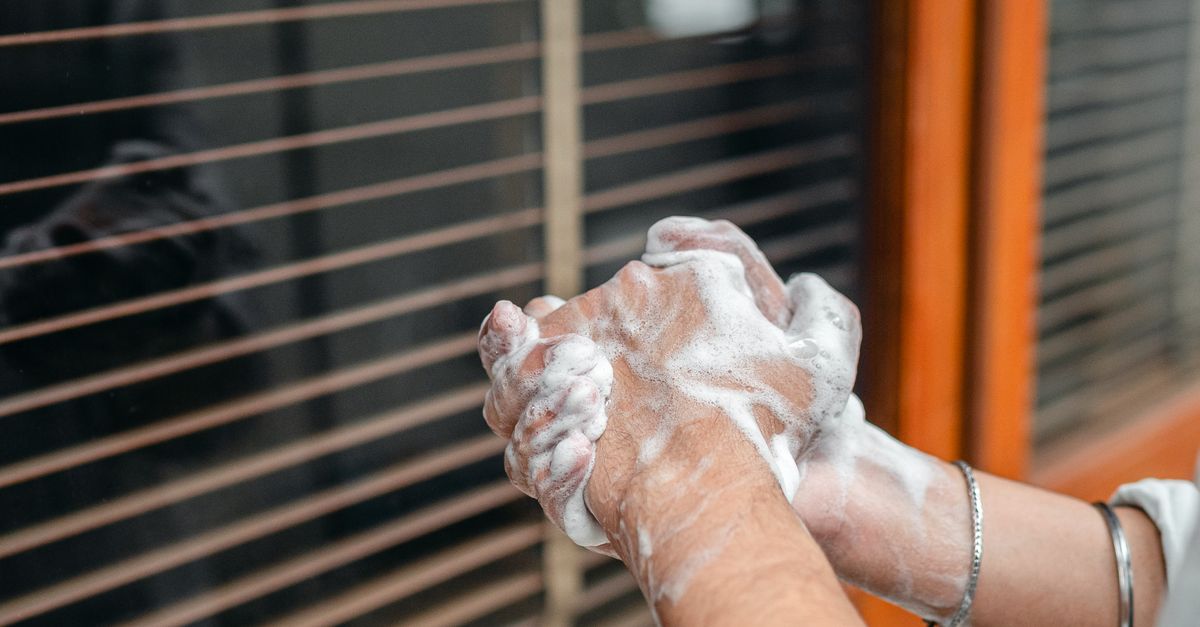
The standard application protocol involves wetting the hands thoroughly with clean water, dispensing a sufficient volume of the liquid wash into the palms, and generating a rich lather. The mechanical action of scrubbing must be maintained for a minimum of twenty to thirty seconds. This friction ensures the chloroxylenol molecules make adequate contact with microbes hidden within the microscopic folds and crevices of the skin.
Following the active scrubbing phase, the hands must be completely rinsed under running water. Leaving residual medicated soap on the skin surface dramatically increases the probability of contact irritation. The wash may be used repeatedly throughout the day as dictated by hygiene requirements, provided the user monitors their hands for signs of excessive dryness.
4. In-Depth Side Effects Analysis of Sierra Soft Antibacterial Wash
The pharmacological profile of chloroxylenol is generally highly favorable for topical use. However, because its mechanism involves lipid disruption, the formulation inadvertently strips natural protective sebum from the human epidermis alongside destroying bacterial membranes.
Common Side Effects
The most prevalent adverse effects are entirely dermatological. Frequent handwashing with this antiseptic frequently induces cumulative epidermal dehydration, superficial skin tightness, and mild localized scaling. Users may also experience transient erythema immediately following vigorous scrubbing with hot water.
Serious Side Effects You Should Report
Should the skin develop painful, deep fissures accompanied by weeping serous fluid, medical evaluation is required. This presentation signifies severe allergic contact dermatitis or chemical degradation of the skin barrier. Accidental mucosal exposure, particularly to the eyes, can trigger acute chemical conjunctivitis characterized by extreme pain, photophobia, and profuse tearing.
Rare Side Effects
In exceedingly rare instances, typically involving application over massive areas of severely damaged skin, trace amounts of chloroxylenol might be absorbed systemically. Theoretical risks of such exposure include subtle neurotoxicity or hepatic strain, though this is virtually undocumented in standard, recommended hygienic applications.
Side Effects That Usually Do Not Require Medical Attention
Mild, transient pruritus occurring briefly after washing and drying the hands is a common, non-threatening response. This minor sensory disruption is easily mitigated by the prompt application of a non-medicated, emollient-rich hand cream to restore the superficial lipid barrier.
| Side Effect Category | Specific Symptoms |
|---|---|
| Dermatological | Skin dryness, peeling, mild redness, transient pruritus |
| Hypersensitivity | Severe contact dermatitis, deep painful fissures, vesicular rash |
| Ocular Exposure | Acute conjunctival injection, chemical burning, photophobia |
| Systemic | Unlikely unless ingested or applied to massive open wounds |
5. Overdose Symptoms & Management for Sierra Soft Antibacterial Wash
In the context of topical application, traditional pharmacological overdose is practically impossible. Excessive use simply manifests as exaggerated local toxicity, resulting in severe desquamation, painful cracking of the stratum corneum, and localized inflammatory responses due to complete loss of protective skin lipids.
A critical emergency arises only upon accidental or intentional oral ingestion of the product. Swallowing significant volumes of chloroxylenol-based solutions results in immediate, caustic irritation of the oropharyngeal mucosa and esophagus. Symptoms include intense burning in the throat, severe nausea, forceful emesis, and potentially profound central nervous system depression.
In the event of ingestion, vomiting should not be medically induced, as the foaming agents and the chemical nature of the antiseptic can cause secondary aspiration pneumonitis. Emergency medical personnel will prioritize airway management, supportive fluid therapy, and potentially gastric lavage if the ingested volume is substantial and the patient presents rapidly to an emergency facility.
6. Missed Dose & What to Avoid While Using Sierra Soft Antibacterial Wash
As an environmental and personal hygiene product, Sierra Soft Antibacterial Wash operates purely on an as-needed basis. The concept of a missed dose does not apply. Users engage the product specifically when microbial contamination is suspected or logically anticipated based on daily activities.
While utilizing this medicated wash regularly, individuals should avoid washing their hands with excessively hot water. Elevated water temperatures accelerate the stripping of natural dermal lipids, exacerbating the drying effects of the halogenated phenol. Lukewarm water is therapeutically optimal for maintaining skin integrity while facilitating lather formation.
Furthermore, users should refrain from immediately applying highly concentrated astringents or alcohol-based toners to hands freshly washed with this product. Combining multiple lipid-stripping agents sequentially will rapidly degrade the epidermal barrier, increasing susceptibility to the exact pathogens the wash is intended to repel.
7. Drug & Alcohol Interactions with Sierra Soft Antibacterial Wash
Due to the lack of meaningful systemic absorption when used correctly on intact skin, Sierra Soft Antibacterial Wash does not engage in pharmacokinetic interactions with orally or intravenously administered medications. Hepatic enzymes and renal clearance pathways remain entirely unaffected by routine handwashing.
Topical interactions, however, form a crucial component of patient education. Using chloroxylenol concomitantly with other aggressive topical agents, such as prescription-strength acne medications, highly concentrated salicylic acid, or heavy-duty industrial hand cleaners, will produce an additive irritant effect. This combined dermal assault forces the skin into a state of chronic inflammation.
There are no physiological contraindications regarding the consumption of alcoholic beverages while utilizing this topical antiseptic. Systemic ethanol does not alter the localized bactericidal efficacy of the active ingredient on the epidermal surface.
8. Precautions, Safety & Duration of Action of Sierra Soft Antibacterial Wash
The duration of antimicrobial action is strictly transient. The bactericidal effect persists only during the physical washing process and the immediate moments following. Once the hands are rinsed and dried, the product leaves minimal persistent residual activity, meaning recontamination can occur immediately upon touching a non-sterile surface.
Special precautions are advised when establishing hygiene routines for young infants. The delicate epidermal structure of infants is highly permeable and prone to rapid dehydration. Unless explicitly advised by a pediatrician for a specific medical reason, routine, frequent washing of an infant’s skin with potent antiseptics like chloroxylenol is generally discouraged in favor of milder, non-medicated cleansers.
For pregnant and nursing individuals, standard topical use for routine hand hygiene is widely considered safe within clinical guidelines. The negligible systemic absorption ensures that fetal exposure or transfer into breast milk is not a practical clinical concern when the product is utilized exclusively for external handwashing.
9. How to Stop Taking Sierra Soft Antibacterial Wash & Storage/Disposal Guidelines
Transitioning away from Sierra Soft Antibacterial Wash requires no medical tapering protocol. Users can abruptly switch to a non-medicated cosmetic soap or another alternative hygiene regimen without experiencing any form of localized or systemic withdrawal symptoms.
To preserve the chemical stability of the active ingredient, the product must be stored at controlled room temperature. The container should be kept away from direct, prolonged exposure to intense sunlight or excessive ambient heat, which could alter the viscosity of the liquid base and potentially degrade the antiseptic compound over time.
Disposal of empty or partially filled containers should be handled responsibly. Massive volumes of undiluted antibacterial soaps should not be poured directly into fragile municipal water systems or local storm drains due to potential environmental toxicity to aquatic microorganisms. Routine household disposal of standard-sized containers in accordance with local municipal solid waste regulations is appropriate.
10. When to See a Doctor Regarding Sierra Soft Antibacterial Wash
Consulting a medical professional is necessary if the use of the wash precipitates severe, unmanageable dermatological reactions. If the hands develop deep, bleeding fissures, aggressive swelling, or persistent vesicular eruptions that do not resolve upon discontinuing the product, a physician must assess the skin for severe allergic contact dermatitis or a superimposed bacterial infection.
Accidental exposure to the ocular mucosa demands immediate action. If prolonged flushing with tepid water does not eliminate extreme pain, visual blurring, or severe redness, the patient requires an urgent evaluation by an ophthalmologist or an emergency room physician to rule out corneal abrasion or chemical keratopathy.
Patients who find themselves trapped in a cycle of compulsive over-washing, resulting in severe tissue damage, may require referral to a mental health specialist. In such cases, treating the underlying psychological compulsion is as critical as managing the localized tissue trauma, similar to the multidisciplinary approach required for treating conditions that lead to severe skin excoriations, as detailed in our broader dermatological reviews of fluoxetine applications in obsessive-compulsive disorders.
Frequently Asked Questions (FAQ)
1. How long should I scrub my hands with this wash?
To achieve maximum antimicrobial efficacy, you should scrub vigorously for twenty to thirty seconds. This allows enough time for the chloroxylenol to break down the bacterial cell walls.
2. Can I use this product as a daily body wash in the shower?
It is primarily formulated and indicated for hand hygiene. Using it over the entire body on a daily basis is strongly discouraged, as it will rapidly deplete your skin’s natural oils and lead to widespread, severe dry skin.
3. Does Sierra Soft Antibacterial Wash kill viruses like the flu?
Chloroxylenol is primarily an antibacterial and antifungal agent. While the mechanical action of handwashing removes viral particles physically, it is generally less effective at chemically neutralizing certain non-enveloped viruses compared to high-concentration alcohol sanitizers.
4. Why do my hands feel tight and itchy after using it?
The active ingredient destroys the lipid membranes of bacteria, but the formulation also strips away the natural protective lipids on your own skin. This lack of moisture causes the skin to contract and feel tight or pruritic.
5. Is it safe to apply hand lotion immediately after washing?
Yes, applying a non-medicated, highly moisturizing hand cream immediately after completely drying your hands is an excellent clinical strategy to rebuild the compromised skin barrier and prevent long-term irritation.
6. What should I do if my child swallows a pump of the soap?
Do not induce vomiting, as the soapy foam can be accidentally inhaled into the lungs. Contact a local poison control center or seek emergency medical evaluation immediately to ensure airway safety.
7. Does this product expire?
Yes, like all medicated formulations, it has a documented shelf life. You should check the packaging for an expiration date, as the active ingredient may slowly degrade over time, leading to reduced antimicrobial effectiveness.
Bibliography
Disclaimer: The content is for informational purposes only and does not replace medical advice. Always consult your doctor or pharmacist for personalized treatment.