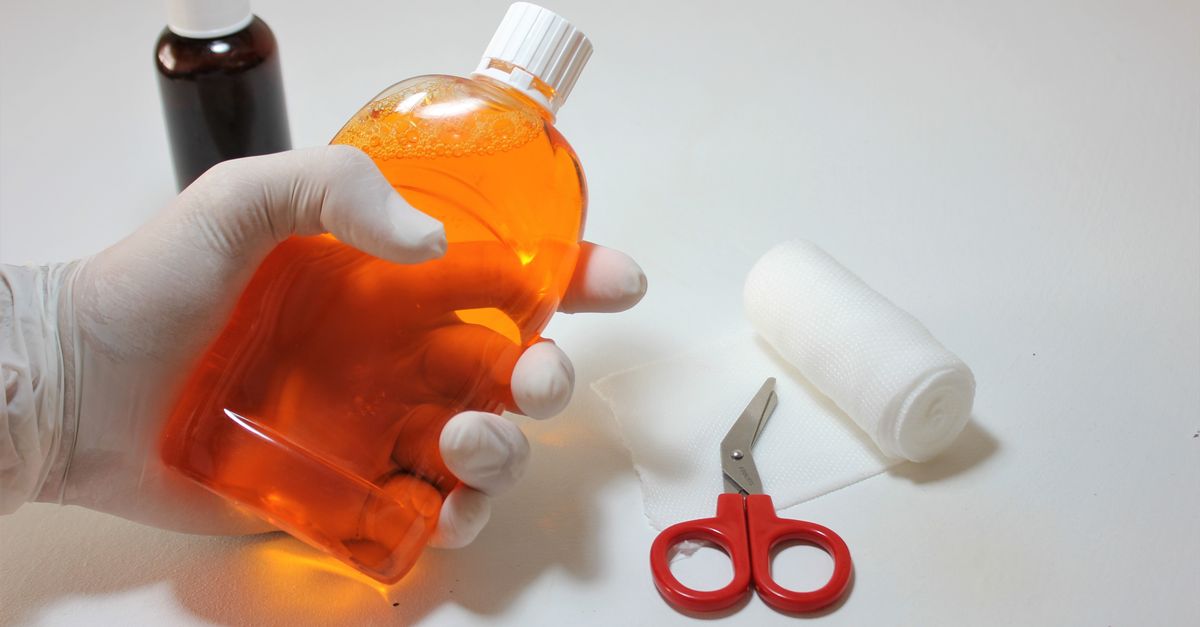
Chemstation Q E2 operates as an advanced antibacterial skin cleanser utilizing benzalkonium chloride to effectively neutralize environmental pathogens. The most prominent side effect encountered by frequent users is the gradual degradation of the epidermal moisture barrier, resulting in significant localized cutaneous dryness and redness.
1. Introduction & Mechanism of Action of Chemstation Q E2
Benzalkonium chloride represents a widely utilized class of synthetic antimicrobials designated as quaternary ammonium compounds. These molecules possess a highly specialized cationic structure that naturally gravitates toward the negatively charged outer membranes of pathogenic microbes residing on the skin surface.
Upon successful binding, the agent behaves as a profound chemical surfactant. It vigorously disrupts the lipid and protein structures comprising the microbial cell envelope. This lethal structural destabilization causes the pathogen to rapidly leak vital intracellular components, definitively halting cellular respiration and metabolic function. This topical destruction prevents the onward transmission of infectious agents without the need for systemic drug administration.
2. Warnings & Before Utilizing Benzalkonium Chloride Cleansers
Applying this potent antibacterial formulation to deeply ulcerated skin, profound puncture wounds, or actively hemorrhaging lacerations is strictly prohibited. Forcing active quaternary ammonium compounds into exposed vascular tissue induces severe localized cellular toxicity, markedly impairing the generation of new granulation tissue required for physiological healing.
Individuals employing this cleanser must exercise stringent caution to prevent any accidental exposure to the ocular structures. Direct contact between the active surfactant and the corneal epithelium precipitates immediate protein coagulation, resulting in severe, agonizing pain and the high potential for permanent structural damage if not aggressively irrigated.
3. Indications & Dosage Guide for Chemstation Q E2
This specialized antiseptic wash is clinically indicated for the rigorous reduction of transient pathogenic flora on the hands, particularly in high-volume public, industrial, or clinical settings where infection control is an absolute priority. It provides a robust alternative to standard soaps by actively destroying pathogens rather than merely mechanically displacing them.
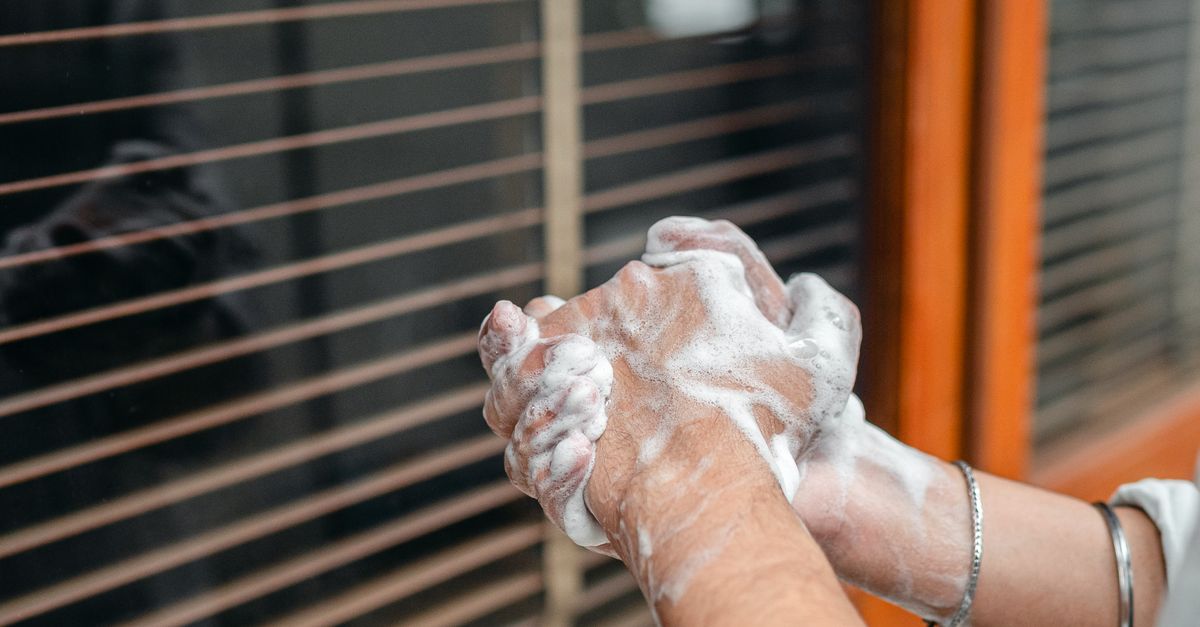
Proper utilization requires wetting the hands with clean water, applying a sufficient dose of the antibacterial liquid, and engaging in vigorous mechanical friction across all epidermal surfaces for a minimum of twenty seconds. The user must then rinse the skin entirely with flowing water to ensure all disrupted microbial fragments and residual chemical agents are safely flushed away.
4. In-Depth Side Effects Analysis of Benzalkonium Chloride
While highly effective against microbial life, the inherent lipid-dissolving characteristics of the active ingredient routinely provoke localized dermatological adverse events over time.
Common Side Effects
The absolute most commonly reported issue is substantial localized xerosis, presenting as tight, visibly dehydrated skin. Frequent users regularly experience mild to moderate epidermal erythema and localized scaling, directly correlated with the progressive stripping of the natural protective sebum layer.
Serious Side Effects You Should Report
Patients must immediately report the development of deep, agonizing fissures that bleed, or the rapid formation of weeping blisters across the hands. These clinical signs indicate a severe breakdown of the stratum corneum. Furthermore, the abrupt onset of profound facial swelling or widespread urticaria demands immediate medical intervention to manage a systemic anaphylactic response.
Rare Side Effects
Prolonged, uninterrupted exposure in susceptible individuals can precipitate severe irritant contact dermatitis, eventually resulting in chronic localized inflammation and profound skin thickening. Exceedingly rare cases of localized hypopigmentation have been documented following chronic exposure to specific quaternary ammonium compounds.
Side Effects That Usually Do Not Require Medical Attention
A fleeting sensation of mild stinging exactly upon contact with microscopic abrasions or freshly manicured cuticles is an expected physiological reaction. A temporary sensation of dermal tightness immediately following the rinsing process is a standard physical consequence of moisture evaporation.
| Side Effect Category | Specific Symptoms |
|---|---|
| Dermatological | Significant dryness, mild erythema, superficial scaling |
| Immunological | Severe contact dermatitis, spreading urticaria, blistering |
| Sensory | Transient stinging on abrasions, brief cutaneous tightness |
5. Overdose Risks with Chemstation Q E2
Topical overdose is virtually inconceivable when the product is applied strictly to an intact epidermal barrier, as the considerable molecular weight of the active compound severely limits transdermal absorption. Overuse simply magnifies the risk of profound localized skin desiccation rather than inducing systemic poisoning.
Accidental or intentional oral ingestion represents a critical, life-threatening toxicological emergency. Swallowing the concentrated chemical wash rapidly induces severe caustic burns to the esophageal and gastric mucosa, presenting with intractable emesis, profound abdominal pain, and potential cardiovascular collapse. Immediate emergency transport is mandatory.
6. Missed Dose & What to Avoid While Using Benzalkonium Chloride
As a strictly preventative, event-driven hygiene protocol, the concept of a missed dose does not apply. The user merely initiates the hand-washing procedure subsequent to potential pathogen exposure to maintain adequate personal and environmental safety.
Users must rigorously avoid mixing this antibacterial liquid with traditional anionic detergents or household cleaning agents. The opposing electrical charges of these chemicals will actively bind together, precipitating out of solution and completely neutralizing the antimicrobial efficacy of the entire mixture.
7. Drug Interactions with Chemstation Q E2
Due to the absence of systemic vascular penetration, topical benzalkonium chloride does not interact with orally or intravenously administered medications. Nevertheless, its powerful surfactant properties heavily alter the physical state of the skin surface, complicating the delivery of other topical drugs.
Applying this potent cleanser just prior to utilizing a transdermal hormone patch or a localized pain relief cream can severely impair the absorption kinetics of the prescription medication. Patients must ensure all residual cleanser is thoroughly rinsed away and the skin is fully dry before attempting to apply targeted topical therapeutics.
8. Precautions, Safety & Duration of Action for Antibacterial Washes
Significant precaution is advised when establishing this product for regular use by pediatric populations. The epidermal barrier in young children is notably thinner and dramatically more susceptible to the aggressive, lipid-stripping nature of synthetic antibacterial agents, increasing the risk of severe localized rashes.
The pathogenic destruction occurs rapidly, typically within twenty to thirty seconds of direct physical contact during the washing process. However, the formulation provides absolutely no lasting barrier of protection. The moment the rinsed hands come into contact with a contaminated object, the skin becomes instantly re-colonized.
9. How to Stop Using the Product & Storage Guidelines
Ceasing the use of this specific antimicrobial cleanser requires no medical supervision. If the hands develop painful cracking or severe irritation, the individual should immediately transition to a highly mild, non-medicated hydrating cleanser and diligently apply thick ceramide-based ointments to physically repair the damaged skin barrier.
The product must be securely stored in its original sealed container at a stable room temperature, entirely away from the reach of small children. Exposing the liquid to extreme environmental heat can degrade the chemical stability of the surfactant, potentially diminishing its active antimicrobial properties.
10. When to See a Doctor Regarding Benzalkonium Chloride
Prompt medical evaluation is strongly recommended if the user develops persistent, thick yellow drainage emanating from cracked skin, or if the localized area becomes profoundly hot and painful to the touch, indicating a severe secondary bacterial cellulitis requiring systemic antibiotics.
Emergency medical services must be engaged immediately if any quantity of the concentrated product splashes directly into the eye and the intense burning sensation fails to subside after fifteen consecutive minutes of aggressive flushing with sterile water.
Frequently Asked Questions (FAQ)
1. How is this product different from standard hand soap?
Standard soap merely lifts dirt and bacteria off the skin to be washed down the drain, whereas this specific product contains active chemicals that physically rupture and kill the bacteria on contact.
2. Why do my knuckles crack and bleed after using this all week?
The active ingredient is a powerful chemical surfactant that aggressively dissolves the natural protective oils on your skin, leading to severe dehydration and eventual cracking of the skin surface.
3. Is it safe to use this product to clean my face?
Using this powerful antibacterial wash on the delicate skin of the face is highly discouraged because it will cause severe irritation, profound dryness, and potentially dangerous exposure to the eyes.
4. Can I use this wash on a fresh tattoo to prevent infection?
You must never use strong chemical antiseptics on fresh tattoos or open wounds because they will severely damage the healing tissue and heavily disrupt the natural recovery process.
5. Why does the liquid sting if I have a paper cut?
The potent chemicals immediately bind to the exposed raw tissue and nerve endings inside the cut, which naturally triggers a brief but sharp stinging sensation.
6. Does washing with this product keep germs away for hours?
No, the germ-killing effect ends the moment you rinse your hands; touching a contaminated doorknob immediately afterward will re-infect your skin instantly.
7. What should I do if my child swallows a pump of this soap?
You must immediately contact poison control or emergency services because swallowing this concentrated chemical can cause severe burns to the throat and stomach lining.
Bibliography
Disclaimer: The content is for informational purposes only and does not replace medical advice. Always consult your doctor or pharmacist for personalized treatment.