1. Introduction and Mechanism of Action for Crisp Pear Antibacterial Products
Crisp Pear scented antibacterial hand washes and sanitizers utilize a specialized active ingredient to eliminate surface pathogens. The most prominent side effect is localized skin dryness and potential irritation exacerbated by the added fragrances. These formulations provide a critical tool for maintaining daily hand hygiene and preventing the transmission of infectious agents.
The active pharmacological compound in this product line is benzalkonium chloride, a highly stable quaternary ammonium compound. Functioning as a potent cationic surfactant, the chemical molecule features a positive charge that naturally attracts it to the negatively charged outer membranes of various environmental bacteria and certain enveloped viruses.
Upon binding to the pathogen, the compound aggressively disrupts the structural integrity of the bacterial cell wall and its lipid bilayer. This catastrophic disruption causes the internal cellular contents to leak out, resulting in rapid pathogen death. This mechanism ensures that the treated skin is effectively cleansed of transient microorganisms.
2. Warnings and Before Taking Crisp Pear Antibacterial Products
These scented antibacterial formulations are designed strictly for external, topical application on intact epidermal tissue. They are absolutely contraindicated for application inside deep wounds, severe animal bites, or open thermal burns. Applying a concentrated surfactant and synthetic fragrance to exposed deep tissue can induce severe cellular toxicity and significantly impede natural wound healing.
Individuals diagnosed with severe eczema or known hypersensitivities to synthetic fragrances and quaternary ammonium compounds must exercise extreme caution. Exposure in these patients frequently triggers profound allergic contact dermatitis, leading to intense localized itching, severe redness, and blistering.
Strict care must be taken to prevent any accidental contact with the ocular mucosa. Benzalkonium chloride is a powerful chemical irritant to the eyes. An accidental splash can cause severe stinging, significant conjunctival redness, and potentially severe damage to the corneal surface if not rapidly irrigated.
3. Indications and Dosage Guide for Crisp Pear Antibacterial Products
The primary clinical indication for this product is the routine prophylactic cleansing of the hands to reduce the bacterial load and prevent localized or transmissible infections. It is heavily utilized in daily hygiene routines, especially in environments where exposure to high-touch surfaces is frequent.
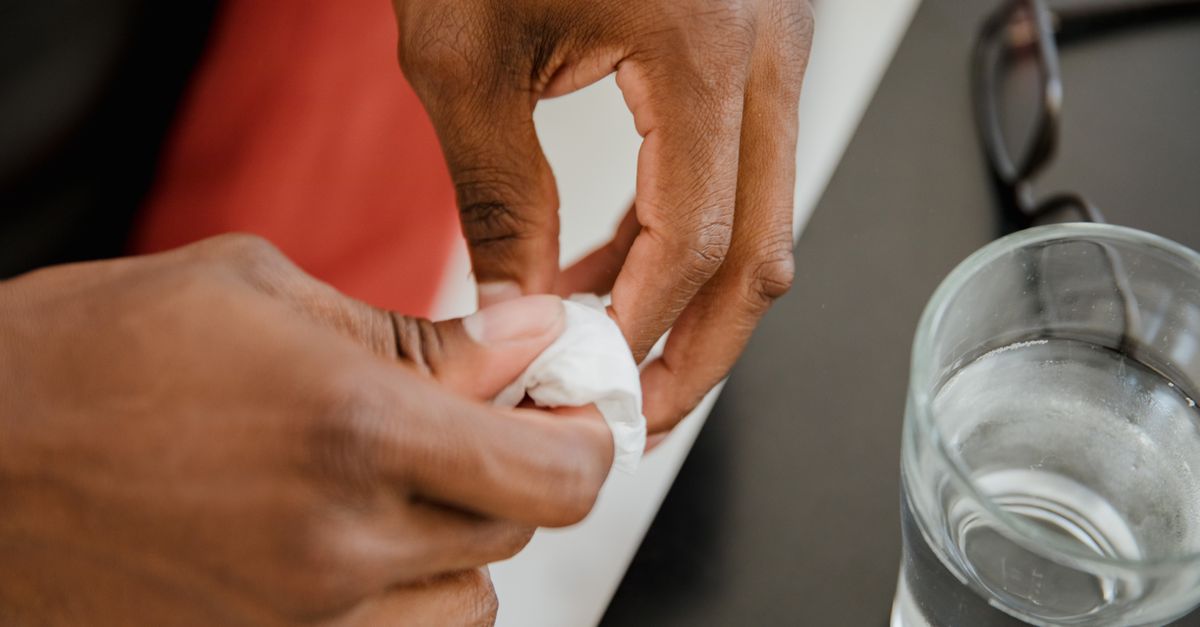
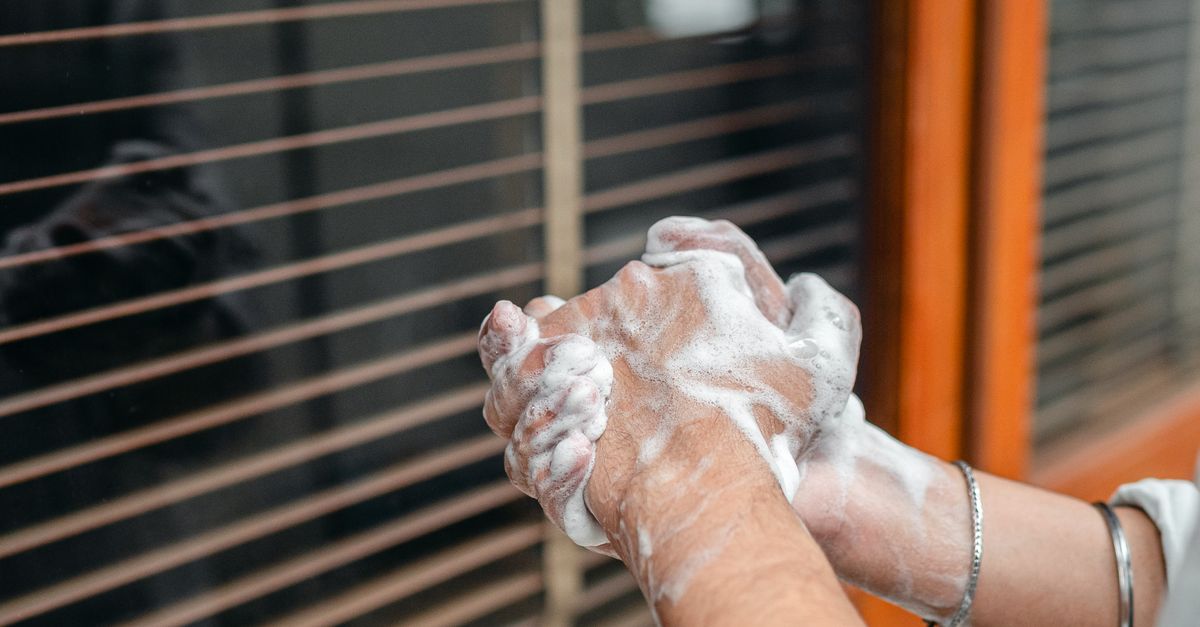
Because this is a topical cosmetic and hygienic intervention, there is no systemic dosage. The standard application protocol involves dispensing a sufficient amount of the foaming or liquid product into the palms, rubbing the hands together briskly to generate a lather and ensure complete coverage, and thoroughly rinsing with clean water.
For non-rinsing sanitizer formulations, the liquid should be rubbed over all surfaces of the hands until completely dry. While these products can be used multiple times a day, excessive, compulsive use should be avoided to prevent severe disruption of the skin’s natural lipid barrier.
4. In-Depth Side Effects Analysis of Crisp Pear Antibacterial Products
While universally utilized, the combination of an active surfactant and synthetic pear fragrance presents specific localized dermatological side effects that require monitoring.
Common Side Effects
The most frequently encountered adverse reaction is temporary skin dryness and mild tightness at the application site. Because the active ingredient is a detergent, it aggressively strips away the natural protective sebum layer. Patients often report mild localized erythema and minor flaking on the knuckles and webbing between the fingers.
Serious Side Effects You Should Report
The sudden development of severe, worsening pain, deep cracking of the skin with associated bleeding, or an expanding red rash requires medical evaluation. This presentation typically signals a severe allergic tissue reaction to either the benzalkonium chloride or the chemical compounds creating the crisp pear scent.
Systemic side effects are practically impossible through routine topical use on intact skin. However, localized tissue necrosis or deep chemical irritation remains a theoretical risk if the product is grossly misused by applying it repeatedly to large areas of severely denuded tissue.
Rare Side Effects
In highly isolated cases, patients develop a chronic, cumulative sensitivity to the compound or the fragrance, leading to persistent, weeping eczematous eruptions exactly where the cleanser is routinely applied. This condition requires complete avoidance of the product.
Side Effects That Usually Do not Require Medical Attention
A brief cooling sensation as the moisture evaporates from the skin is a standard physical reaction. Slight, transient skin tightness immediately after drying is physiologically expected and generally resolves rapidly, especially if a standard hand lotion is applied afterward.
| Side Effect Category | Specific Symptoms |
|---|---|
| Common | Skin dryness, mild erythema, localized flaking |
| Serious | Severe skin cracking, blistering, expanding rash |
| Rare | Chronic weeping eczema |
5. Overdose Symptoms and Management for Crisp Pear Antibacterial Products
Achieving a systemic overdose through the standard topical application of this scented hand wash is physiologically implausible due to the exceptionally poor dermal absorption profile of the chemical. However, accidental ingestion of the liquid presents a severe toxicological emergency.
If the product is ingested, the cationic surfactant and artificial fragrances cause severe chemical irritation to the gastrointestinal mucosa. Clinical symptoms of oral toxicity include severe nausea, profound vomiting, severe abdominal cramping, and potential systemic hypotension.
Emergency management for accidental ingestion involves immediately contacting a poison control center. Inducing vomiting is strictly contraindicated, as the foaming properties of the surfactant can cause severe frothing and a very high risk of lethal pulmonary aspiration. Treatment focuses strictly on supportive care and hydration.
6. Missed Dose and What to Avoid While on Crisp Pear Antibacterial Products
Because this product is utilized strictly on an as-needed basis for daily hygiene, a strict dosing schedule does not exist. If the hands become soiled after an initial wash, the patient should simply repeat the cleansing process to maintain optimal hygiene.
Patients must strictly avoid combining this specific antiseptic with standard anionic soaps. Regular household soap chemically neutralizes the cationic structure of benzalkonium chloride, rendering the antibacterial properties of the product completely ineffective.
Furthermore, patients with active, severe dermatitis should avoid using heavily fragranced products entirely. The synthetic pear scent contains numerous volatile organic compounds that can act as aggressive irritants on compromised skin, significantly worsening the underlying dermatological condition.
7. Drug and Alcohol Interactions with Crisp Pear Antibacterial Products
The localized, topical nature of this antimicrobial agent ensures that it does not enter systemic circulation in clinically relevant quantities. Consequently, there are no known pharmacokinetic interactions between this scented antibacterial wash and oral prescription medications.
Pharmacodynamic interactions are limited strictly to the epidermal surface. Concurrent use of this product alongside specialized dermatological treatments, such as prescription topical steroids or benzoyl peroxide creams, can severely compound epidermal irritation and dry the skin to the point of painful cracking.
Dietary alcohol consumption possesses no chemical interaction with this topically applied product. The internal physiological processing of ethanol occurs entirely independently of the localized cellular environment treated by the hand wash.
8. Precautions, Safety, and Duration of Action for Crisp Pear Antibacterial Products
The antimicrobial duration of action is relatively short. Once the solution has been rinsed away or has dried completely, the residual chemical barrier against environmental pathogens is minimal, necessitating repeated hand washing after touching contaminated surfaces.
For pediatric use, caregivers must supervise the application. Children possess a thinner epidermal layer, increasing the likelihood of localized stinging. Additionally, the pleasant, sweet scent of the product makes it a highly attractive nuisance for young children, drastically increasing the risk of accidental and dangerous ingestion.
The efficacy of the product relies on the correct concentration of the active ingredient. Adding excess water to the pump bottle in an attempt to make the remaining soap last longer lowers the concentration below the necessary threshold to effectively destroy bacterial cell walls.
9. How to Stop Taking Crisp Pear Antibacterial Products and Storage Guidelines
Discontinuation is immediate and requires no tapering protocol once the patient chooses to stop using the product. If severe skin dryness or contact dermatitis has occurred, patients should transition to a gentle, fragrance-free cleanser and apply a thick emollient cream to repair the epidermal barrier.
The product must be stored at a stable room temperature, away from direct heat sources and sunlight. Prolonged exposure to high heat can degrade the chemical structure of the active ingredient and cause the volatile fragrance compounds to evaporate, altering the scent and efficacy of the soap.
Ensure the bottles are securely closed or locked if equipped with a pump mechanism to prevent environmental contamination. Store the products safely out of the reach of very young children to prevent accidental ingestion or ocular exposure.
10. When to See a Doctor Regarding Crisp Pear Antibacterial Products
Medical evaluation is mandatory if a minor cut on the hands cleaned with the product begins to drain purulent fluid, becomes significantly swollen, or radiates severe heat. These are undeniable signs of a secondary bacterial infection requiring systemic oral antibiotics.
Seek immediate dermatological care if a severe, blistering rash develops precisely where the soap was applied and spreads up the wrists. This presentation confirms a severe allergic contact dermatitis requiring complete cessation of the product and potential treatment with topical corticosteroids.
Consult a physician promptly if an accidental splash results in ocular exposure and the severe stinging, redness, or blurred vision does not resolve rapidly after continuously flushing the eye with copious amounts of sterile water for a minimum of fifteen minutes.
Frequently Asked Questions (FAQ)
1. How does this scented soap kill bacteria on my hands?
It contains a specialized chemical detergent that breaks apart the protective outer shell of the bacteria, destroying them upon contact while you wash.
2. Can I use this product to clean a deep cut on my hand?
No. Deep wounds require professional medical cleaning, and introducing artificial fragrances and harsh detergents into deep tissue can cause severe damage.
3. Why does it make my hands feel so dry in the winter?
The active ingredient is a surfactant that strips away both bacteria and the natural, protective oils on your skin, leading to severe dryness with repeated use.
4. Is it safe to wash my face with this product?
It is highly discouraged. The skin on the face is delicate, and the synthetic fragrances and harsh antibacterial chemicals can cause severe facial irritation and eye pain.
5. Does this product contain drying alcohol?
This specific formulation relies on benzalkonium chloride rather than standard rubbing alcohol, though the detergent action still causes significant skin dryness.
6. Can I use this to clean my kitchen counters?
While the active ingredient kills bacteria, cosmetic hand washes contain moisturizers and fragrances that will leave a sticky, soapy residue on hard surfaces.
7. How long do my hands stay clean after using this?
The area remains disinfected only temporarily. Your hands can easily become recontaminated the very moment you touch a non-sterile surface like a doorknob.
8. What should I do if my toddler drinks some of the soap?
Do not induce vomiting due to the foaming action. Rinse the child’s mouth with water and contact a poison control center immediately for further instructions.
9. Can I use regular soap right before using this product?
You must rinse any regular soap completely off your hands first, as common soap chemically neutralizes the active antibacterial ingredient in this specific product.
10. Will the crisp pear scent cause an allergic reaction?
Synthetic fragrances are a very common cause of contact dermatitis. If your hands become red and itchy after use, you may be allergic to the fragrance compounds.
Bibliography
Disclaimer: The content is for informational purposes only and does not replace medical advice. Always consult your doctor or pharmacist for personalized treatment.