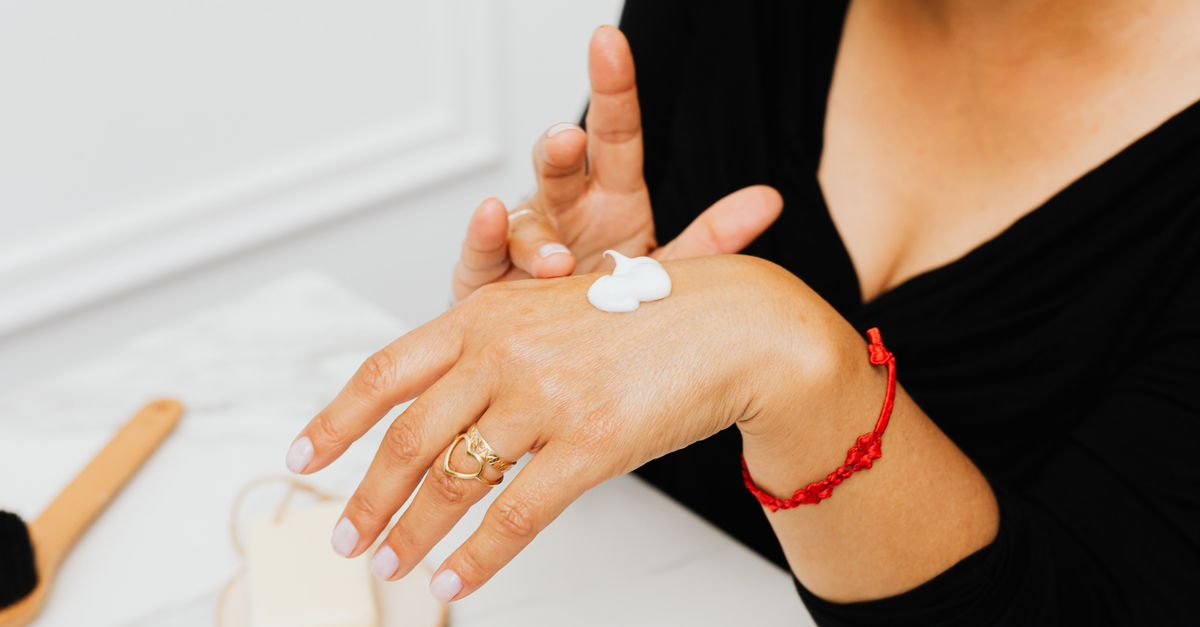
Avance Aloe Incontinence Care is a topical skin protectant utilizing dimethicone 350 to form a breathable hydrophobic barrier over compromised perineal tissues. The most notable side effect involves mild localized follicular occlusion which can occasionally lead to minor benign skin congestion if the barrier is applied excessively without proper routine cleansing.
1. Introduction and Mechanism of Action of Avance Aloe Incontinence Care
This dermatological barrier cream relies on dimethicone 350 a highly refined silicone-based polymer broadly recognized in clinical dermatology for its remarkable protective properties. The formulation is frequently enhanced with aloe vera to provide supplemental soothing moisture to highly irritated cutaneous tissues.
The pharmacological mechanism of action is entirely physical and non-systemic. Dimethicone remains entirely on the surface of the stratum corneum forming a robust semi-permeable lipid shield. This hydrophobic barrier actively repels water-based biological irritants such as urine and liquid feces preventing them from macerating the fragile epidermal cells. Crucially unlike highly occlusive heavy ointments dimethicone allows the skin to transpire effectively preventing the dangerous accumulation of local thermal heat and deep tissue maceration.
2. Warnings and Prerequisites Before Taking Avance Aloe Incontinence Care
Prior to initiating topical therapy caregivers must carefully assess the overall physical integrity of the patient epidermal barrier. This skin protectant is strictly indicated for application on intact or mildly excoriated skin suffering from incontinence-associated dermatitis. It is definitively contraindicated for application inside deep puncture wounds third-degree burns or severely infected dermatological lesions as trapping anaerobic bacteria beneath a silicone shield rapidly accelerates severe infection.
Caregivers must review the formulation for any known contact allergens particularly concerning the botanical aloe additives and specific cosmetic preservatives. Individuals with an established highly reactive history to silicone derivatives must strictly avoid this formulation to prevent acute contact dermatitis.
3. Indications and Dosage Guide for Avance Aloe Incontinence Care
Avance Aloe Incontinence Care is specifically indicated for the prevention and treatment of diaper dermatitis and minor skin irritations associated with prolonged exposure to incontinence. It serves as a highly reliable physical barrier shielding the perineal area from the highly caustic enzymes present in biological waste.
The proper application protocol involves gently cleansing and completely drying the affected perineal area prior to application. A thin entirely even layer of the dimethicone cream should be applied directly to the vulnerable skin. Caregivers should apply the protectant liberally as often as necessary typically following every single incontinent episode or routine garment change to ensure a continuous protective shield is rigorously maintained.
4. In-Depth Side Effects Analysis of Avance Aloe Incontinence Care
Because dimethicone is a biologically inert large polymer it completely lacks the physical capability to penetrate the systemic bloodstream. Consequently systemic adverse effects are completely non-existent. The side effect profile is strictly limited to localized cutaneous reactions.
Common Side Effects
The most frequently observed localized reaction is highly mild transient follicular occlusion. Because the product acts as a physical barrier applying overly thick layers without properly washing off the old residue can physically trap dead skin cells and sweat leading to minor localized skin congestion or benign non-inflammatory comedones.
Serious Side Effects You Should Report
True acute allergic contact dermatitis represents the most significant probable localized adverse event. Caregivers must immediately cease application gently wash the area with a mild cleanser and seek prompt dermatological evaluation if the patient develops sudden pronounced erythema painful blistering intense persistent pruritus or a rapidly spreading red rash beyond the specific application zones.
Rare Side Effects
In exceedingly rare documented instances applying a thick silicone barrier over an unrecognized active fungal infection such as candidiasis can trap the pathogenic yeast in a warm dark environment. This theoretically accelerates the localized fungal growth rapidly worsening the perineal rash and requiring targeted antifungal intervention rather than a simple barrier cream.
Side Effects That Usually Do Not Require Medical Attention
A brief localized sensation of excess warmth immediately upon application to heavily irritated skin typically resolves rapidly as the aloe vera provides a soothing effect. This minor sensory phenomenon does not require specialized allopathic intervention and generally diminishes quickly as the skin barrier normalizes.
| Side Effect Category | Specific Symptoms |
|---|---|
| Common | Mild skin congestion minor follicular occlusion |
| Serious | Pronounced contact dermatitis painful blistering |
| Rare | Exacerbation of localized fungal infections |
5. Overdose Symptoms of Avance Aloe Incontinence Care and Proper Response
Acute localized topical overdose is physically improbable. Applying excessively heavy layers of the dimethicone cream merely results in a cosmetic slippery residue on the skin and significantly increases the localized likelihood of soiling the patient clothing or bed linens without providing any additional therapeutic barrier protection.
If an accidental oral ingestion occurs the primary clinical manifestation involves mild gastrointestinal distress driven by the heavy silicone and lipid base. Symptoms specifically include mild nausea or transient loose stools as the inert silicone acts as a mild internal lubricant. Caregivers should provide standard oral hydration and monitor the patient. Immediate aggressive gastric decontamination is entirely unwarranted.
6. Missed Dose and What to Avoid While Taking Avance Aloe Incontinence Care
Because this formulation is utilized exclusively as an on-demand topical barrier agent the standard concept of a missed therapeutic dose is clinically irrelevant. Caregivers simply apply the product actively whenever an incontinent episode occurs or when perineal hygiene is strictly necessary to prevent skin breakdown.
While utilizing this specific topical chemical caregivers should avoid immediate sequential application of highly aggressive topical medications containing petrolatum unless explicitly directed by a dermatologist. Combining multiple heavy barrier agents rapidly degrades the breathability of the dimethicone creating a completely occlusive environment that heavily promotes skin maceration.
7. Drug and Alcohol Interactions with Avance Aloe Incontinence Care
Due to the highly localized strictly external nature of application and exceptionally negligible systemic transdermal absorption this topical protectant does not engage in significant pharmacokinetic interactions with orally administered systemic therapies. It is entirely safe for daily use by patients concurrently undergoing complex systemic pharmacological regimens.
Clinical caution is strictly required to prevent counterproductive localized physical interactions. Caregivers must carefully avoid applying prescribed topical antibiotic or antifungal creams over the top of the dimethicone barrier. The silicone shield completely blocks the active prescription medication from reaching the skin. Any prescription creams must always be applied and absorbed first before the dimethicone barrier is layered on top.
8. Precautions Safety and Duration of Action of Avance Aloe Incontinence Care
The protective duration of action is limited strictly to the physical presence of the cream on the skin. The barrier remains clinically active until it is physically rubbed off by incontinence garments washed away during hygiene routines or heavily disrupted by the mechanical friction of patient movement. Rigorous reapplication is mandatory following any physical disruption.
Strict physical application protocols are essential. Caregivers must ensure the perineal skin is entirely clean and perfectly dry before applying the cream. Applying a silicone barrier over damp skin actively traps the moisture against the epidermis rapidly accelerating severe skin maceration and localized tissue breakdown.
9. How to Stop Taking Avance Aloe Incontinence Care and Storage Guidelines
Discontinuing the routine use of this topical protective cream requires absolutely no specific tapering protocol. Caregivers may abruptly cease application immediately if the incontinence resolves or if standard hygiene routines become entirely sufficient to maintain skin health. The skin will naturally regulate its own moisture barrier upon cessation.
The product must be meticulously stored in a tightly sealed tube safely away from direct intense sunlight and severe environmental heat. Leaving the silicone emulsion exposed to elevated temperatures can rapidly destabilize the formulation causing the components to separate and destroying the specific protective clinical efficacy of the product.
10. When to See a Doctor Regarding Avance Aloe Incontinence Care
A thorough dermatological evaluation is strictly required if the patient develops a persistent rash blistering erythema or weeping cutaneous lesions directly on the treated perineal area despite consistent barrier application. These symptoms strongly indicate a profound underlying fungal or bacterial infection requiring targeted prescription therapy for complete resolution.
Immediate emergency medical attention is absolutely mandatory if a patient experiences a sudden severe systemic allergic reaction indicating an unrecognized allergy to the botanical components. Signs include rapid swelling of the face and throat profound respiratory distress or a sudden dangerous drop in blood pressure demanding immediate advanced allopathic intervention.
Frequently Asked Questions (FAQ)
1. How exactly does dimethicone protect the skin from urine?
Dimethicone is a highly refined silicone that forms an invisible water-repellent shield on the skin surface causing urine and liquid stool to simply bead up and roll off rather than soaking into the tissue.
2. Is this product safe to use on severe open bedsores?
Absolutely not this product is strictly intended for intact or mildly irritated skin and must never be applied deep inside severe stage three or stage four pressure ulcers.
3. Will utilizing this cream cause the patient skin to stop breathing?
No unlike heavy petrolatum ointments dimethicone is uniquely semi-permeable allowing necessary oxygen to reach the skin while simultaneously blocking large liquid molecules.
4. Can I safely use this product to treat a diagnosed yeast infection?
No this formulation provides a physical barrier and contains no active antifungal medication. Applying it over yeast can actually worsen the infection by trapping it in a warm environment.
5. Does this product effectively heal the skin or just protect it?
While it primarily protects the skin from further chemical damage the soothing aloe vera components help condition the epidermis allowing the body to naturally heal the underlying irritation.
6. Is it safe to apply this barrier cream immediately after using a harsh cleansing wipe?
Yes provided the skin is allowed to dry completely after cleansing. Applying the barrier over damp skin will trap the moisture and cause further irritation.
7. Why did the patient skin suddenly turn severely red after the first application?
Sudden intense redness strongly indicates a specific contact allergy to the aloe vera or inactive preservatives requiring immediate definitive cessation of the product.
8. Can I safely apply this cream to the patient face for dry skin?
While dimethicone is common in facial cosmetics this specific heavy formulation is optimized for the perineal area and may cause significant acne breakouts if applied to the face.
9. Do I need to rigorously scrub the old cream off before applying a new layer?
No vigorous scrubbing severely damages fragile perineal skin. Simply wipe away the soiled layer gently during routine cleansing and reapply fresh cream over the area.
10. What should I do if a cognitively impaired patient accidentally eats the cream?
You must immediately contact a poison control center. Because the product is non-toxic standard observation and hydration are usually sufficient but professional medical guidance is always required.
Bibliography
Disclaimer: The content is for informational purposes only and does not replace medical advice. Always consult your doctor or pharmacist for personalized treatment.