1. Introduction and Mechanism of Action for Medical Super
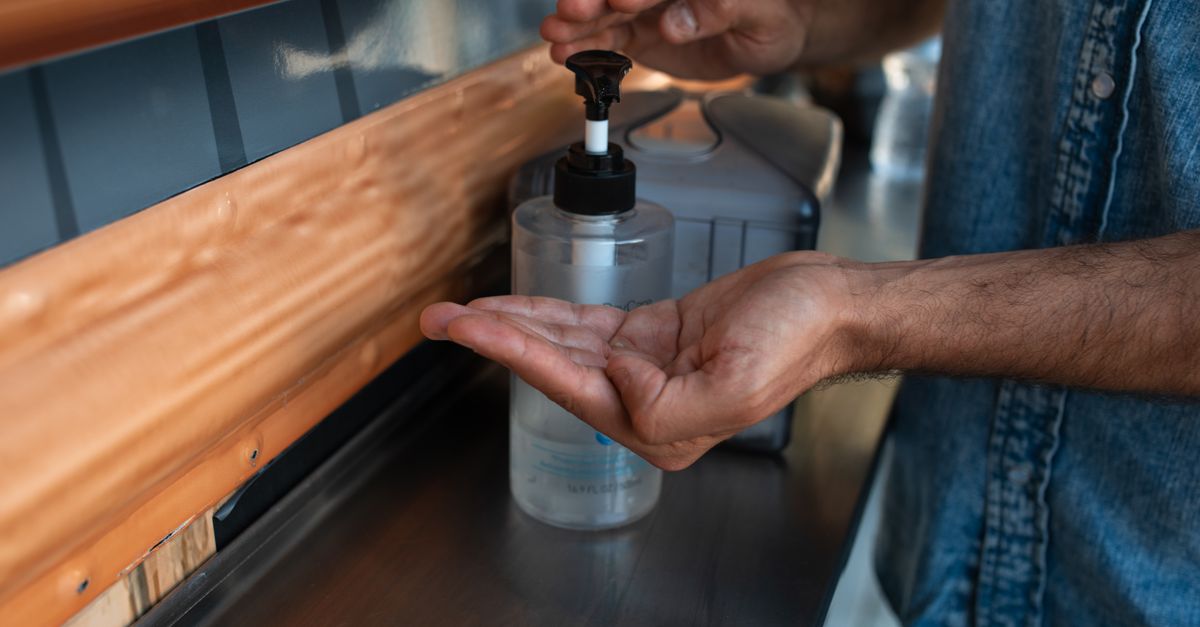
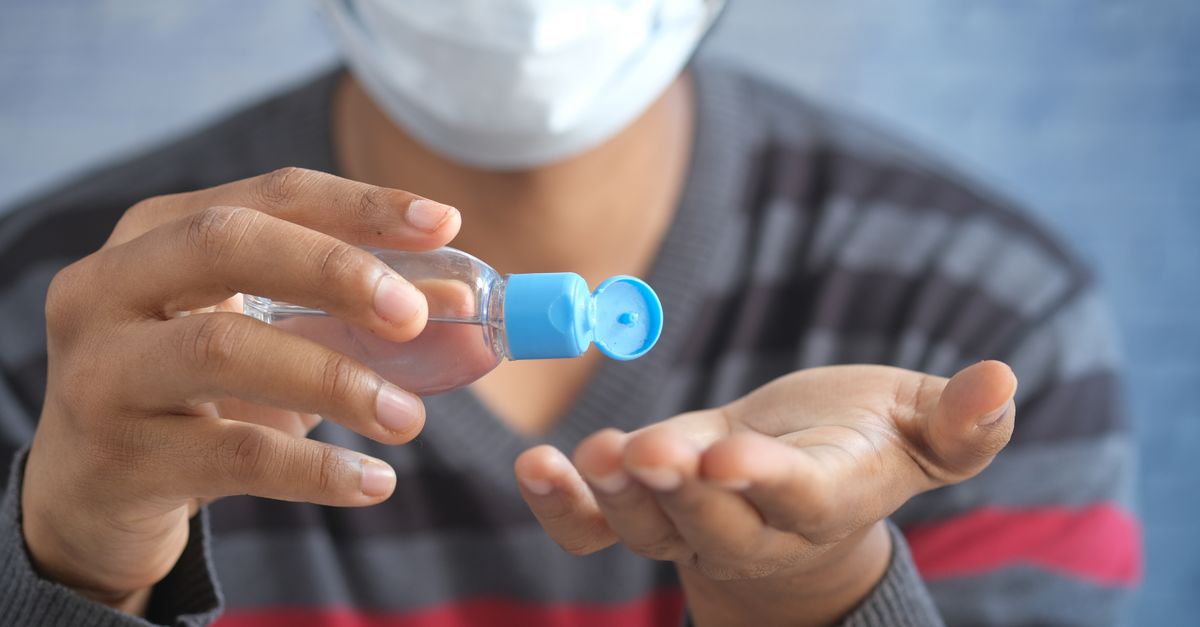
Medical Super is a topical antiseptic solution containing highly concentrated alcohol, utilized primarily for skin preparation, wound disinfection, and the sanitization of medical instruments. The most notable side effect of its frequent application is severe localized skin dryness, often accompanied by a sharp, transient stinging sensation when applied to compromised tissue.
The pharmacological mechanism of action is based on the ability of concentrated alcohol to rapidly denature cellular proteins. When the solution is applied to the skin or an inanimate surface, the alcohol molecules quickly penetrate the cell walls of bacteria, fungi, and certain viruses. Once inside the pathogen, the alcohol disrupts the complex three-dimensional structures of essential proteins and enzymes.
This rapid denaturation process causes the internal proteins to coagulate, effectively destroying the structural integrity and metabolic capability of the microorganism. Furthermore, the alcohol acts as a powerful lipid solvent, dissolving the protective lipid bilayers of many pathogens. This dual action ensures rapid, broad-spectrum microbial destruction, making it an indispensable tool in infection control.
2. Warnings and Prerequisites Before Using Medical Super
Before utilizing this potent antiseptic, patients and clinicians must understand its limitations and safety hazards. Alcohol is highly flammable. It must never be applied near an open flame, electrocautery devices, or operating laser equipment. The solution must be allowed to evaporate and dry completely before any heat source is introduced to the immediate environment.
This product is strictly contraindicated for use inside deep puncture wounds, severe animal bites, or widespread thermal burns. Applying high-concentration alcohol to deep tissue beds causes profound tissue necrosis and severely delays the natural wound healing cascade. It damages healthy fibroblasts and epithelial cells just as aggressively as it destroys bacterial pathogens.
Furthermore, this solution must never be ingested or applied to mucosal membranes. Accidental contact with the eyes, nasal passages, or oral cavity will result in excruciating chemical burns and severe localized inflammation. Prolonged use over very large surface areas of the body, particularly in pediatric patients, can also lead to systemic toxicity via percutaneous absorption.
3. Indications and Dosage Guide for Medical Super
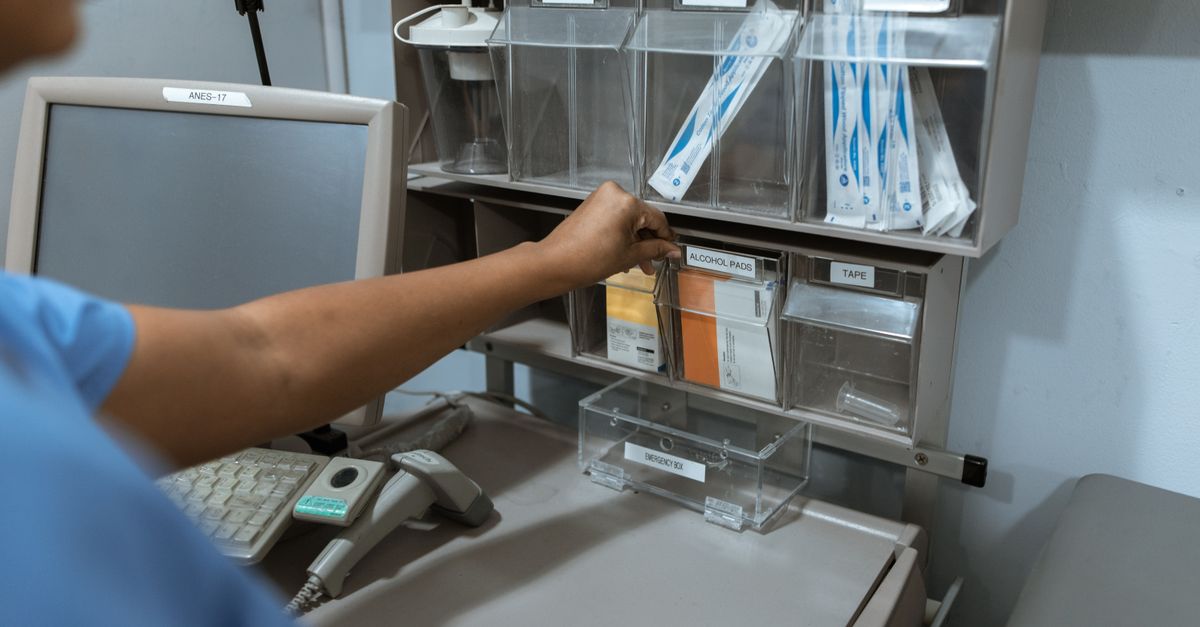
Medical Super is clinically indicated for the preparation of the skin prior to minor invasive procedures, such as venipuncture, subcutaneous injections, or the insertion of intravenous catheters. It is also indicated for the emergency cleansing of minor superficial scrapes and the routine sanitization of non-porous medical equipment.
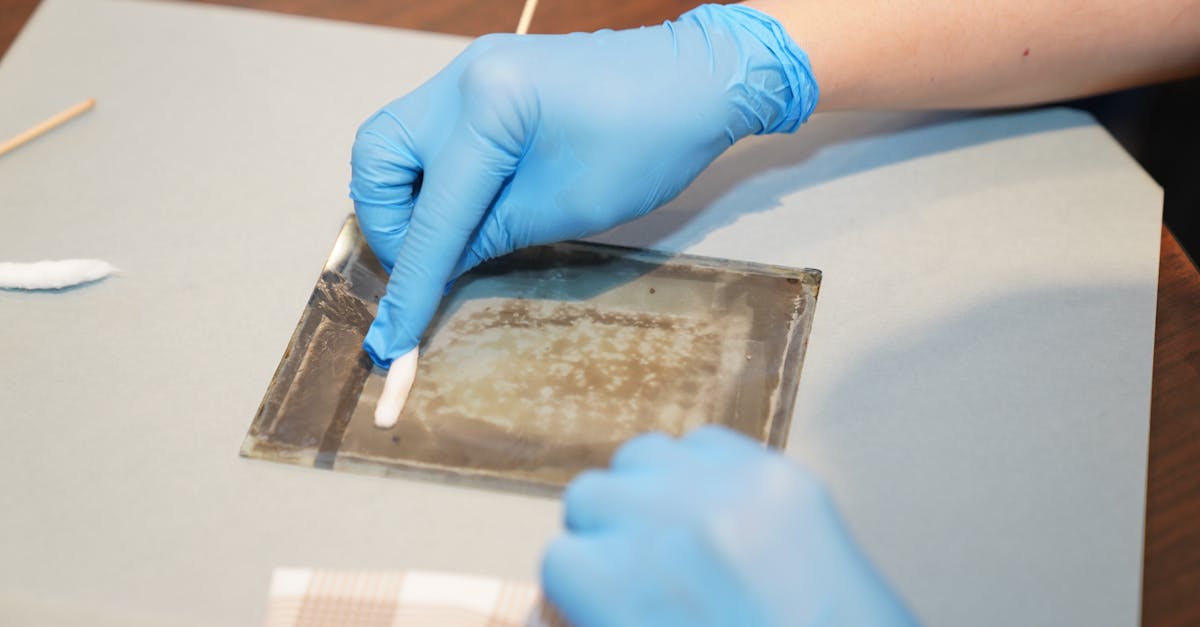
For skin preparation prior to an injection, a sterile gauze pad or cotton swab should be saturated with the alcohol solution. The provider must wipe the targeted skin area vigorously in an expanding circular motion, starting from the center of the injection site and moving outward. This physical friction assists in lifting dirt and removing superficial skin oils.
Crucially, the antiseptic efficacy of the alcohol is completely dependent on its evaporation. The targeted area must be allowed to air dry completely, which typically takes thirty to sixty seconds, before the needle is introduced. Wiping the alcohol away prematurely or injecting while the skin is still wet forces the alcohol into the subcutaneous tissue, causing severe and unnecessary pain.
4. In-Depth Side Effects Analysis of Medical Super
While topically applied alcohol is generally safe for brief, targeted use, its powerful solvent properties frequently provoke adverse dermatological responses, particularly with repeated exposure.
Common Side Effects
The process of dissolving superficial skin lipids and interacting with sensory nerve endings naturally triggers immediate physical reactions.
| Side Effect Category | Specific Symptoms |
|---|---|
| Sensory Discomfort | Sharp stinging on broken skin, immediate cooling sensation |
| Dermatological | Profound skin dryness, mild flaking, temporary redness |
Serious Side Effects You Should Report
Patients must seek clinical evaluation if they develop signs of severe contact dermatitis. The onset of painful cracking of the skin, severe localized swelling, or the appearance of a widespread, intensely itchy rash signifies an severe localized inflammatory response requiring medical intervention. Furthermore, any signs of deep tissue sloughing in a treated wound indicate chemical necrosis.
Rare Side Effects
In highly rare clinical scenarios, chronic and heavy topical application over large portions of the body can lead to systemic alcohol toxicity, especially in infants or individuals with severely compromised skin barriers. Symptoms of systemic absorption include lethargy, confusion, and depressed respiratory function.
Side Effects That Usually Do Not Require Medical Attention
A strong, sharp chemical odor is an inherent property of the solution and requires no intervention. The rapid cooling sensation experienced immediately upon application is simply the physical phenomenon of the volatile liquid evaporating from the warm skin surface, which actively draws away body heat.
5. Medical Super Overdose Symptoms and Management
A systemic overdose resulting from standard, targeted topical application on healthy adult skin is highly improbable. However, accidental oral ingestion of Medical Super presents a critical, life-threatening medical emergency. Ingesting antiseptic alcohol causes profound central nervous system depression, severe gastrointestinal mucosal burns, and dangerous metabolic derangements.
Symptoms of oral ingestion include violent vomiting, extreme abdominal pain, slurred speech, profound disorientation, and severe respiratory depression. If the solution contains isopropyl alcohol rather than ethanol, the toxicity is significantly higher, rapidly leading to hypotension, deep coma, and potential cardiac arrest.
Management of accidental ingestion requires immediate emergency medical care. Caregivers must never induce vomiting, as the caustic liquid will cause further damage to the esophagus and airway upon expulsion. The patient must be transported immediately to an emergency department for advanced airway management, intravenous hydration, and potentially hemodialysis to clear the toxin from the bloodstream.
6. Missed Dose and What to Avoid During Therapy
Because Medical Super is utilized strictly on an as-needed basis for procedural skin preparation or equipment sanitization, the concept of a missed dose is not applicable. The solution is applied only when a specific clinical or hygienic task demands it.
During the use of this antiseptic, patients and healthcare providers must strictly avoid applying the solution to skin that has recently been treated with other caustic agents. Combining alcohol with harsh chemical peels or potent topical medications can severely compound tissue damage and completely strip the stratum corneum of its protective barrier.
Users must also avoid utilizing this product to clean expansive areas of the body simultaneously. Utilizing alcohol as a general body wash or to cool down a feverish patient is highly dangerous. The rapid evaporation can induce severe shivering, paradoxically raising the core body temperature, while large-scale application drastically increases the risk of percutaneous systemic absorption.
7. Drug and Alcohol Interactions with Medical Super
Systemic drug interactions are not a primary clinical concern when the alcohol is used correctly for brief, targeted topical application. The volatile liquid evaporates rapidly, preventing significant entry into the systemic circulation where it could interfere with oral medications.
However, localized topical interactions are highly relevant. Medical Super should not be applied to the skin simultaneously with other potent antiseptics, such as those discussed in our clinical guide on chlorhexidine, unless explicitly directed by a formulated clinical protocol. Randomly combining different chemical biocides can cause severe, synergistic skin irritation and chemical burns.
Furthermore, applying alcohol over patches of skin treated with topical analgesic creams or hormone replacement gels can act as a solvent, inadvertently increasing the rapid absorption of the underlying medication and potentially leading to a sudden, unintended systemic spike in drug levels.
8. Precautions, Safety, and Duration of Action
The biocidal action of the alcohol is remarkably fast, typically neutralizing surface pathogens within ten to thirty seconds of application. The duration of this protection is strictly limited. Once the alcohol has fully evaporated, the skin possesses no residual antimicrobial defense and can be immediately recolonized by environmental bacteria.
A critical safety precaution is the management of fumes. Medical Super must only be used in well-ventilated areas. Inhaling concentrated alcohol vapors in a small, enclosed space can rapidly induce dizziness, headaches, and mild respiratory irritation.
For pediatric use, particularly in neonates, extreme caution is mandatory. The skin of a premature infant is highly permeable. Repeated application of concentrated alcohol for blood draws can lead to severe chemical burns and measurable blood alcohol levels. In neonatal intensive care, alternative, gentler antiseptics are strictly prioritized.
9. How to Stop Taking Medical Super and Storage Guidelines
Discontinuing the use of this topical antiseptic requires no specific medical protocol. Once the wound is appropriately cleansed or the clinical procedure is complete, the application simply ceases. There are no physiological withdrawal phenomena associated with halting topical antiseptic use.
Meticulous storage is an absolute safety requirement due to the highly volatile and flammable nature of the liquid. The bottle must be kept tightly capped to prevent rapid evaporation, which would alter the concentration and render the antiseptic ineffective. It must be stored in a cool, dry place, strictly isolated from direct sunlight, heating vents, or any potential ignition sources.
Proper disposal involves treating the liquid as hazardous household waste if large quantities remain. Small amounts on cotton swabs can be discarded in standard trash receptacles. Liquid alcohol should not be poured in large volumes down municipal drains, particularly near pilot lights or electrical disposal units, due to the severe risk of flash fires.
10. When to Seek Medical Attention for Medical Super Use
Medical evaluation is mandatory if a wound treated with this antiseptic begins to show signs of a worsening infection. The development of expanding red streaks, thick purulent discharge, or an escalating fever indicates that the initial topical cleansing was insufficient and systemic antibiotics are required.
Patients must seek immediate clinical care if they observe signs of severe chemical burns following prolonged exposure. The appearance of deep, painful ulcerations, severe blistering, or grayish, necrotic skin at the application site indicates profound tissue damage requiring advanced wound care management.
Emergency medical intervention is absolutely required if the patient exhibits symptoms of an acute systemic allergic reaction. Rapid facial swelling, hives spreading across the body, or difficulty breathing shortly after the liquid is applied indicate a life-threatening hypersensitivity requiring immediate pharmacological resuscitation.
Frequently Asked Questions (FAQ)
1. Why does the solution sting so badly when I put it on a cut?
The alcohol rapidly penetrates the exposed tissue and directly stimulates the sensory nerve endings in the wound, causing a sharp, intense pain signal to be sent to your brain.
2. Does this product speed up the healing of my scrape?
No, it actually does the opposite. While it kills bacteria, it also kills your body’s own healthy healing cells, which can significantly delay the natural closure of the wound.
3. Can I use this solution to bring down a child’s high fever?
Absolutely not. Wiping a child with alcohol can cause dangerous shivering, which raises their internal temperature, and the fumes or skin absorption can cause severe systemic toxicity.
4. Why do I have to wait for it to dry before getting a shot?
The alcohol needs time to fully destroy the bacteria. Also, if the skin is still wet, the needle will push the alcohol under your skin, causing a very painful burning sensation.
5. Is it safe to use this product near my eyes or mouth?
No, it must be kept strictly away from all mucous membranes. It will cause severe, painful chemical burns if it comes into contact with your eyes, inside your nose, or your mouth.
6. Can I use this to sterilize my medical tools at home?
Yes, it is highly effective for sanitizing non-porous metal instruments, like tweezers or scissors, provided they are thoroughly wiped and allowed to air dry completely.
7. Why is my skin peeling after using this product for several days?
Alcohol is a powerful solvent that completely strips away the natural protective oils on your skin. Repeated use quickly leads to severe dryness, cracking, and peeling of the epidermis.
Bibliography
Disclaimer: The content is for informational purposes only and does not replace medical advice. Always consult your doctor or pharmacist for personalized treatment.