1. Introduction & Mechanism of Action of HealthWise Petroleum Jelly
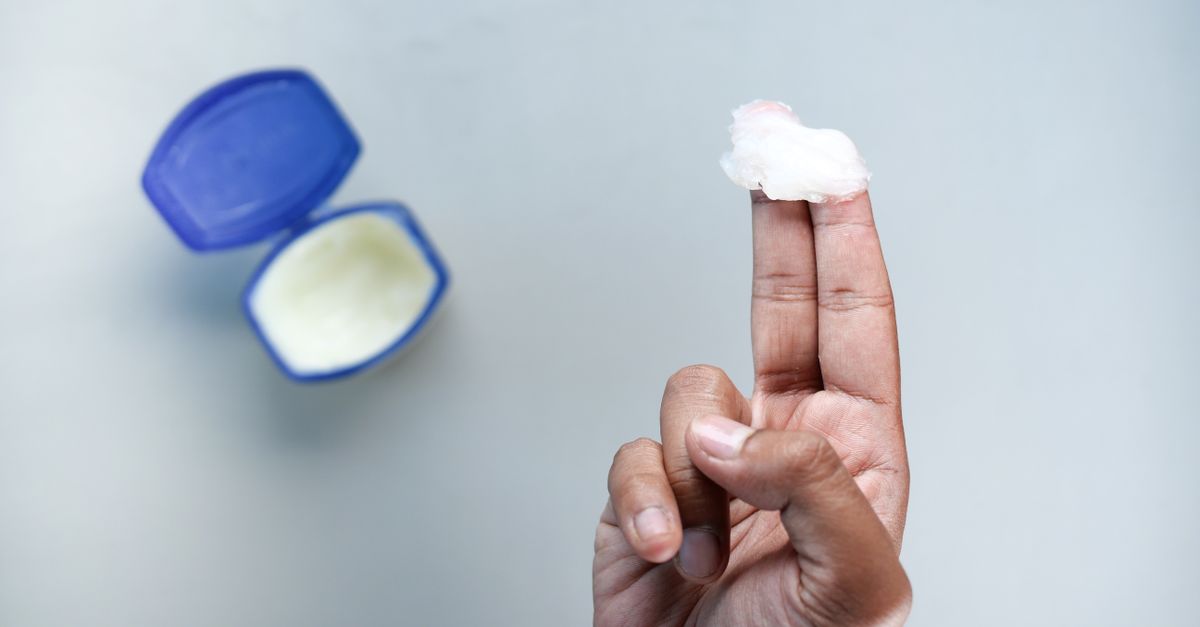
HealthWise Petroleum Jelly is a highly refined dermatological protectant utilized to hydrate, soothe, and shield severely compromised or xerotic skin. The sole active ingredient is petrolatum. The most notable side effect is localized skin congestion, which can occasionally lead to mild folliculitis due to its heavily occlusive nature.
Petrolatum achieves its clinical efficacy entirely through physical rather than pharmacological mechanisms. When applied to the epidermis, it forms a dense, impermeable hydrophobic barrier over the stratum corneum. This physical layer completely halts transepidermal water loss. By trapping endogenous moisture deeply within the cutaneous tissues, it rapidly facilitates the healing of severe xerosis, chapping, and epidermal fissures.
Furthermore, this robust physical barrier protects the underlying skin from external irritants, harsh environmental elements, and mechanical friction. Because its molecular structure is too large to penetrate the epidermal layers, petrolatum remains entirely on the surface of the skin, meaning it does not enter the systemic circulation or interact with internal biological pathways.
2. Warnings & Before Taking HealthWise Petroleum Jelly
While petrolatum is generally considered highly benign and hypoallergenic, specific safety protocols must be rigorously observed. Patients must never apply HealthWise Petroleum Jelly to deep puncture wounds, animal bites, or actively infected, draining lacerations without explicit medical authorization. Applying an impermeable occlusive barrier over an anaerobic bacterial infection can drastically worsen the condition by creating an ideal oxygen-deprived breeding ground for pathogens.
Patients highly prone to severe acne vulgaris or cystic acne should exercise significant caution when applying petrolatum to the face or chest. The heavily occlusive nature of the ointment traps sebum and dead skin cells within the pores, which can rapidly precipitate severe acne mechanica or exacerbate existing breakouts.
Additionally, patients must ensure their skin is completely clean before application. Applying petrolatum over dirt, sweat, or unwashed skin effectively locks those contaminants directly against the epidermis, heavily increasing the risk of contact dermatitis or secondary bacterial infections.
3. Indications & Dosage Guide for HealthWise Petroleum Jelly
HealthWise Petroleum Jelly is clinically indicated for the prevention and temporary relief of chafed, chapped, or cracked skin and lips. It is broadly utilized to protect minor cuts, scrapes, and burns from external contamination while maintaining a moist wound-healing environment.
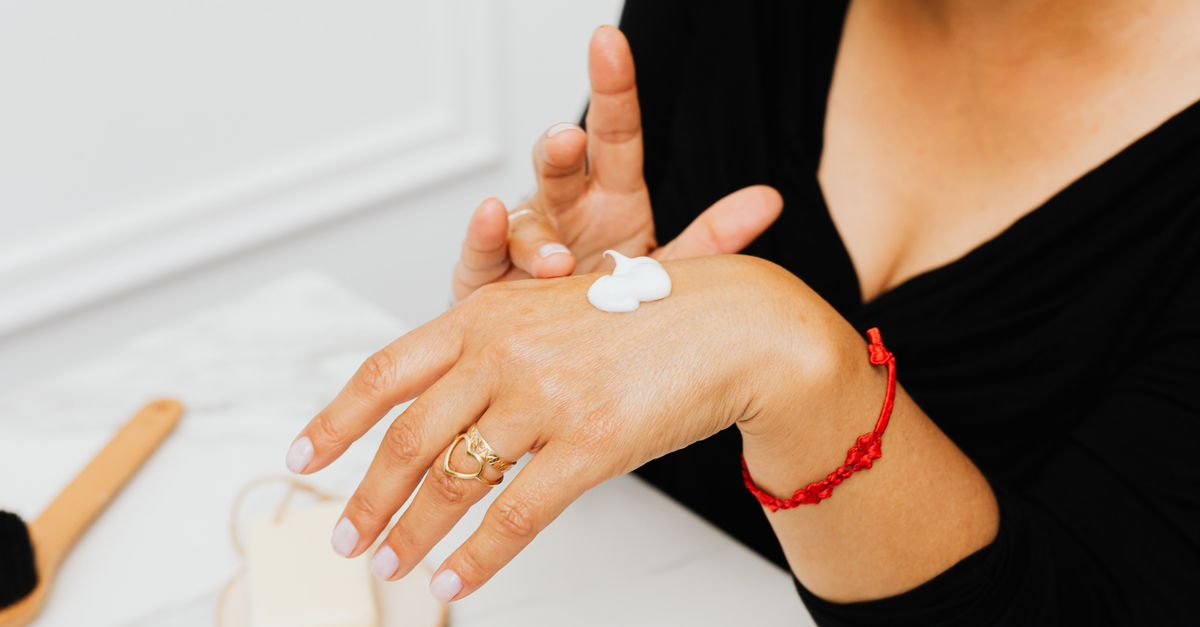
For adults and pediatric patients of all ages, the ointment should be applied liberally to the affected areas as often as necessary. For optimal moisture retention, the clinical recommendation is to massage the jelly into the skin immediately after bathing while the epidermis is still slightly damp. This technique actively traps the maximum amount of hydration within the skin cells.
When utilizing the product for friction prevention, such as for athletes experiencing severe chafing, a generous layer should be applied directly to the highly friction-prone anatomical areas before the physical activity commences. Reapplication may be required following heavy perspiration or mechanical wiping.
4. In-Depth Side Effects Analysis of HealthWise Petroleum Jelly
Systemic side effects from petrolatum are virtually nonexistent because the compound is strictly non-absorbable. Adverse events are entirely localized, generally benign, and arise primarily from improper application techniques or the inherent physical occlusion of the pores.
Common Side Effects
The most frequently encountered complaint is a distinctly greasy, slick, or sticky sensation on the skin following application. While not a true physiological adverse event, this cosmetic outcome is a direct and unavoidable result of the product’s hydrophobic barrier properties. Patients may also experience slight localized warmth as the ointment seals the skin and retains natural body heat.
Serious Side Effects You Should Report
Patients must contact a healthcare provider if they observe distinct signs of severe tissue maceration. This presents as skin that appears overly soft, stark white, heavily wrinkled, or soggy, clearly indicating that excessive, damaging moisture has been trapped. Furthermore, the development of red, swollen, or pus-filled bumps strongly indicates severe folliculitis or a secondary bacterial infection requiring targeted medical intervention.
Rare Side Effects
Allergic contact dermatitis in response to highly refined petrolatum is exceedingly rare, though it has been documented in highly sensitive individuals. Symptoms indicating an allergic response include severe itching, acute localized erythema, and the formation of superficial hives at the application site.
Side Effects That Usually Do Not Require Medical Attention
Mild, transient stinging may occur if the ointment is rubbed vigorously into profoundly cracked, raw fissures. This stinging is merely a mechanical response and typically subsides within moments as the emollient thoroughly coats and soothes the exposed nerve endings.
| Side Effect Category | Specific Symptoms |
|---|---|
| Expected Physical Effects | Greasy texture, mild localized warmth, transient stinging on cracks |
| Dermatological Complications | Tissue maceration, blocked pores, localized folliculitis |
| Allergic Reactions (Rare) | Intense localized pruritus, contact dermatitis, hives |
5. Overdose of HealthWise Petroleum Jelly
A topical overdose of HealthWise Petroleum Jelly is practically impossible due to its complete lack of systemic absorption. Applying excessively thick layers will absolutely not cause chemical toxicity; however, it will severely saturate the skin, drastically increasing the risk of tissue maceration, pore blockage, and dangerous slipping accidents if applied heavily to the feet or hands.
If a patient inadvertently applies far too much ointment, the excess should simply be wiped away with a dry towel or clean tissue. Ensure the skin feels supple and protected but not overwhelmingly slick or dripping with the product.
Accidental oral ingestion of the jelly by children or cognitively impaired adults is generally considered non-toxic. Swallowing large quantities of petrolatum may cause mild gastrointestinal distress, presenting primarily as a mild laxative effect or loose stools, as the body cannot digest the compound. In the event of substantial ingestion, contact a poison control center for guidance, but emergency interventions are rarely required.
6. Missed Dose & What to Avoid with HealthWise Petroleum Jelly
Consistency is vital for effectively managing severe skin conditions like chronic xerosis, but missing a single application of the jelly will not cause any physiological harm or withdrawal symptoms. The patient will merely experience a temporary return of dry, tight skin. Application should simply resume at the next convenient time.
Patients must strictly avoid walking barefoot on hard surfaces immediately after applying the jelly to their feet. Petrolatum creates a highly lubricated surface, rendering hard floors exceptionally slippery. Patients must put on clean, breathable cotton socks and proper supportive footwear immediately after application to prevent catastrophic falls.
Furthermore, avoid applying petrolatum inside the nasal passages before sleeping. In rare instances, chronic application of petroleum products inside the nose can lead to micro-aspiration into the lungs over time, potentially causing a rare but serious condition known as exogenous lipoid pneumonia.
7. Drug & Alcohol Interactions with HealthWise Petroleum Jelly
Because petrolatum is entirely chemically inert and strictly not absorbed systemically, there are absolutely no pharmacokinetic interactions with oral medications. Patients taking daily maintenance medications for hypertension, diabetes, or immunosuppression can use this topical protectant without any risk of systemic drug interference.
However, the severely occlusive nature of the jelly creates significant topical interactions. If a patient applies this jelly, the petrolatum barrier will physically block the absorption of subsequently applied topical medications. If a patient requires a prescription topical treatment, such as clotrimazole for a fungal infection, the medicated treatment must be applied first and allowed to absorb completely before utilizing the protective petroleum jelly.
Alcohol consumption possesses no chemical interaction with this product. However, excessive alcohol intake can lead to systemic dehydration, which exacerbates underlying dry skin conditions, thereby requiring more frequent applications of the protective ointment.
8. Precautions, Safety & Duration of Action for HealthWise Petroleum Jelly
The emollient and protective effects of the jelly are immediate upon application, and the occlusive barrier typically lasts until it is physically washed or vigorously rubbed off. For sustained therapeutic benefit in cases of severe chapping, daily application is strictly required to prevent the return of epidermal cracking.
A critical precaution involves maintaining strict hygiene when utilizing jarred ointments. Patients should wash their hands thoroughly before scooping jelly from the container to prevent introducing bacterial or fungal contaminants into the product, which could later be inadvertently transferred to vulnerable micro-abrasions on the skin.
If severely cracked skin fails to improve after two weeks of consistent, daily application, the patient must consult a dermatologist or physician. Chronic non-healing fissures may signify a severe underlying nutritional deficiency or a peripheral vascular issue requiring advanced medical assessment.
9. How to Stop Taking HealthWise Petroleum Jelly & Storage/Disposal
Discontinuing the use of HealthWise Petroleum Jelly is straightforward and causes no physiological withdrawal symptoms. However, patients who abruptly stop using heavy moisturizers on chronically dry areas will likely experience a rapid recurrence of severe xerosis and skin cracking.
Proper storage is necessary to preserve the stability of the product. Store the container tightly closed at room temperature, strictly away from direct, intense heat or open flames. While highly refined, petroleum products can become a fire hazard if soaked into fabrics and exposed to high heat sources like clothes dryers.
For disposal, discard the empty container in accordance with local recycling regulations. If a significant amount of jelly remains, it should be wiped securely into the regular trash. Do not wash large quantities down the sink or shower drain, as the heavy petrolatum base will quickly solidify and cause severe plumbing blockages.
10. When to See a Doctor Regarding HealthWise Petroleum Jelly
A medical evaluation by a physician is absolutely mandatory if a patient discovers any cuts, deep fissures, or sores that appear infected, bright red, swollen, or warm to the touch. The petroleum jelly must absolutely not be used on these specific areas until they are medically cleared and properly sanitized.
Patients should seek prompt medical advice if they rapidly develop severe itching, a widespread rash, or acute hives following the application of the jelly. While exceedingly rare, this indicates a localized allergic reaction requiring a completely different class of moisturizer or protective barrier.
Furthermore, if the patient is utilizing the jelly to protect a minor burn and the burn begins to blister extensively, oozes purulent fluid, or is accompanied by a systemic fever, they must seek immediate emergency medical attention for advanced burn care and infection management.
Frequently Asked Questions (FAQ)
1. Can I use petroleum jelly to treat a fresh, deep cut?
No. You should strictly avoid applying petroleum jelly to deep puncture wounds or severe lacerations. It can trap dangerous anaerobic bacteria inside the wound, leading to severe infections.
2. Is it safe to apply this jelly to my face every night?
While safe, it is highly occlusive. If you are prone to acne, applying petroleum jelly to your face can easily trap oils and dead skin cells, causing severe breakouts.
3. Will petroleum jelly interact with my prescription steroid cream?
It will not chemically interact, but it will physically block it. You must always apply your prescription medication first, allow it to absorb fully, and then apply the petroleum jelly on top as a protective seal.
4. Can I use this product inside my nose for dryness?
It is generally discouraged to frequently apply petroleum jelly deep inside the nostrils. Over time, small amounts can be inhaled into the lungs, potentially causing a rare but serious lung condition.
5. Does petroleum jelly actually add moisture to my skin?
No. Petroleum jelly does not contain water. It works by creating a strong seal that prevents your body’s natural moisture from evaporating out of your skin.
6. What should I do if my child eats a handful of the jelly?
Do not panic. Petroleum jelly is generally non-toxic when ingested. It cannot be digested and may cause a mild laxative effect or upset stomach. You may contact poison control for reassurance.
7. Is it safe to use on baby diaper rash?
Yes, petroleum jelly is frequently used as a safe, highly effective barrier to protect an infant’s skin from the moisture and irritation associated with diaper rash.
8. How do I wash the greasy feeling off my hands?
Because it is hydrophobic, plain water will not work. You must use warm water and a strong, grease-cutting soap to thoroughly remove petroleum jelly from your hands.
Bibliography
Disclaimer: The content is for informational purposes only and does not replace medical advice. Always consult your doctor or pharmacist for personalized treatment.