1. Introduction and Mechanism of Action for Dentalux Kids Anti-Cavity Fluoride Bubble Gum
Dentalux Kids Anti-Cavity Fluoride Bubble Gum is a specialized pediatric dental paste utilized for the robust prevention of dental caries. The most notable side effect, resulting strictly from chronic over-ingestion, is the development of dental fluorosis. It serves as a foundational prophylactic intervention in pediatric oral hygiene.
The active pharmacological ingredient in this formulation is sodium fluoride. When applied topically to the teeth during brushing, the fluoride ions interact directly with the hydroxyapatite crystals that comprise human dental enamel. This localized chemical interaction is essential for reversing early stages of tooth decay.
The fluoride ions replace the hydroxyl groups within the enamel matrix, forming fluorapatite. Fluorapatite is vastly more resistant to the acidic byproducts generated by oral bacteria than natural enamel. By continually reinforcing the structural integrity of the teeth, the medication drastically reduces the incidence of cavities and promotes the active remineralization of microscopic dental lesions.
2. Warnings and Before Taking Dentalux Kids Anti-Cavity Fluoride Bubble Gum
The most critical clinical warning regarding this pediatric formulation involves the severe risk of systemic fluoride toxicity if a massive amount is acutely swallowed. While topically safe, systemic ingestion of highly concentrated fluoride is dangerous. This product must be kept strictly out of reach of young children, who are highly attracted to the bubble gum flavoring.
Chronic, daily ingestion of small amounts of this toothpaste during the years of active tooth development can lead to dental fluorosis. This condition permanently alters the cosmetic appearance of the adult teeth, presenting as unsightly white streaks or severe brown mottling of the enamel, depending on the severity of the systemic exposure.
Parents living in municipalities with heavily fluoridated public water supplies must exercise heightened vigilance. The combination of fluoridated drinking water and the swallowing of fluoridated toothpaste exponentially increases a child’s cumulative daily fluoride intake, severely elevating the risk of developing clinical fluorosis.
3. Indications and Dosage Guide for Dentalux Kids Anti-Cavity Fluoride Bubble Gum
This topical dental preparation is explicitly indicated for the routine, daily prevention of dental caries in pediatric populations. It is designed to be used as part of a comprehensive oral hygiene regimen that includes proper brushing techniques and dietary sugar management.
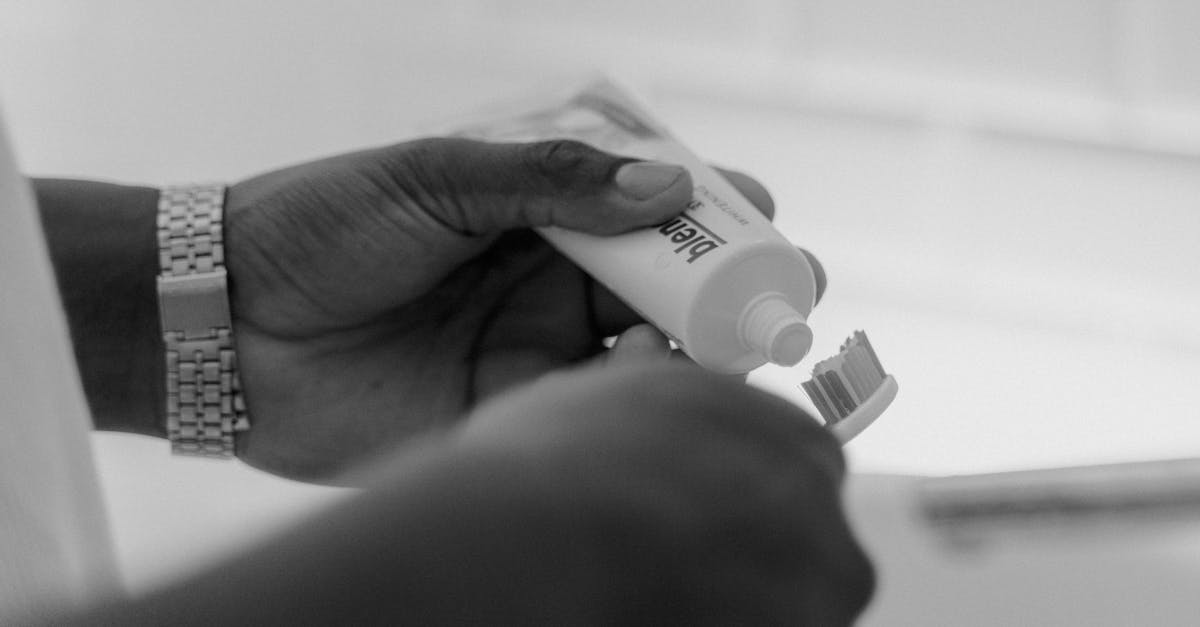
For children under the age of three, parents should utilize only a tiny smear of the paste, roughly the size of a grain of rice. For children aged three to six years, the dose should be strictly limited to a pea-sized amount. The brushing process must always be heavily supervised by an adult to ensure the child does not swallow the lather.
Brushing should occur twice daily, preferably in the morning and immediately before bedtime. Following the brushing procedure, children must be instructed to spit out the residual paste and foam thoroughly. Rinsing the mouth with massive amounts of water immediately after brushing is generally discouraged, as it washes away the protective fluoride ions before they can fully bond to the enamel.
4. In-Depth Side Effects Analysis of Dentalux Kids Anti-Cavity Fluoride Bubble Gum
When utilized strictly as a topical agent and properly expectorated, adverse reactions are virtually non-existent. Side effects emerge almost exclusively from improper swallowing.
Common Side Effects
The most common side effect resulting from mild, repeated swallowing of the paste is mild gastrointestinal upset. The sodium fluoride acts as a mild irritant to the gastric mucosa, frequently causing transient nausea and mild abdominal cramping shortly after the brushing session.
Serious Side Effects You Should Report
Acute fluoride toxicity is a severe medical emergency. If a child manages to consume a large portion of the tube, they will rapidly exhibit severe, intractable vomiting, profound abdominal pain, and excessive salivation. The fluoride binds with systemic calcium, leading to dangerous hypocalcemia, which can precipitate severe muscle spasms and generalized seizures.
Chronic overexposure requires dental evaluation. Parents must report the appearance of chalky white lines, opaque spots, or pitting on the newly erupting adult teeth. This is the hallmark clinical presentation of dental fluorosis caused by prolonged systemic absorption of the topical agent.
Rare Side Effects
In highly isolated instances, children have developed localized allergic contact dermatitis in the perioral region. This presents as a red, itchy, and sometimes blistering rash directly around the lips and mouth, typically triggered by the synthetic bubble gum flavoring compounds or the foaming detergents rather than the fluoride itself.
Side Effects That Usually Do not Require Medical Attention
A fleeting sensation of mild tingling on the tongue or gums during vigorous brushing is a normal physical response to the foaming agents and flavorings. Provided it resolves immediately upon spitting, no clinical intervention is required.
| Side Effect Category | Specific Symptoms |
|---|---|
| Common | Mild nausea, transient abdominal cramping |
| Serious | Intractable vomiting, muscle spasms, hypocalcemia |
| Chronic | Dental fluorosis, enamel mottling |
| Rare | Perioral contact dermatitis |
5. Overdose Symptoms and Management for Dentalux Kids Anti-Cavity Fluoride Bubble Gum
An acute systemic overdose of sodium fluoride is a critical, potentially lethal toxicological emergency. Due to the appealing bubble gum flavor, young children frequently view the product as a confection, creating a severe risk for massive accidental ingestion if the tube is left accessible.
Clinical symptoms of a toxic ingestion begin rapidly within the gastrointestinal tract, featuring violent, continuous vomiting, hematemesis, and severe abdominal pain. As the fluoride is absorbed systemically, it violently strips calcium from the blood. This severe hypocalcemia leads to profound muscle tetany, dangerous cardiac arrhythmias, and eventual cardiovascular collapse.
Emergency medical management requires immediate transfer to an emergency department. If immediate transport is delayed, administering a glass of milk can temporarily help, as the dietary calcium binds to the fluoride in the stomach to prevent absorption. Hospital treatment involves aggressive intravenous administration of calcium gluconate and robust cardiovascular life support.
6. Missed Dose and What to Avoid While on Dentalux Kids Anti-Cavity Fluoride Bubble Gum
Because this is a daily prophylactic hygienic product, a missed brushing session does not require complicated clinical intervention. The child should simply resume their normal brushing schedule at the next designated time. Attempting to apply a massive, double-sized layer of paste to compensate for a missed session is highly dangerous and increases swallowing risks.
Parents must strictly avoid allowing children to use this product unsupervised. Children inherently lack the fine motor control to dispense the correct pea-sized amount and often fail to understand the absolute necessity of spitting the product out entirely.
Furthermore, avoid combining this specific fluoridated paste with other topical fluoride treatments, such as over-the-counter fluoride mouthwashes, unless explicitly directed by a pediatric dentist. Stacking multiple fluoridated products vastly increases the daily cumulative load and significantly elevates the risk of fluorosis.
7. Drug and Alcohol Interactions with Dentalux Kids Anti-Cavity Fluoride Bubble Gum
Because the active pharmacological compound is intended purely for topical application to the dental enamel and subsequent expectoration, there is absolutely no systemic absorption under normal, safe use. Consequently, there are no pharmacokinetic interactions with any oral prescription medications the child may be taking.
However, a distinct physical interaction occurs with dietary calcium and magnesium. If the child accidentally swallows a small amount of the paste, concurrent consumption of dairy products like milk or cheese will cause the calcium to bind heavily to the fluoride in the stomach, effectively neutralizing its systemic toxicity and preventing absorption.
Dietary alcohol consumption is clinically irrelevant in the pediatric population for whom this product is explicitly designed.
8. Precautions, Safety, and Duration of Action for Dentalux Kids Anti-Cavity Fluoride Bubble Gum
The duration of action is continuous provided the child maintains a consistent, twice-daily brushing regimen. The fluorapatite formed on the teeth provides a permanent structural upgrade to the enamel, though it requires constant topical replenishment to defend against daily acidic dietary attacks.
Extreme caution must be exercised regarding the specific volume of paste dispensed. The concept of using a massive ribbon of paste covering the entire brush head is a dangerous misconception. A smear the size of a grain of rice is fully therapeutically effective for toddlers and minimizes systemic exposure if swallowed.
Children with neurodevelopmental disorders or physical disabilities that impair their ability to spit effectively may require a completely non-fluoridated training paste to eliminate the severe risks of chronic systemic ingestion, requiring consultation with a specialized pediatric dentist.
9. How to Stop Taking Dentalux Kids Anti-Cavity Fluoride Bubble Gum and Storage Guidelines
The use of this specific pediatric formulation is typically discontinued as the child ages and their palate matures, allowing them to transition to standard adult mint-flavored anti-cavity pastes. There are no physiological withdrawal symptoms associated with switching dental products.
The tube must be stored securely at a stable room temperature, away from direct heat sources that could degrade the chemical matrix of the paste. The cap must be tightly secured after every single use to prevent the paste from drying out and to maintain sanitary conditions.
It is absolutely paramount that this medication is stored in a highly secure, elevated cabinet completely out of the reach of young children. The bright packaging and sweet flavoring make it an extreme hazard for accidental, massive ingestion by unsupervised toddlers.
10. When to See a Doctor Regarding Dentalux Kids Anti-Cavity Fluoride Bubble Gum
Immediate emergency medical evaluation is absolutely mandatory if a child is discovered to have eaten a large quantity of the toothpaste directly from the tube. Do not wait for symptoms of severe vomiting or muscle spasms to appear; contact a poison control center immediately.
Consult a pediatric dentist urgently if you notice the appearance of distinct white lines, chalky patches, or brown pitting on the surface of the child’s newly emerging adult teeth. This confirms the presence of dental fluorosis and requires immediate modification of the child’s total fluoride intake.
Seek medical attention if the child develops a persistent, red, blistering rash directly around the lips or corners of the mouth that does not resolve. This indicates a severe localized allergic reaction to the flavoring or foaming agents, necessitating a switch to a hypoallergenic dental product.
Frequently Asked Questions (FAQ)
1. How exactly does this toothpaste prevent cavities?
The active ingredient chemically bonds directly with the surface of the teeth, creating an incredibly hard shield that bacteria and dietary acids cannot easily destroy.
2. Why is it dangerous if my child swallows the toothpaste?
While safe on teeth, swallowing large amounts of the active ingredient poisons the stomach and strips vital calcium from the blood, which is a severe medical emergency.
3. How much paste should I use for a four-year-old?
You must strictly limit the amount to the size of a single green pea. Using more than this provides no extra dental benefit and vastly increases the risk of toxic swallowing.
4. What is dental fluorosis?
It is a permanent cosmetic defect that causes white streaks or brown stains on adult teeth, caused by a child swallowing too much fluoride while their teeth are still developing in the gums.
5. Should my child rinse their mouth with water after brushing?
It is highly recommended that they simply spit out the excess foam without aggressively rinsing with water, allowing the active ingredients to remain on the teeth longer.
6. Can I use this product on my one-year-old’s new teeth?
You should consult a pediatric dentist first, but generally, only a tiny smear the size of a grain of rice should be used for children under three to prevent swallowing.
7. What should I do if my child eats a large mouthful from the tube?
Give them a glass of milk immediately to help neutralize the chemical in their stomach, and contact a poison control center or rush them to an emergency room.
8. Why does it have a bubble gum flavor?
The flavoring is strictly utilized to increase compliance in children who find standard adult mint flavors too harsh or “spicy” to tolerate during daily brushing.
9. Does this product contain any sugar to make it taste sweet?
No, pediatric dental products utilize artificial sweeteners or sugar alcohols to provide a sweet taste without introducing the very sugars that cause tooth decay.
10. Is it safe to use this if our town’s tap water is heavily fluoridated?
Yes, but you must be exceptionally vigilant in ensuring your child spits the paste out completely, as the combined exposure drastically increases the risk of fluorosis.
Bibliography
Disclaimer: The content is for informational purposes only and does not replace medical advice. Always consult your doctor or pharmacist for personalized treatment.