Ecolab Triple Antibiotic is a topical ointment containing neomycin sulfate, polymyxin B sulfate, and bacitracin zinc, designed to prevent minor skin infections. Its most notable side effect is a high propensity to trigger localized allergic contact dermatitis, primarily due to the neomycin component, which can paradoxically worsen the appearance of the wound.
1. Introduction & How Ecolab Triple Antibiotic Works in the Body
This topical formulation merges three distinct antibacterial agents to provide broad-spectrum coverage against a wide variety of gram-positive and gram-negative bacteria. By combining these agents, the ointment effectively prevents bacterial colonization on minor cutaneous abrasions.
Bacitracin zinc operates by interfering with the synthesis of the bacterial cell wall. It specifically inhibits the transfer of peptidoglycans into the cell wall structure, leading to osmotic instability and the rapid death of susceptible gram-positive organisms, including staphylococci and streptococci.
Polymyxin B sulfate disrupts the bacterial cell membrane of gram-negative bacteria. It binds to phospholipids, altering membrane permeability and causing vital intracellular components to leak out. Neomycin sulfate, an aminoglycoside, penetrates the bacterial cell and binds to the 30S ribosomal subunit. This action forcefully inhibits bacterial protein synthesis, effectively halting bacterial replication and causing cell death across a broad range of pathogens.
2. Critical Warnings & Prerequisites Before Using This Medication
While available over the counter, this ointment carries significant clinical warnings. It is strictly indicated for minor cuts, scrapes, and burns. It must never be applied over large areas of the body, nor used on deep puncture wounds, animal bites, or serious burns involving deep dermal layers.
The most critical warning involves neomycin hypersensitivity. Neomycin is a highly notorious contact allergen. Repeated application on damaged skin drastically increases the risk of sensitization. If a patient has a known allergy to aminoglycoside antibiotics, this formulation must be completely avoided.
Applying this ointment to heavily weeping or extremely large open wounds can lead to the systemic absorption of neomycin and polymyxin B. If systemically absorbed in large quantities, these agents can cause severe nephrotoxicity and irreversible ototoxicity, leading to permanent kidney damage and hearing loss.
3. Indications & Dosage Guidelines
Ecolab Triple Antibiotic is indicated for the first aid prevention of infection in minor epidermal injuries. It creates a physical barrier against external contaminants while maintaining a moist healing environment.
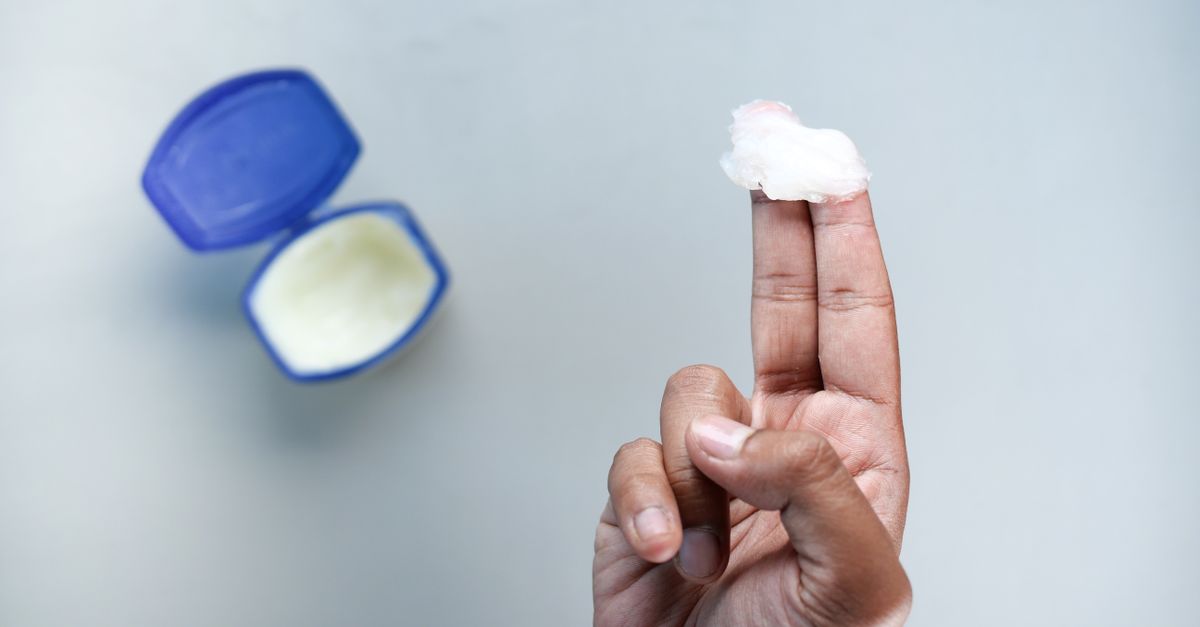
The affected area must be thoroughly cleansed with mild soap and water before application. A small amount of the ointment, roughly equal to the surface area of a fingertip, should be applied gently to the injured skin one to three times daily.
The treated area may be covered with a sterile bandage to protect it from dirt. However, treatment should strictly not exceed one week of continuous use unless explicitly directed by a physician. Prolonged use disrupts the normal cutaneous microbiome and promotes the overgrowth of non-susceptible organisms, including fungi.
4. In-Depth Side Effects Analysis
Adverse reactions are predominantly localized to the site of application. Because the ointment relies on skin contact, dermatological hypersensitivity is the primary clinical concern.
Common Side Effects
Mild contact dermatitis is the most frequently observed adverse reaction. Patients often experience localized redness, mild itching, and slight swelling precisely where the ointment was applied. These symptoms can easily be mistaken for an early wound infection, complicating the clinical picture.
Serious Side Effects You Should Report
Seek immediate medical attention if you develop a severe, widespread skin rash, massive swelling of the face, or severe difficulty breathing after applying the ointment. These symptoms indicate a systemic anaphylactic reaction. Additionally, if the wound begins to drain thick, foul-smelling pus or the redness rapidly spreads outward, a severe secondary infection has likely developed.
Rare Side Effects
In highly rare instances where the ointment is inappropriately applied to massive areas of compromised skin, systemic absorption can cause ringing in the ears or a sudden decrease in urine output, indicating ototoxicity or nephrotoxicity. These rare systemic effects are almost exclusively seen in severe burn victims inappropriately treated with topical agents.
Side Effects That Usually Do not Require Medical Attention
A transient, mild stinging sensation immediately upon application to a fresh, open cut is normal and typically subsides within minutes. This minor irritation requires no medical intervention.
| Side Effect Category | Specific Symptoms |
|---|---|
| Dermatological | Contact dermatitis, localized erythema, severe pruritus |
| Immunological | Anaphylaxis, severe allergic rash |
| Infectious | Fungal superinfection (with prolonged use) |
| Systemic (Rare) | Ototoxicity, nephrotoxicity (if heavily absorbed) |
5. Overdose Symptoms & Emergency Response
Acute overdosage from a single topical application is highly improbable. However, chronic overuse by applying thick layers of the ointment to massive areas of broken skin daily can result in toxic systemic accumulation of neomycin and polymyxin B.
Symptoms of systemic toxicity include sudden hearing loss, severe dizziness, and acute renal failure. If massive systemic absorption is suspected, the topical application must be halted immediately. The patient must be evaluated in a hospital setting where renal function and auditory acuity can be carefully monitored and supported.
6. Missed Dose & What to Avoid While Using
If an application is missed, the patient should simply apply the ointment as soon as remembered and continue with the standard one to three times daily schedule. There is no need to apply a double layer of ointment to make up for a missed application.
Patients must strictly avoid applying the ointment inside the eyes, ears, or mouth. Contact with mucous membranes accelerates systemic absorption and can cause severe local irritation. Furthermore, avoid using this product concurrently with other topical medications on the exact same wound unless instructed by a dermatologist, as the base ingredients may chemically interact and degrade the active antibiotics.
7. What Drugs Interact With Ecolab Triple Antibiotic?
Because it is designed for localized topical use, pharmacokinetic interactions with oral medications are highly unlikely. The active ingredients remain confined to the upper layers of the epidermis.
However, if systemic absorption occurs through massive wounds, the absorbed neomycin could dangerously interact with intravenous loop diuretics or neuromuscular blocking agents. Additionally, applying this over-the-counter ointment concurrently with prescription topical corticosteroids like hydrocortisone can mask the severe signs of an allergic reaction to the neomycin.
8. Precautions, Safety & Duration of Action
The antibacterial action lasts for several hours following application, providing a continuous protective barrier against environmental pathogens. However, its safety decreases exponentially as the duration of use increases beyond seven days.
If the wound shows no signs of healing, or if it appears to worsen after one week of continuous application, the ointment must be discontinued. This lack of healing strongly indicates either a profound allergic reaction to the active ingredients or the presence of a resistant bacterial strain requiring oral antibiotics.
9. How to Stop Using & Proper Storage
Discontinuing the ointment simply involves wiping away any excess residue with a clean cloth and washing the area gently. No tapering protocol is required for topical antibiotics.
The tube must be stored at controlled room temperature, safely away from excessive heat or freezing conditions, which can separate the petrolatum base and degrade the antibiotic compounds. Ensure the cap is tightly secured to prevent environmental contamination of the nozzle.
10. When to See a Doctor
Immediate medical consultation is required if the wound is the result of a deep puncture, an animal bite, or a severe burn, as these require professional debridement and systemic therapy. You must also see a doctor if the skin around the minor cut becomes intensely hot to the touch, rapidly swells, or develops red streaks radiating outward, which are hallmark signs of spreading cellulitis.
11. Frequently Asked Questions
1. Why does my cut look redder and itchier after using this?
You are likely experiencing an allergic reaction to neomycin, a common allergen in this ointment. Stop using the product immediately, clean the wound, and consult a pharmacist for an alternative.
2. Can I use this ointment on a fresh tattoo?
No, triple antibiotic ointments are generally not recommended for new tattoos because the high risk of allergic contact dermatitis can severely damage the healing skin and pull out the ink.
3. Is it safe to put this on a deep dog bite?
Absolutely not. Animal bites inject bacteria deep into the tissues where topical ointments cannot reach. You need professional medical cleaning and oral antibiotics to prevent a severe infection.
4. Can I use this on my face for acne breakouts?
No, the petrolatum base is highly comedogenic and will aggressively clog your pores, making the acne much worse. It is not formulated to treat the specific bacteria that cause acne.
5. Why can I only use it for one week?
Using it for longer than a week kills off all the good bacteria on your skin, allowing dangerous, resistant bacteria or fungi to take over and cause a much worse infection.
6. Can I apply this inside my nose if it is dry and cracked?
You should avoid doing this without a doctor’s approval. The mucous membranes in the nose absorb medications rapidly, increasing the risk of systemic side effects and severe localized irritation.
7. Does this ointment make the cut heal faster?
The ointment itself does not accelerate cellular healing. It simply prevents an infection from slowing the process down and keeps the wound moist, which provides a better environment for natural healing.
12. Bibliography
Disclaimer: The content is for informational purposes only and does not replace medical advice. Always consult your doctor or pharmacist for personalized treatment.