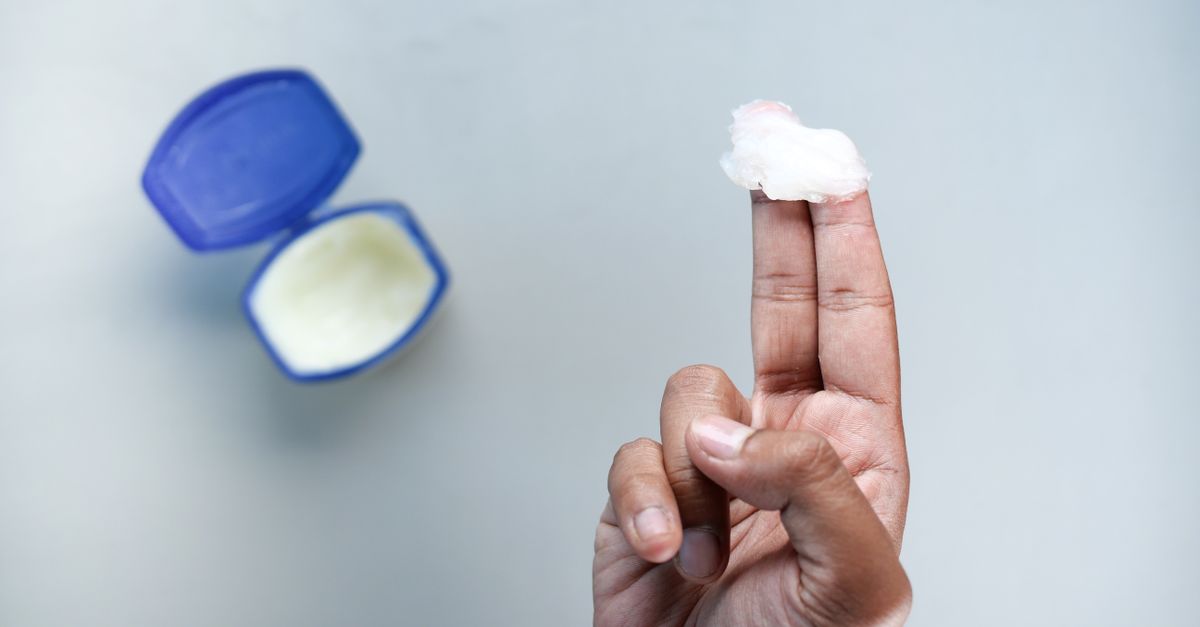
Hydrophor contains petrolatum, an occlusive emollient used to prevent transepidermal water loss and protect compromised dermal barriers. The most notable side effect involves mild local irritation or follicular obstruction if applied to poorly cleansed or acne-prone skin.
1. Introduction and Mechanism of Action of Hydrophor
Hydrophor functions as a highly effective epidermal protectant. Petrolatum creates an occlusive layer over the stratum corneum. This barrier prevents the evaporation of natural moisture and provides an optimal environment for tissue repair. Unlike active pharmacological agents that alter cellular signaling, petrolatum works mechanically.
Clinical applications heavily rely on this occlusive property to treat xerosis, minor burns, and superficial abrasions. By reducing friction and sealing out external irritants, the skin can regenerate its lipid barrier efficiently. The inert nature of petrolatum ensures it is well tolerated by highly sensitive patient demographics.
Pharmacokinetically, petrolatum does not absorb into the systemic circulation. It remains entirely on the surface of the skin until it is mechanically removed or sheds with dead skin cells. This lack of systemic absorption is the primary reason for its high safety profile in diverse patient populations.
2. Important Warnings Before Taking Hydrophor
Patients must assess the condition of their skin before applying Hydrophor. This product must not be applied to deep puncture wounds, animal bites, or serious burns requiring clinical debridement. Covering deep or infected wounds with an occlusive agent can trap anaerobic bacteria and exacerbate localized infections.
Individuals with a known hypersensitivity to petrolatum derivatives should avoid this product. Although true allergic reactions to highly refined petrolatum are exceedingly rare, trace impurities in some formulations might trigger contact dermatitis. It is critical to ensure the application site is thoroughly cleansed and dried prior to use.
Use caution when applying this product to skin areas prone to high sebum production. An occlusive barrier can exacerbate existing acne vulgaris or trigger new comedonal outbreaks by trapping sebum and keratin within the follicle.
3. Indications and Dosage Guide for Hydrophor
Hydrophor is indicated for the temporary relief of chafed, chapped, or cracked skin and lips. It is also utilized routinely in the management of diaper dermatitis to shield the skin from prolonged exposure to moisture and irritants.
For standard dermatological protection, a thin layer should be applied to the affected area as frequently as necessary. For optimal moisture retention, the best time to apply the ointment is immediately after bathing while the skin remains slightly damp. This locks in the existing moisture.
In clinical settings involving wound care, healthcare providers may direct patients to apply a thicker layer of the ointment beneath a sterile dressing. Patients should strictly follow their healthcare provider regarding the frequency of dressing changes and cleansing protocols.
4. In-Depth Side Effects Analysis of Hydrophor
While systemically safe, topical application of petrolatum carries a risk of localized adverse reactions. Proper application techniques minimize these risks significantly.
Common Side Effects
The most frequently encountered reactions are strictly cosmetic or localized. Patients often report a greasy or sticky residue on the skin. Mild erythema or a sensation of warmth can occur if the product is applied over active inflammation. These effects typically resolve without intervention.
Serious Side Effects You Should Report
Any signs of a localized infection trapped beneath the ointment require immediate medical evaluation. Symptoms such as increased swelling, purulent discharge, intense localized heat, or severe erythema dictate that the patient must stop applying the product. Suspected allergic contact dermatitis, characterized by severe itching and vesicular eruptions, must be reported to a physician.
Rare Side Effects
True systemic anaphylaxis is virtually non-existent with refined petrolatum. However, very rare cases of foreign body granulomas have been documented when petrolatum was inadvertently introduced deep into subcutaneous tissues during traumatic injuries.
Side Effects That Usually Do Not Require Medical Attention
Minor acneiform eruptions or clogged pores are common and generally do not require professional medical treatment. Reducing the frequency of application or switching to a less occlusive moisturizer often resolves the issue.
| Side Effect Category | Specific Symptoms |
|---|---|
| Dermatological (Common) | Greasy texture, mild redness, follicular occlusion |
| Infectious (Serious) | Increased pain, purulent discharge, trapped infection |
| Immunological (Rare) | Contact dermatitis, severe pruritus, rash |
5. Recognizing an Overdose of Hydrophor
Due to the complete lack of systemic absorption, a pharmacological overdose via topical application is impossible. Applying excessive amounts of the ointment simply results in a saturated skin surface and a transfer of the product onto clothing or bedding.
If the product is accidentally ingested in large quantities, it may act as a mild osmotic laxative. The patient might experience loose stools or mild abdominal cramping. Ingestion of standard topical amounts by pediatric patients generally requires no emergency intervention beyond offering fluids and wiping the mouth.
Aspiration of lipid-based products into the lungs represents a distinct clinical emergency. If vomiting occurs after ingestion, there is a risk of lipoid pneumonia. Aspiration requires immediate clinical assessment and continuous respiratory monitoring.
6. Missed Dose and What to Avoid While Using Hydrophor
Hydrophor is typically utilized on an as-needed schedule rather than a strict dosing regimen. If a patient forgets to apply the ointment, they should simply resume application when they remember. There is no need to apply an excessive amount to compensate for a missed application.
Patients should avoid applying this occlusive ointment over active fungal infections unless specifically directed by a dermatologist. Fungi thrive in dark and moist environments, and sealing the area can severely worsen conditions such as tinea corporis or candidiasis.
Additionally, avoid concurrent use with other topical medications unless advised by a physician. The occlusive nature of petrolatum can significantly alter the absorption rate of active ingredients like hydrocortisone, potentially leading to unintended systemic effects.
7. Drug and Alcohol Interactions with Hydrophor
Petrolatum is biologically inert and does not enter the hepatic or renal pathways. Consequently, there are no known systemic interactions with oral medications, intravenous drugs, or alcohol consumption.
Topical interactions are mechanical rather than chemical. Applying Hydrophor immediately before applying a water-based topical medication will prevent the active ingredient of the second medication from reaching the epidermis.
If a patient must use a topical prescription drug alongside this product, the active prescription cream must be applied first. The patient should wait until the prescription medication is fully absorbed before applying the petrolatum to seal the area.
8. Precautions, Safety, and Duration of Action for Hydrophor
Hydrophor provides protection only for as long as it remains physically present on the skin surface. Its duration of action is dictated by environmental factors, friction, and hygiene practices. Reapplication is necessary after washing the area or after heavy physical exertion that causes sweating.
Safety during pregnancy and lactation is well established. Since the active ingredient does not enter the bloodstream, it poses no risk to fetal development or nursing infants. However, nursing mothers should thoroughly cleanse the nipple area prior to feeding if the product was applied there.
Patients utilizing oxygen therapy must exercise strict caution. Petrolatum is highly flammable. It must never be applied to the face or nasal passages of patients receiving active oxygen therapy due to the risk of severe combustion.
9. How to Stop Taking Hydrophor and Storage Guidelines
Discontinuing the use of Hydrophor requires no tapering protocol. Patients can stop applying the product abruptly without experiencing withdrawal symptoms or rebound dermal effects.
The product must be stored at room temperature away from direct sources of intense heat or open flames. Exposure to high temperatures will cause the ointment to separate or liquefy, although it generally returns to its normal consistency once cooled.
Disposal should follow standard household waste procedures. Do not flush large quantities of the ointment down plumbing systems, as lipid-based products can solidify and cause significant pipe blockages.
10. When to See a Doctor Regarding Hydrophor
Medical consultation is warranted if the underlying skin condition fails to improve after seven days of continuous use. Persistent xerosis or cracking may indicate an underlying dermatological or metabolic condition requiring targeted prescription therapy.
Patients must seek immediate clinical evaluation if they observe signs of deep tissue infection. Erythema radiating from the application site, localized swelling, and the presence of a fever are clinical red flags.
Furthermore, if a patient develops an unexpected vesicular rash or severe pruritus shortly after application, they should consult an allergist to rule out contact dermatitis caused by trace formulation ingredients.
Frequently Asked Questions (FAQ)
1. Can I use Hydrophor on an open surgical wound?
No. You must only apply occlusive ointments to open surgical sites if explicitly instructed by your surgeon. Sealing an unhealed wound can trap bacteria and promote infection.
2. Is Hydrophor safe to use as a daily facial moisturizer?
While safe, it is highly occlusive and may lead to acne breakouts in patients with oily or combination skin. It is generally reserved for severely dry patches or targeted lip therapy.
3. Does this product contain any steroids?
No. Hydrophor relies entirely on the mechanical barrier properties of petrolatum and contains no corticosteroids or active immunological agents.
4. Can I apply Hydrophor to minor kitchen burns?
Yes, but only after the burn has been thoroughly cooled with water and assessed as superficial. Applying an occlusive barrier too quickly can trap heat in the damaged tissue.
5. Will this ointment interact with my oral antibiotics?
No. Because the ointment is not absorbed into your bloodstream, it will not interact with any oral medications or supplements.
6. How do I remove the greasy residue from my skin?
Washing the area with warm water and a mild, soap-based cleanser will effectively break down the lipid barrier and remove the residue.
7. Is it safe to use on a baby’s diaper rash?
Yes. Petrolatum is a first-line clinical recommendation for preventing and soothing uncomplicated diaper dermatitis.
8. Can Hydrophor be used inside the nose for dryness?
Applying petrolatum inside the nasal passages carries a small risk of lipoid pneumonia if inhaled over long periods. Saline gels are the preferred clinical alternative for nasal dryness.
9. Does petrolatum expire?
While highly stable, the product typically carries an expiration date to ensure optimal texture and prevent potential bacterial contamination from repeated finger dipping over time.
Bibliography
Disclaimer: The content is for informational purposes only and does not replace medical advice. Always consult your doctor or pharmacist for personalized treatment.